
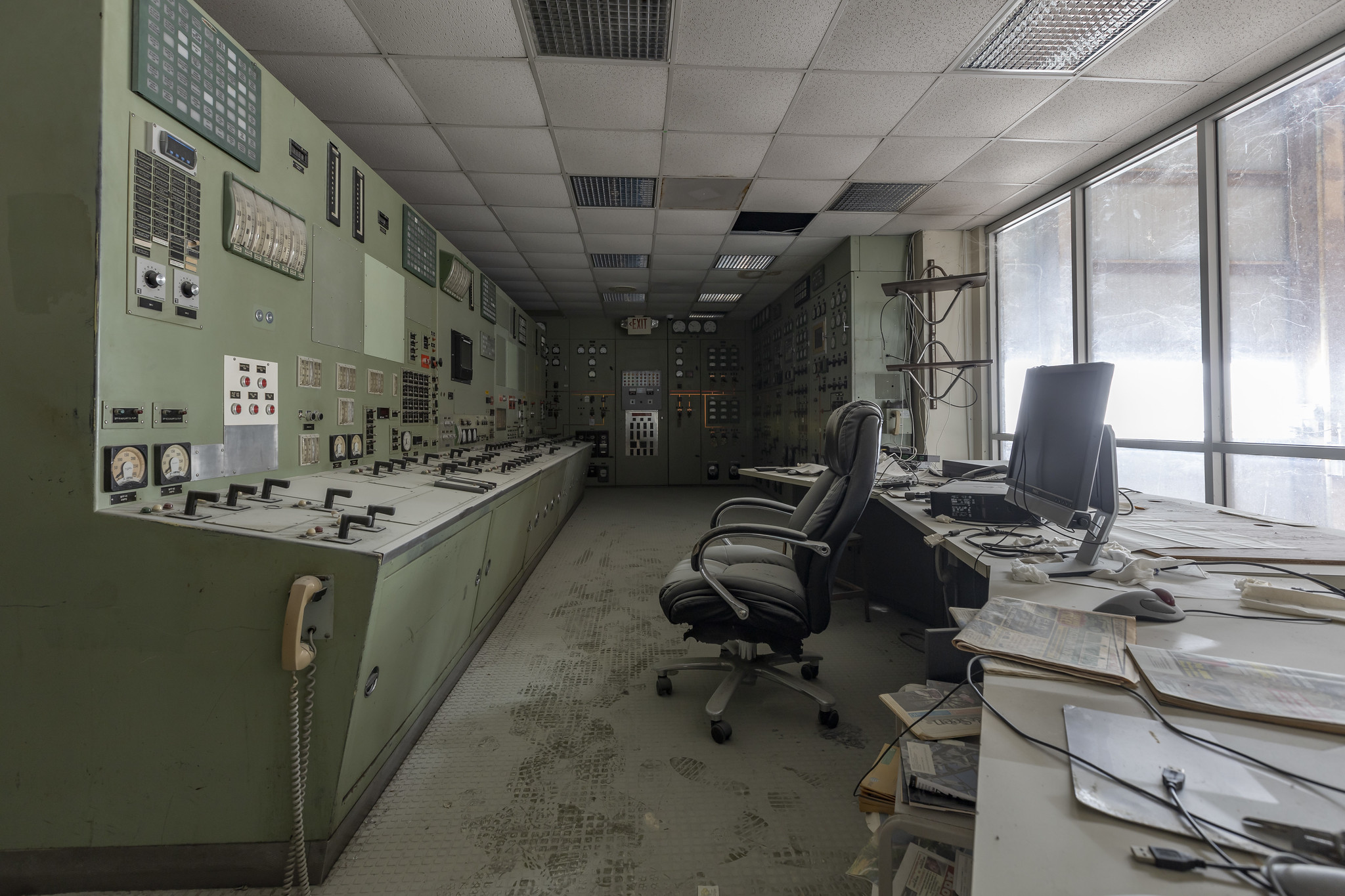
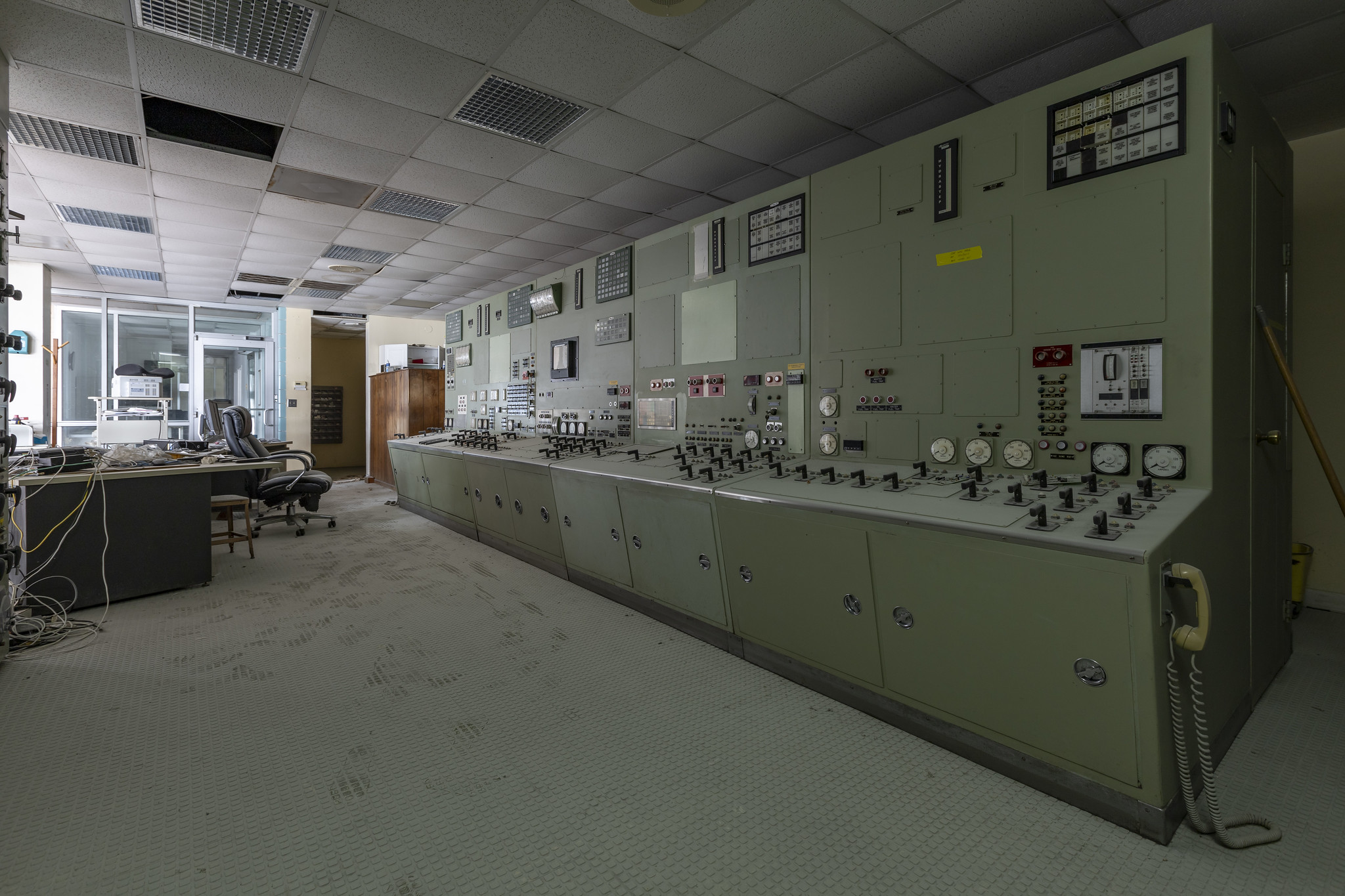
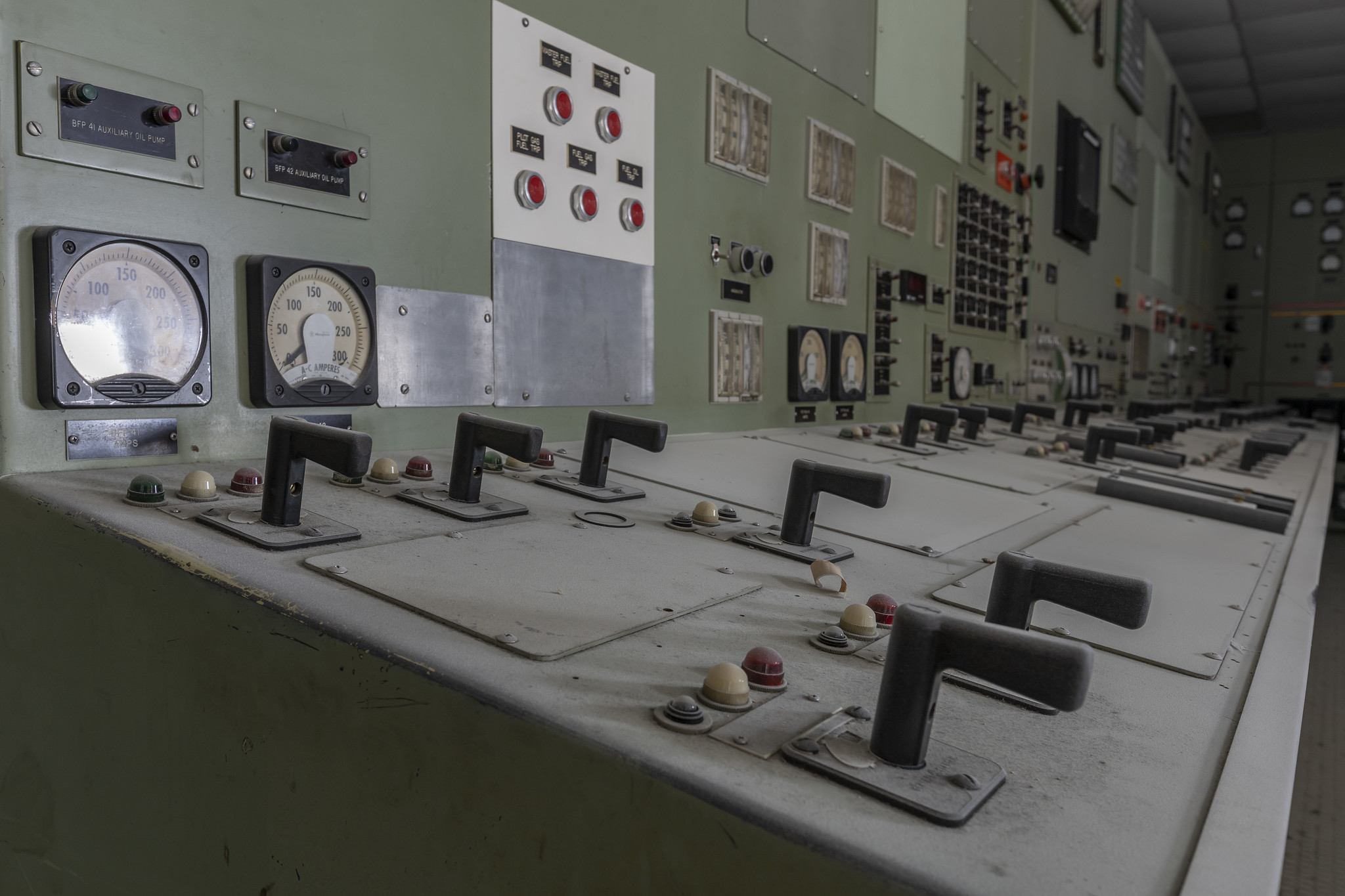
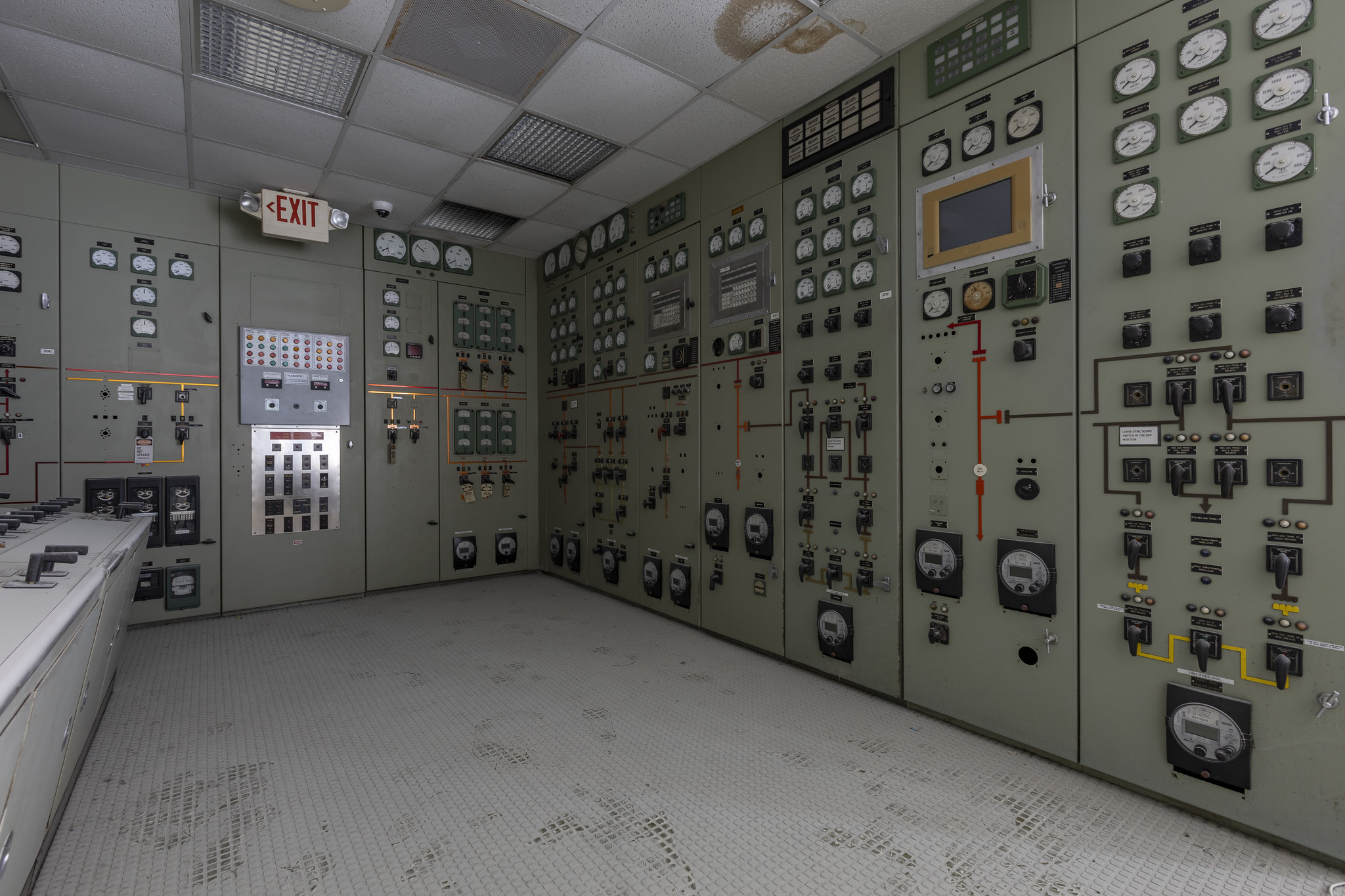
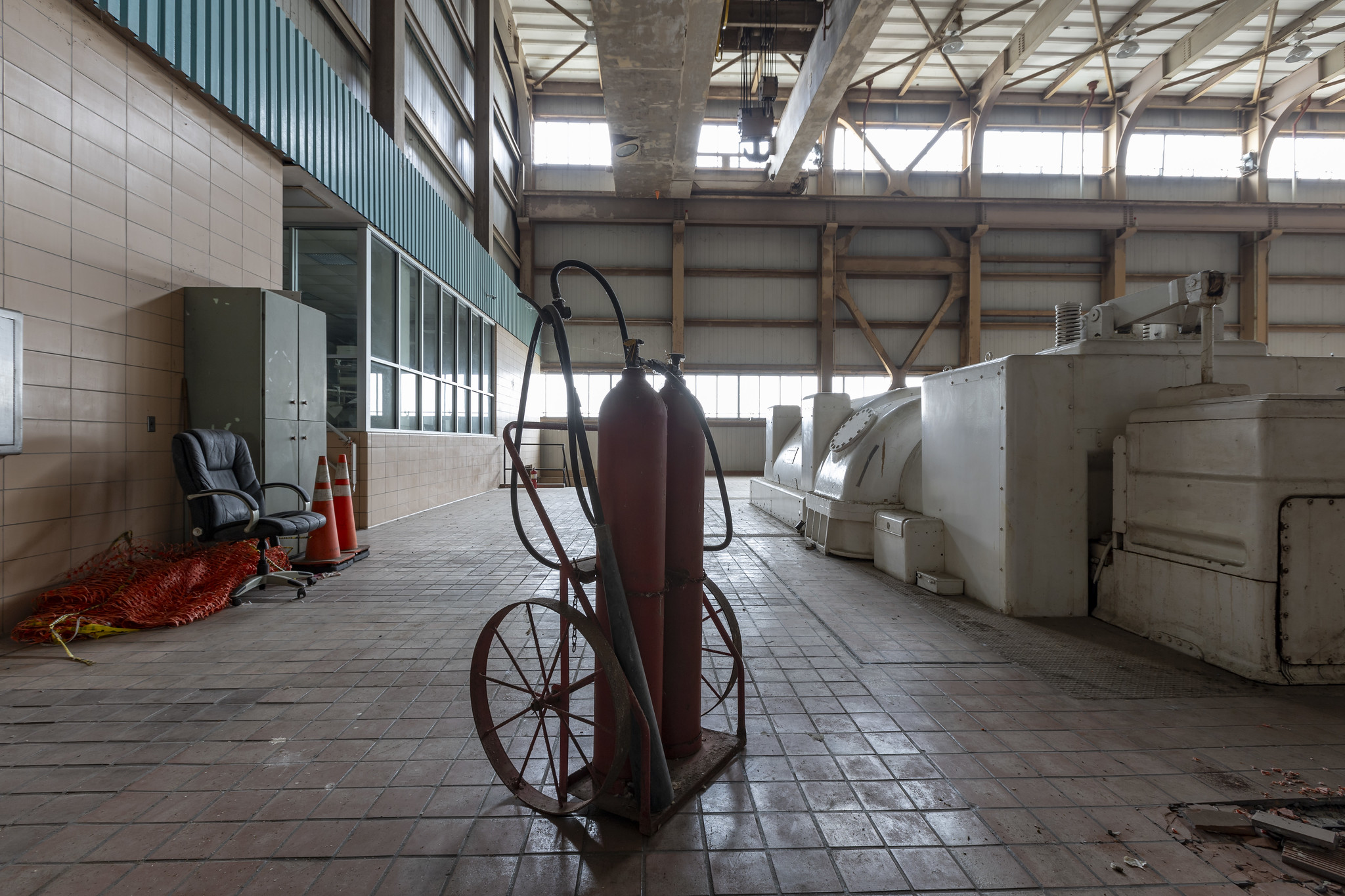
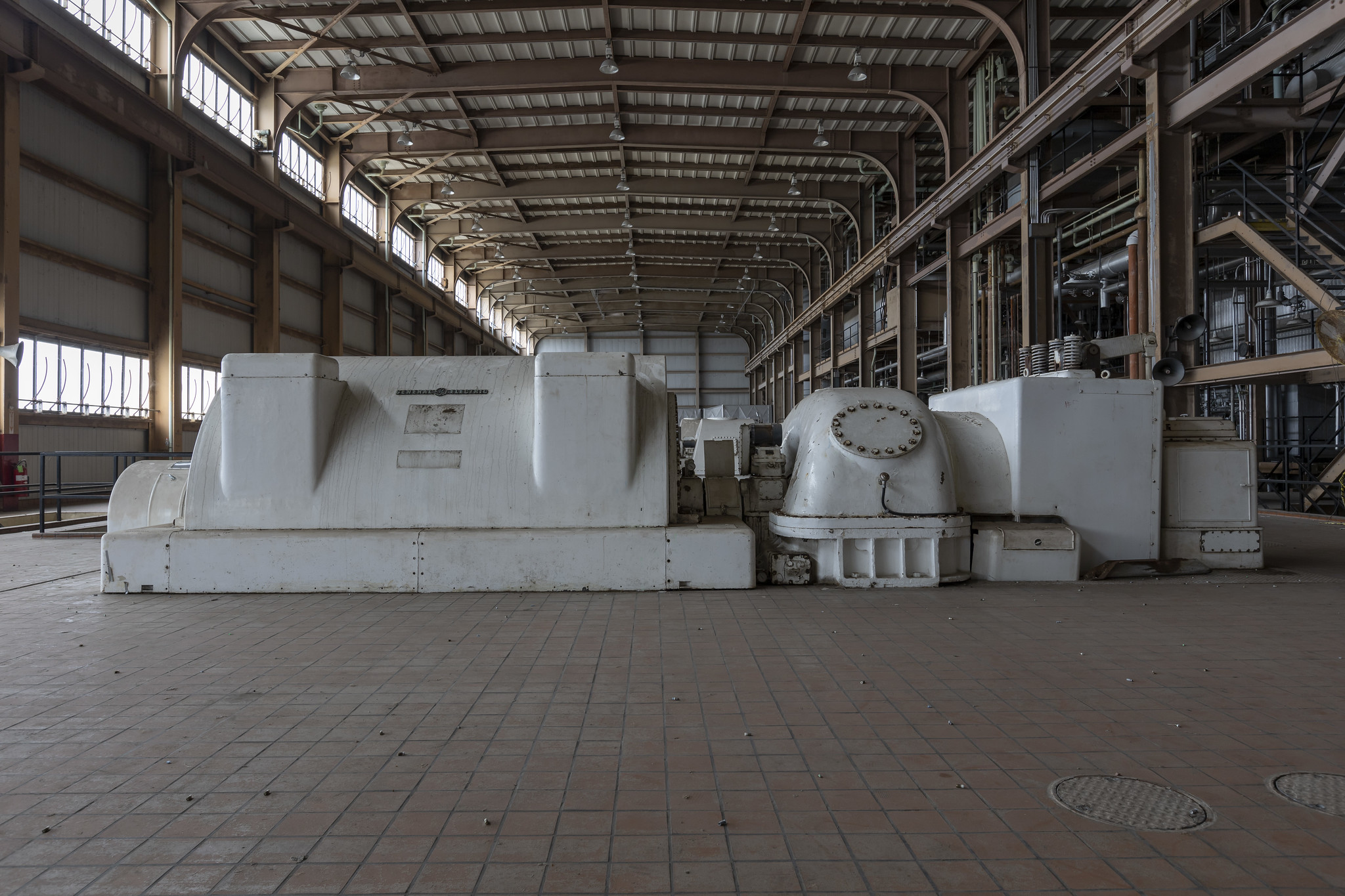
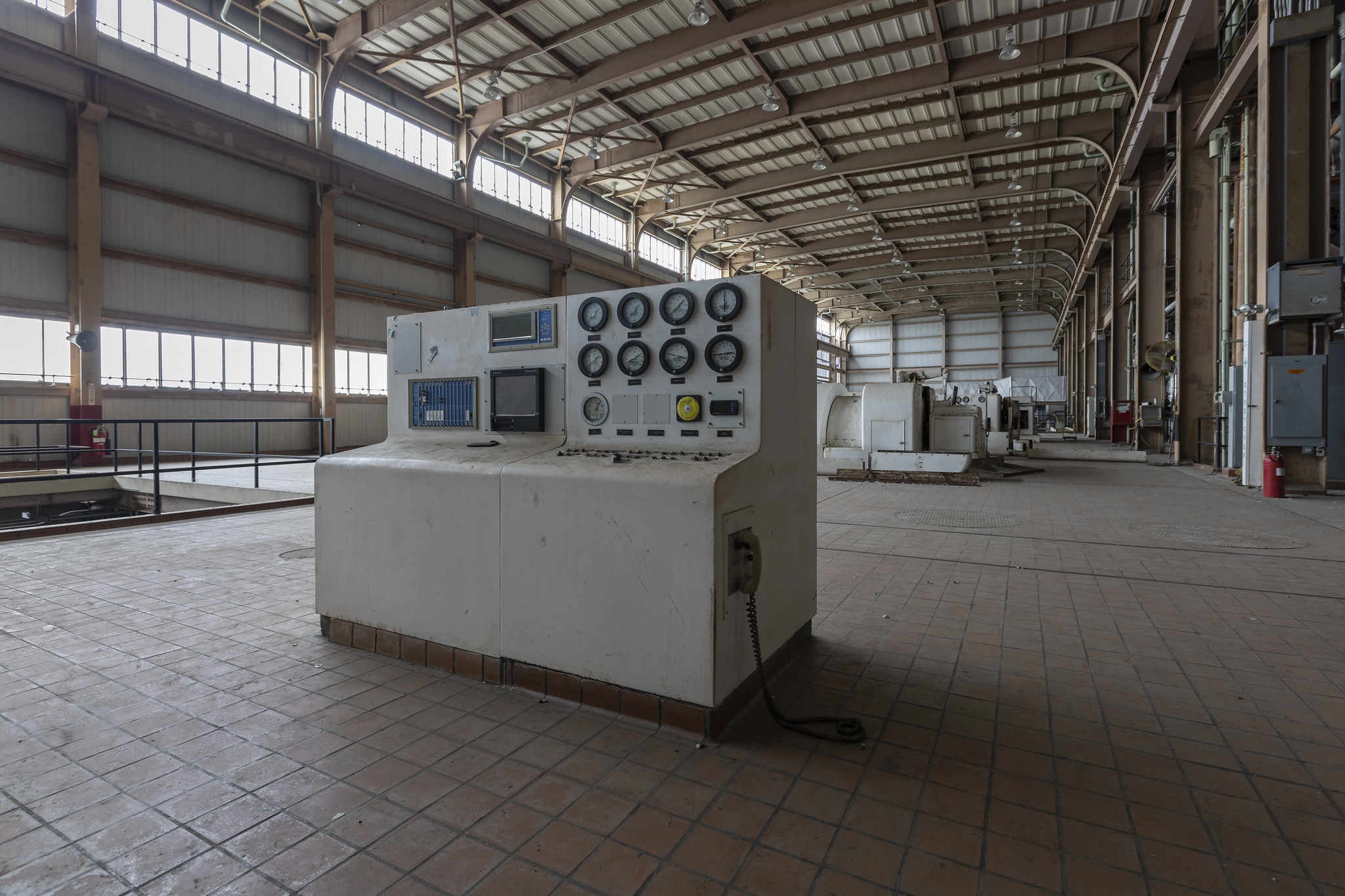
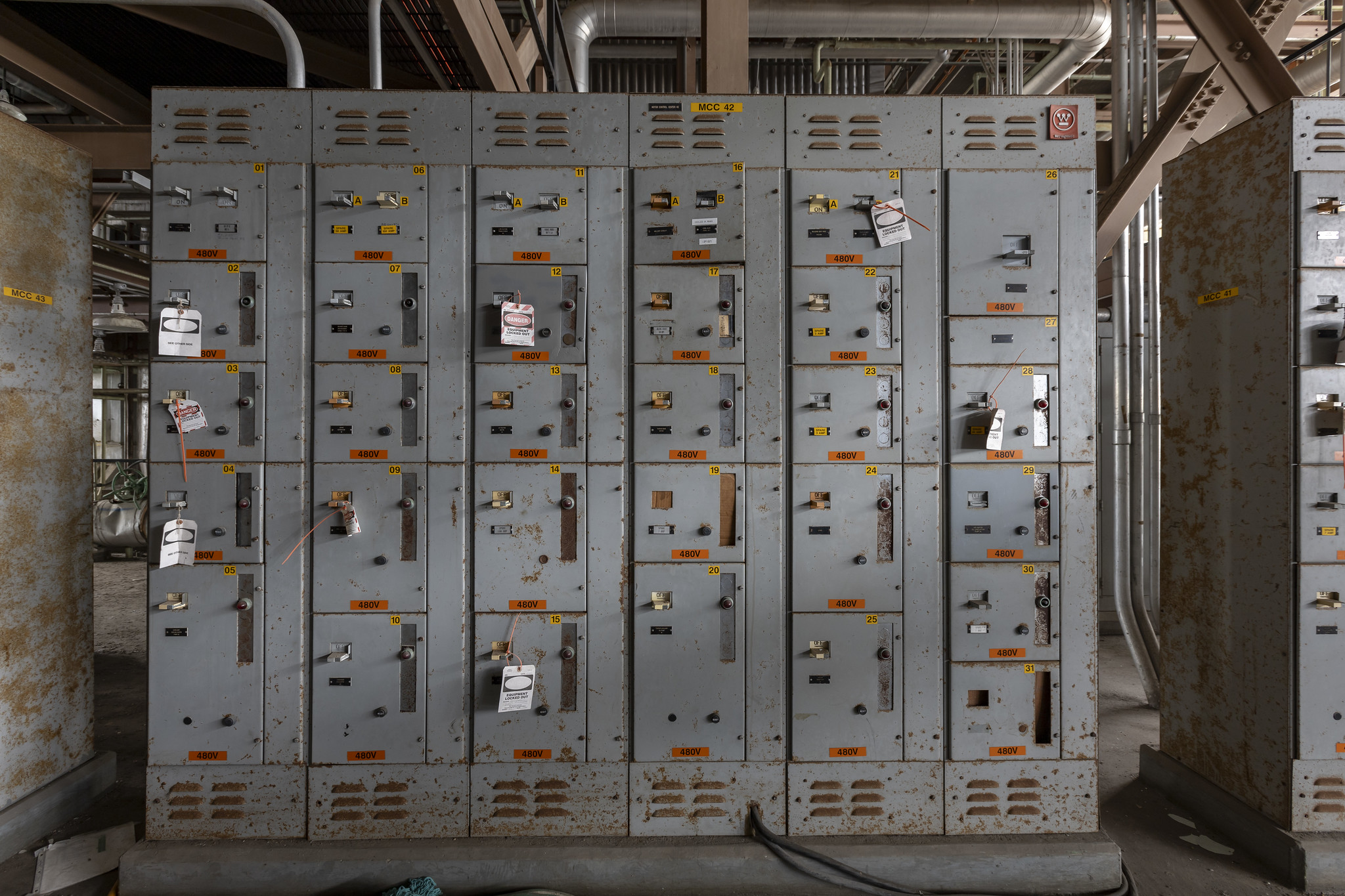
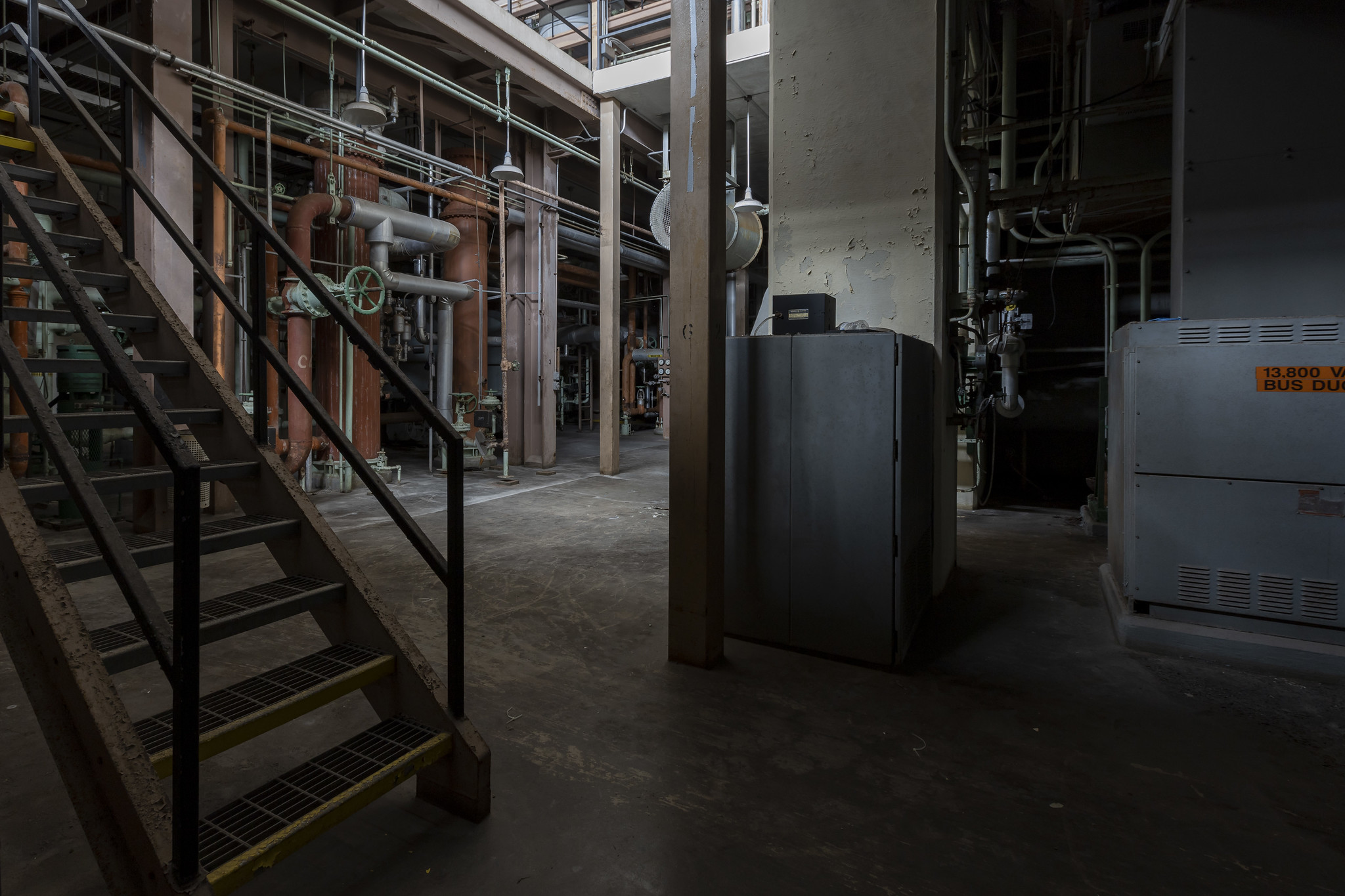
This mid-century power plant was constructed in the 1960s and operated for half a century before decommissioning. The plant has four steam turbines and one combustion turbine system. To produce power the plant burns fuel to heat water to a boiling point to make steam. The steam moves through the turbines to turn the generators that create power for the city. The water used in the steam process must be high quality and free from minerals or nutrients normally found in drinking water. If the power plant used tap water, mineral deposits would build up on the fan blades in the turbines and break down.
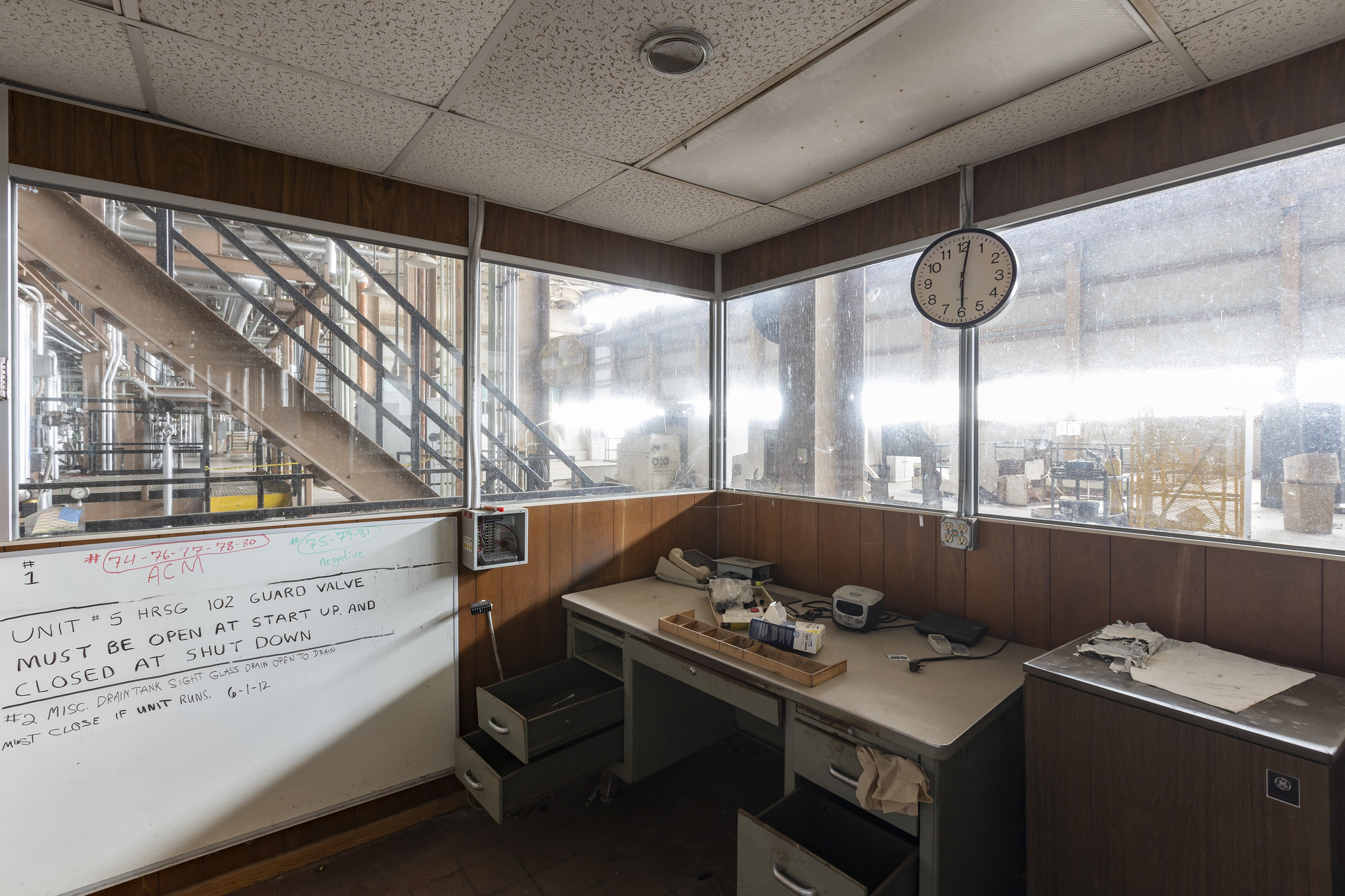
When the plant first came online, it was considered a state-of-the-art modern marvel with a capacity that far exceeded what was needed. By the early 2000s, the power plant was functioning at full capacity supplying power to more than 28,000 customers. When hurricanes threatened the area, plant workers tested the generating units using oil instead of natural gas. In the event of a gas pipeline disruption, the facility can power the combustion turbine system using a diesel engine. It can force-feed electricity to the other four steam-powered units to get them up and running. Also, the power plant had about five days’ worth of oil reserves for operating at half capacity or less than three days if operating at full blast. In addition to its oil reserves, the facility also had manual override and backup units to help keep the city’s hospitals running in case of a power failure.
Closing an electric power plant is more complicated than turning off the lights. It took seven months to complete the process, which included shutting down generators, gutting the building, and laying off 20 employees. By the time the plant shut down nearly a decade ago, it was rarely used. Only three of the five generators were operable, and only on extremely hot summer days or cold winters when electricity use was at its peak. Two of the units were taken offline because they needed major repairs. When the plant closed, it saved the city $4 million in operating costs. Several laid-off employees were rehired at nearby power plants or relocated to other city positions. With each passing day, workers dismantle the plant.












Thanks for reading. Please share the blog with your friends. I appreciate the support.
More recent updates: added history to the Maloof Residence, updated the Central State Hospital blog with recent news, and posted this abandoned funeral home in Alabama.
You can find me on Facebook, Instagram, Twitter, and TikTok. For more amazing, abandoned places from across the Southeast, check out my photography books.
Discover more from Abandoned Southeast
Subscribe to get the latest posts sent to your email.

Interesting!
LikeLiked by 1 person
Nice photos…where is the plant?
LikeLike
Thanks has for the great photos!
LikeLike
Amazing pictures and excellent description of how the plant worked. Curiously you don’t mention the name of the power station or where it is geographically located, also who owned/operated it? You mentioned a City saving operating expenses. When did the plant close?
LikeLike
For now, I left out any identifying information. Perhaps in the future I can go into more detail. The plant closed in 2015.
LikeLike