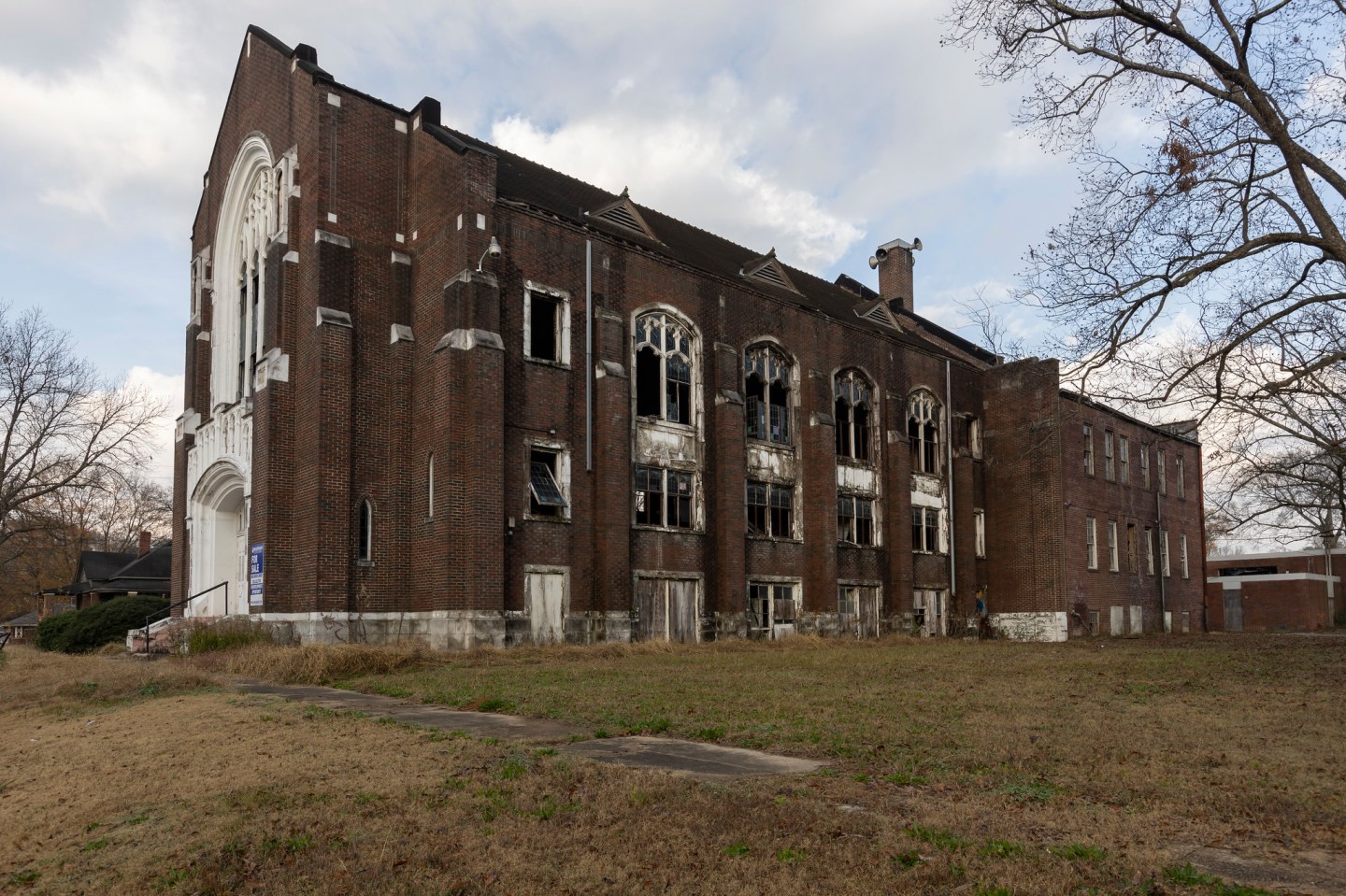
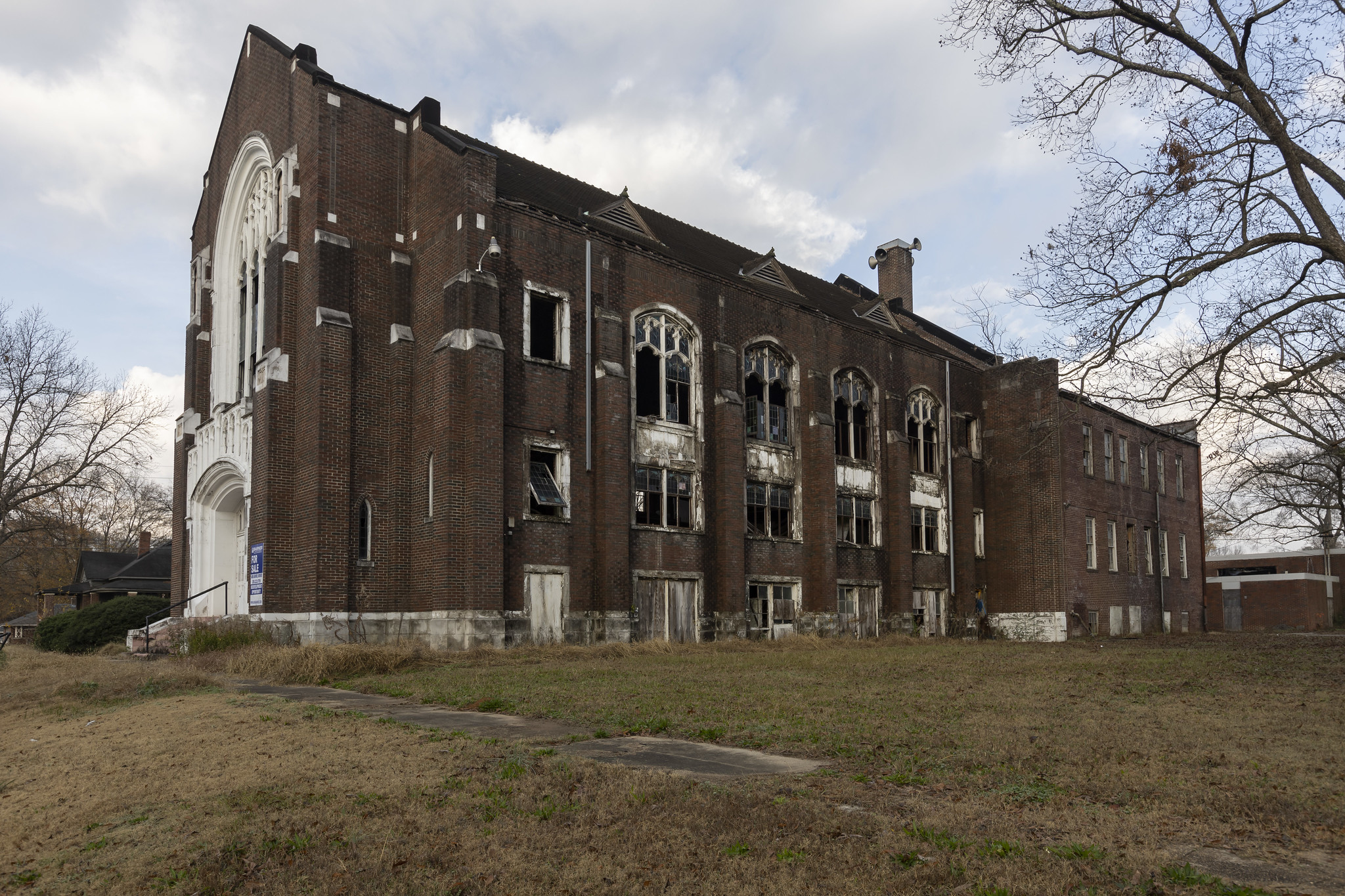
Founded in 1884, Mount Vernon Methodist Church is among the oldest churches in North Birmingham. The congregation first gathered in the home of William M. Owens before moving to a modest frame building at the corner of 33rd Avenue and 22nd Street North. The church’s name, chosen in honor of President George Washington’s home, was suggested by Elizabeth Truss.
As part of the Birmingham circuit, the church was served by several pastors, including A. J. Copeland, G. L. Jenkins, J. W. Carey, George Stoves, C. M. Hensley, W. P. Blevins, and J. L. Ferguson. In 1902, the congregation became an independent station, and Reverend J. W. Johnson was appointed its first pastor.
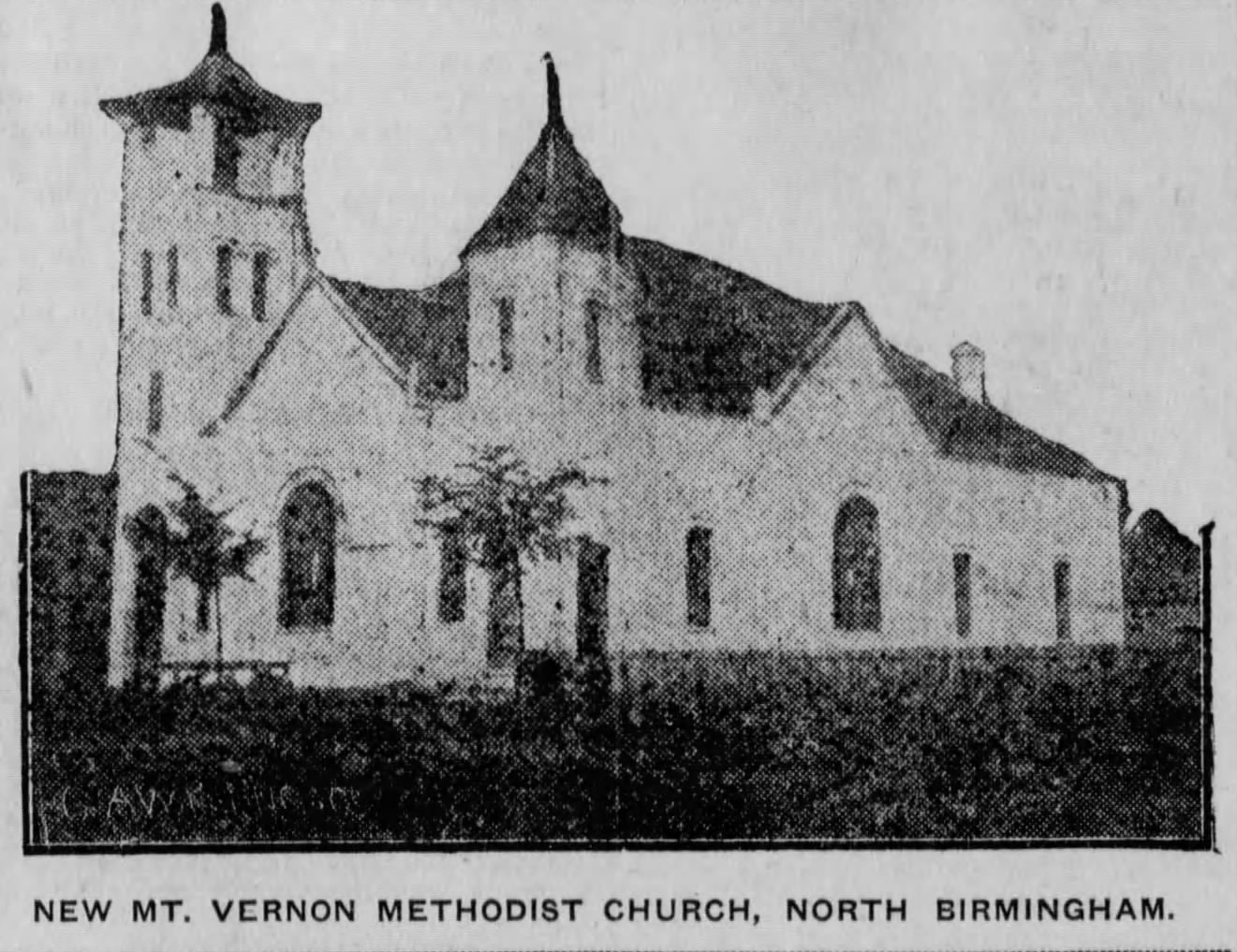
On March 8, 1904, church members gathered to begin planning for a new brick sanctuary. During the meeting, the congregation raised $2,000 and established a building committee to oversee the project. A new site was selected two blocks from the original church, offering easier access to the North Birmingham streetcar line.
R. M. Johnson designed a new $6,000 church building, which would accommodate 700 worshippers and include three Sunday school rooms. The cornerstone was laid on June 26, 1904. Constructed from light-colored “sandstone brick” produced by the Birmingham Lime & Cement Company, the new sanctuary reflected both the congregation’s growth and the community’s ambitions at the turn of the century.
Reverend William M. Harris arrived at Mount Vernon Methodist Church in 1923 and served the congregation until 1930. During his tenure, the church undertook an ambitious expansion program, borrowing $60,000 to construct a new sanctuary and parsonage.
In 1927, the architectural firm Brodie & Sherman began preparing plans for the new facilities. By the time construction commenced that August, the project’s budget had increased to $100,000, reflecting the scale and aspirations of the growing congregation.
Rev. Harris left Mount Vernon in 1930 to serve the Gadsden District, but he returned to the church in 1934. Upon his return, he led a successful campaign to retire the church’s remaining debt, helping to secure the congregation’s financial stability during a challenging period.
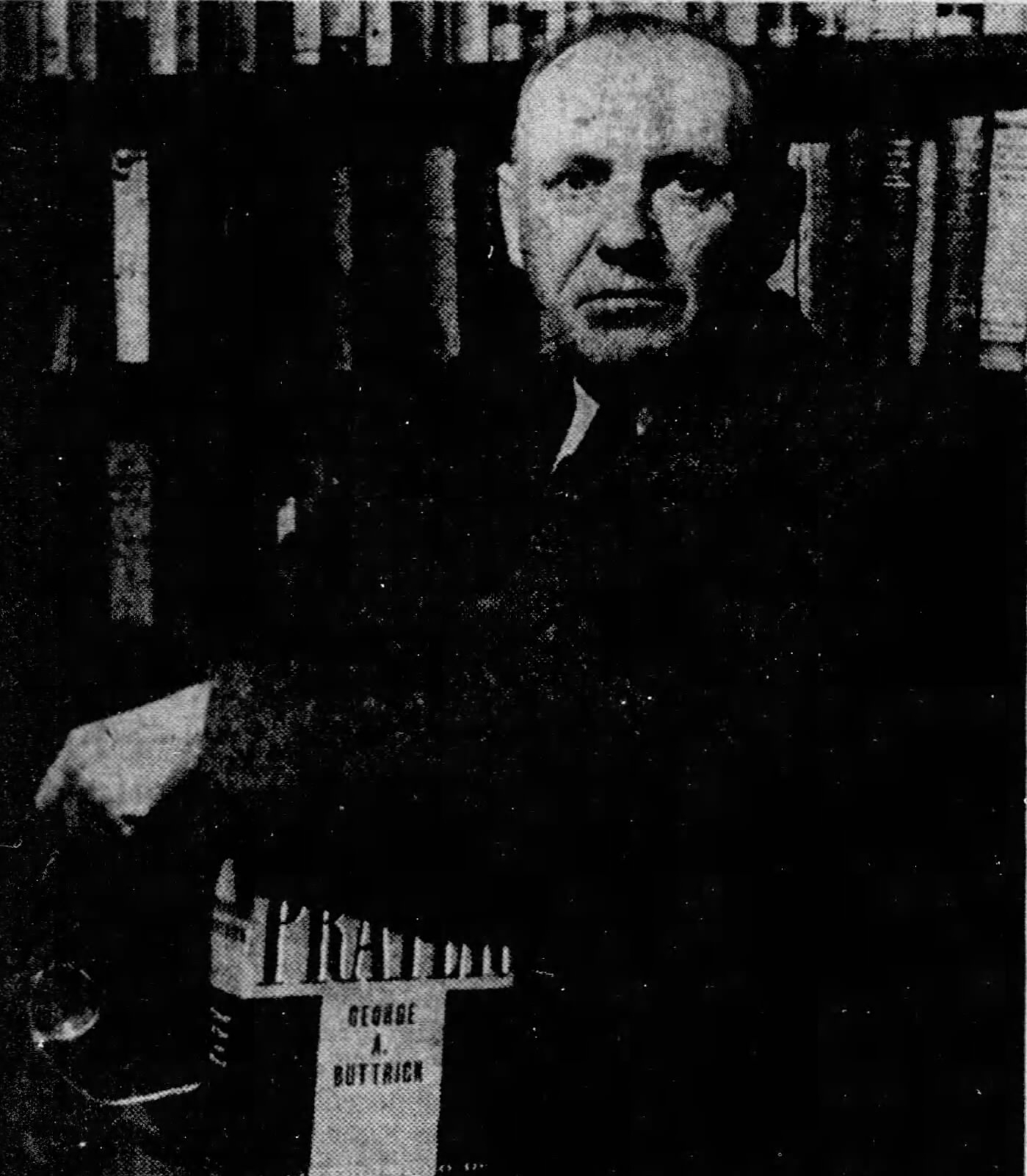
By 1948, Reverend William M. Harris had celebrated his 21st year as pastor of Mount Vernon Methodist Church and had grown the congregation from 700 to 1,600 members. At the time, his tenure was the longest in the history of any Methodist church in Alabama and among the longest in the South. In November 1947, Rev. Harris was scheduled to be transferred to Gadsden to serve as district superintendent. However, church stewards met with the presiding bishop to advocate for his continued leadership, and he ultimately remained at Mount Vernon.
Beyond his pastoral work, Rev. Harris played a prominent role in the civic life of North Birmingham. He helped organize the area’s first Lions Club and served as its inaugural president. He also assisted in establishing the North Birmingham Merchants Association. Within the church, he developed a progressive youth character-building program that became an important part of Mount Vernon’s ministry.
During the late 1940s, new chimes were installed at the church through a gift from local businessmen J. H. Berry Jr., A. J. McCurry, and M. B. Huffstutler. Dr. Harris and his wife raised four children—two sons and two daughters. Their sons, both Army veterans, graduated from the medical school at the University of Pennsylvania, while their daughters attended Birmingham-Southern College. In 1948, one of the Harris daughters was married at Mount Vernon Methodist Church, further tying the family’s legacy to the congregation.
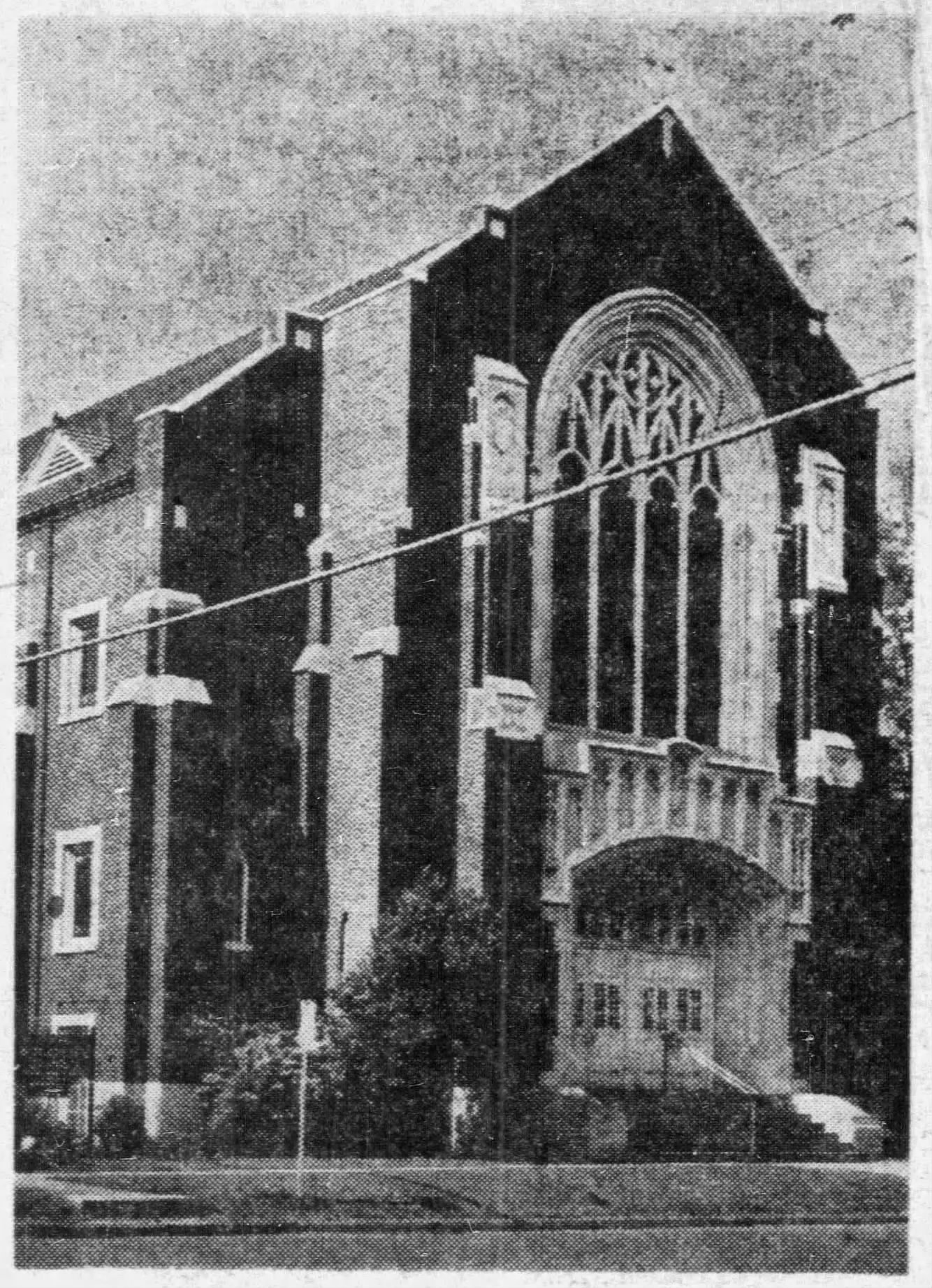
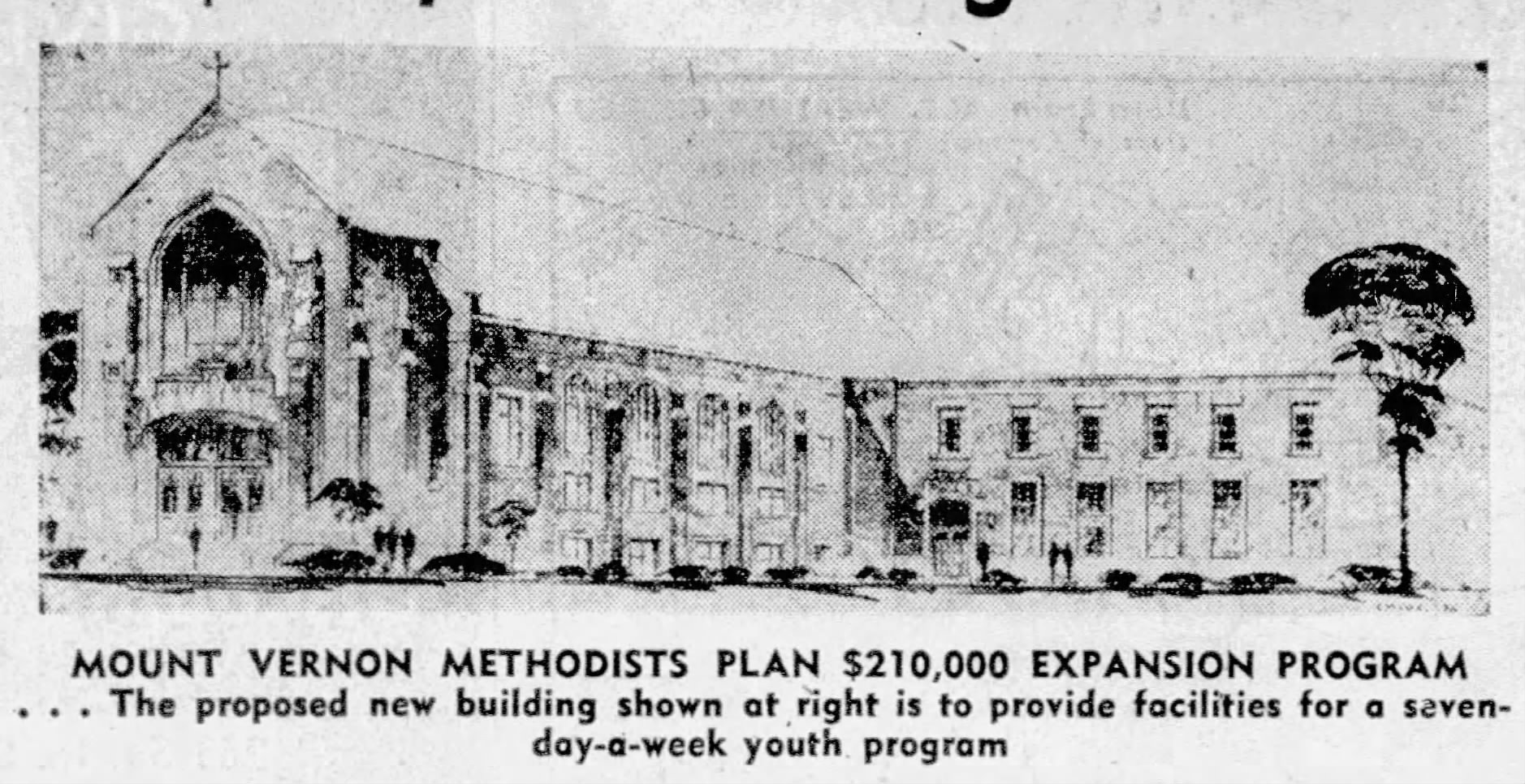
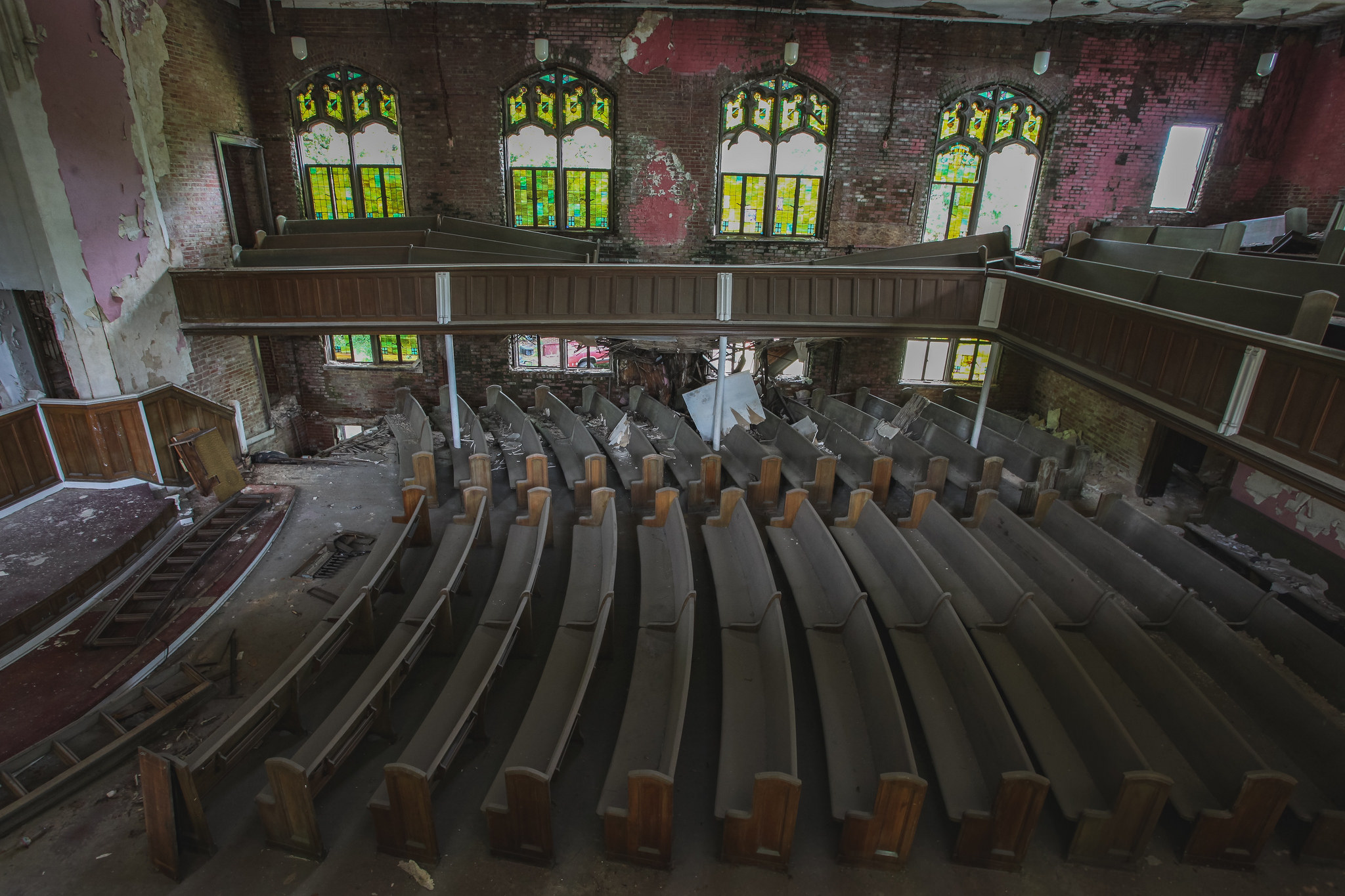
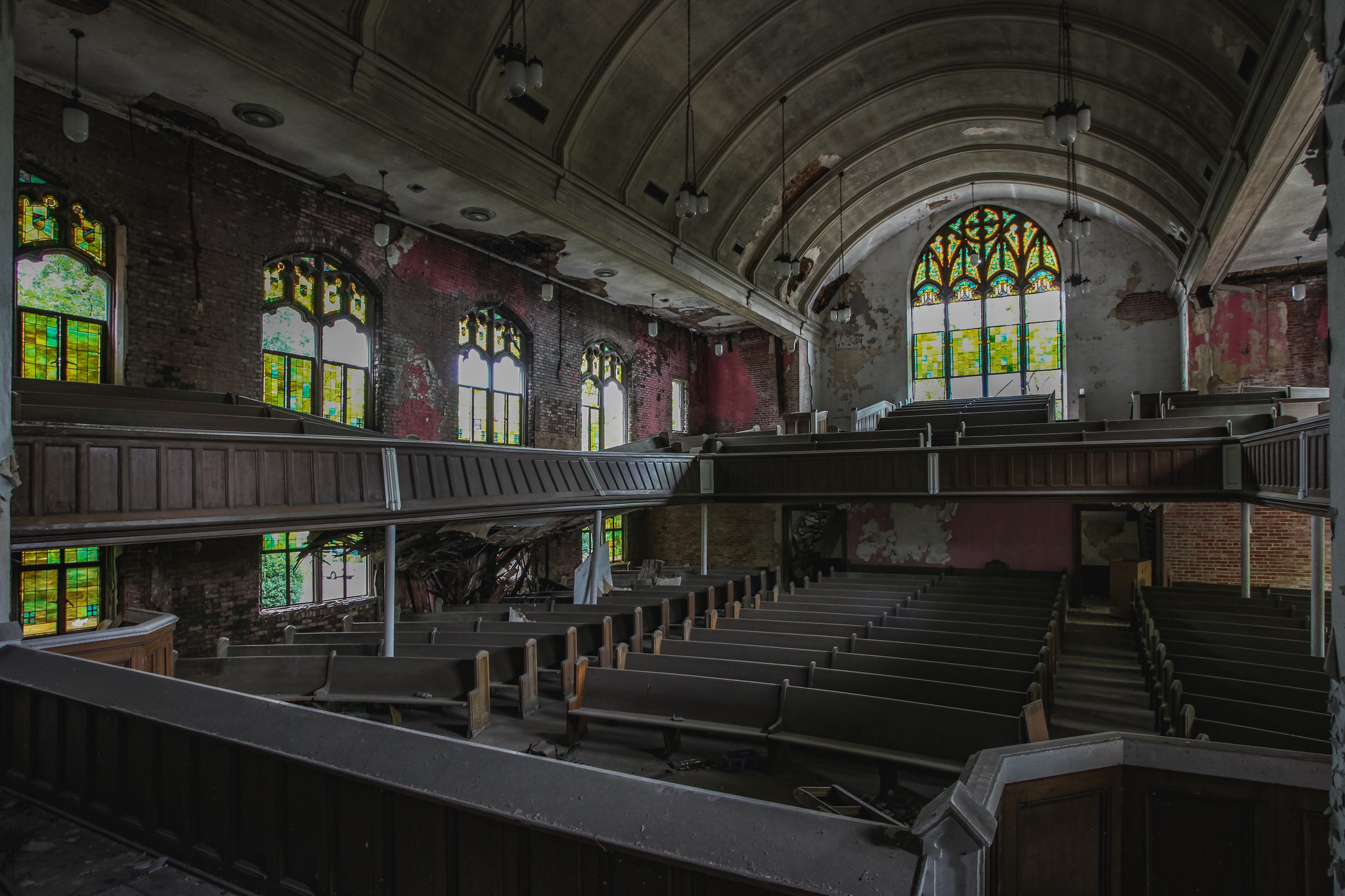
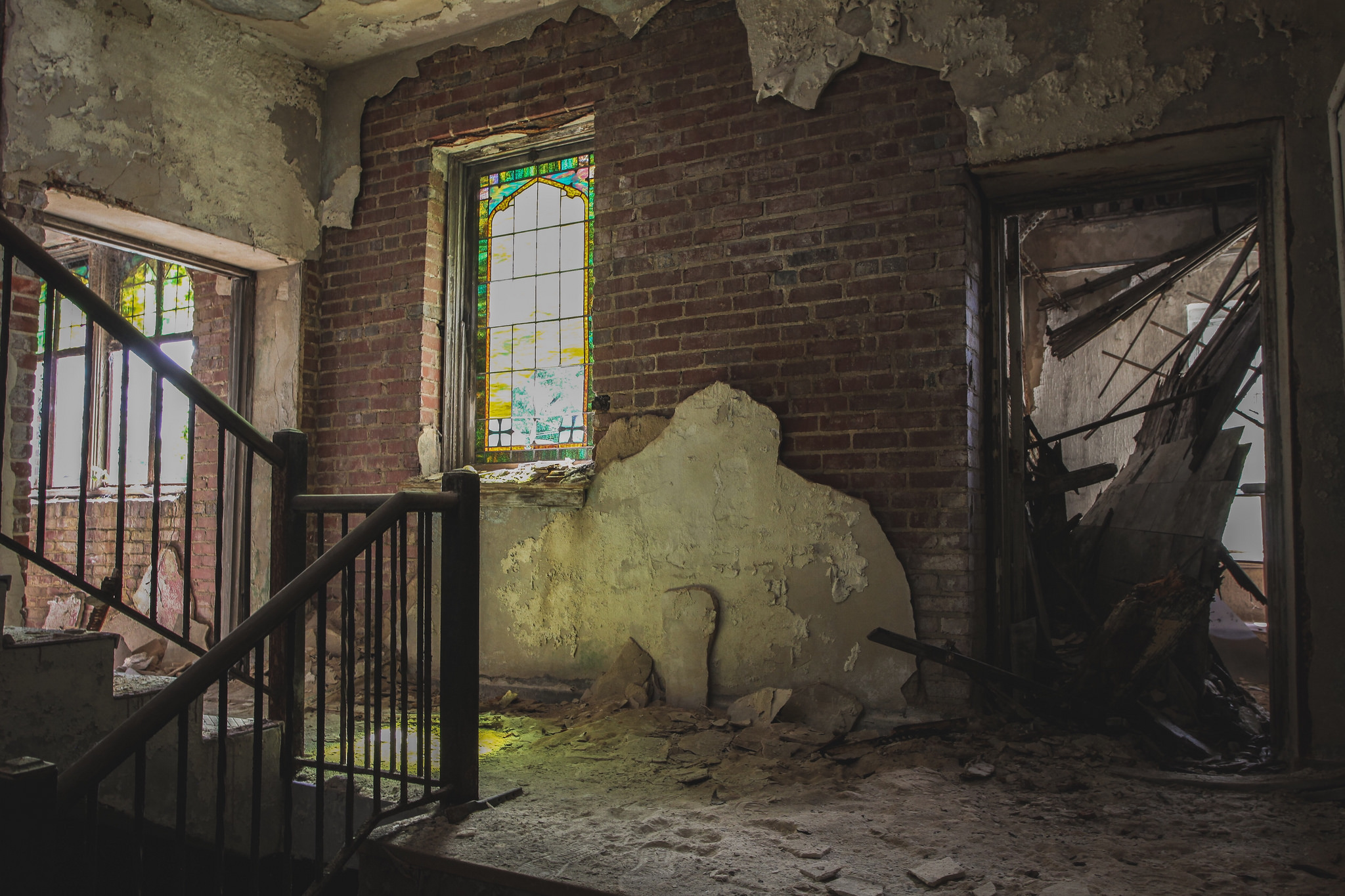
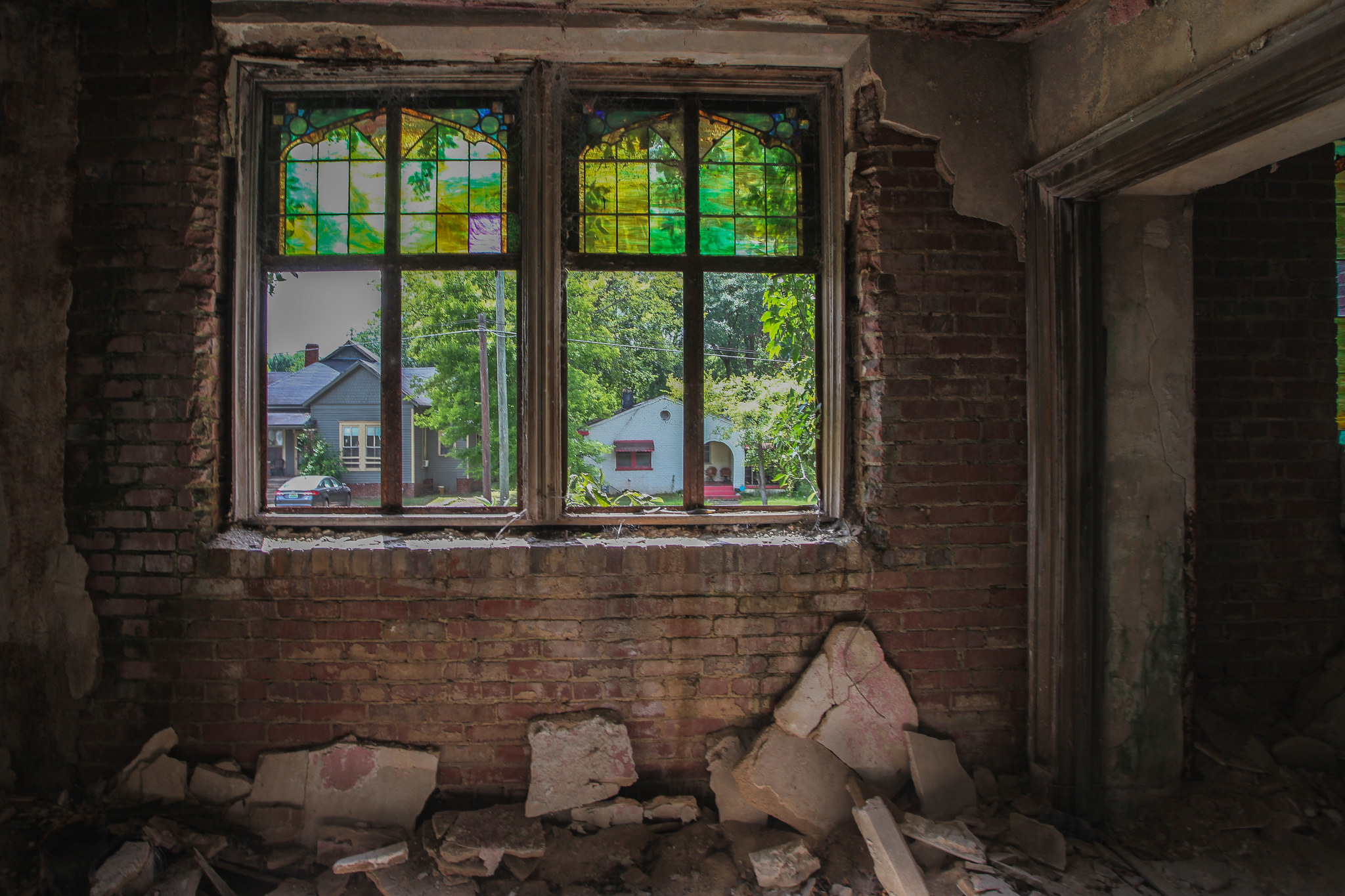
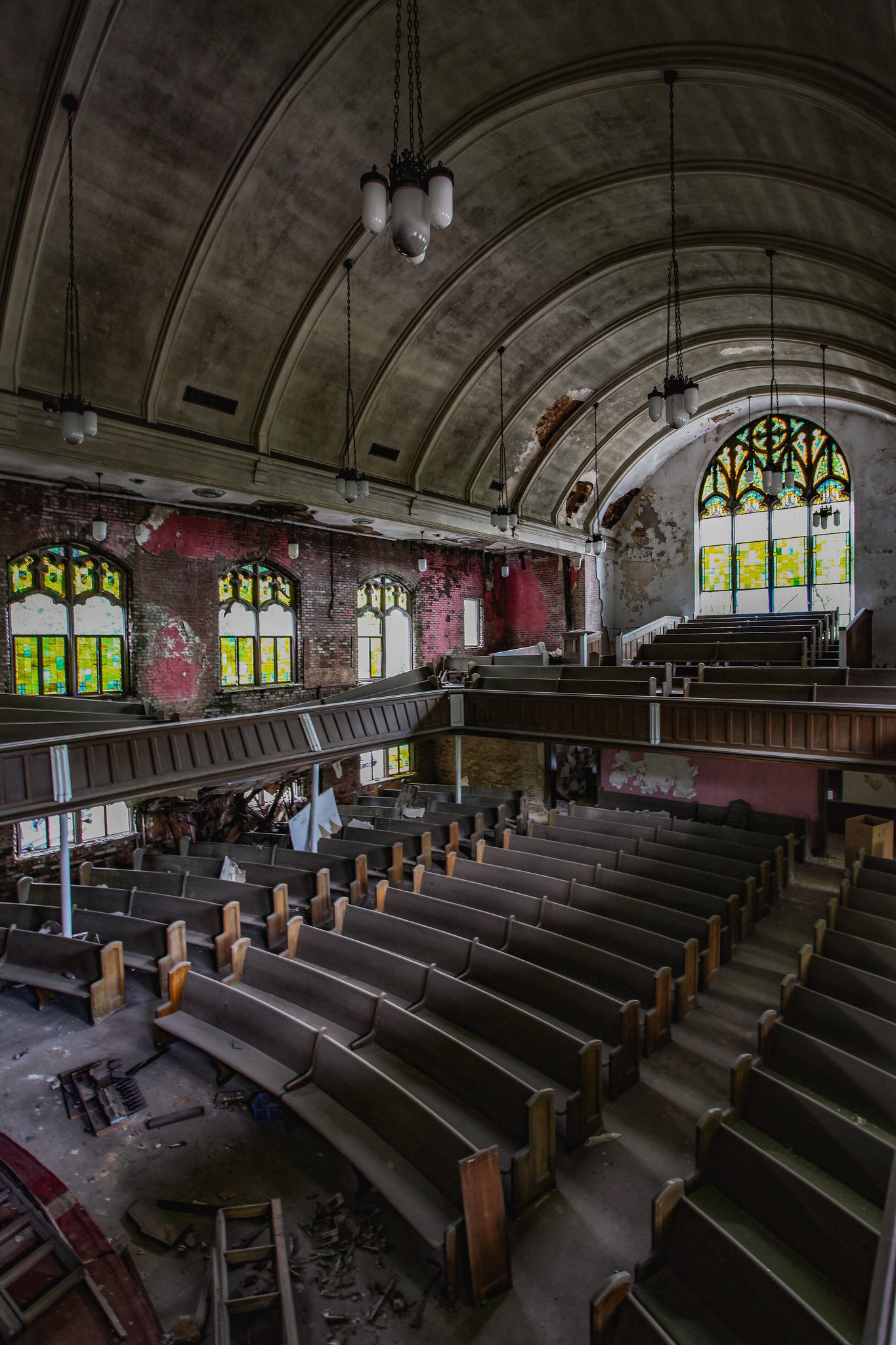
In 1957, Mount Vernon completed a $210,000 youth education building, followed by a $150,000 activities building in 1963. During the next two decades, church membership steadily declined as families moved out of Birmingham. On June 1, 1975, the congregation voted to merge with Gardendale United Methodist Church, which was facing an eventual loss of its building due to Interstate 65. The congregation met in two locations until the new Gardendale Mt Vernon United Methodist Church was completed. The pipe organ and most of the stained-glass windows were removed and used in the new church.
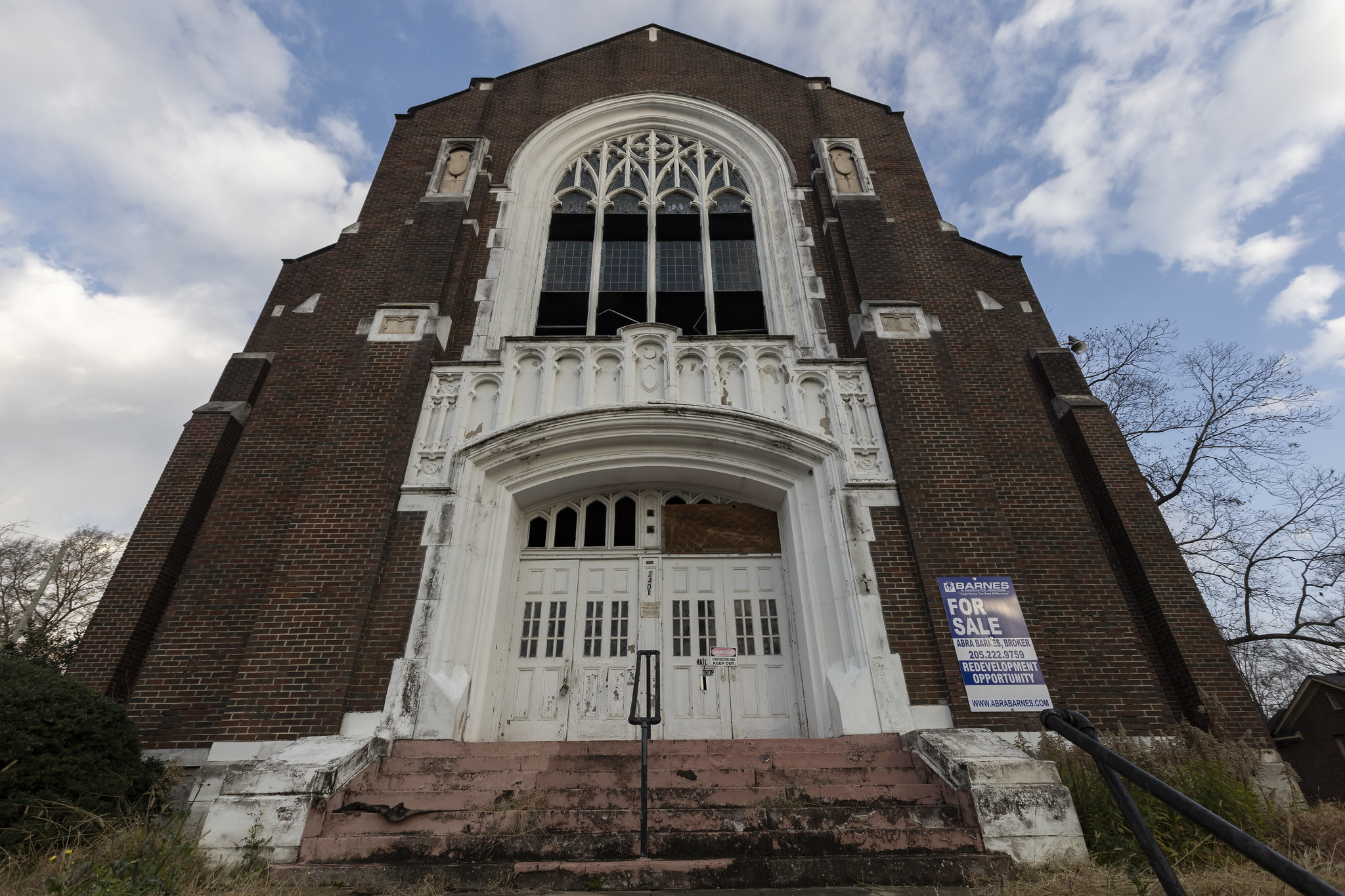
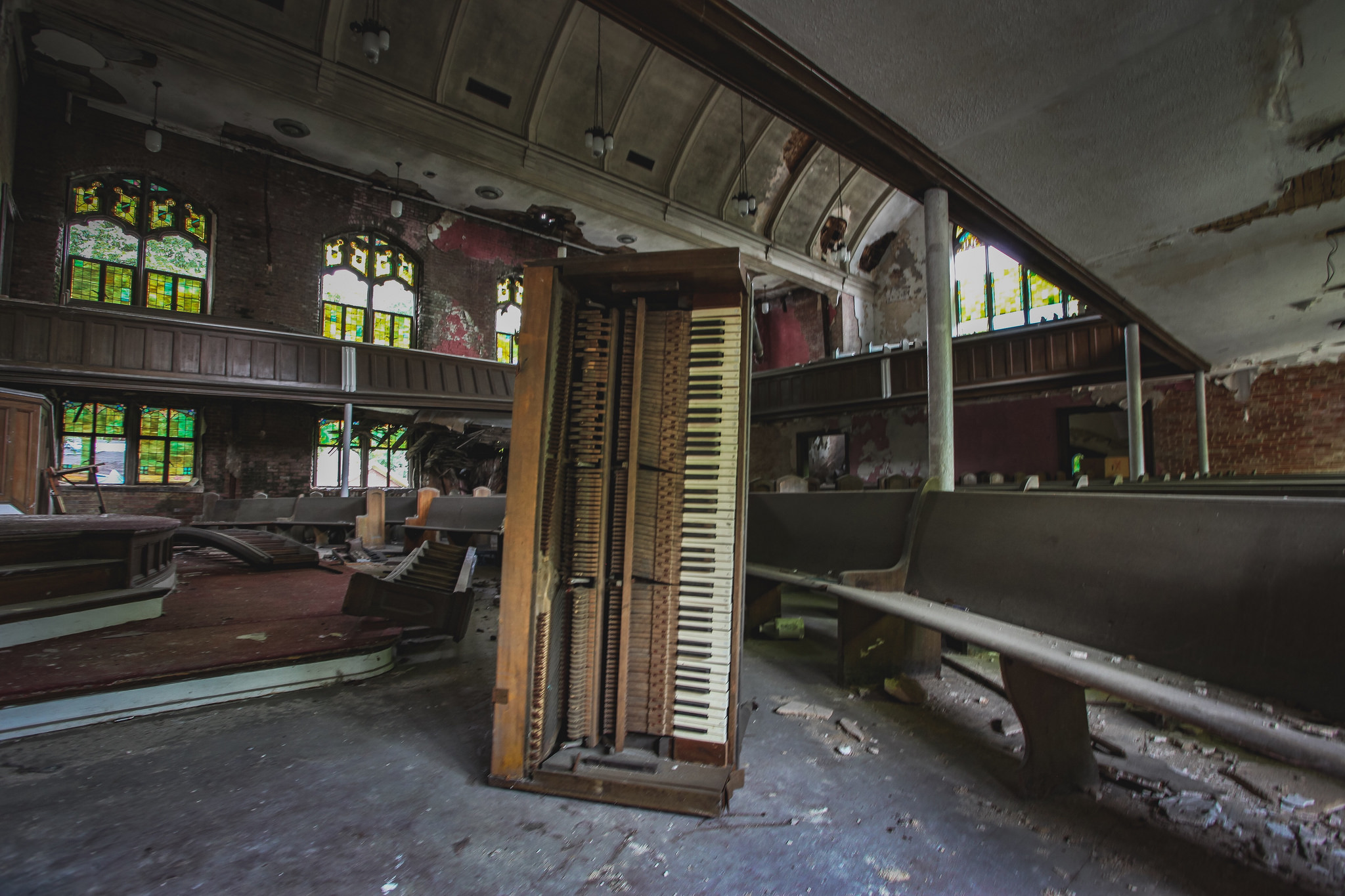
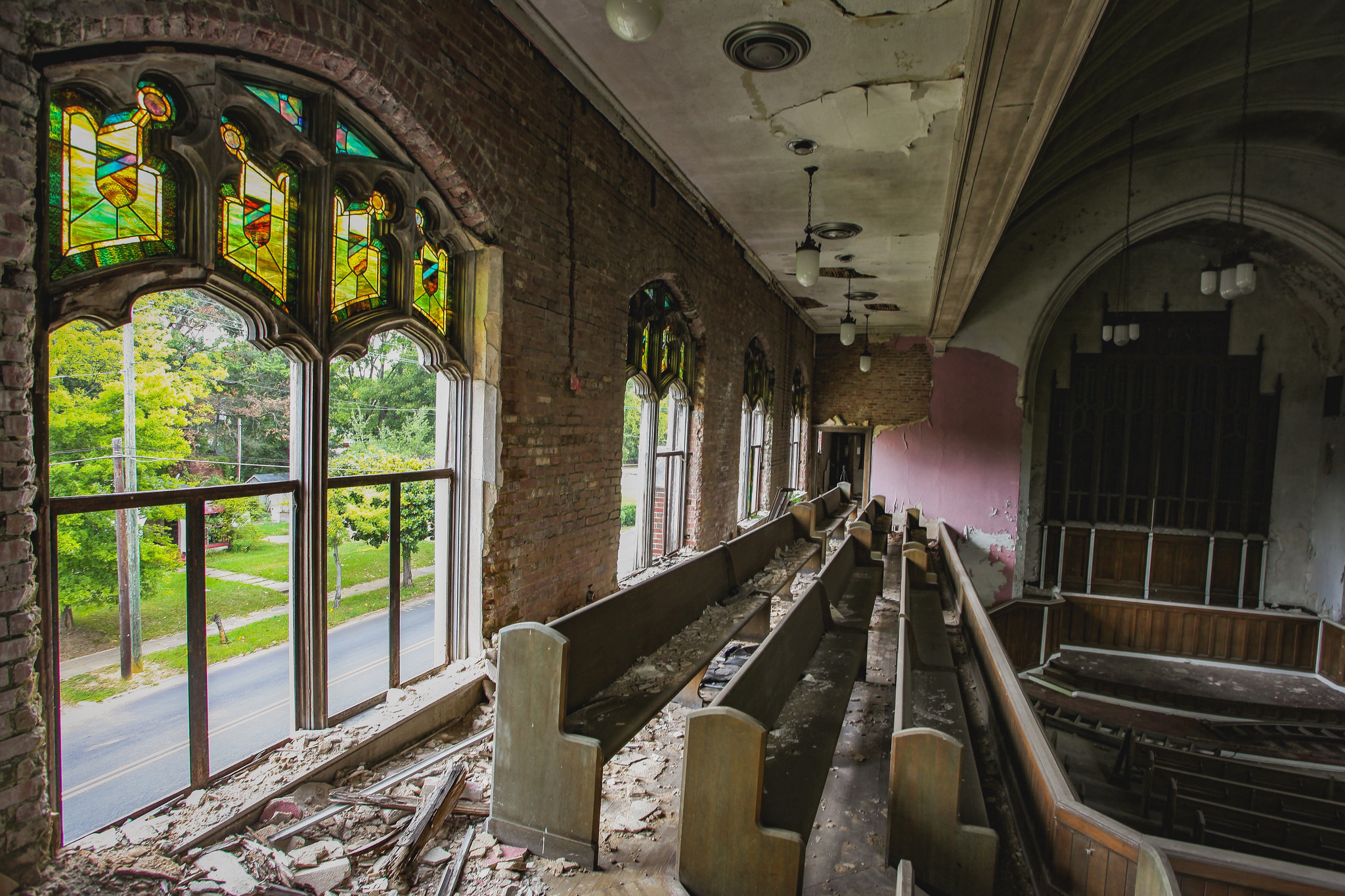
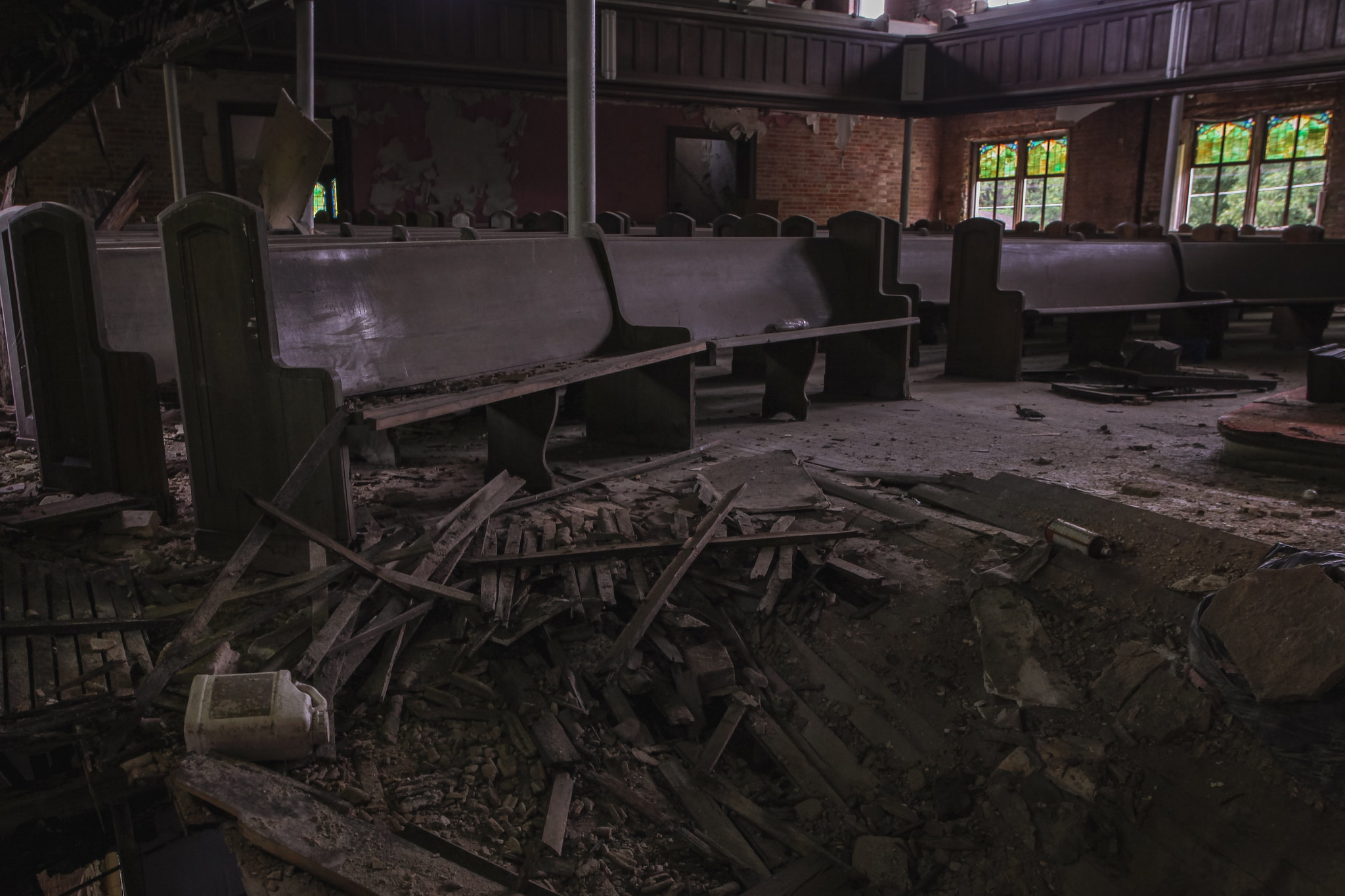
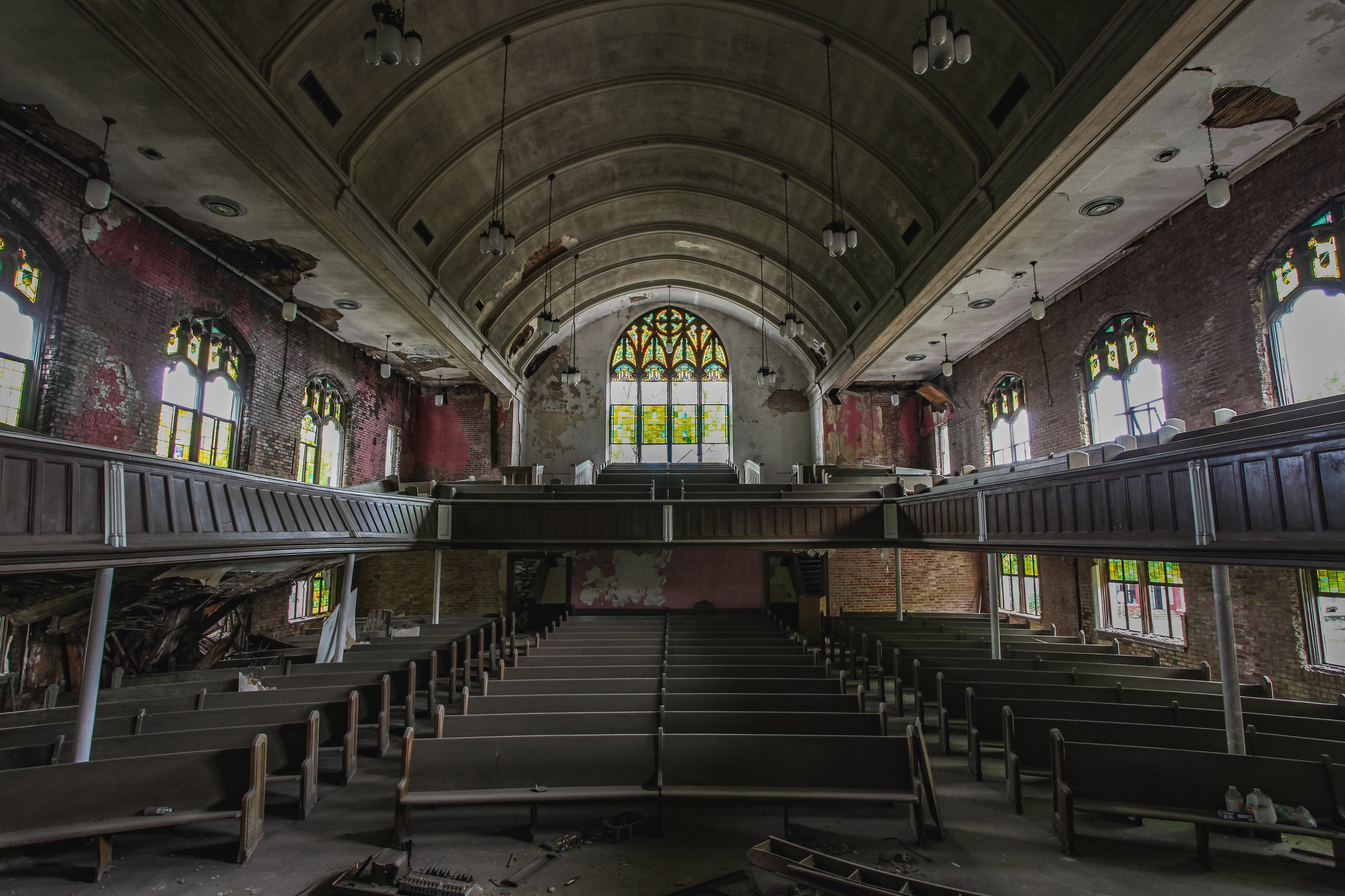
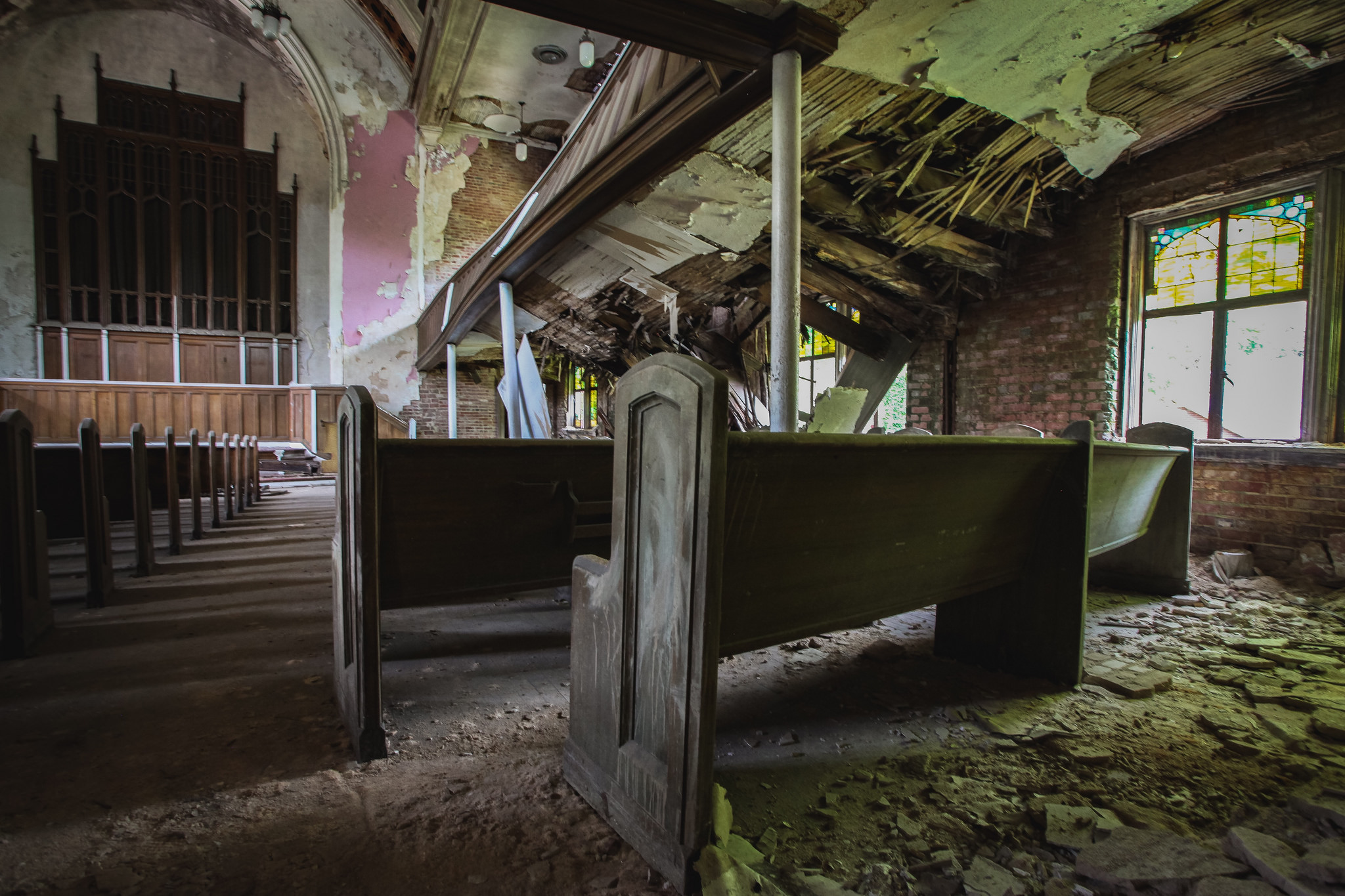
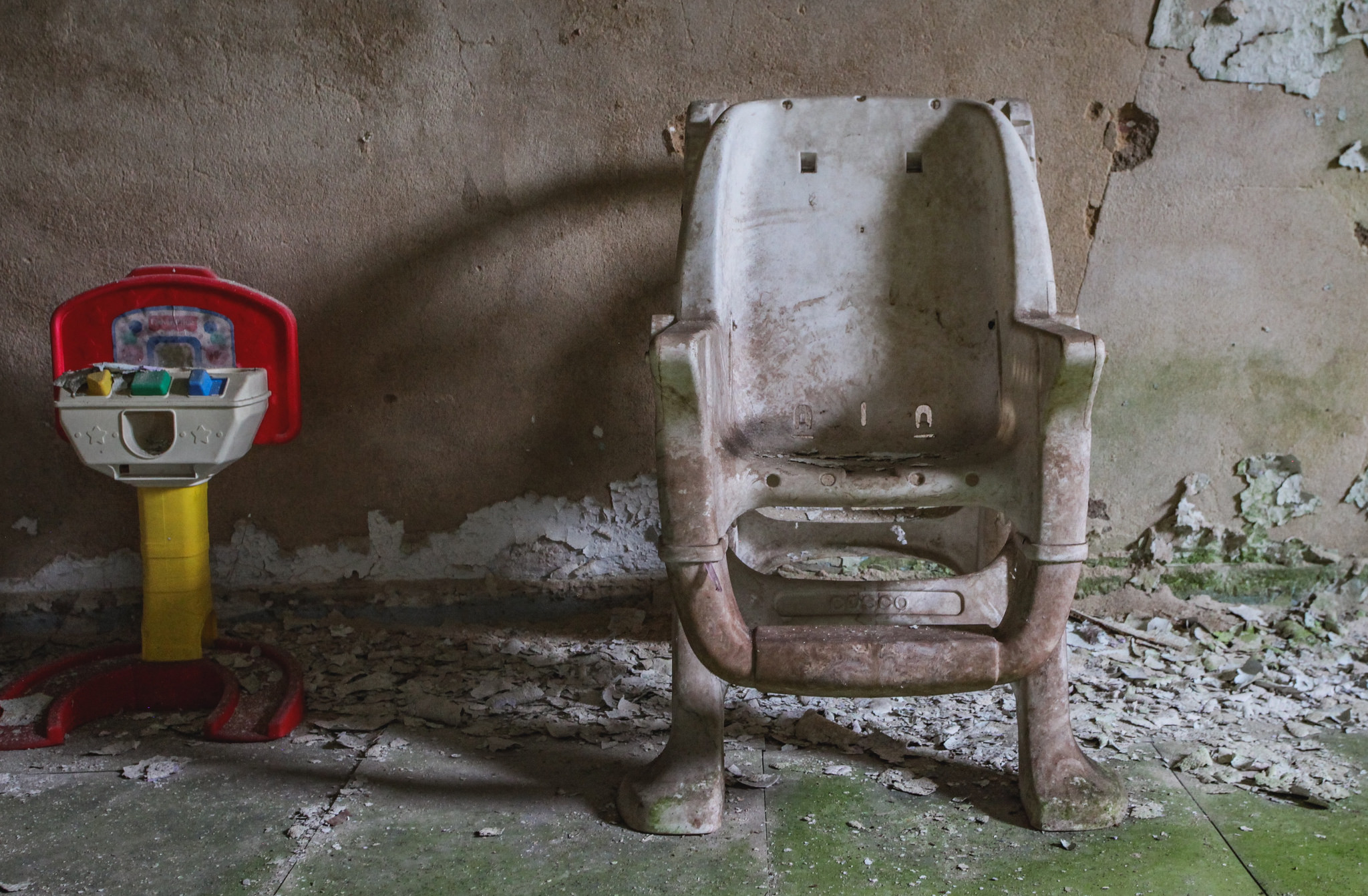
The former church building was acquired by Faith, Hope, and Charity Ministries and served as the home of Faith College and the King Kids Academy in the early 1980s. Former Daniel Payne College president J. King Chandler III was shot to death by a man he was giving a ride to after leading a seminar at the building on November 10, 1981. Decades of neglect have left the former church in severe disrepair. After years of neglect, the building was razed in January 2026.
Thank you for reading. I appreciate your support. Please share the blog with your friends. You can find me on Facebook, Instagram, and TikTok. For more abandoned places from across the city, check out my book Abandoned Birmingham.
Discover more from Abandoned Southeast
Subscribe to get the latest posts sent to your email.

Oh, this does look in a sorry state…
LikeLiked by 1 person
I love reading your posts. It’s so cool what you do.
LikeLiked by 1 person
Thank you for following my blog
LikeLike
As far as I know, the property is not for sale.
LikeLike
I don’t have any info on the owner. Sorry
LikeLike
This is a facinating history. In your research did you learn where the AME church began? I grew up in Birmingham and was always perplexed when I would see that as part of the name. I think I was told that it stood for African Methodist Episcopal. I could not figure out how that mix ever came into being; it just seemed so odd to me.
LikeLike
That is interesting. Why such a place would be abandoned for so long.
LikeLiked by 1 person
The inside of this churvh is very similiar to the First United Methodist church on Arlington Avenue and 19th street in Bessemer. The congregation merged in with another church probably about 10 yrs ago. Old buildings are sad when they are left alone.
LikeLike
Such a beautiful building. Such a horrific waste. “Restore us again” comes to mind. Thank you for the history you bring.
LikeLike
Are you sure? It said Wurlitzer Organ on the side of it. I figured it was an electric organ.
LikeLike
Wurlitzer also made pianos. This looks to be a piano.
LikeLike
It is a shame that the owner did not try and sell the seats for the wood and salvage all the windows. People that buy these old properties sometimes have no idea what it will cost. There are still things that could be salvaged and sold, letting these beautiful things sit and rot is never in anyone best interests. So Sad………
LikeLike
Very interested
LikeLike