
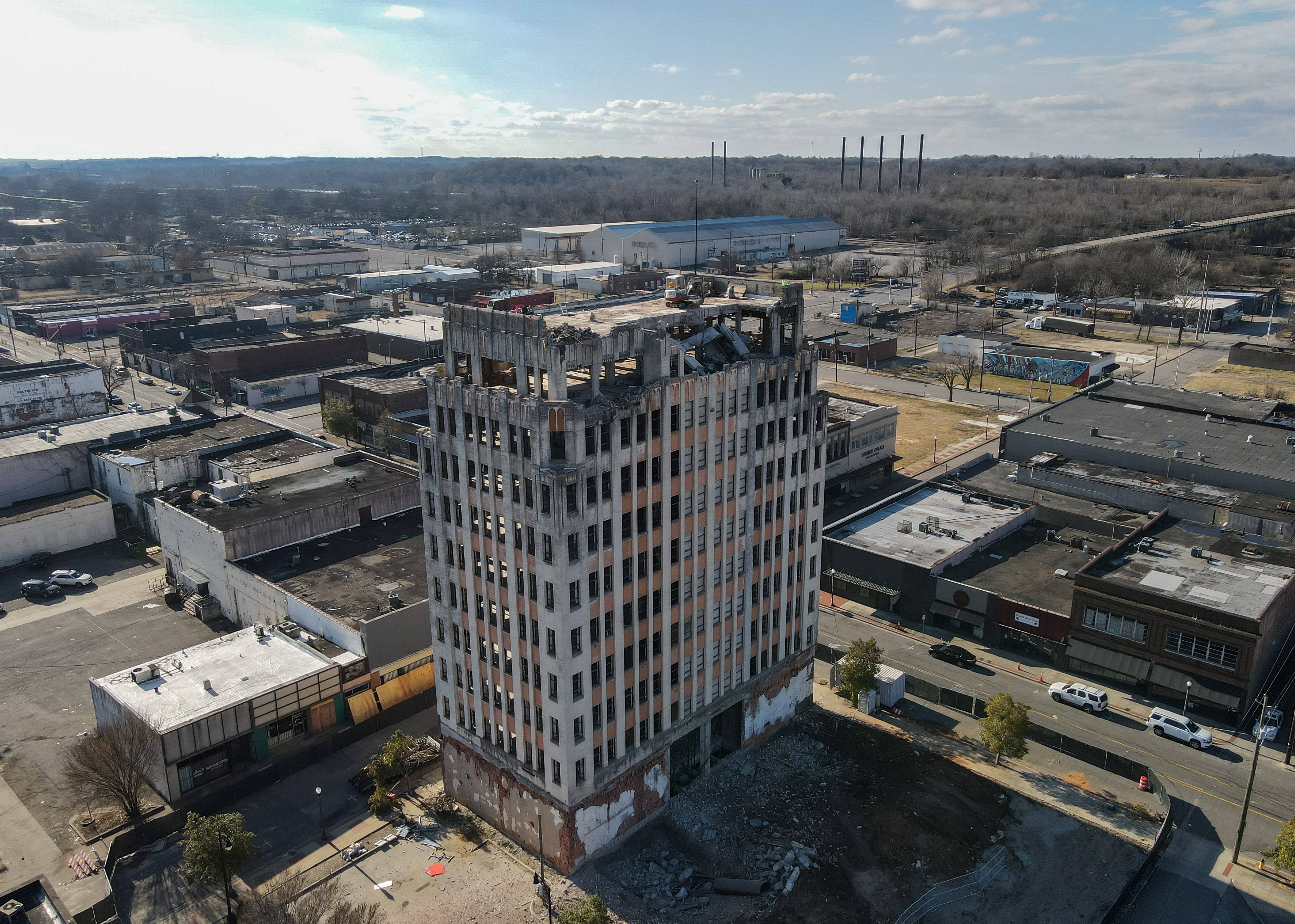
The Ramsay-McCormack Building, also known as the Bank of Ensley, was a 10-story office tower on the corner of Avenue E and 19th Street in downtown Ensley, Alabama. The 144-foot-tall Art Deco-style building was completed in 1929. Investment partners Erskine Ramsay and Carr McCormack of the Ramsay-McCormack Development Company announced the project in 1926 as a 6-story tower costing roughly $200,000. However, at Ramsay’s suggestion, the tower was extended to 10 stories including a 2-story mechanical penthouse and basement. The building was demolished in October 2020 for redevelopment of the site.
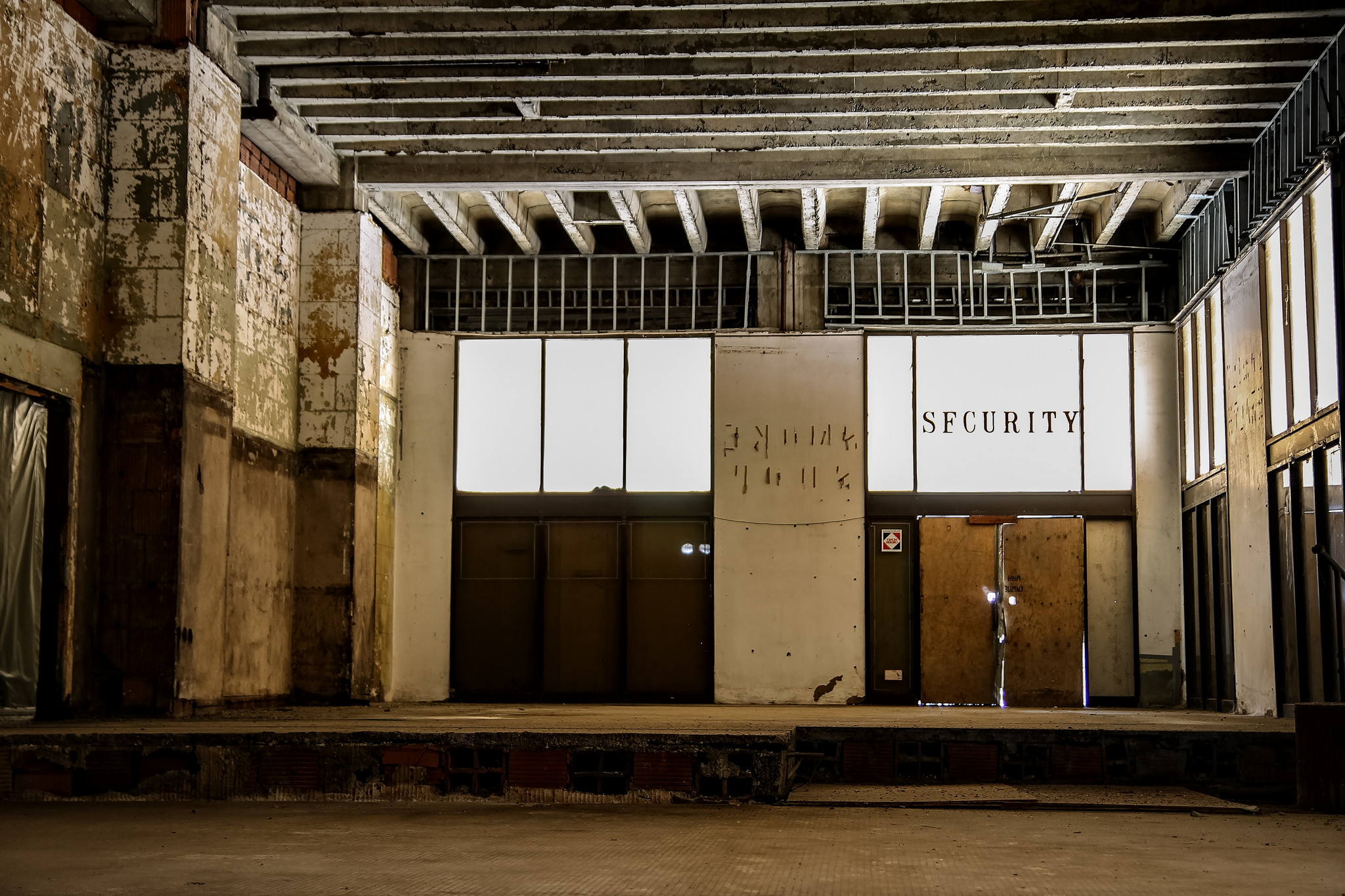
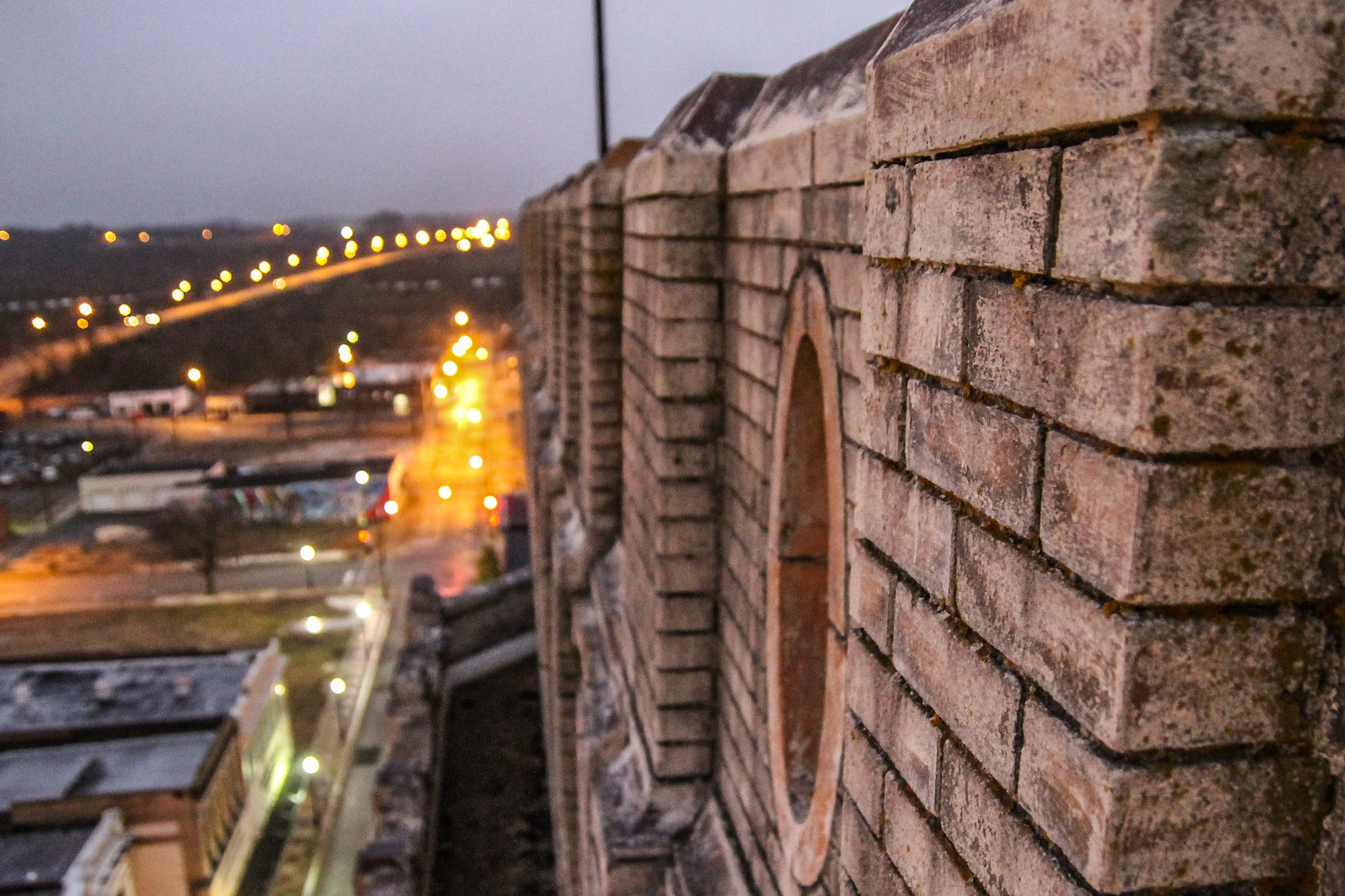
It was constructed of a cast-in-place concrete frame with perimeter columns and one row of interior supports. The frame was filled in with structural clay walls and wrapped in beige brick. The ground floor is trimmed in brown granite and terra cotta. A barrel-vault coffered plaster ceiling highlights the lobby hallway along with Alabama marble floors and walls. The building held the title of the tallest building in Ensley.
The ground floor housed the Bank of Ensley, as well as the developer’s offices and the offices for U.S. Steel. The tenant space was never completely leased. Rumors that TCI Steel may relocate from the Brown Marx Tower never materialized. Despite a 1970 renovation, the closure of the nearby U. S. Steel’s Ensley Works left much of the office tower vacant. The Ramsay-McCormack building permanently closed its doors in 1979.
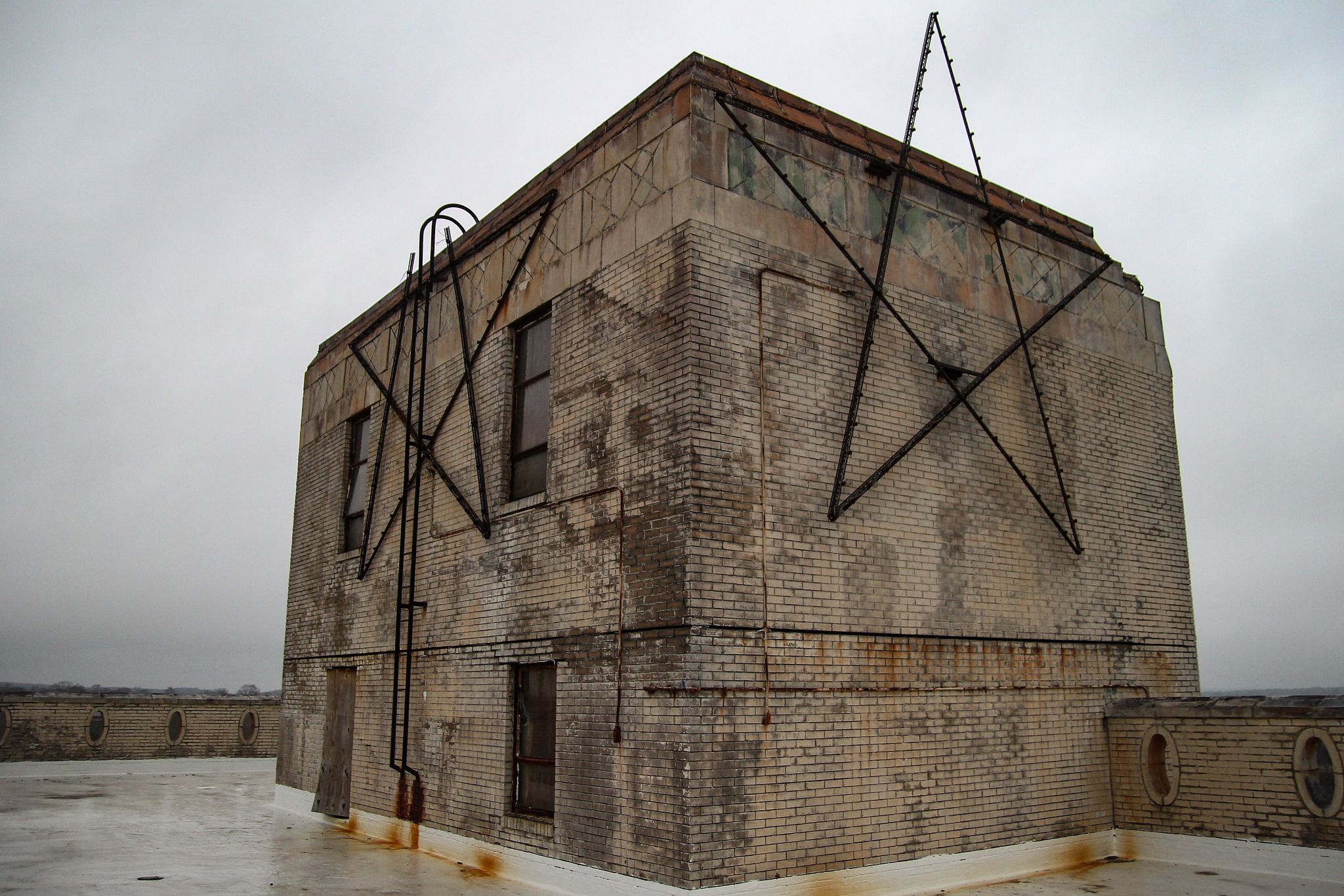
The City of Birmingham acquired the Ramsay-McCormack building in 1983 for $1. It was listed on the National Register of Historic Places in 1984 and has been empty since 1986. At some point, two large illuminated five-point stars were mounted on the elevator penthouse as a Christmas decoration. In 1998, the City of Birmingham funded a study to determine if the tower could be renovated. The study found numerous deficiencies in the soundness of the balcony and roof levels. Asbestos was also found in some of the interior finishes and pipe insulation. The study concluded that the best use for the Ramsay McCormack Building would be low-income apartments. The proposal never moved forward.
Over the next decade, the tower continued to deteriorate. In an effort to save the building, the Alabama Trust for Historic Preservation added it to its 2008 “Places in Peril” list. The same year, a New York-based investor proposed to renovate the property into senior apartments if the City of Birmingham removed the lead and asbestos.
After the deal fell through, Antonio Spurling, a local attorney, filed a lawsuit against the city for not maintaining the property. Loose bricks and falling debris were among the many concerns of the neighboring businesses. The lawsuit was dropped after a city attorney promised the renovation would move forward. Mayor William Bell said the renovation would be done or the office tower would be demolished. A year later, no progress had been made.
Spurling filed another lawsuit against the city seeking to force either demolition or renovation of the Ramsay-McCormack building. He dropped the suit when the city pledged to appropriate $900,000 and initiate redevelopment of the office tower. In 2012, with no tangible results of the pledge, Spurling joined other local business owners in a lawsuit calling for the demolition of the building.
In November 2016, Mayor Bell announced a $40 million renovation project to create a Birmingham Public Safety Complex combining the Birmingham Police, Fire, and Municipal Court administrative offices inside the Ramsay-McCormack building. Two days after his announcement, a judge ruled on the 2012 lawsuit from local business owners and issued an order requiring the city to demolish the building. Bell stated his Public Safety Complex would work with or without the historic building. The plaintiffs asked the judge to revise his order to require that the city begin construction by February 2017 and complete the renovations within two years. An April 2017 cost analysis of the renovation returned a budget of $12-14 million.
Mayor Randall Woodin cancelled the plans for the public safety complex. The City Council approved an $80,000 request by the mayor to remove windows and other dangers to the surrounding sidewalks. In August 2018, the city opened proposals from private developers for renovation plans. By November of that year, the city had rejected all of the proposal requests.
In April 2020 it was announced that structural inspections had shown that deterioration of masonry anchors was so extensive, that renovation was not feasible. The developers proposed demolishing the tower and building a new 4-story Ramsay-McCormack building that would be a pedestrian-friendly mixed-use building on the same site, with a planned opening in 2022. Charles Williams & Associates was commissioned to design a building for Ensley District Developers. Innovation Depot, Birmingham Promise, and the Birmingham Office of Business Diversity and Inclusion all signed on as tenants. Like the original building, the new construction will be the tallest building in Ensley.
Demolition of the upper floors began in October 2020, and the remainder of the structure was razed by controlled explosive charges on April 13, 2021. Nearby business owners were caught offguard as the timing of the implosion had only been communicated to attendees of an online meeting two days prior. Brian Rice, who was in the process of redeveloping several nearby properties and was president of the Ensley Business Alliance, complained to the Jefferson County Department of Health about the potentially hazardous cloud of debris in the air.
Progress on the new building was delayed by issues relating to the COVID-19 pandemic. In April 2023, Williams Blackstock Architects presented an updated 5-story, 30,000 square-foot proposal to the Birmingham Design Review Committee, which approved the design unanimously. Ensley District Developers will guide the reconstruction with a focus on creating a multipurpose use for the building designed to drive additional foot traffic in the Ensley Business District.
The vision for the community redevelopment plan is the creation of a logistics hub, wrapped in an entertainment district. The new construction will be registered as a United States Green Building Council LEED Silver v4 office building. It will be the first privately developed LEED v4 office building in the Birmingham area and one of only five LEED-rated new construction office buildings in Birmingham. The estimated completion date of the redevelopment of the Ramsay-McCormack site is expected to be in Fall 2025.






Thank you for reading this blog! Please share it with your friends. I appreciate your continued support. You can connect with me on Facebook, Instagram, and TikTok. Explore my collection of photography books to discover more incredible, abandoned sites throughout the Southeast.
Discover more from Abandoned Southeast
Subscribe to get the latest posts sent to your email.

Good info on this building. The city will be forced to take it down.
LikeLiked by 1 person
Love the places and their history that you share!
LikeLiked by 1 person
Thank you!
LikeLike
My dad had an office in that building in the 40’s. It was magnificent and I was thrilled when I visited him there once. But, its a sad social indicator of what Birmingham has become and becoming still.
LikeLiked by 1 person
Oh wow, thank you for sharing.
LikeLike
Is there any update?
LikeLiked by 1 person
The property is still abandoned.
LikeLike
I loved each and every abandoned building you posted. The history you provided for each was so intriguing! I love looking at old decaying buildings. In 2017, a friend and I decided to photograph a few old buildings during an impromptu road trip in Texas. Unfortunately, when I reviewed my frames, there were eerie ghost-like figures in the photos. Needless, to say, my photography hobby ended in one day.
LikeLike
Sorry, but “foot traffick in Ensley”? No thanks. I would rather do a coal walk at the Hell Festival. Held in actual hell.
LikeLike