
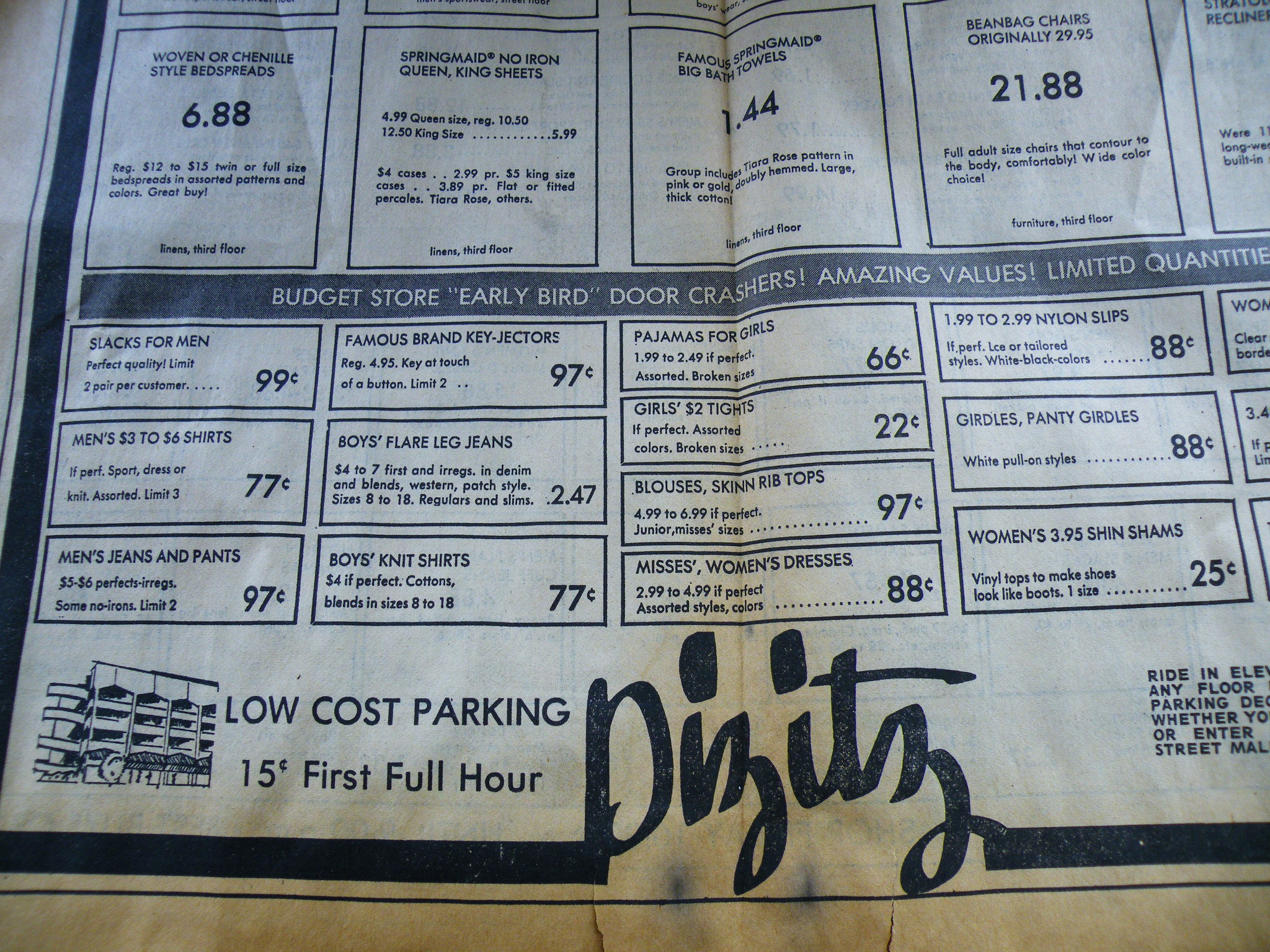
Louis Pizitz immigrated to the United States in 1899 in search of a more significant opportunity. He arrived in New York and quickly naturalized as a United States citizen. He would save a part of his wages to purchase goods that he could peddle from his backpack, soon he headed South. Louis Pizitz moved to Birmingham sometime between 1896 and 1898 and established a store on 1st Avenue North with $10,000 worth of merchandise in stock.
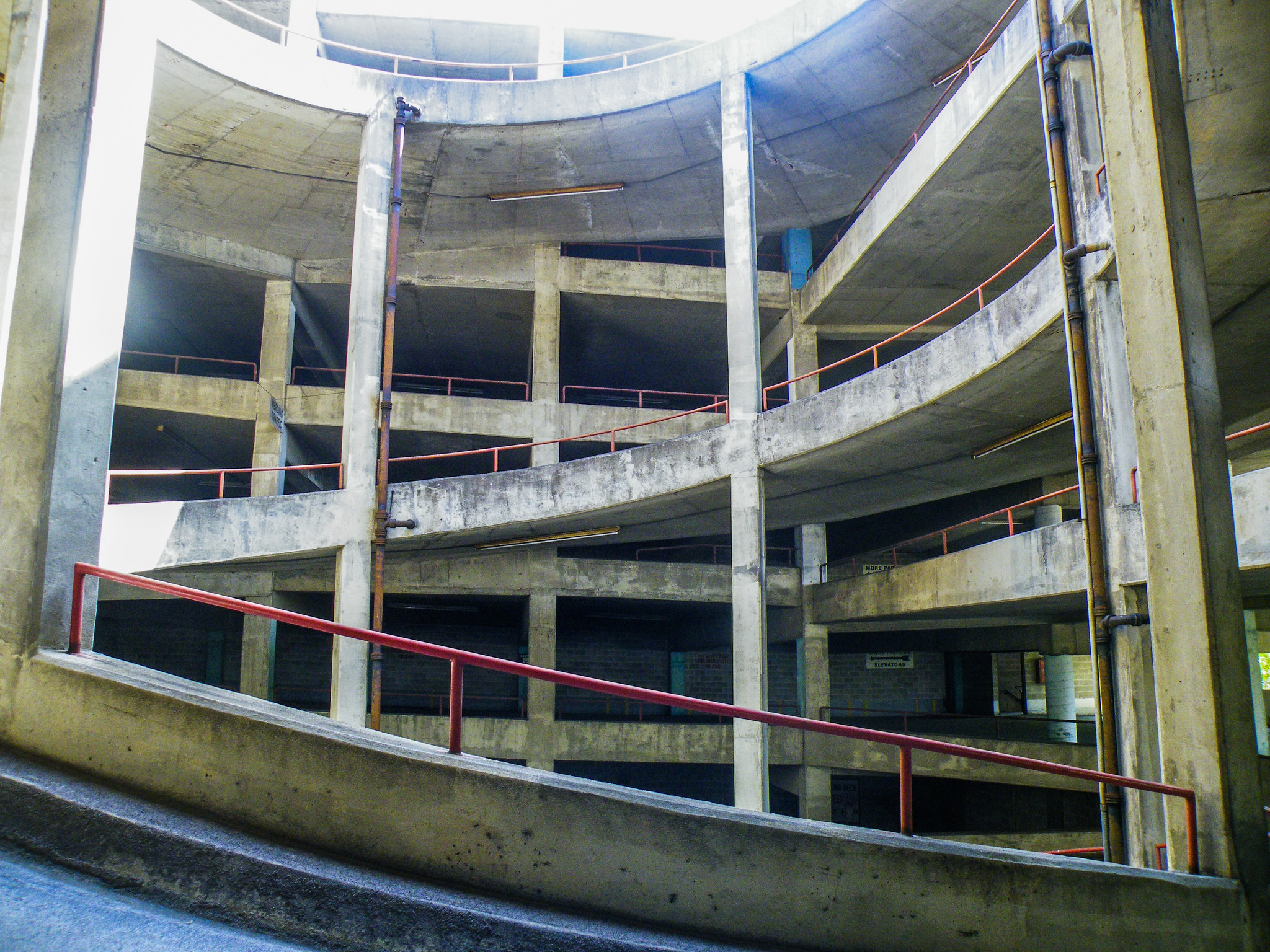
The flagship store was the eight-story Pizitz building, completed in 1923 at the store’s original location at 1821 2nd Avenue North. Harry B. Wheelock designed the building. In 1965, the attached parking garage was added. The family-owned business grew to become a chain of thirteen department stores. Nine of the stores were around Birmingham, two were in Huntsville, with one each in Florence and Montgomery. Admired as an honest and successful merchant, Louis Pizitz was notably generous with his employees, offering three weeks’ bonus pay after a year of service.
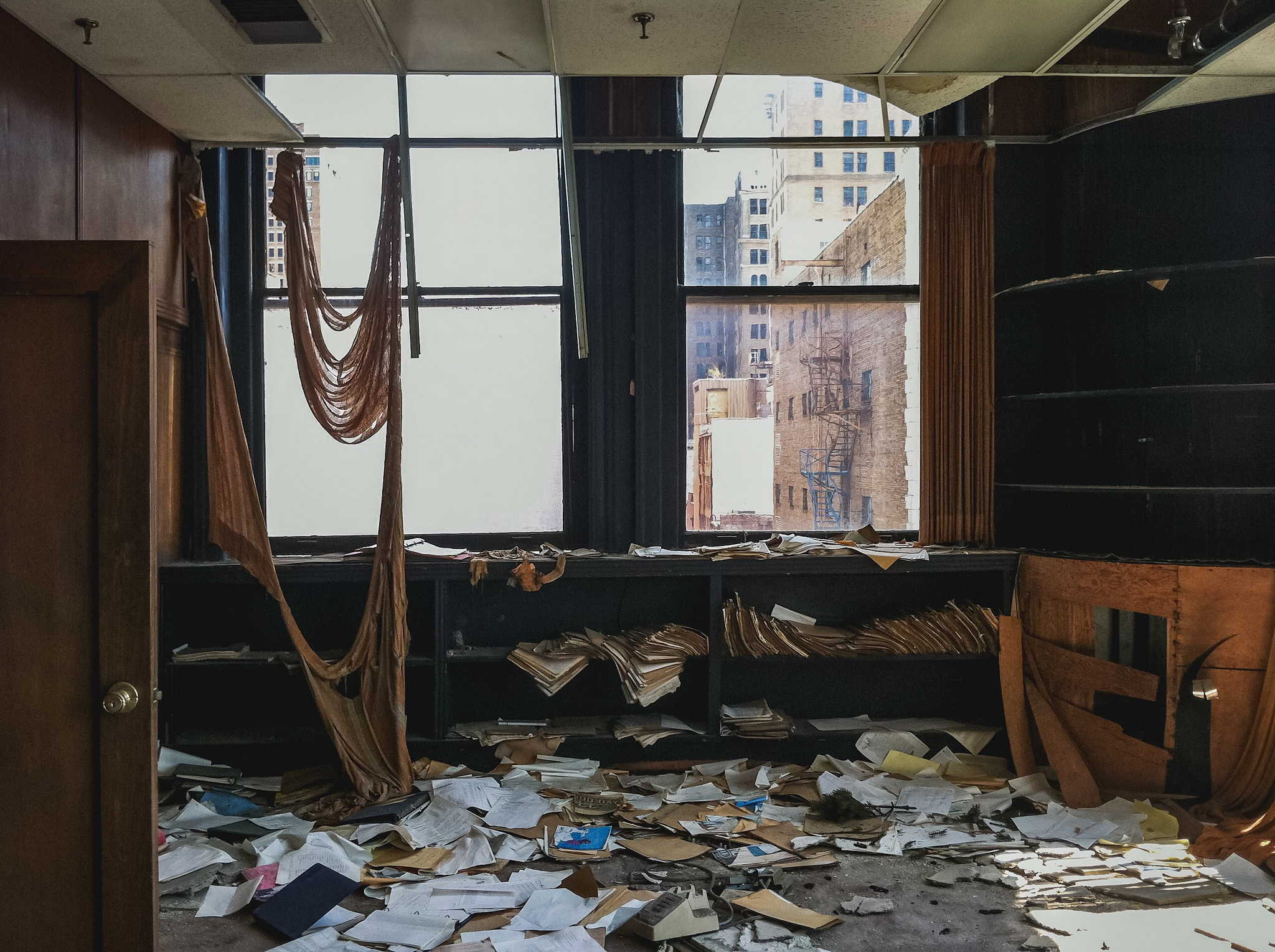
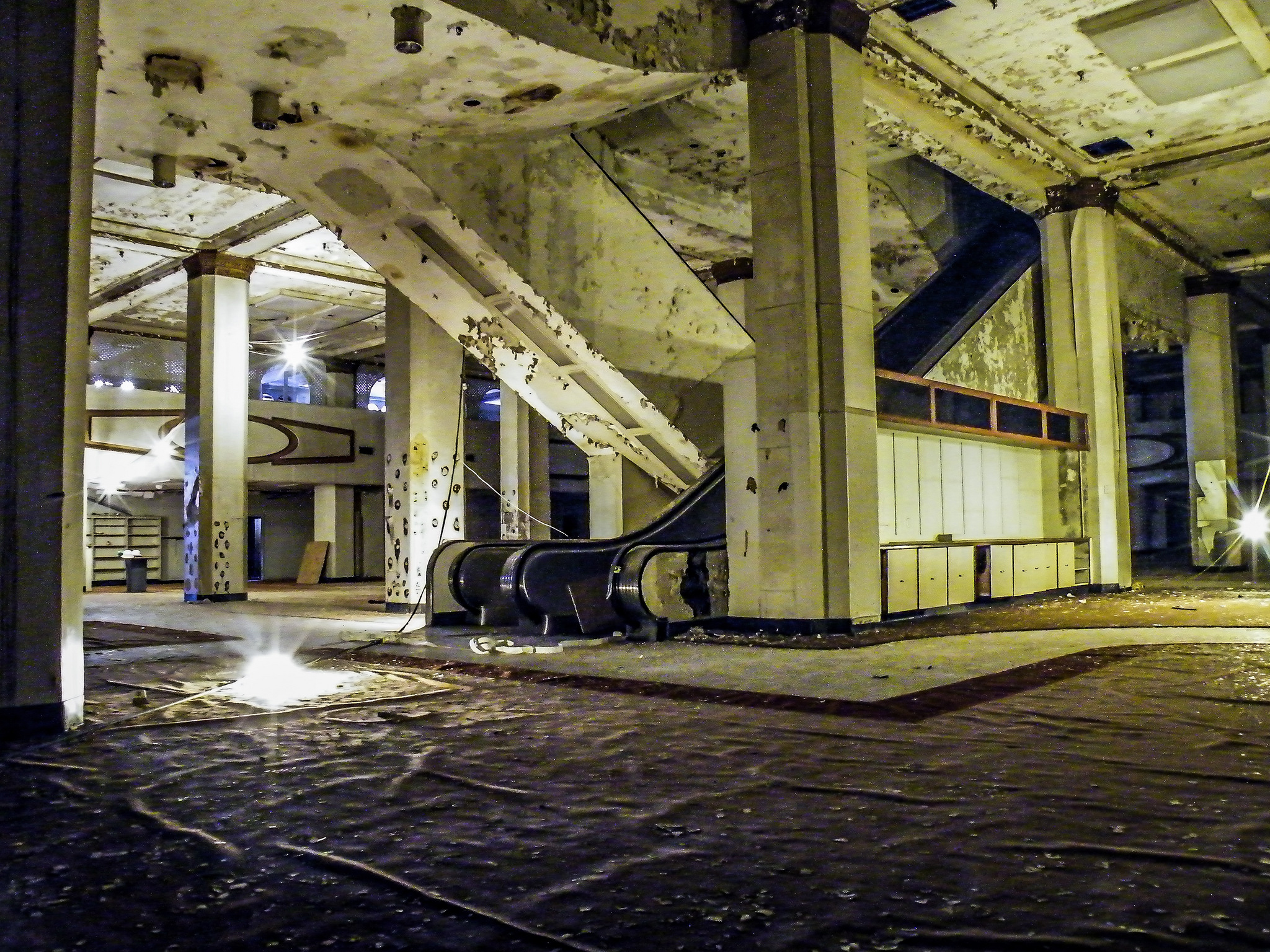
The building was purchased in 2000 by Bayer Properties for potential redevelopment. Bayer secured a “historic preservation certificate” from the National Park Service to qualify for federal tax credits. They received a $1 million low-interest loan from the City of Birmingham to facilitate the renovation. In 2004, Operation New Birmingham put it on their list of 12 Most Wanted list of downtown buildings in need of improvement.
In 2010, Bayer Properties announced that they found lead tenants and were moving forward with the $60 million renovations. Bayer planned to relocate its headquarters to the building which would also include 23,000 square feet of ground-level retail space, most of it facing the McWane Science Center. In September 2010, the Birmingham City Council approved a multi-million-dollar incentive package to get the project underway with a completion date set for the Fall of 2012.
Several months later, two of the lead tenants determined they would not be able to wait for the completion of the renovation, forcing Bayer to find new tenants. The City of Birmingham rescinded its incentives in December 2011 pending further developments. For the next few years, the project appeared stagnant. In January 2014, Bayer Properties announced they were moving forward with the $60 million apartment renovation project, even though they deferred consideration for the first round of state tax credits for historic restoration. Brasfield & Gorrie were awarded the $67 million contract for construction. Completed in March 2017, the building now houses 143 one-bedroom and two-bedroom apartments, 13,000 square feet of office space, and the Pizitz Food Hall.
Thank you for reading. Please share the blog with your friends. I appreciate your support. You can find me on Facebook, Instagram, and TikTok. For more amazing, abandoned places check out my photography books.
Discover more from Abandoned Southeast
Subscribe to get the latest posts sent to your email.

Some great images!
LikeLiked by 1 person
Thank you Sue
LikeLiked by 1 person
You are welcome! What a great dilapidated structure to have seen….
LikeLike
On Fri, Aug 10, 2018 at 2:20 PM, Abandoned Southeast wrote:
> Abandoned Southeast posted: “Louis Pizitz immigrated to the United States > in 1899 in search of a greater opportunity. He arrived in New York and > quickly naturalized as a United States citizen. He would save a part of his > wages to purchase goods that he could peddle from his backpack,” >
LikeLike
Great pictures! I would love to see after pictures of the renovations.
LikeLike
I googled “pizitz renovation” and the after-renovation photos are breathtaking! Check out http://www.thepizitz.com! Absolutely stunning!
LikeLiked by 1 person