
Louis Pizitz was born in Poland in 1867. Orphaned by the age of seven, he was educated in Hebrew school and, for a time, studied to become a rabbi. In 1889, he arrived in New York with nothing and quickly naturalized as a United States citizen. “When I reached New York, I did not have a dollar and walked around the streets for three days,” he later recalled in his autobiography. He would save a part of his wages to purchase goods that he could peddle from his backpack, soon he headed South.
A chance meeting with a woman from his hometown eventually led him to Georgia, where Pizitz found work as a jewelry peddler. Determined to succeed, he studied English late into the night by the glow of a coal lamp.
“It was rather a hard job,” he recalled, “but then if your living depends upon knowledge of how to speak the language, you will soon learn.” Through sheer determination, Pizitz saved $750 and opened a small store in Swainsboro, Georgia. He married Minnie Smolian, and within five years, the couple had accumulated $50,000. It was Minnie who encouraged him to think bigger.
After traveling throughout the region, Pizitz set his sights on Birmingham, Alabama. In the early 1890s, Birmingham was a young industrial city of roughly 27,000 people, its rapid growth fueled by coal, iron, steel and the arrival of thousands of workers and entrepreneurs. Pizitz saw opportunity. He wasn’t alone in recognizing Birmingham’s potential. The success of Adolph Loveman, whose department store, Loveman’s, had already established itself as a downtown retail destination, reinforced Pizitz’s belief that the city was ready for another ambitious merchant.
Louis Pizitz moved to Birmingham sometime between 1896 and 1898 and rented a storefront for $75 a month with $10,000 worth of merchandise in stock. He began building what would eventually become one of the city’s most recognizable retail institutions. But the decision was not without risk. Years later, he admitted that he was terrified of losing everything and being forced to return to Georgia with nothing to show for his gamble.
However, Pizitz’s store quickly caught on. He positioned the business as a store for ordinary Birmingham residents, advertising it as “The People’s Store.” In later years, the slogan was shortened to the even more personal “Your Store.”
That philosophy wasn’t simply a marketing slogan; Pizitz put it into practice. He believed the heart of a successful retail business was on the sales floor. His son, Isadore, would later explain that executives didn’t make a store great, the people who served the public did.
Louis Pizitz’s generosity eventually became the stuff of Birmingham legend. When thousands of Alabama coal miners went on strike, he sent truckloads of food and clothing to their camps. During the darkest years of the Great Depression, he insisted that the store continue its tradition of serving free Thanksgiving meals to anyone in need.
In 1929, as the country slipped into economic uncertainty, Pizitz employees were given the day off for Thanksgiving. Instead of staying home, many showed up anyway to volunteer, helping serve meals in a makeshift dining hall inside the store.
From its earliest days, Pizitz was more than a place to shop. It became a place to gather, a place where Birmingham’s residents could find not only merchandise, but a sense of community. Most importantly, Louis Pizitz wanted it to be a place for everyone. Louis articulated that belief publicly and plainly:
“I have faith in Birmingham. I have faith in you. I have shown my faith by investing all my life’s earnings in a building for you. I have faith in my buyers and in my merchandise. I have faith in my organization. I have faith that you, the Birmingham public, will support this wonderful institution, built with the vision of a greater Birmingham.”
The small Birmingham storefront would be the beginning of the Pizitz family’s remarkable retail empire; and, decades later, the iconic Pizitz Building that still stands downtown today.
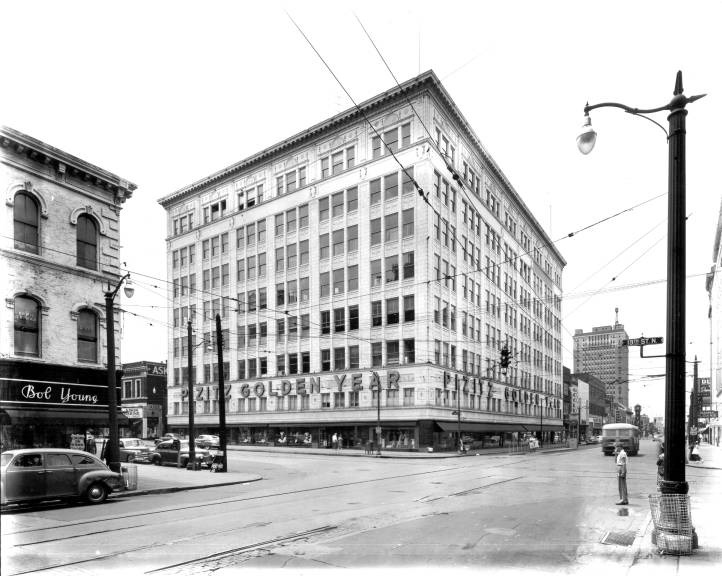
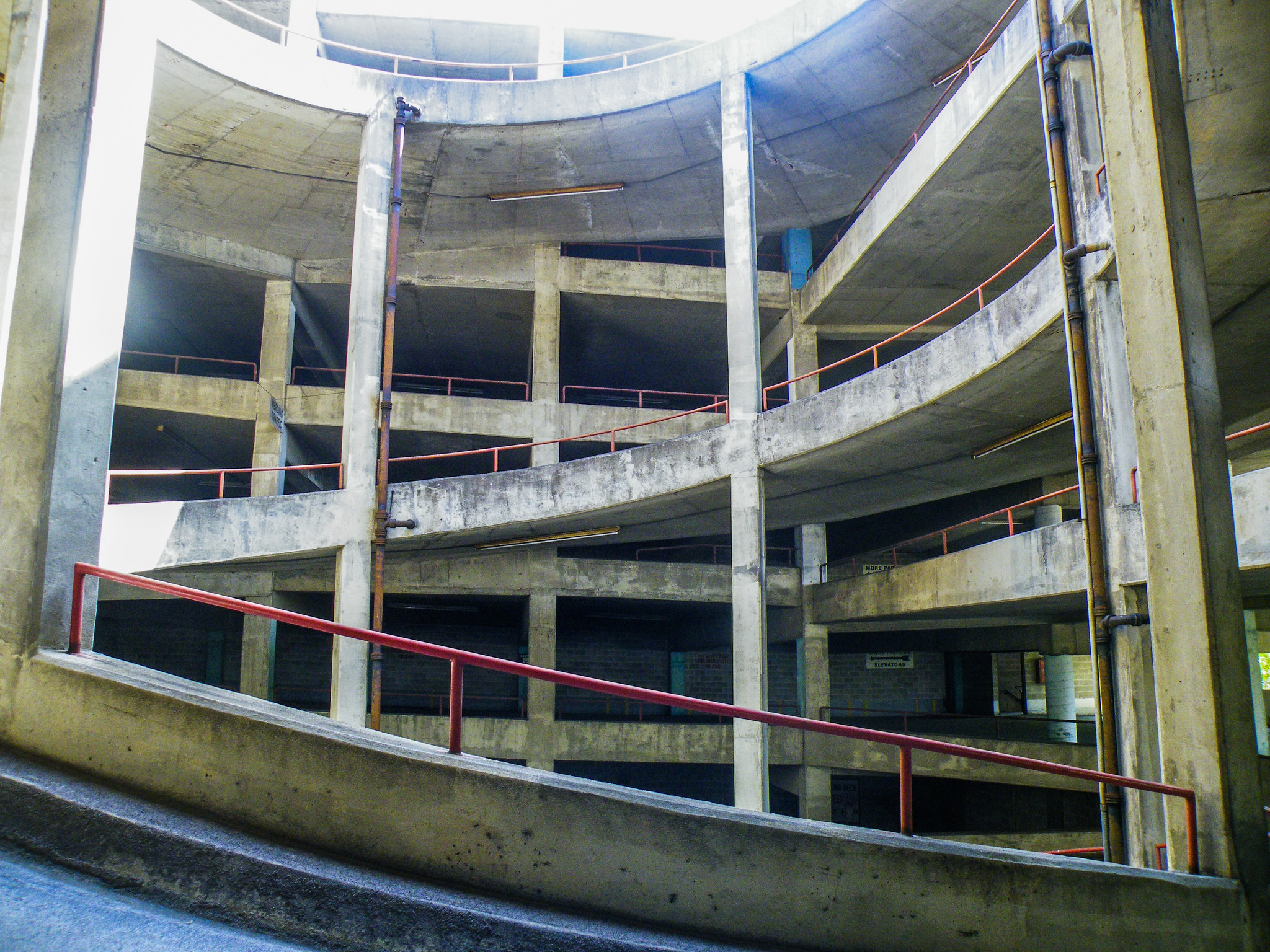
The flagship store, located at 1821 2nd Avenue North, was the eight-story Pizitz Building, constructed in phases, and completed in 1923. Harry B. Wheelock designed the building. In 1965, the attached parking garage was added. The family-owned business grew to become a chain of thirteen department stores.
Nine of the stores were around Birmingham, two were in Huntsville, with one each in Florence and Montgomery. Admired as an honest and successful merchant, Louis Pizitz was notably generous with his employees, offering three weeks’ bonus pay after a year of service.
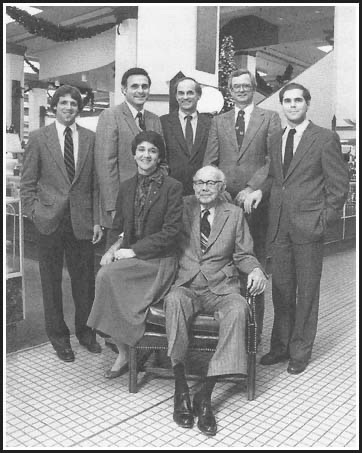
After World War II, the store evolved, increasingly shaped by Isadore Pizitz’s leadership. It became the official supplier of textbooks for Birmingham and Jefferson County schools, partnered with WBRC for seasonal broadcasts, and introduced traditions that became cherished memories; especially the holiday windows. Beginning in the early 1960s, “The Enchanted Forest” transformed downtown into a winter wonderland, delighting generations of Birmingham families.
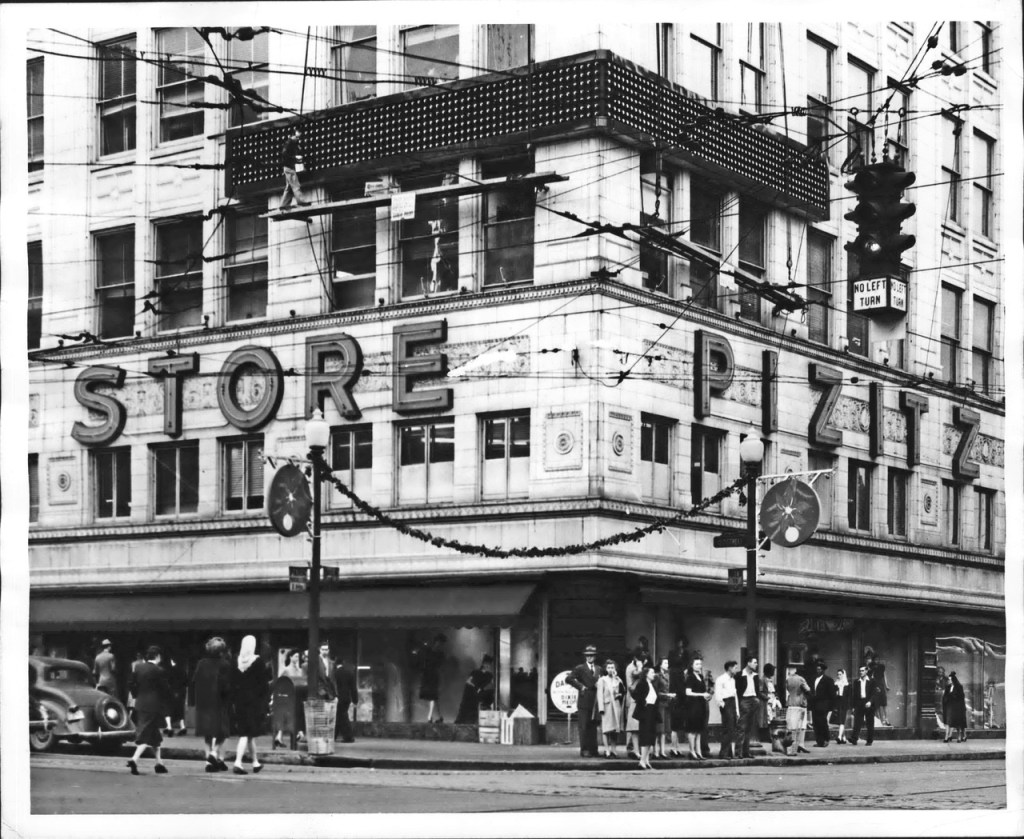
The Pizitz marketing department was onto something. If they wanted parents to buy toys at Christmas, they first had to get the kids through the door. The solution was simple: create an Enchanted Forest where children could be entertained just steps away from the toy department.
From 1964 to 1984, thousands of Birmingham-area children made their way through the magical display, encountering animatronic bears, a giant moose, a talking Christmas tree, and other whimsical characters along the way. For many children, a visit to the Enchanted Forest became an annual Christmas tradition, and an experience they would remember long after the decorations came down.
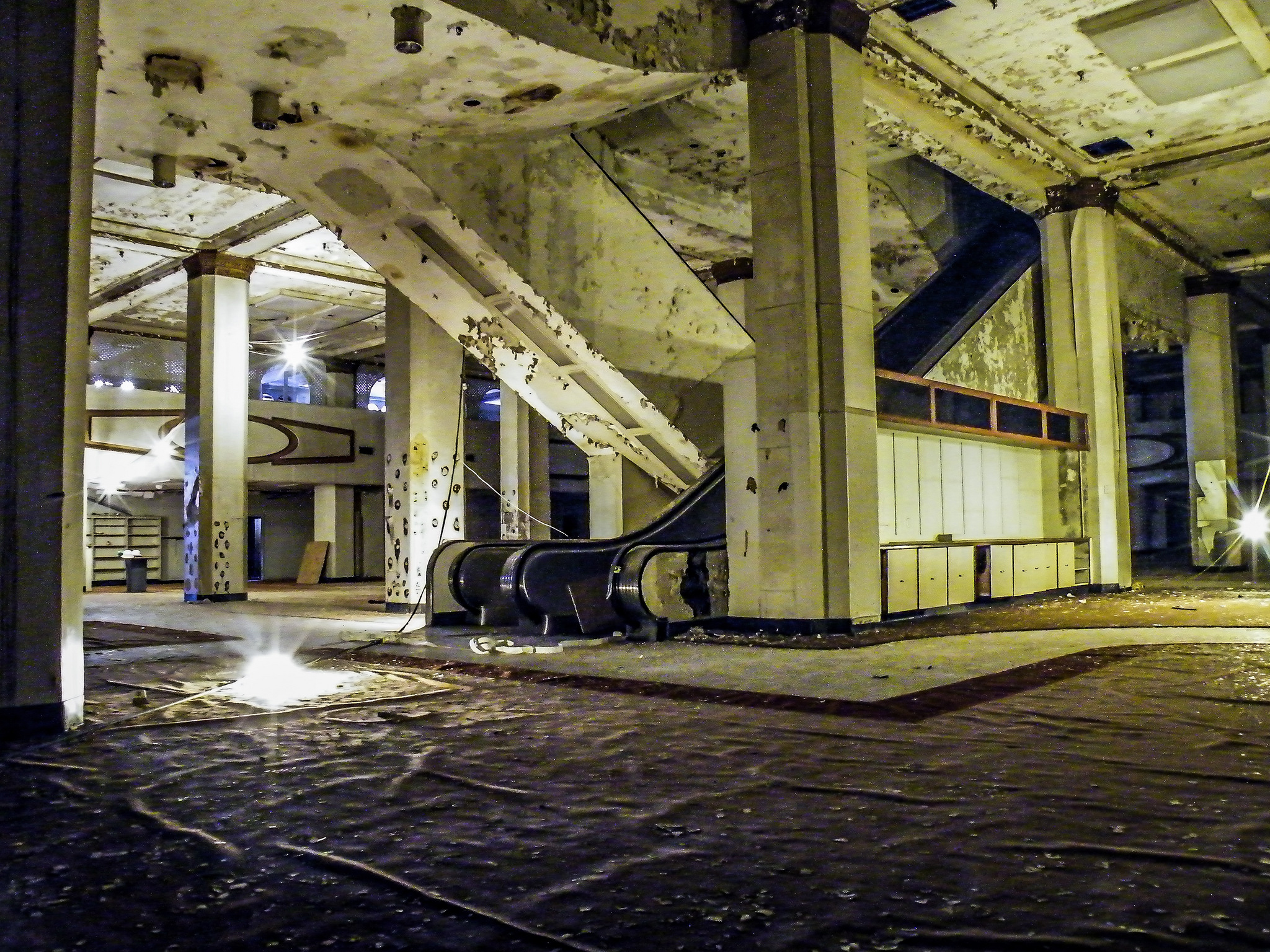
In the summer of 1960, the Pizitz building was one of the places where Birmingham’s segregated retail system was challenged by young Black demonstrators. One of those teenagers was Frances Foster White. Years later, she recalled choosing Pizitz as the department store where she would participate in a sit-in. Her reason for choosing it was surprisingly personal: she remembered the building’s distinctive staircase and wanted to make her protest there, where she would be highly visible. The National Park Service records her recollection of wanting to make her “grand showing” on the staircase.
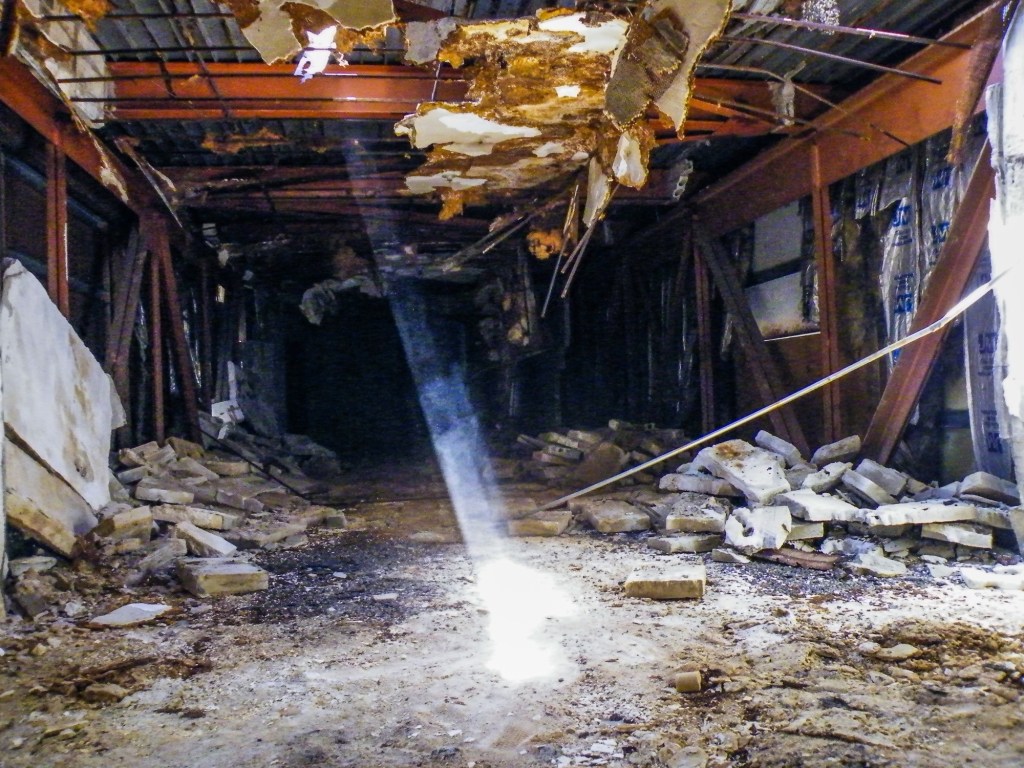
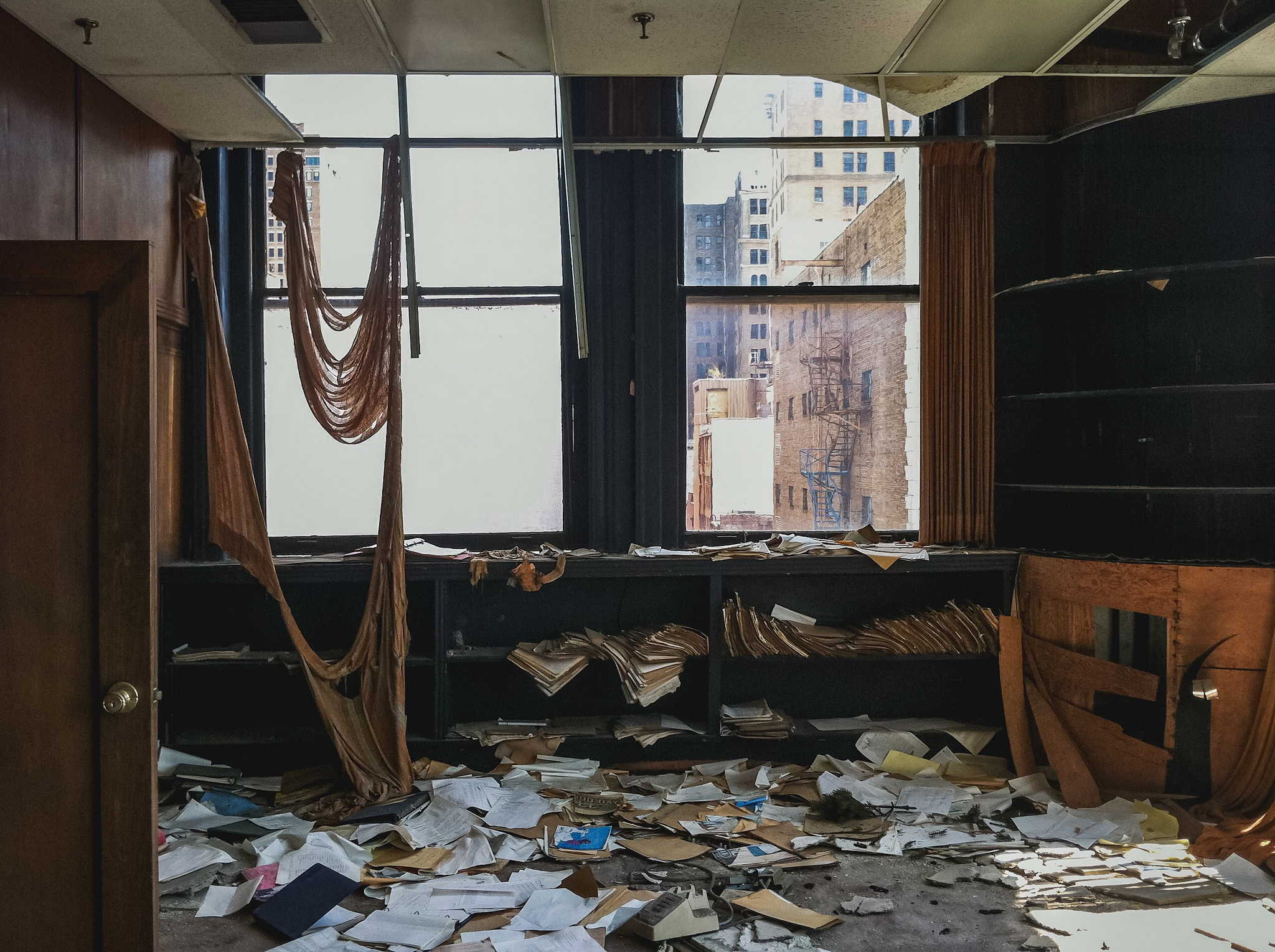
The building was purchased in 2000 by Bayer Properties for potential redevelopment. Bayer secured a “historic preservation certificate” from the National Park Service to qualify for federal tax credits. They received a $1 million low-interest loan from the City of Birmingham to facilitate the renovation. In 2004, Operation New Birmingham added the Pizitz building to their list of the “12 Most Wanted” of downtown buildings in need of improvement.
In 2010, Bayer Properties announced that they found lead tenants and were moving forward with a $60 million renovation. Bayer planned to relocate its headquarters to the building which would also include 23,000 square feet of ground-level retail space, most of it facing the McWane Science Center. In September 2010, the Birmingham City Council approved a multi-million-dollar incentive package to get the project underway with a completion date set for the Fall of 2012.
Several months later, two of the lead tenants determined they would not be able to wait for the completion of the renovation, forcing Bayer to find new tenants. The City of Birmingham rescinded its incentives in December 2011 pending further developments. For the next few years, the project appeared stagnant. In January 2014, Bayer Properties announced they were moving forward with the $60 million apartment renovation project, even though they deferred consideration for the first round of state tax credits for historic restoration. Brasfield & Gorrie were awarded the $67 million contract for construction. Completed in March 2017, the building now houses 143 one-bedroom and two-bedroom apartments, 13,000 square feet of office space, and the Pizitz Food Hall.
Thank you for reading. Please share the blog with your friends. I appreciate your support. You can find me on Facebook, Instagram, and TikTok. For more amazing, abandoned places from across Birmingham, check out my photography books.
Discover more from Abandoned Southeast
Subscribe to get the latest posts sent to your email.

Some great images!
LikeLiked by 1 person
Thank you Sue
LikeLiked by 1 person
You are welcome! What a great dilapidated structure to have seen….
LikeLike
On Fri, Aug 10, 2018 at 2:20 PM, Abandoned Southeast wrote:
> Abandoned Southeast posted: “Louis Pizitz immigrated to the United States > in 1899 in search of a greater opportunity. He arrived in New York and > quickly naturalized as a United States citizen. He would save a part of his > wages to purchase goods that he could peddle from his backpack,” >
LikeLike
Great pictures! I would love to see after pictures of the renovations.
LikeLiked by 1 person
I googled “pizitz renovation” and the after-renovation photos are breathtaking! Check out http://www.thepizitz.com! Absolutely stunning!
LikeLiked by 1 person