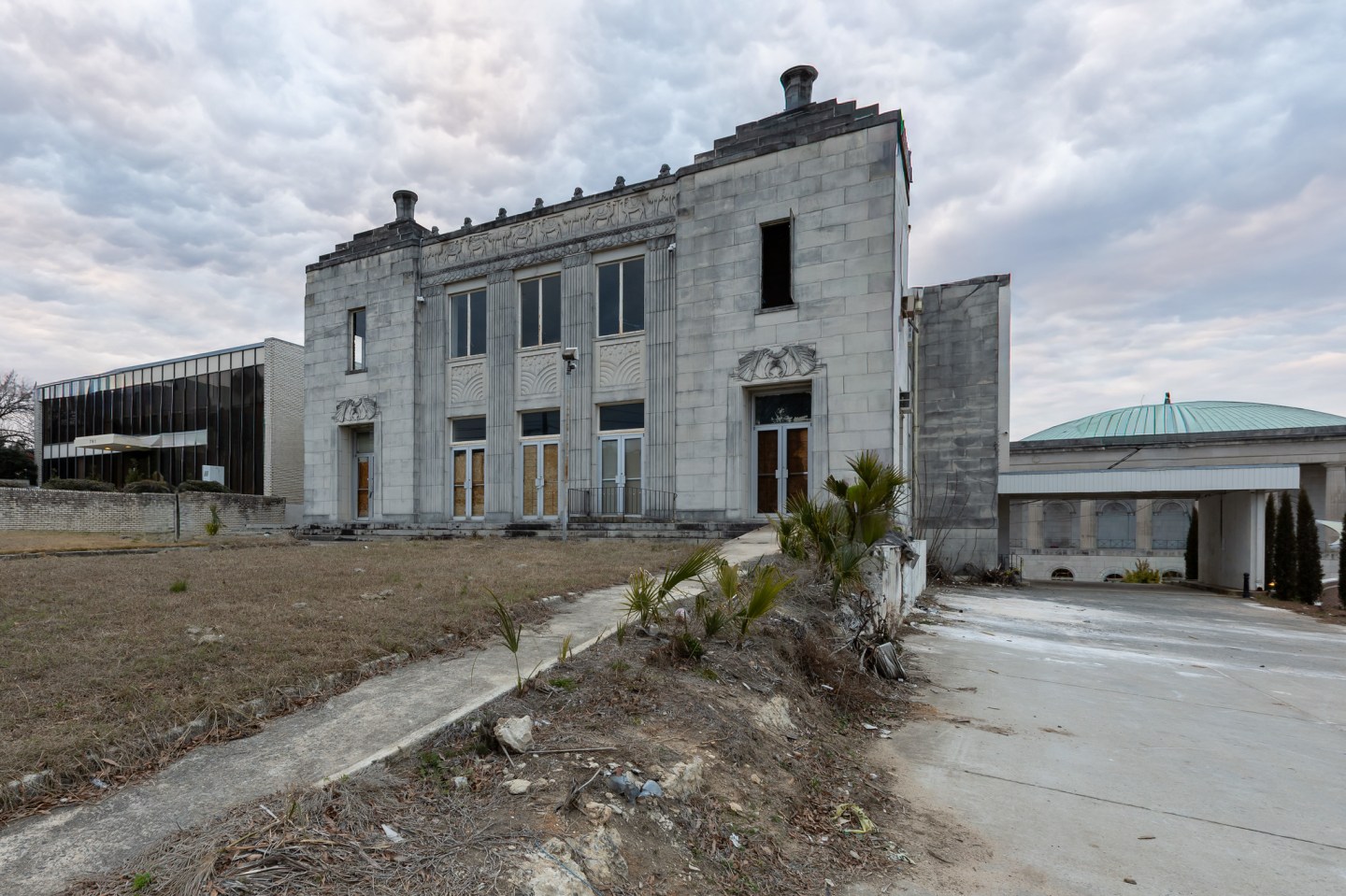
In the heart of Macon, Georgia, the Al Sihah Shrine Temple stands as a quiet but enduring witness to more than a century of civic tradition, architectural expression, and community life. Though often mistaken for a religious site, the temple is actually part of Shriners International, a fraternal organization known for its philanthropy, ceremonial culture, and longstanding support of children’s healthcare.
The Al Sihah Shrine was established in the early 20th century, around 1910, during a period when fraternal organizations were flourishing across the United States. These groups offered social connection, mutual support, and opportunities for civic engagement at a time when such networks were central to American public life. From its beginnings, Al Sihah became a focal point for members throughout Middle Georgia. Like other Shriner chapters, it embraced a blend of pageantry and purpose by hosting elaborate ceremonies while also contributing to charitable initiatives, most notably the Shriners Hospitals for Children.
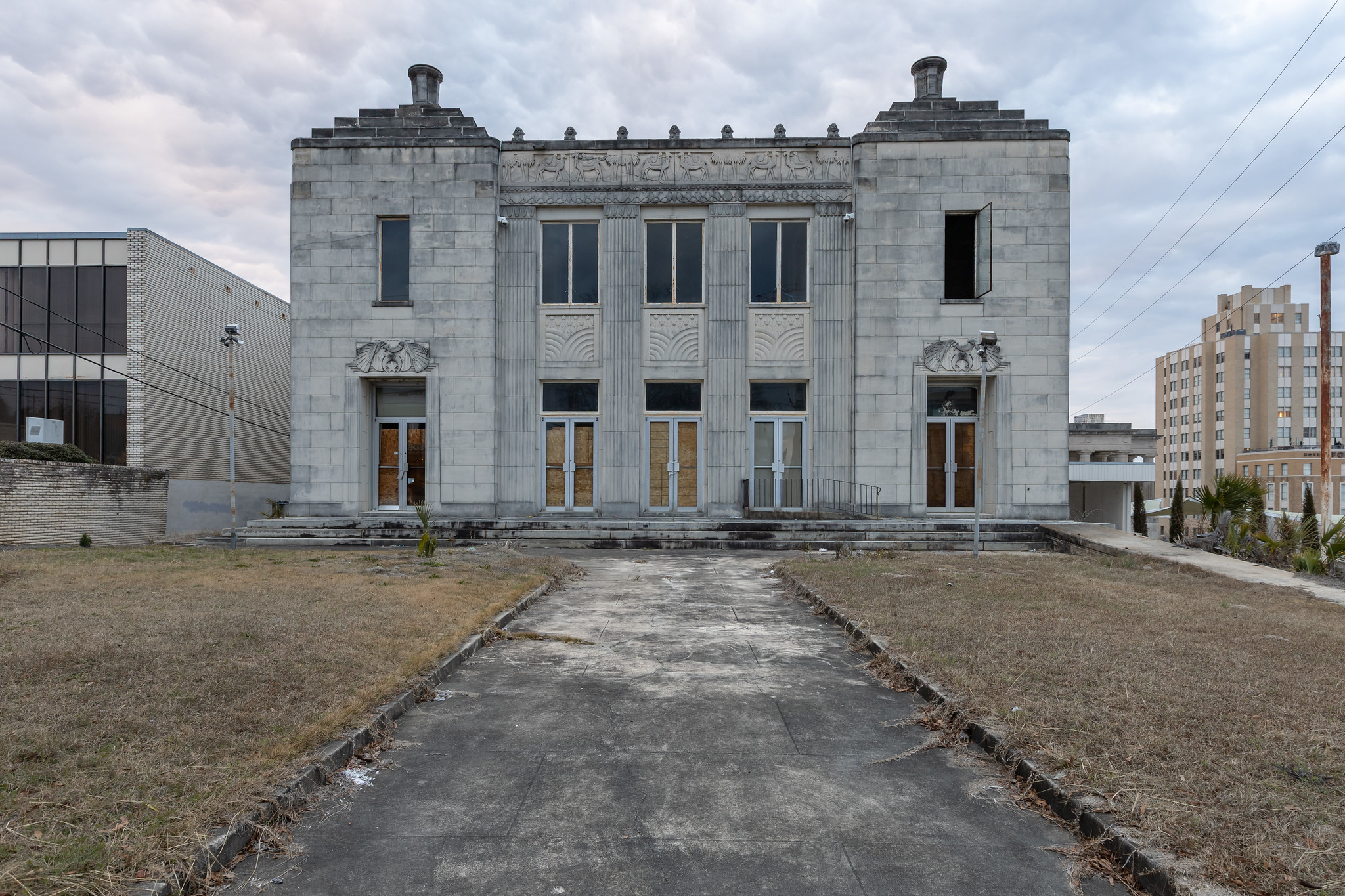
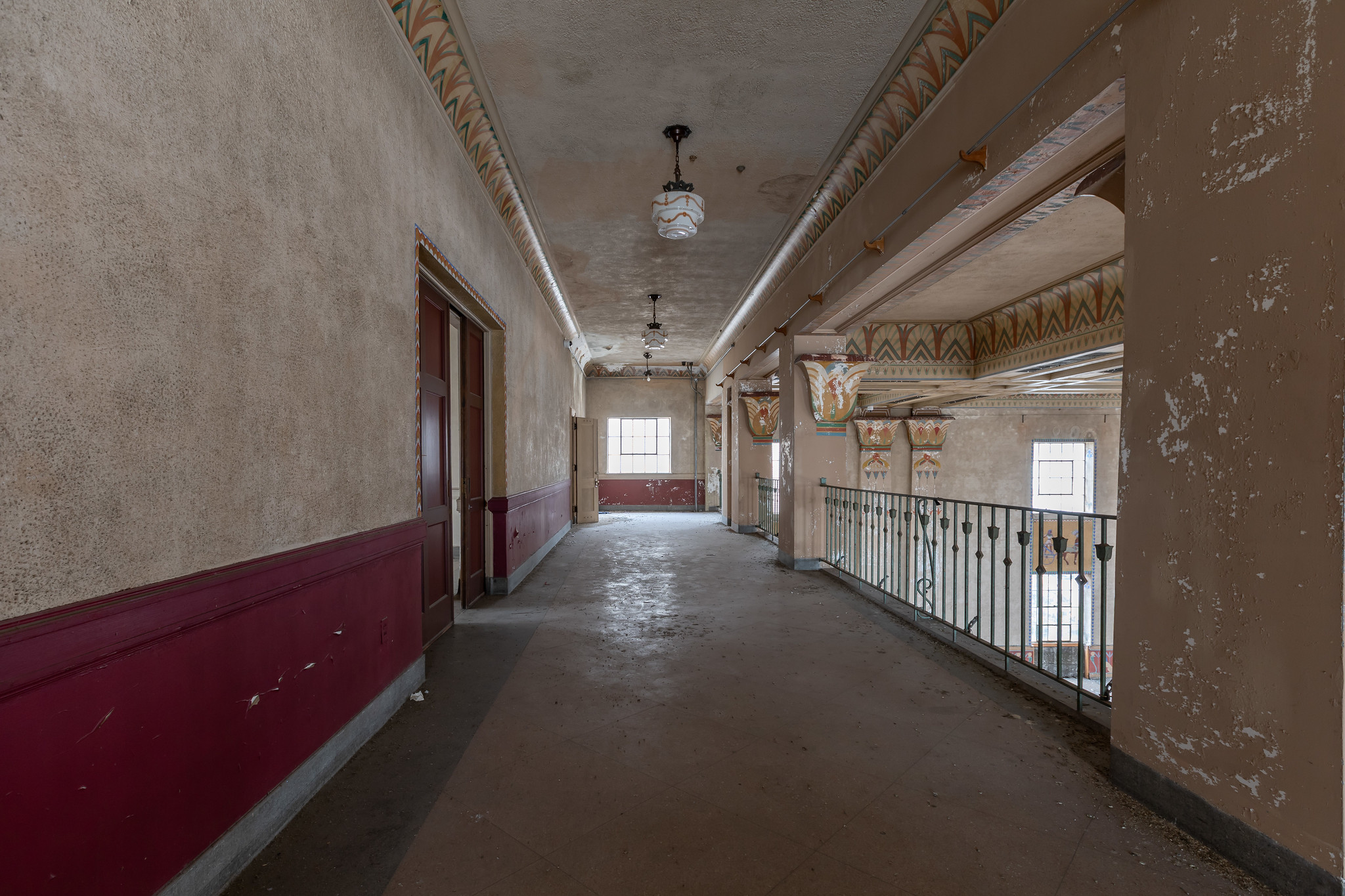
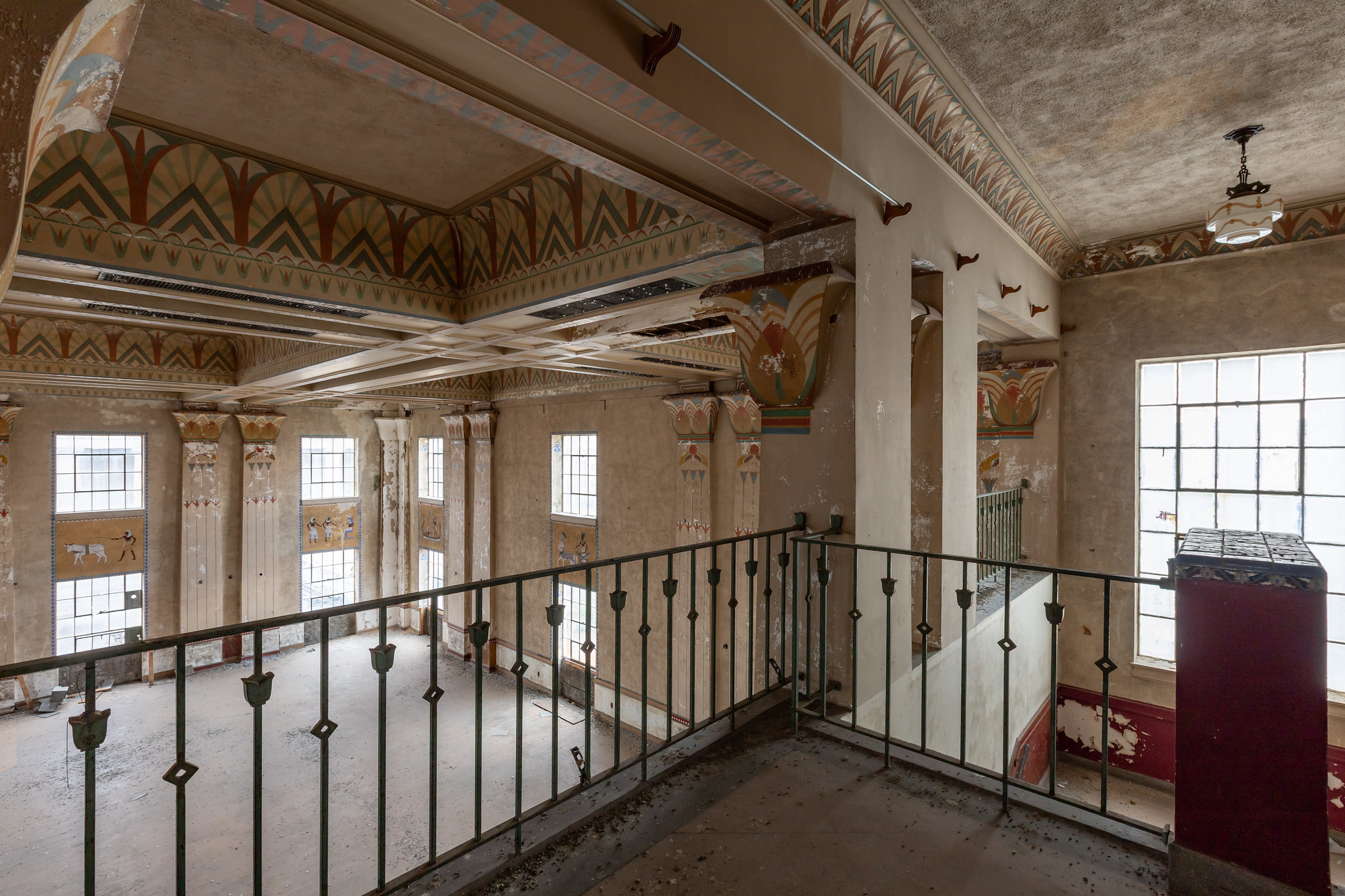
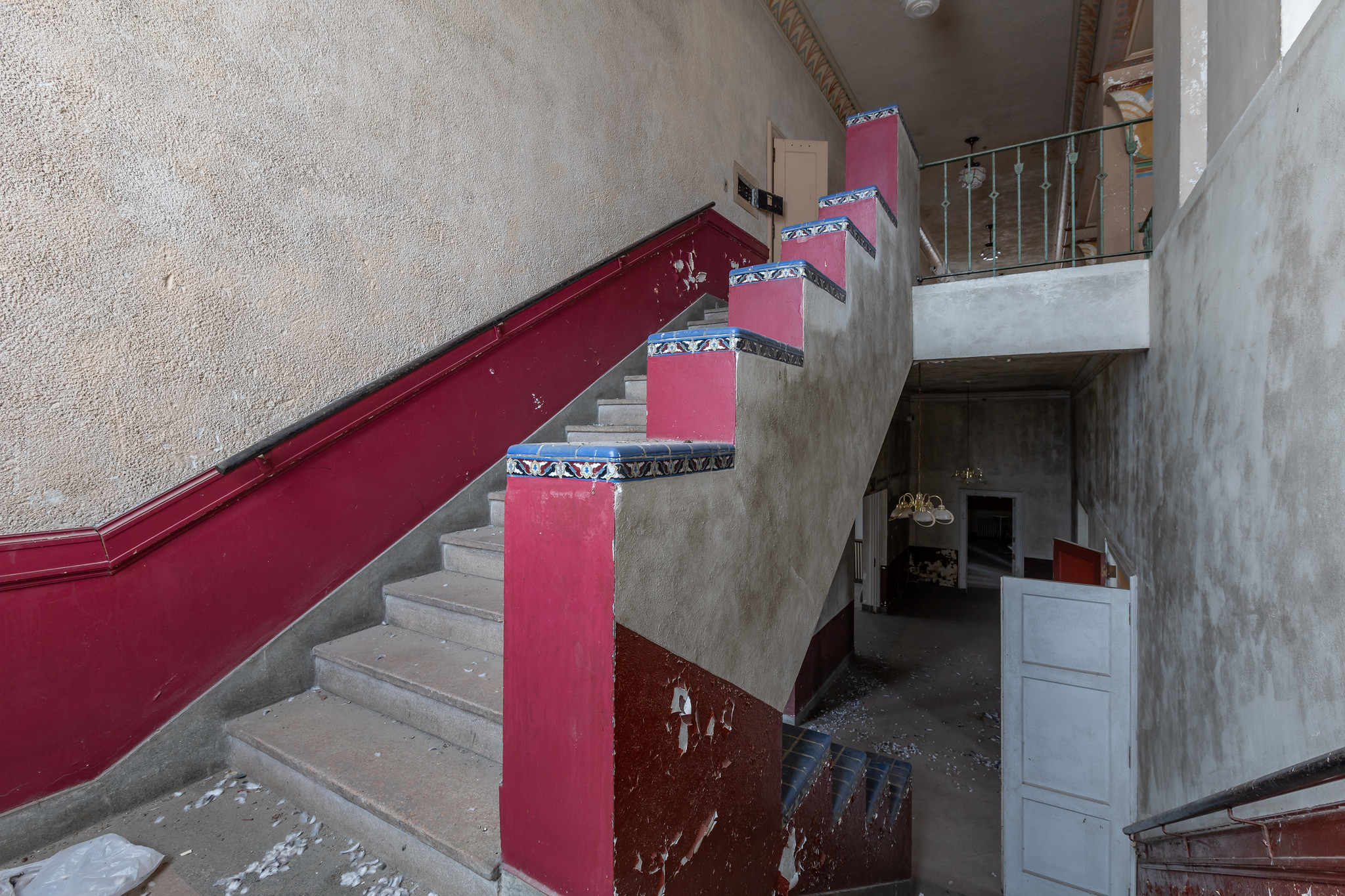
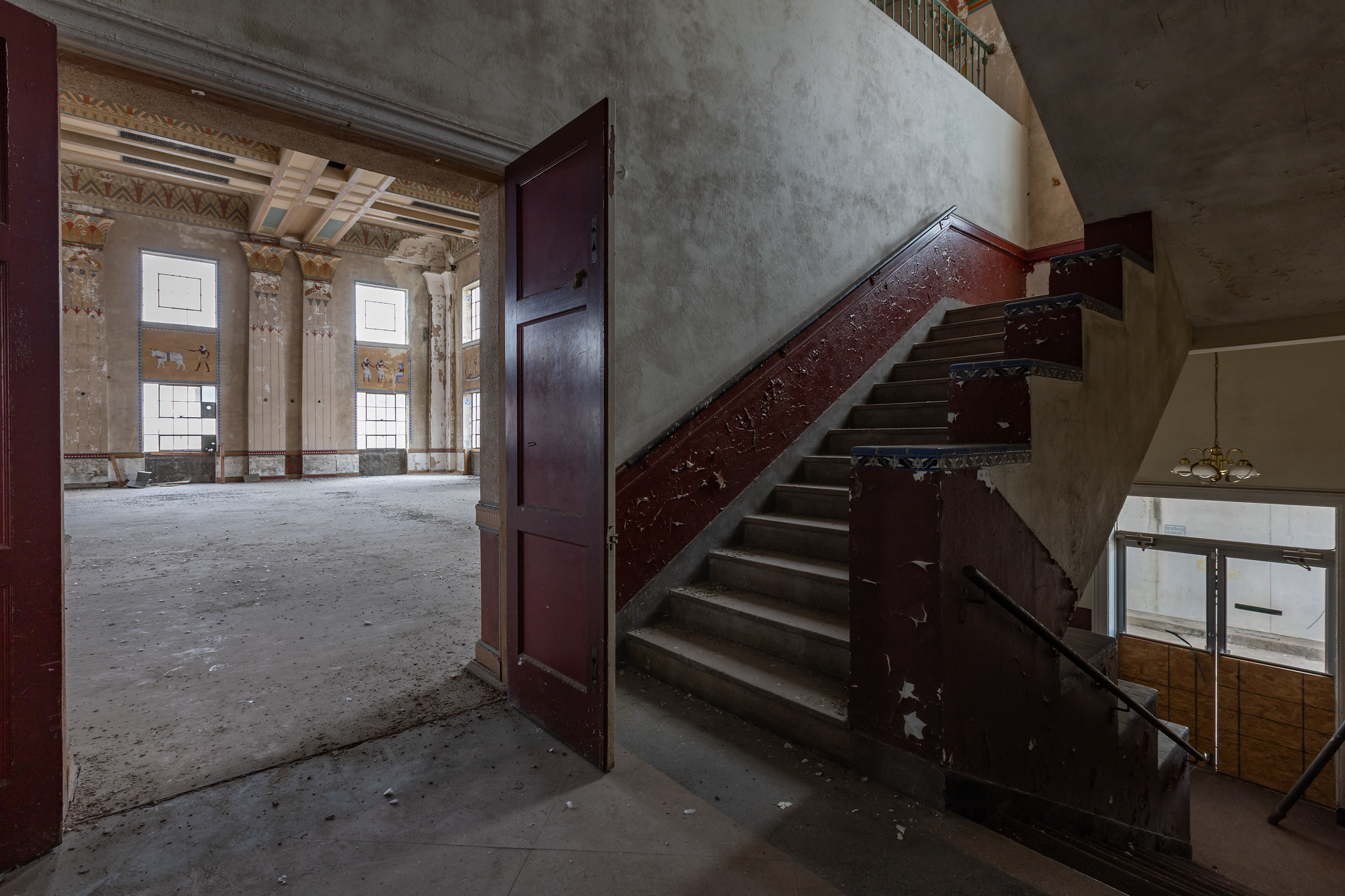
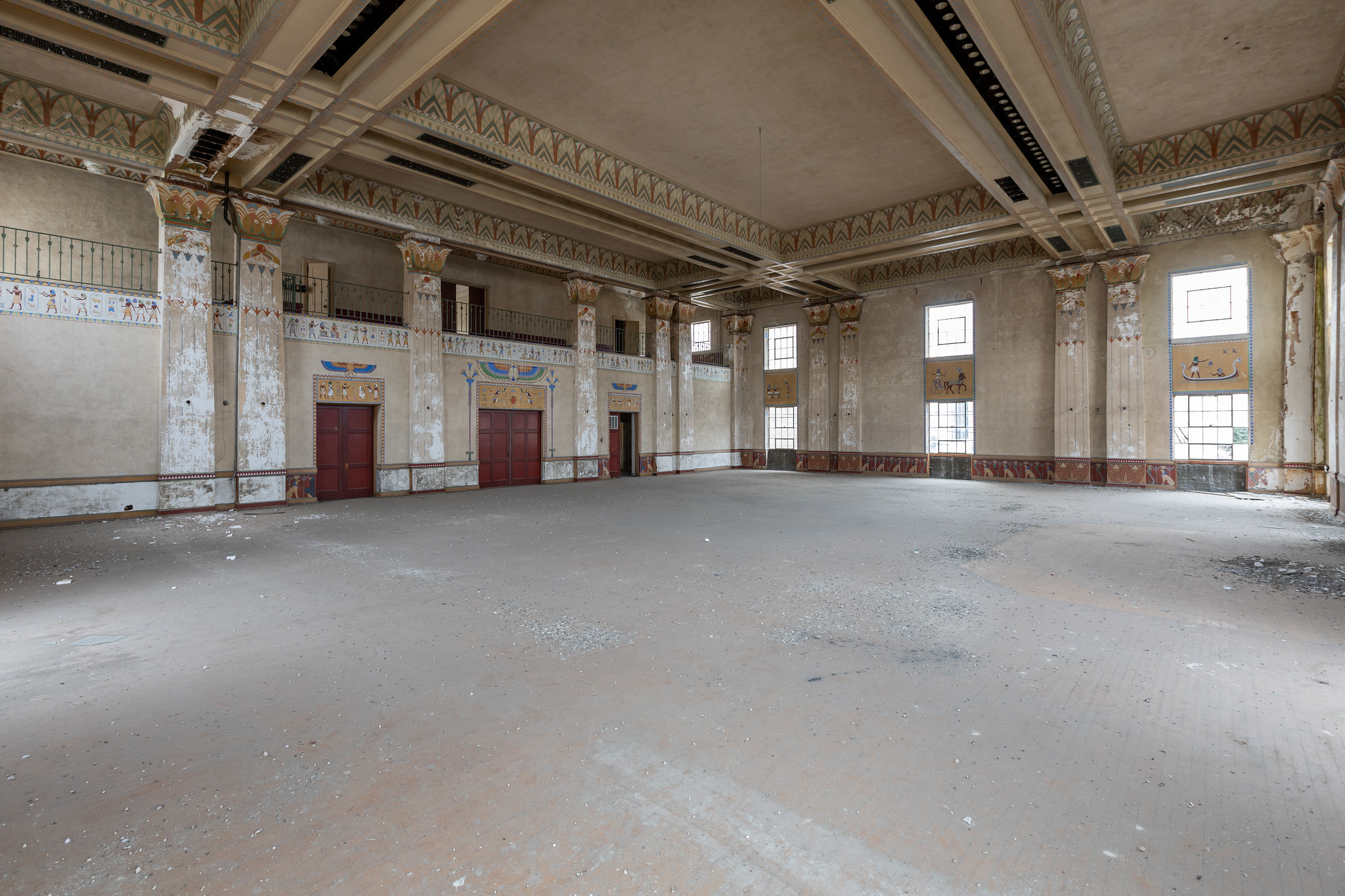
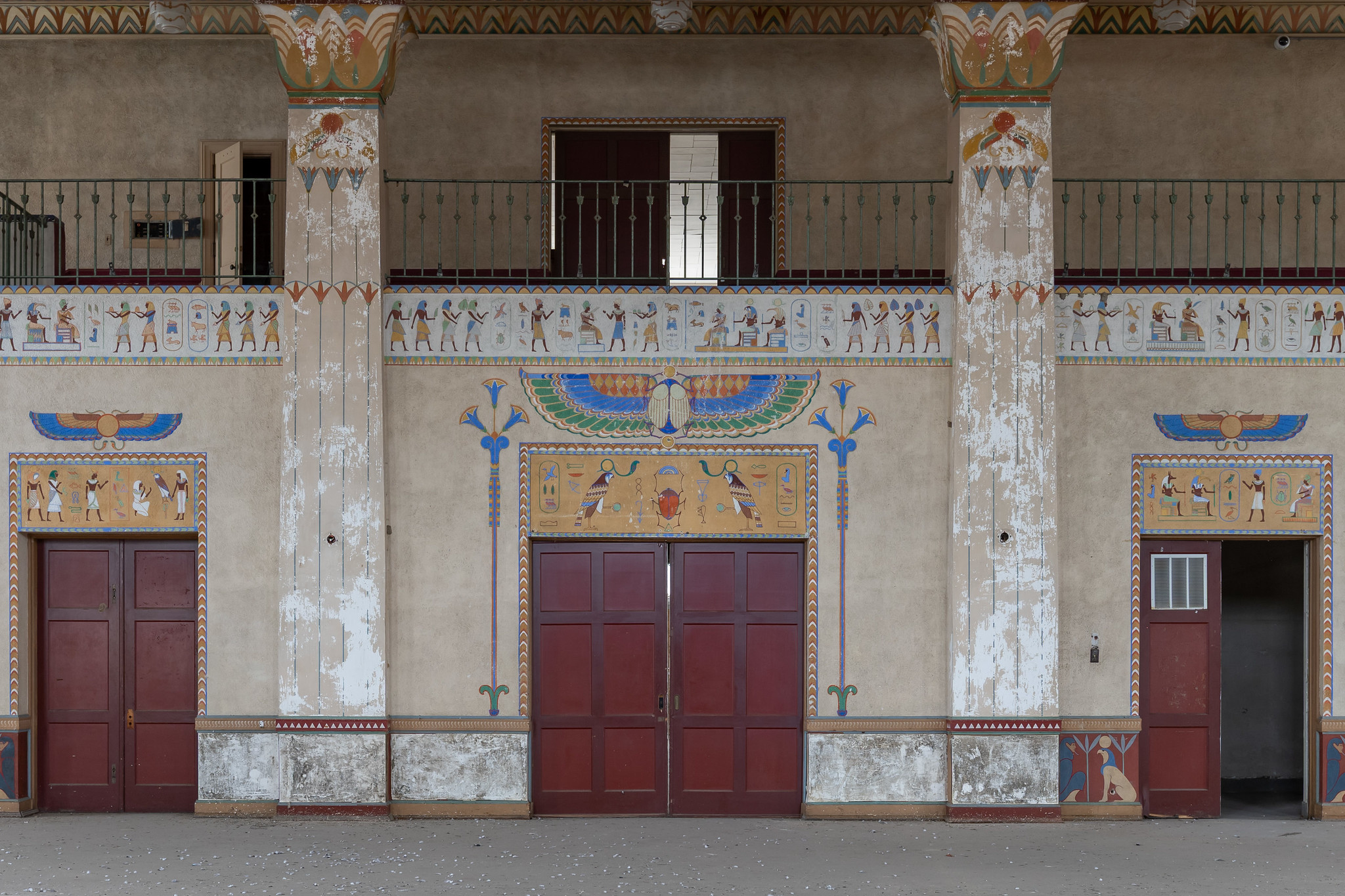
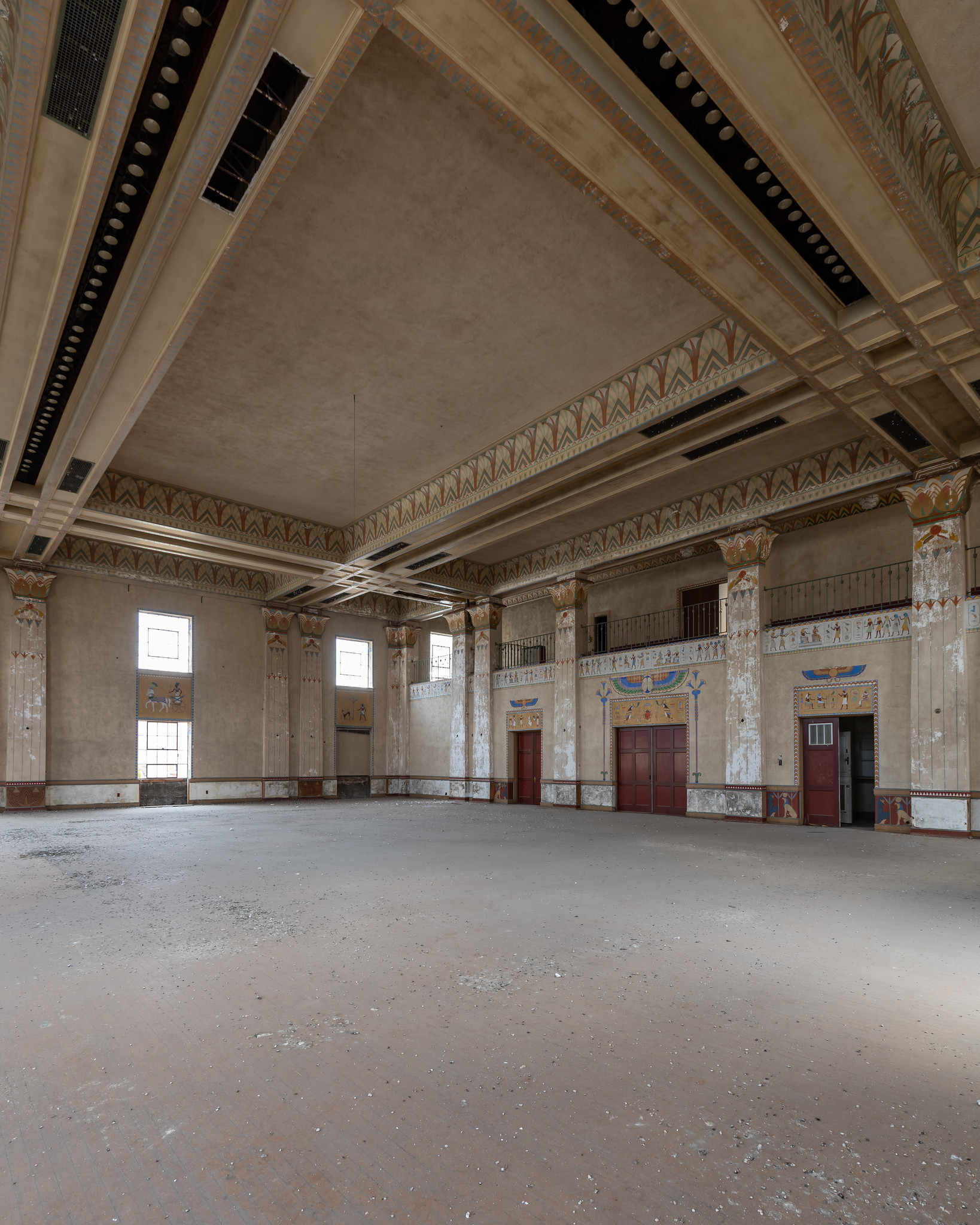
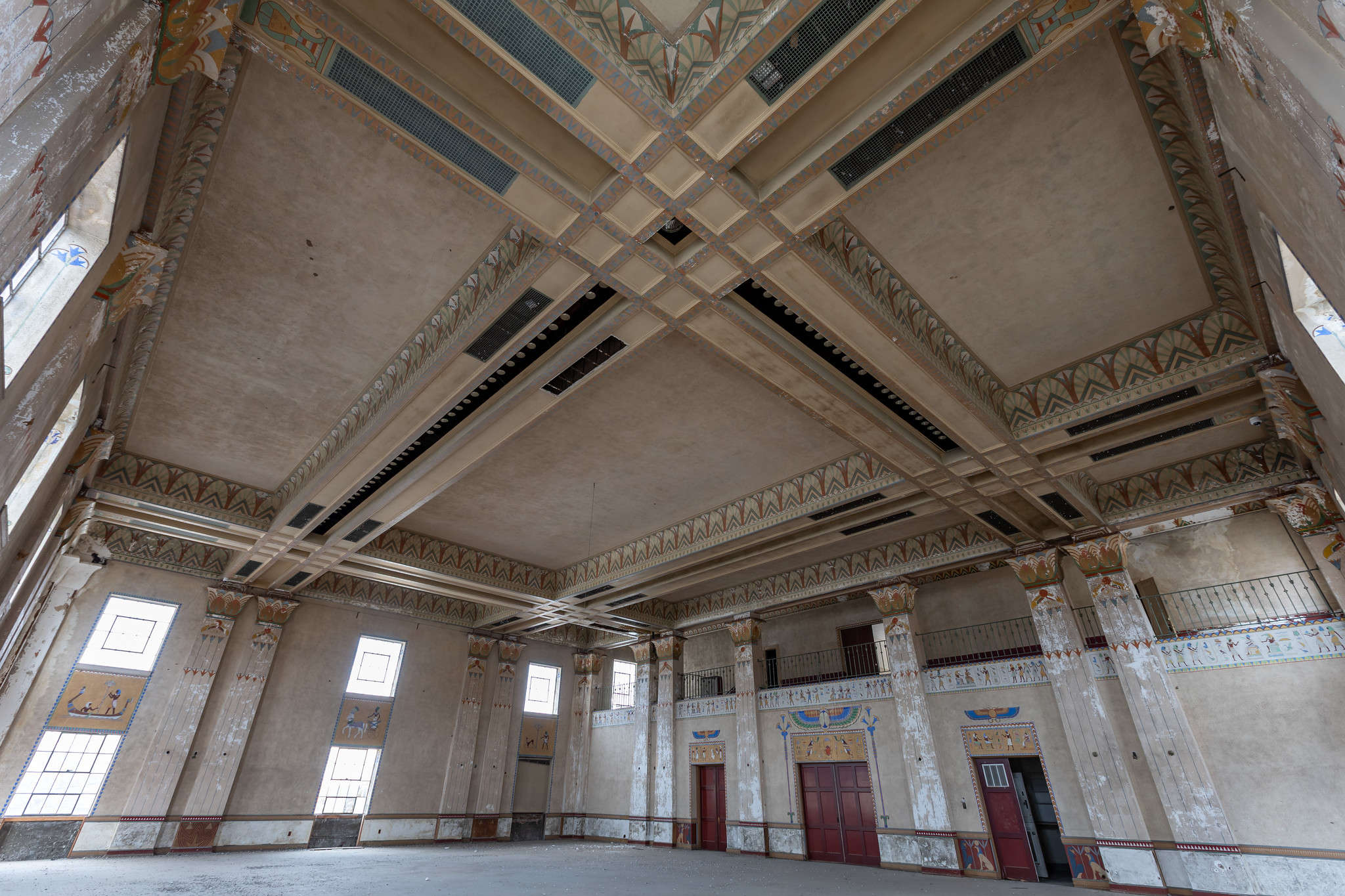
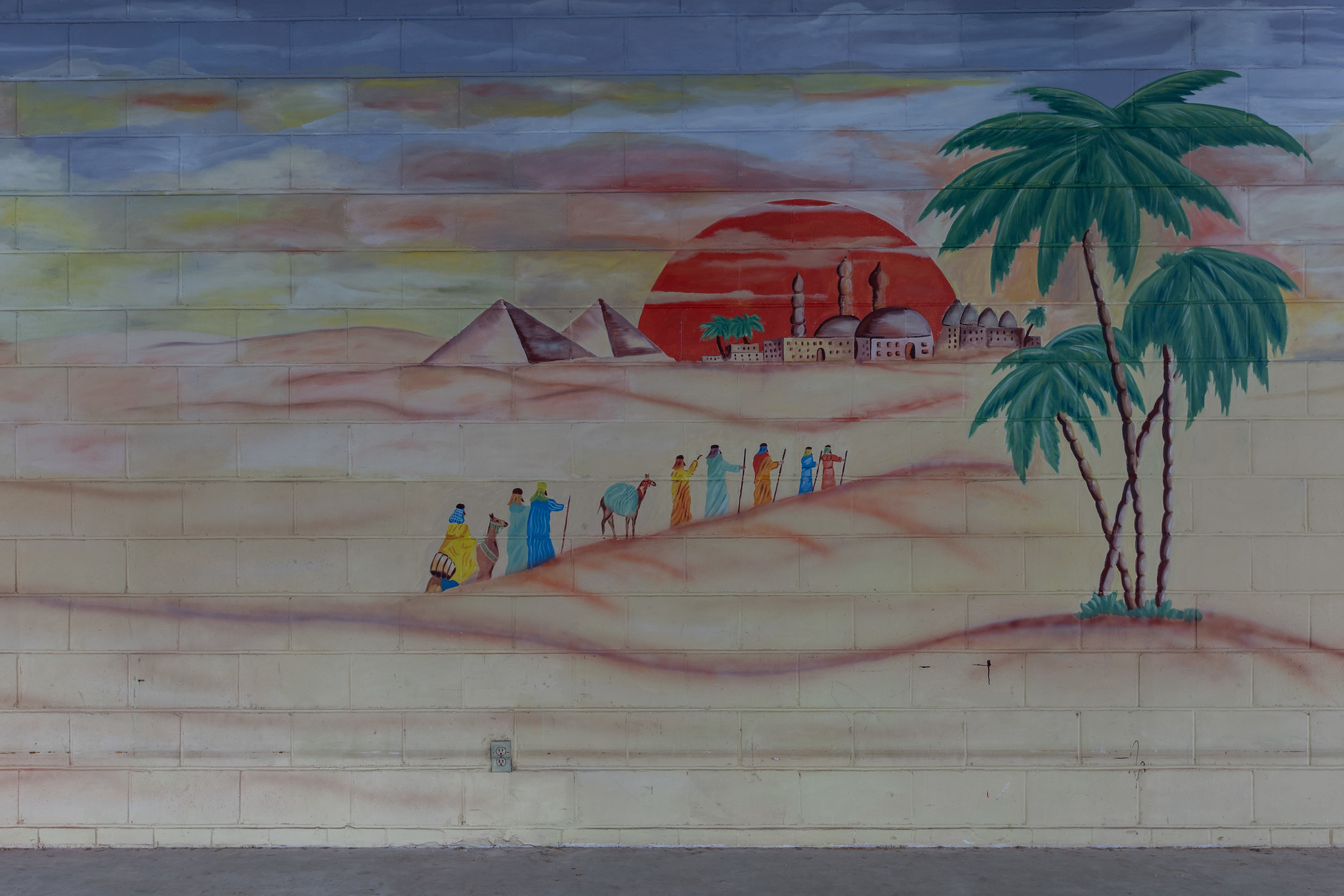
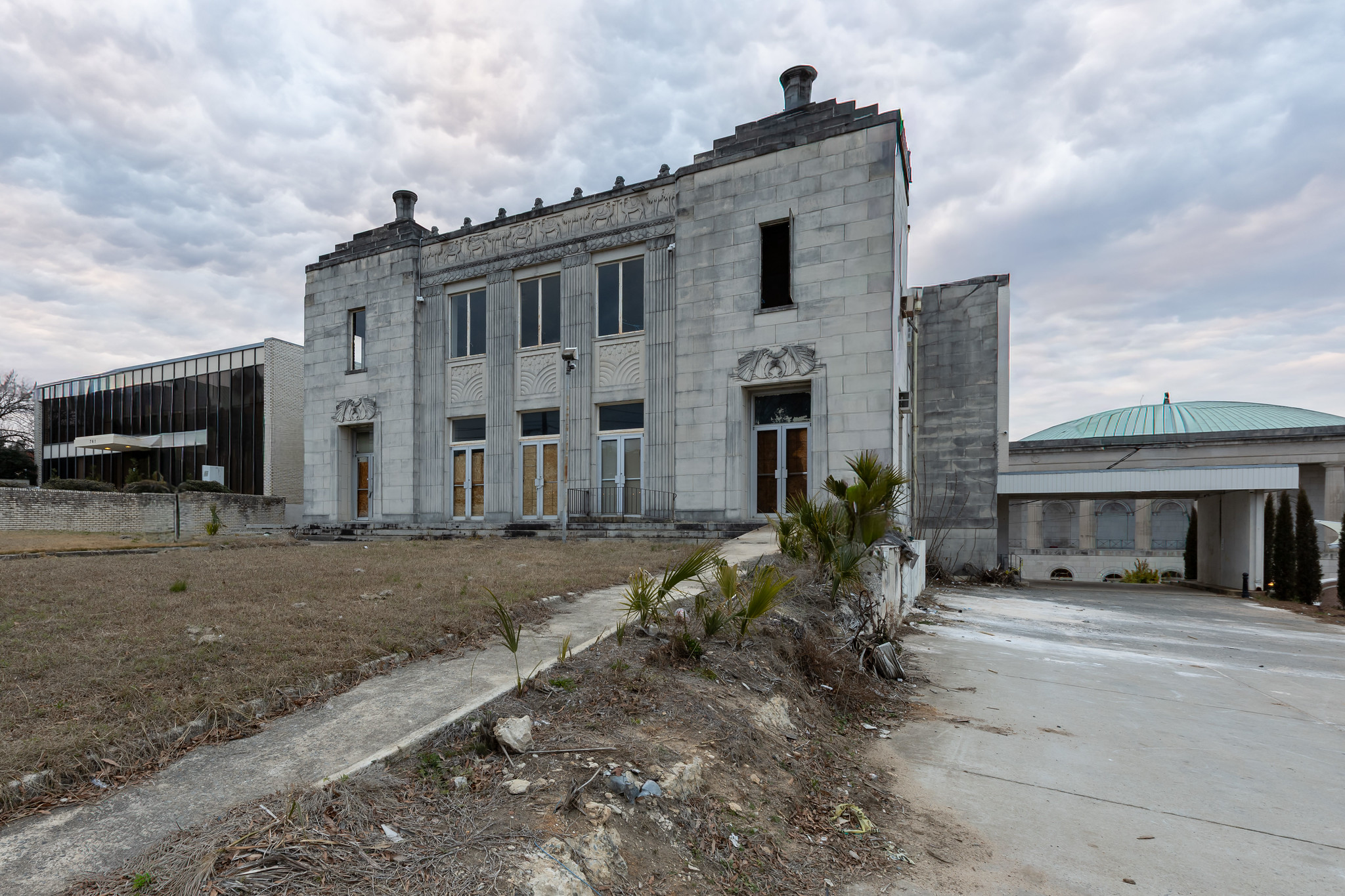
Constructed in 1931 in downtown Macon, the temple building reflects the prominence of fraternal institutions during that era, not only in its scale, but in its striking stylistic choices. While many Shriner temples drew from Moorish-inspired motifs, the Al Sihah Shrine Temple also incorporates elements of Egyptian Revival architecture, a style that gained popularity in the late 19th and early 20th centuries.
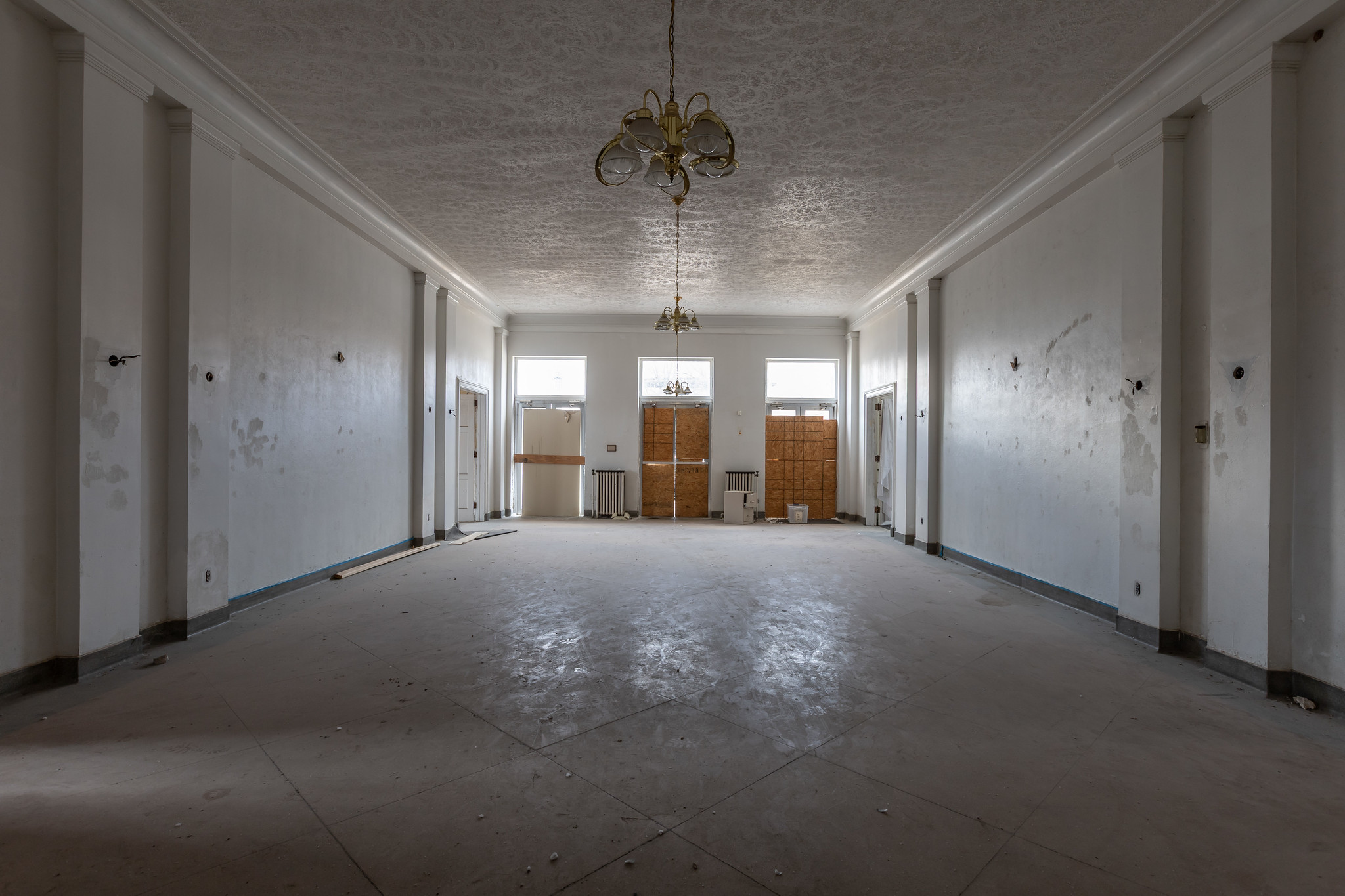
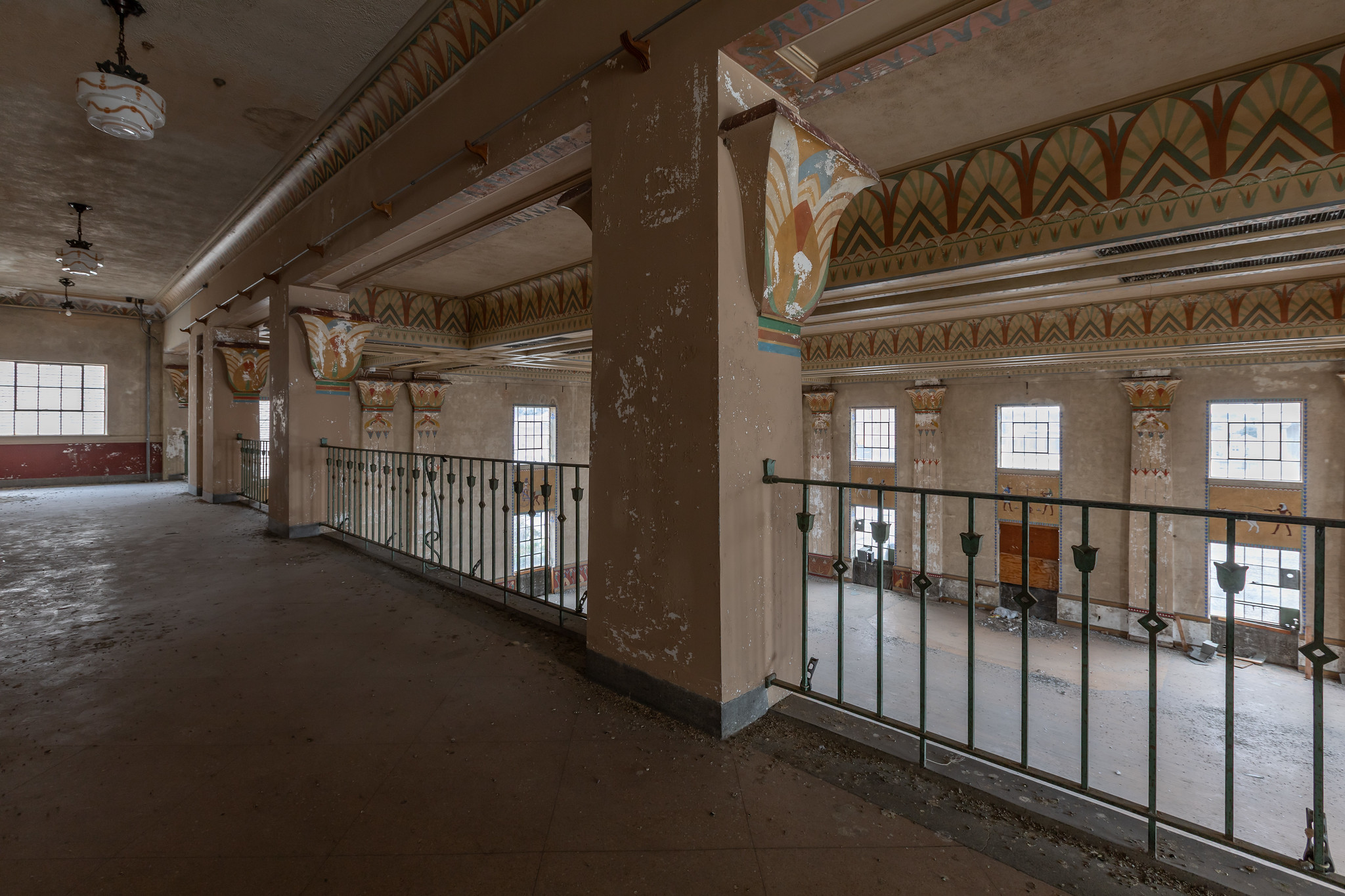
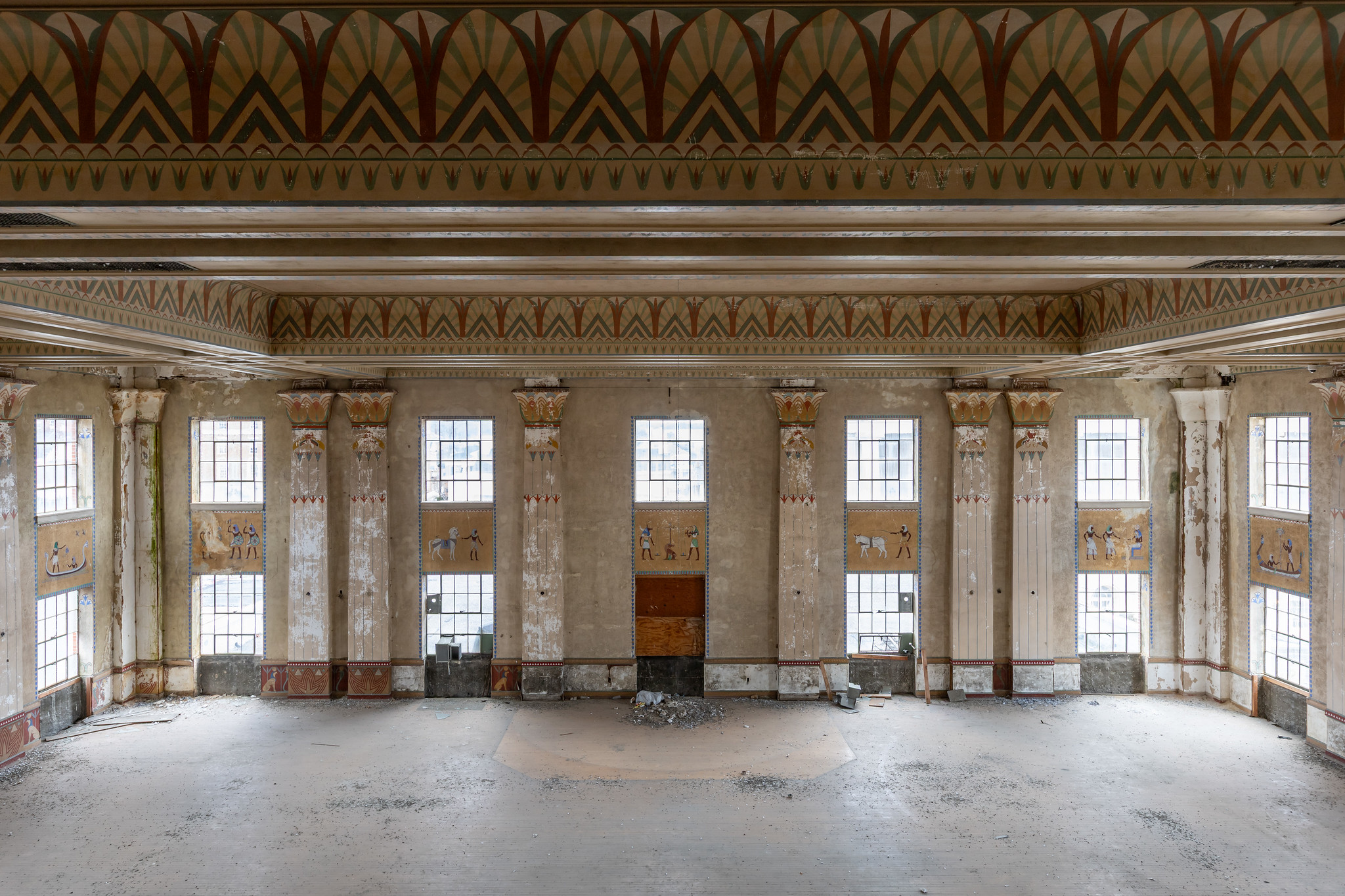
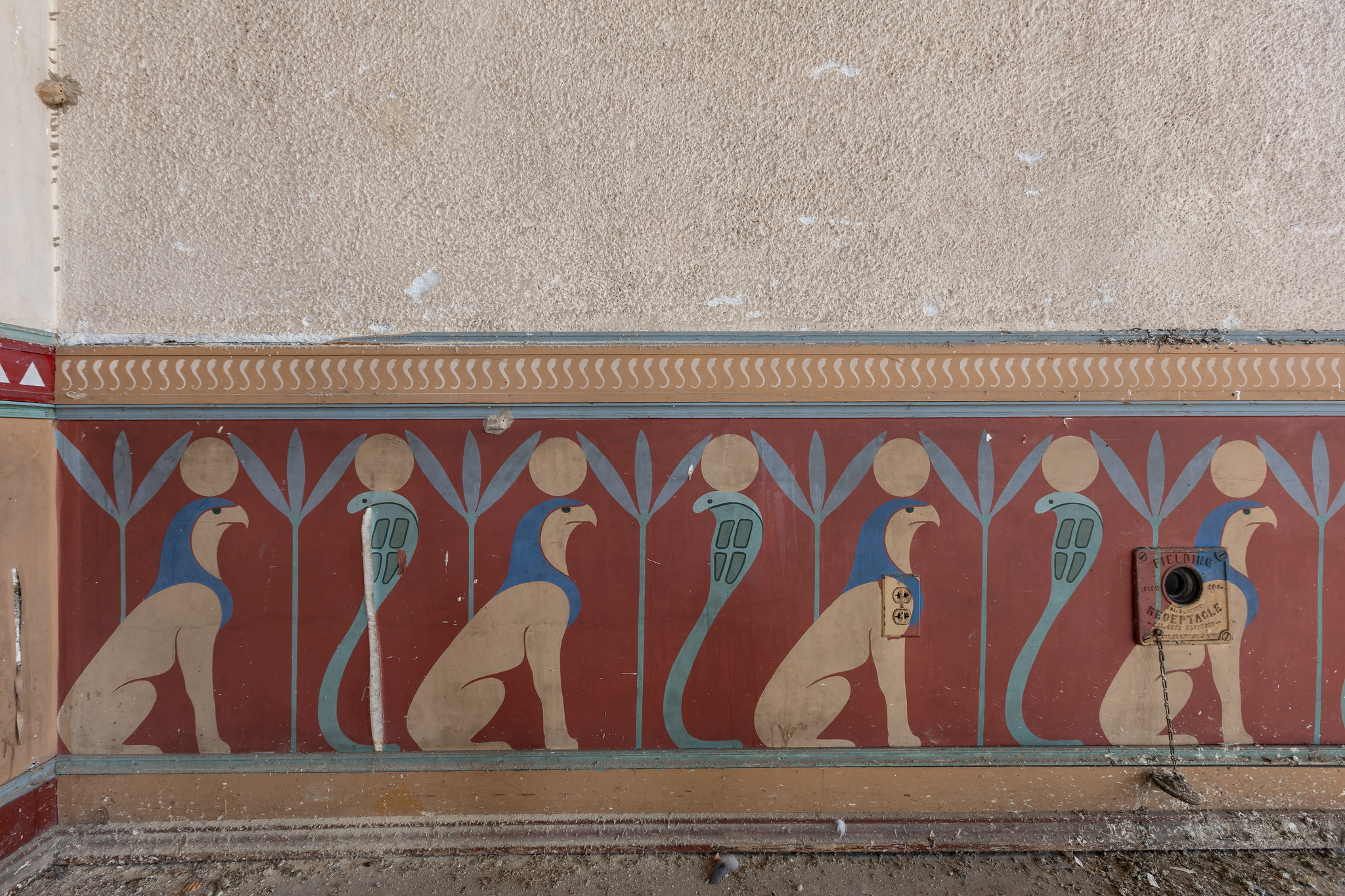
Egyptian Revival design is characterized by bold geometric forms, stylized columns, and decorative motifs inspired by ancient Egypt—such as lotus capitals, winged sun disks, and symmetrical, monumental facades. These features aligned closely with the Shriners’ ceremonial identity, which drew on imagined Middle Eastern and North African themes to create a sense of mystique and ritual. At Al Sihah, this influence is evident in the building’s strong lines, ornamental detailing, and overall sense of grandeur. The architecture was not merely decorative, but also symbolic, reinforcing the organization’s theatrical traditions and distinct cultural identity. Designed as a multifunctional gathering space, it featured expansive meeting halls and, later, a grand ballroom added in the 1950s.
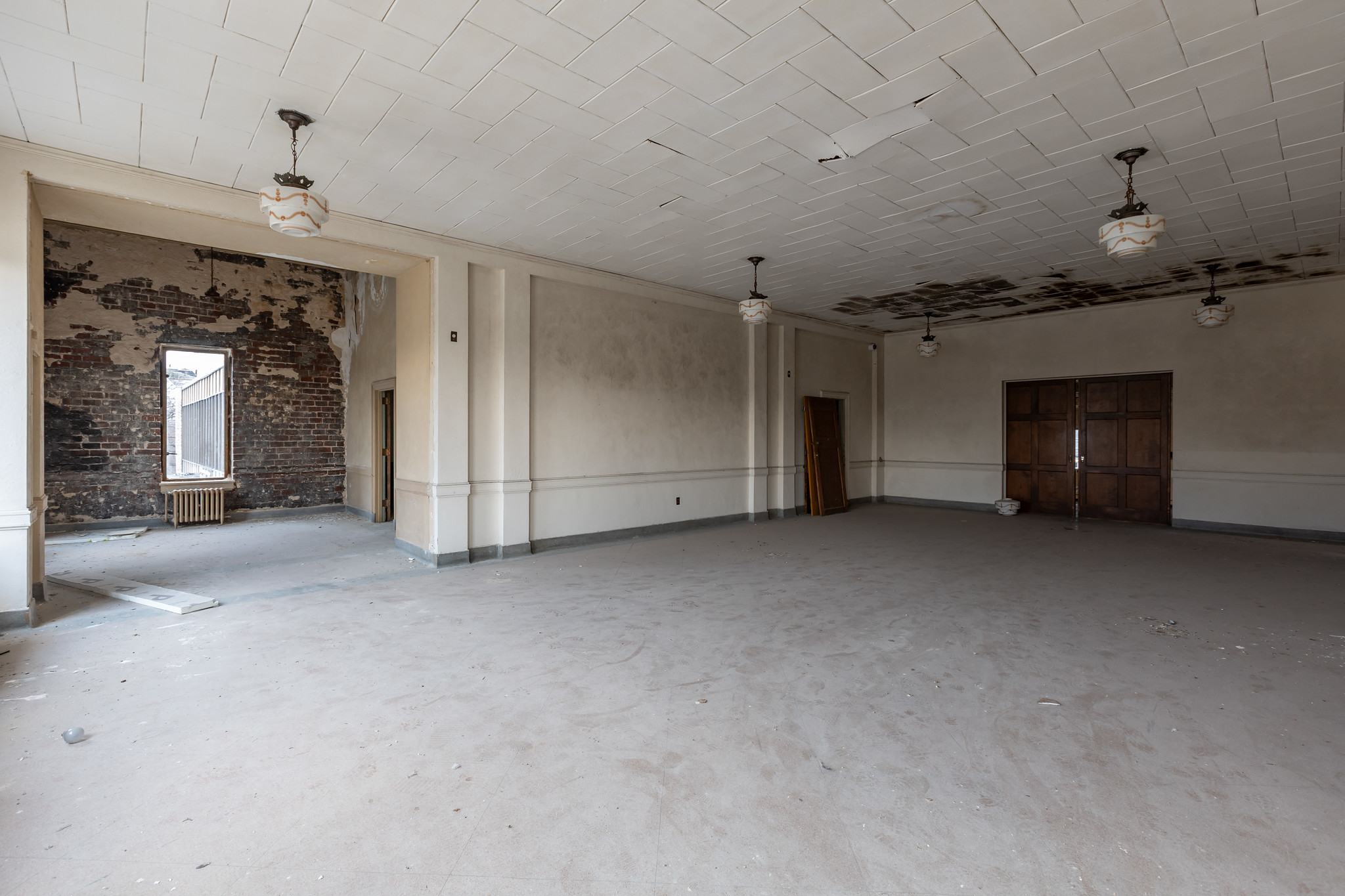
Inside, the building was further distinguished by decorative artwork from muralist Athos Menaboni, whose contributions in the early 1930s added cultural depth and artistic refinement to the space. Athos Menaboni immigrated to the United States from Italy in 1921 after serving in the Italian army during World War I. He found his way to Atlanta, where his artistic talents were quickly noticed by prominent architects, leading to commissions for decorative paintings in private residences and public buildings throughout central Georgia.
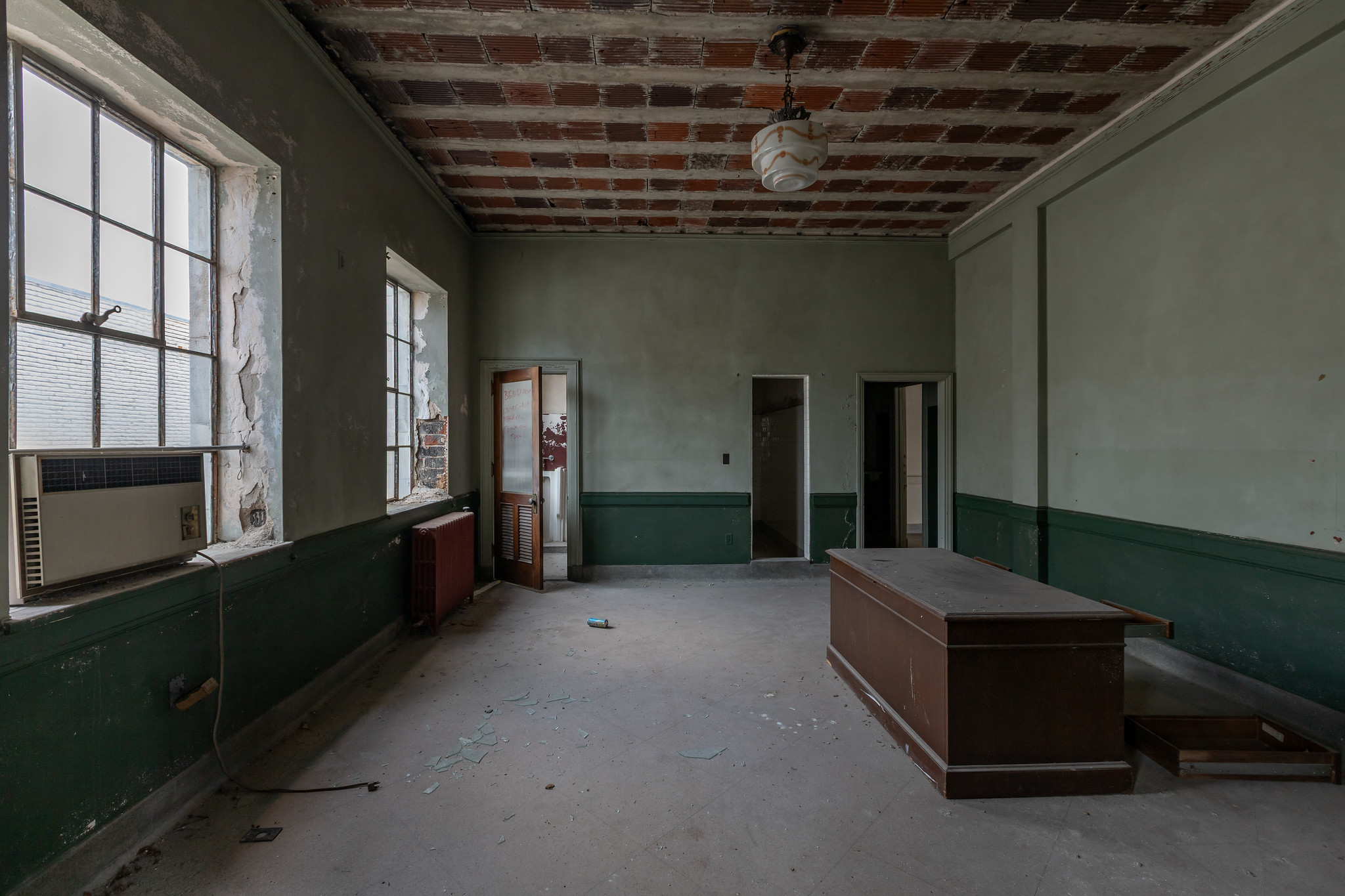
For decades, the Al Sihah Shrine Temple served as a vibrant center of social and civic activity. Members gathered for meetings, celebrations, and parades, while the organization itself maintained a visible presence in community events throughout the region. As the group expanded, it developed Shrine Park, a large property outside downtown Macon that became a hub for outdoor events, recreational activities, and organizational operations. This expansion reflected both the growth of the Shrine and its adaptability to changing member needs. Like many historic fraternal buildings, the downtown temple experienced a period of decline in the late 20th century as membership patterns shifted and social structures evolved. In 2004, Al Sihah Shriners vacated the temple building, moving their entire operations to Shrine Park.
After sitting vacant for more than a decade, the former temple building drew renewed interest in 2018 when it was purchased by Epic Venues, a California-based company. The plan was to rebrand the property as “The Temple” and transform it into an event space for weddings, banquets, and private gatherings. Although renovations began soon after the acquisition, progress abruptly stalled without public explanation.
In 2021, the property changed hands again, this time to Atlanta-based Artisan Interests, a land investment and development firm. Their vision marked a dramatic shift: converting the historic structure into an esports arena, supported by a hotel and a parking deck. Despite the ambitious proposal, little visible progress has been made since the announcement. For now, the former Al Sihah Shrine Temple remains largely untouched, an imposing, silent landmark still waiting for its next chapter.
Thank you for reading. Please share the blog with your friends. I appreciate your support. You can find me on Facebook, Instagram, and TikTok. For more amazing, abandoned places, check out my photography books.
Discover more from Abandoned Southeast
Subscribe to get the latest posts sent to your email.

I pray that it can be saved. Such a beautiful building.
LikeLike
That building is hugh and definitely has the potential to be turned into something beautiful if only the buyers/investors would stick to the plan and renovate it into something useful.
LikeLike