In 1900, the National Negro Business League included some 500 male and female funeral directors. That number swelled to thousands in the 1950s. The enduring importance of a proper burial, whether the deceased was rich or poor, has enabled Black-owned funeral homes to persevere from the industrial revolution to the modern day. These funeral parlors became more than sanctuaries for grieving families. They were also a link to African American culture.
Modern day memorials fuse American funeral staples with components of traditional African homegoing celebrations. A homegoing includes a viewing of the deceased for ritualistic bewailment and a burial set to drums, followed by a feast. When Africans were enslaved, their plantation owners did permit them to gather for private ceremonies. Slave funerals had a festive tone because death was perceived as liberation, according to historians.
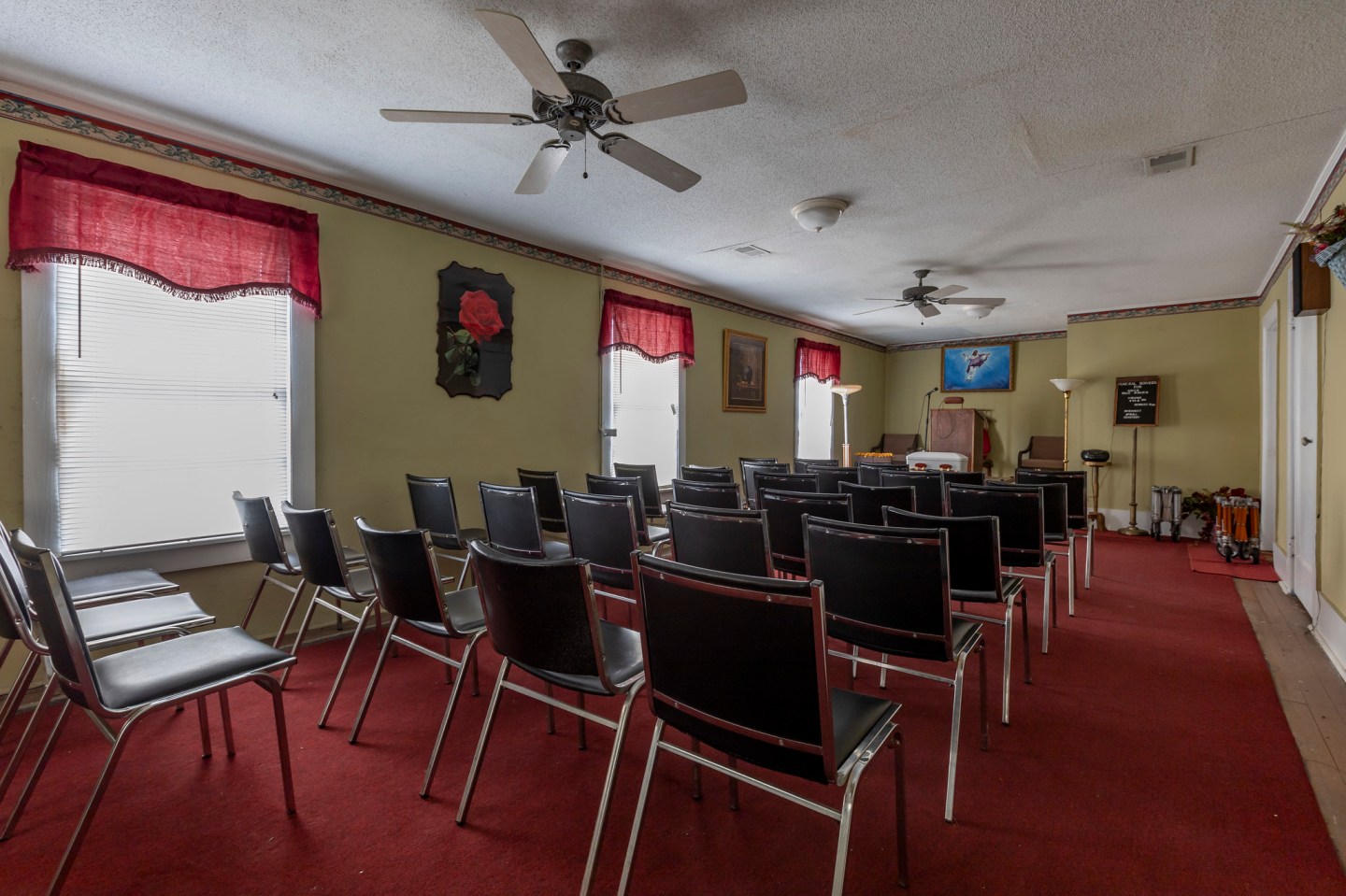
Memorial Funeral Home was established in the 1930s in rural South Carolina and was continuously operated for more than ninety years. Since its inception, the funeral home has been owned and operated solely by African American families. When the original owner died in the 1950s, one of his three sons took over and operated the business until his death in the 1990s.
Once the original family aged out of the business, Memorial Funeral Home was sold to a neighboring mortician who continued operating the facility as part of his network of funeral homes. Today, he is one of the oldest black morticians in the area. As a result of the opening of a new funeral home in 2022, he decided to permanently close this facility. Even though it has been several years since the last service was held, it appears that they could reopen at any moment.
Times have changed since the recession took hold, and the status of funeral homes as neighborhood staples has diminished. Consumers are turning to other avenues for bargains, like online shopping and big-box bargain stores, even in times of grief. These days people can go to Costco and buy ham and a casket at the same time. Urban funeral directors have seen their jobs change with the times. These small, rural communities see firsthand the consequences of gang violence and drug abuse and as many young people die as old people. Communities pool their resources to help struggling families say farewell with dignity – a testament to the persistence of tradition.


Thank you for reading this blog! Please share it with your friends. I appreciate your continued support. You can connect with me on Facebook, Instagram, and TikTok. Explore my collection of photography books to discover more incredible, abandoned sites throughout the Southeast.
Discover more from Abandoned Southeast
Subscribe to get the latest posts sent to your email.

Funeral homes has always freaked me out, especially the embalming area when I see pics of them. It’s almost rare to see one that’s in a good of condition as this one. Even though this one has only been closed for a couple of years, hopefully the current owner will consider selling it to someone who will continue to operate it for the community.
LikeLiked by 1 person