
Charlie A. Reid Sr. was born on October 25, 1918, in Augusta, Georgia. At the age of 19, he married Pauline Stapleton in 1937. They separated several years later in 1942. That same year, Reid married Edwina Charles and filed a divorce petition against Stapleton. The divorce was authorized in January 1943. Charlie A. Reid Jr. was born to Edwina Charles and Charlie Reid Sr. on August 7, 1944. In his day, Charlie A. Reid Sr. was an influential figure in Augusta, Georgia. He was a property owner, a businessman, and somewhat of a power broker in the city. He was courted politically and was thought by many to have a substantial voice in the “black vote.” Over the years, Charlie Reid Sr. owned many businesses including a motel, liquor store, bowling alley, and a barbershop. He owned six nightclubs between the 1940s and the 1980s.
In 1947, Edwina Charles filed for divorce and moved to New York. Charlie Reid Sr. remained in Augusta with his son. Charlie Reid Jr. graduated from Immaculate Conception High School in 1963. A year earlier, Reid Sr. established a funeral home business in Augusta. After high school, Charlie Jr. attended the University of Hawaii, receiving a bachelor’s degree in business administration. Shortly after college, he joined the U. S. Coast Guard where he served for 4 years. After serving his country, Charlie returned home to Georgia and attended Kerr Business Law. After a change of heart, Charlie Jr. decided to attend Gupton and Jones College of Funeral Service. He worked with his father, Charlie Sr., at Blount and Reid Funeral Home after graduating with a Mortuary of Science degree. In 1966, Charlie Reid Jr. married Anna Reid. They had two children, Marcus, born on August 3, 1972, and Katrina, born six years later on December 8, 1978.
On Christmas Day in 1970, the Internal Revenue Service assessed taxes against Charlie Reid Sr. for properties he owned around Augusta. An IRS tax lien of $111,000 was filed against Charlie Reid Jr. two years later as a transferee of his father for income he received from a nightclub titled in his name but owned jointly with his father. In 1978, around the time of Katrina’s birth, Charlie Jr. became involved in a bank fraud scheme. During this period, Charlie Jr. commuted to and from mortuary school in Atlanta so that he could learn to operate the family’s funeral home.
In January 1980, Charlie Jr. met with FBI agents and learned that he was under investigation for his participation in the bank fraud scheme. As a result of the meeting, a flurry of conveyances took place. In July 1980, Charlie Reid Jr. conveyed a substantial portion of his real property to his children, who were 2 and 8 at the time. He also purchased a parcel of land and transferred it to his mother. When asked by the FBI, Charlie Jr. stated that his father directed him to execute these conveyances.
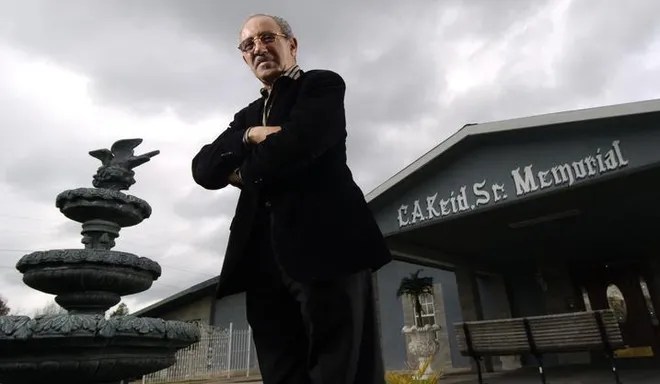
A year later, in 1981, Charlie Reid Jr. was indicted on numerous criminal charges related to bank fraud. Three weeks later, he pleaded guilty to counts one and sixteen of the indictment. After his guilty plea, Reid Jr. transferred four more properties to his mother. Several months later, Charlie Reid Jr. was sentenced to a suspended term of 4 years in prison and 5 years on probation. He was also ordered to pay a $5,000 fine and subjected to an audit to determine the amount of restitution due to the bank. In 1986, Reid Jr. was ordered to pay $25,000 in restitution. The following year, on August 4, 1987, Charlie A. Reid Sr. died at the age of 68. After his father’s death, Charlie Reid Jr. renamed the funeral home C. A. Reid Sr. Memorial Funeral Home.
Charlie Jr.’s real troubles with the IRS began around the time of his conviction. He filed income tax returns for 1979 and 1980 in 1981. When Reid Jr. filed for bankruptcy in 1984, the IRS claimed he owed more than $300,000 in taxes. According to Charlie Jr., this claim caused the dismissal of his Chapter 13 bankruptcy petition. In 1985, Charlie Jr. filed tax returns for the years 1981-1984. As part of an audit, taxes were assessed on this income beginning on March 31, 1986. The IRS also assessed additional taxes on income earned in 1979 and 1980.
To collect these taxes assessed in 1986, the government filed a lawsuit against the Reid family in March 1996. After a two-day trial in November 1999, a jury found that Charlie Reid Jr. failed to prove that the IRS assessments were incorrect. The jury also found that Reid fraudulently concealed income earned between 1979 and 1980. In the early 2000s, statutory liens arose on the properties held by the Reid family. The government also filed liens against the family members to whom Reid conveyed property.
Despite his legal troubles, Charlie Jr. continued to successfully operate his family’s funeral home business. Much like his father, he was well respected throughout Augusta and known for providing a funeral to families regardless of what they could pay. Reid’s funeral business made national headlines in 2006 when it was announced that Charlie Reid Jr. and C. A. Reid Sr. Memorial Funeral Home would be conducting the funeral of Augusta native and legendary singer James Brown. One Christmas Day 2006, James Brown died at approximately 1:45 A.M. at the age of 73 from congestive heart failure, resulting from complications of pneumonia.
James Brown’s funeral was one of the biggest funerals in Augusta’s history. Reid Jr. coordinated three separate memorial services in three different states. Reid stated to a local news outlet that moving the body became the most difficult part of the job. They missed the only flight that could have carried the casket to New York, so Mr. Reid, the Rev. Al Sharpton and William Murrell, Mr. Brown’s longtime chauffeur, spent about 28 hours on the highway driving a van carrying Mr. Brown’s gold casket. They only stopped at gas stations to fuel up and grab sandwiches, Mr. Reid said.
After Brown’s death, his relatives, a host of celebrities, and thousands of fans gathered, on December 28, 2006, for a public memorial service at the Apollo Theater in New York City and, on December 30, 2006, at the James Brown Arena in Augusta, Georgia. A separate, private ceremony was held in North Augusta, South Carolina, on December 29, 2006, with Brown’s family in attendance. Celebrities at these various memorial events included Michael Jackson, Jimmy Cliff, Joe Frazier, Buddy Guy, Ice Cube, Ludacris, Dr. Dre, Little Richard, Dick Gregory, MC Hammer, Prince, Jesse Jackson, Ice-T, Jerry Lee Lewis, Bootsy Collins, LL Cool J, Lil Wayne, Lenny Kravitz, 50 Cent, Stevie Wonder, and Don King. Rev. Al Sharpton officiated at all of Brown’s public and private memorial services.
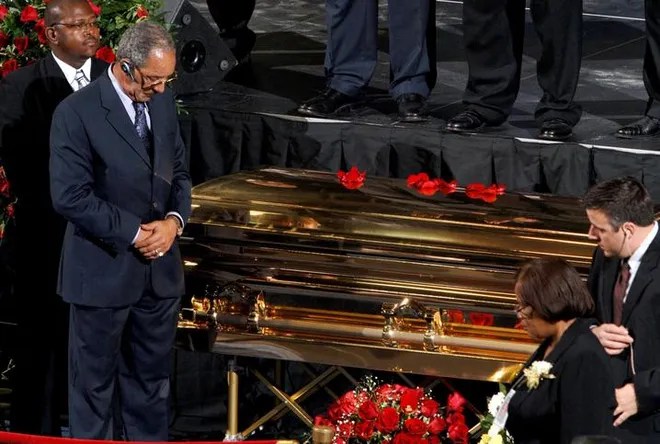
Michael Jackson made his first public appearance on American soil since the end of his criminal trial when he flew to Georgia for James Brown’s funeral. Just after midnight on December 29, 2006, Mr. Jackson made it to Reid’s funeral home, less than an hour after James Brown’s body arrived from New York. At about 12:30 A.M., Mr. Jackson walked into Charlie Reid’s establishment and asked for the funeral director to raise the lid of the gold-plated casket. As Michael gazed at James Brown’s embalmed body lying on a bed of cream-colored satin, wearing a black jacket over a ruffled red shirt, he kissed his forehead. To create the slightly disheveled look he had seen so many times before, on stage and in photographs, he ran his hands through Brown’s freshly oiled pompadour. Moments later, Reid was preparing to reclose the casket’s lid. Michael Jackson, though, showed no signs of leaving. “Normally, a person comes in, views, and that’s pretty much it,” Reid explained, but Jackson remained beside James Brown’s body for four and a half hours.
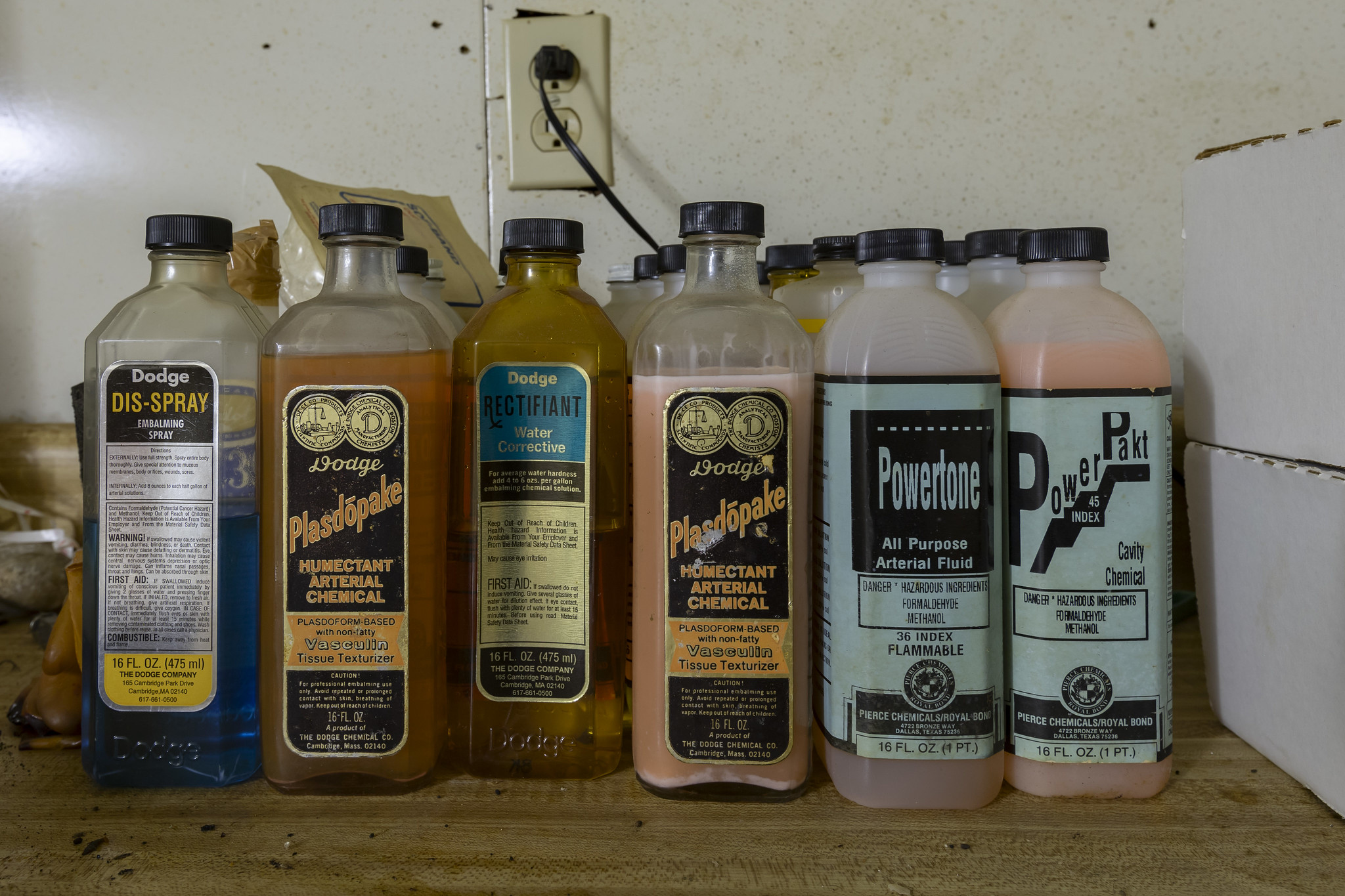
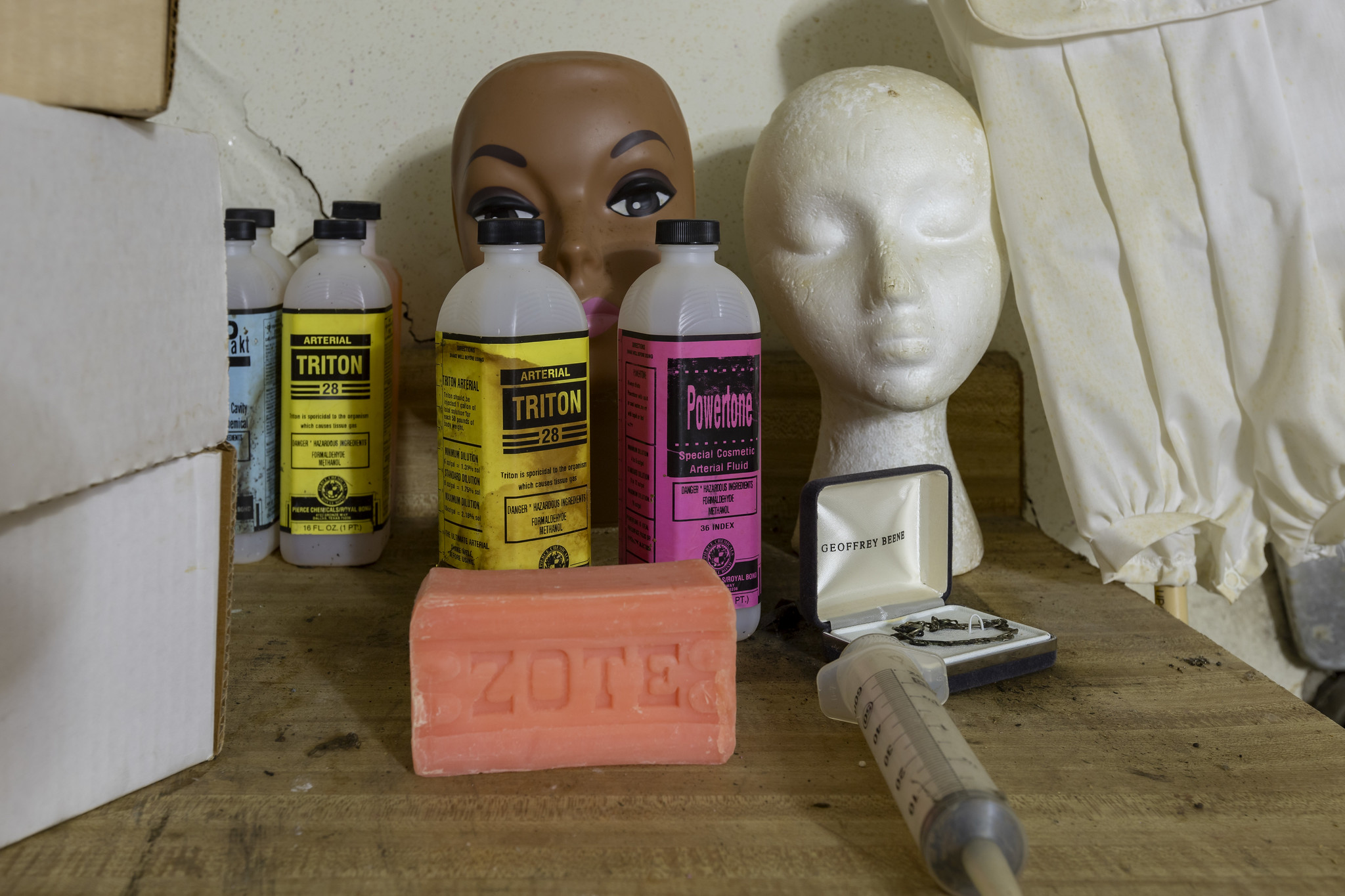
Mr. Jackson spent the first hour just standing and looking, Reid recalled. After a while, he began to tell the funeral director how much Mr. Brown had meant to him, telling him that when he was 6 or 7 years old, his mother would wake him up whenever James Brown was on television, so he could watch his idol dance. In the aftermath of Michael Jackson’s criminal charges, Brown was one of the first black celebrities to offer support. After about an hour beside Mr. Brown’s casket, Mr. Jackson began to ask the funeral director a series of very specific questions about the preparation of a dead body. “He wanted to know how it was done,” Reid recalled. Mr. Jackson made him go through the entire process in elaborate detail. The funeral director explained how one goes about setting the features with eye caps and a needle injector as his famous visitor listened intently. “What types of fluids do you use and how do you put them in the body?” Jackson asked. He was asked to describe the various embalming processes, things almost no one outside of the mortuary profession wanted to learn. Mr. Jackson’s questions were not morbid, though, Reid said, not at all. Mr. Jackson was humble in his curiosity, very respectful, and genuinely kind. He just wanted to know. It was almost 5:00 A.M. when Michael finally told Reid to close the casket and then walked back out of the funeral home. Michael Jackson would be the star attraction at James Brown Arena the next day. He spoke to a crowd of 8,500 before the Rev. Al Sharpton delivered a stirring eulogy. Michael made his deepest impression on those who saw television footage of the funeral when he bent over the gold casket and kissed the corpse of James Brown on the lips.
Brown’s memorial ceremonies were all elaborate, complete with costume changes for the deceased and videos featuring him in concert. His body, placed in a Promethean casket—bronze polished to a golden shine—was driven through the streets of New York to the Apollo in a white, glass-encased horse-drawn carriage. In Augusta, his memorial procession stopped to pay respects to his statue, on the way to the James Brown Arena. During the public memorial there, a video showed Brown’s last performance in Augusta, Georgia, with the Ray Charles version of “Georgia on My Mind” playing soulfully in the background. His last backup band, the Soul Generals, also played some of his hits during that tribute in the arena. The group was joined by Bootsy Collins on bass, with MC Hammer dancing James Brown style. Former The Temptations lead singer Ali-Ollie Woodson performed “Walk Around Heaven All Day” at the memorial service. James Brown was buried in a crypt at his daughter’s home on Beech Island, South Carolina.
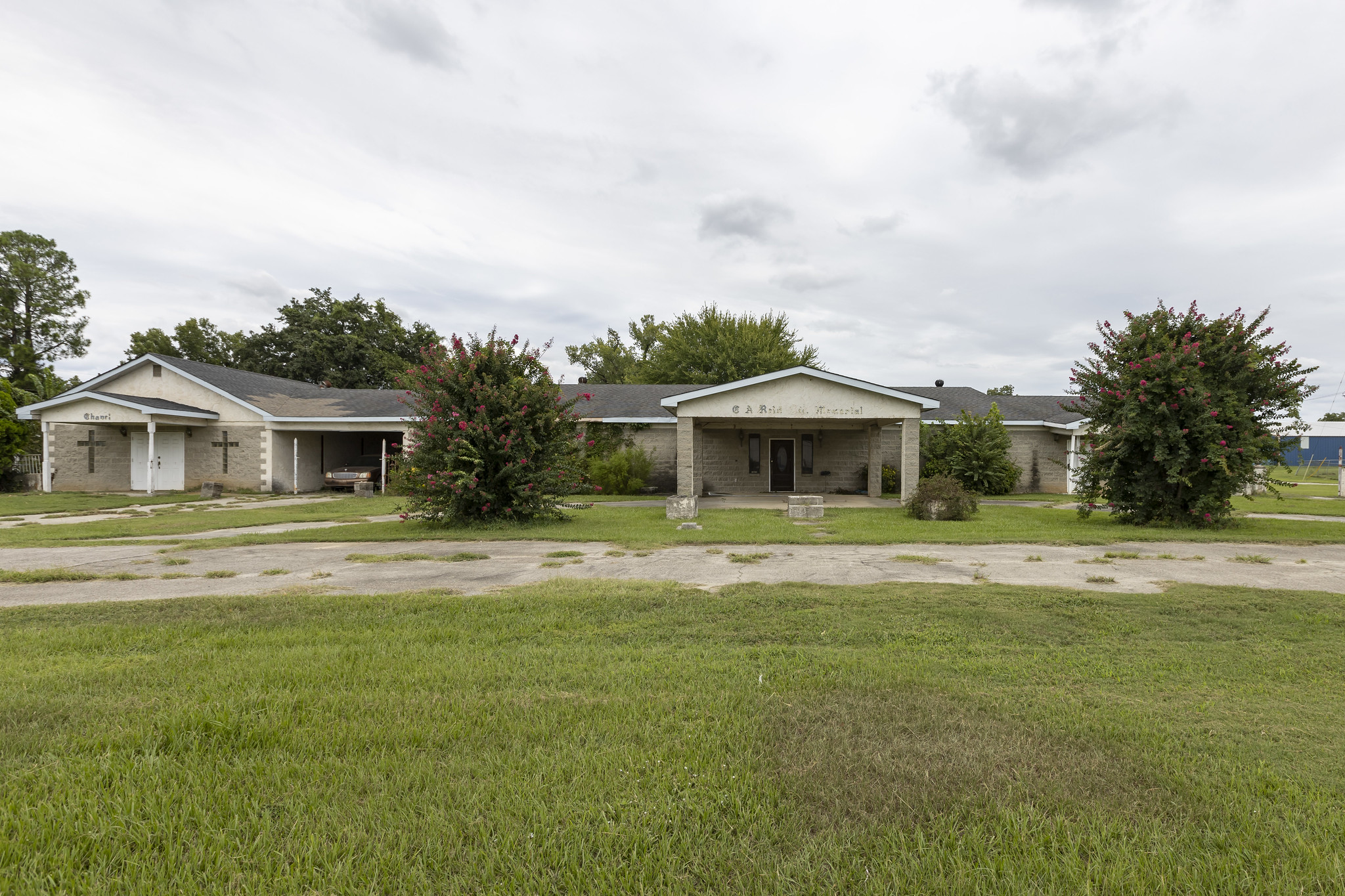
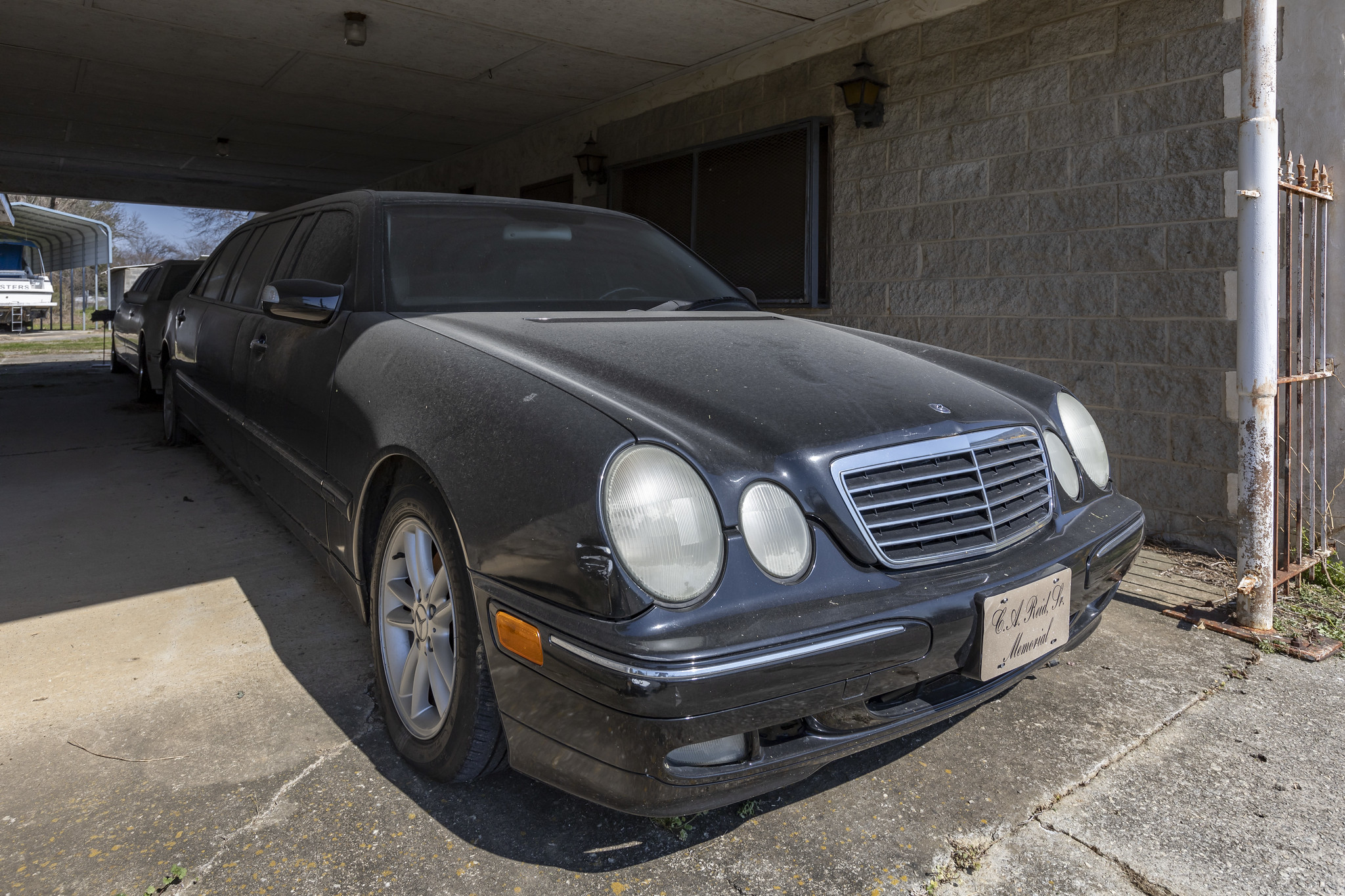
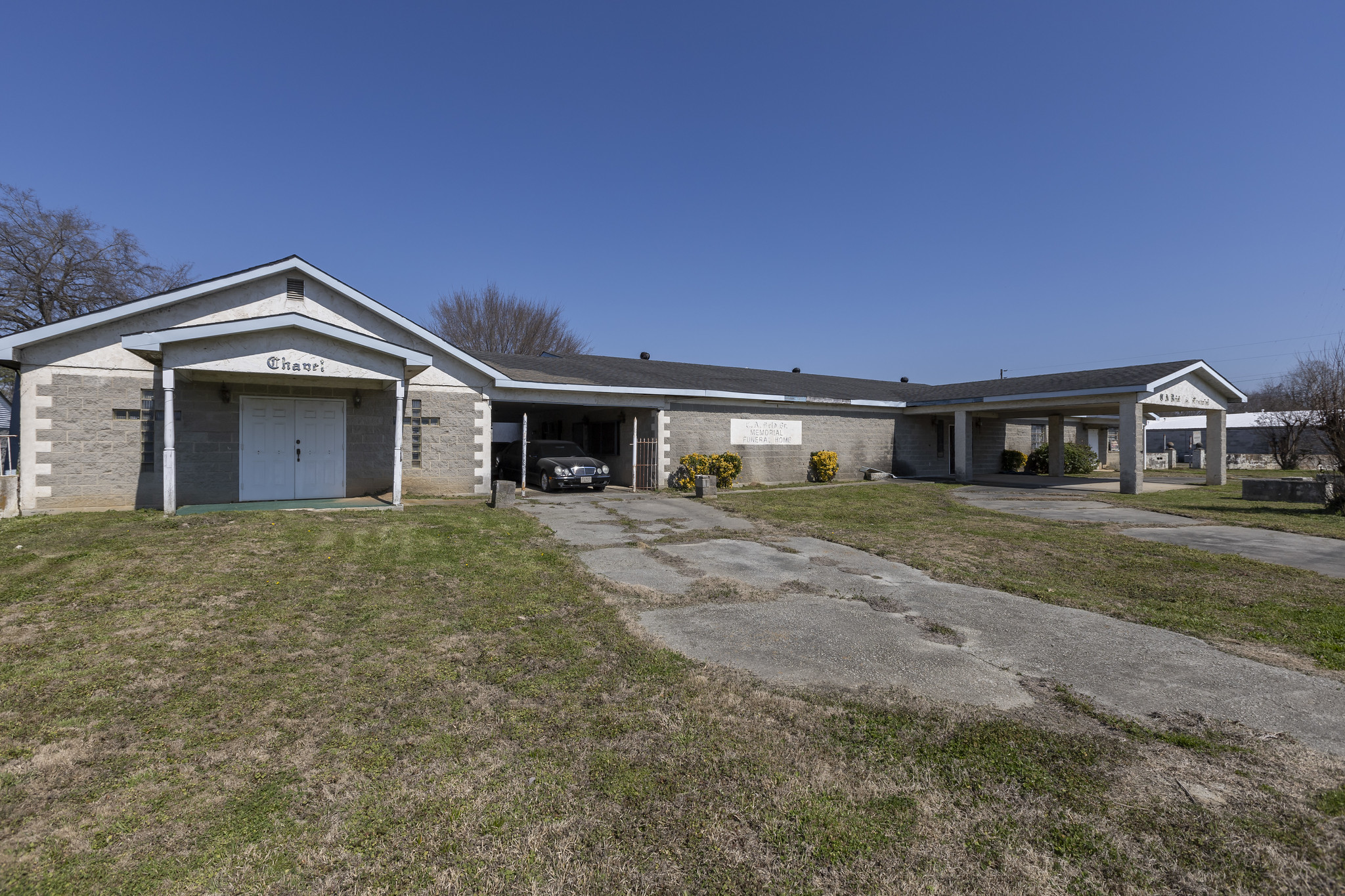
It was no secret that James Brown and Charlie Reid Jr. were old friends. Charlie Reid Jr. Knew Brown for most of his life. They met when Reid was about 9 years old while Brown was performing at one of his father’s nightclubs. More than a decade after meeting in the 1960s, the Reid family and Brown joined together to open The Third World, a high-class live music disco dance nightclub, where the doormen wore tuxedos. Ray Charles even performed there. Charlie Reid later moved his father’s funeral home to the old Third World building on Laney-Walker Boulevard, and in 1990 opened C. A. Reid Sr. Memorial Funeral Home, easily identified by the concrete statues of Mary, Jesus, and twin lions guarding a fountain. In a twist of irony, after his unexpected death, James Brown’s body was taken to Reid’s, which was his former nightclub.
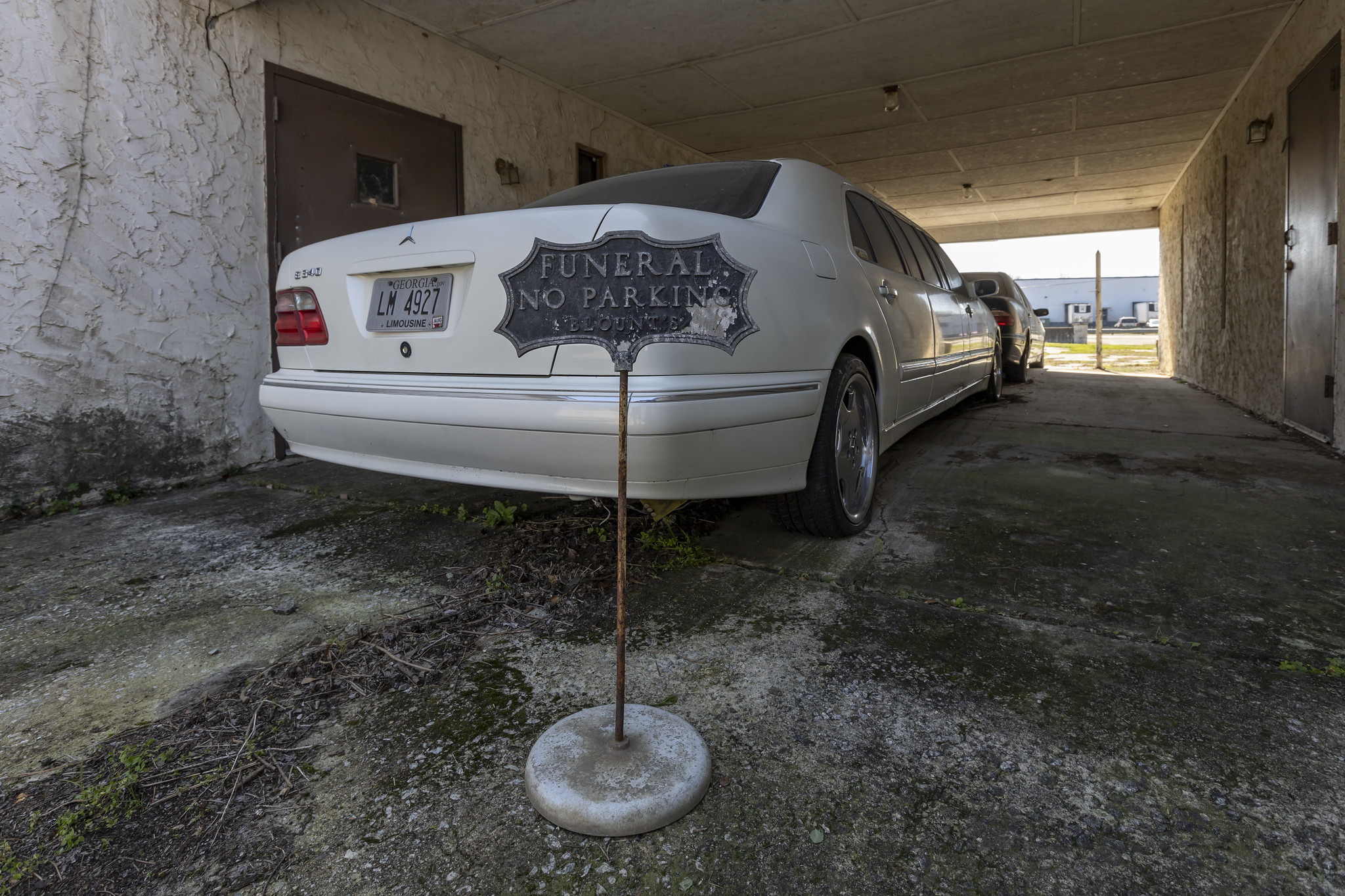
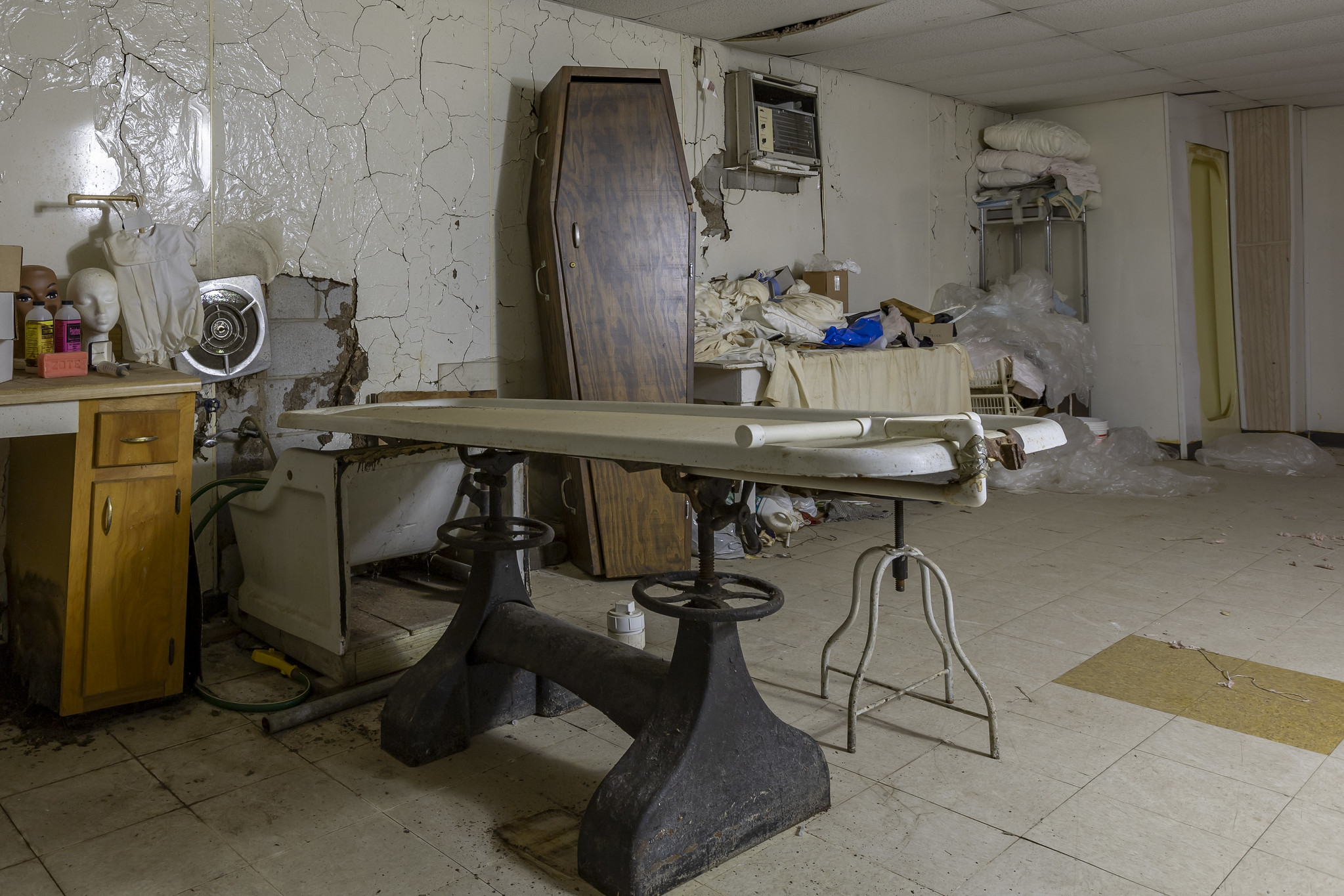
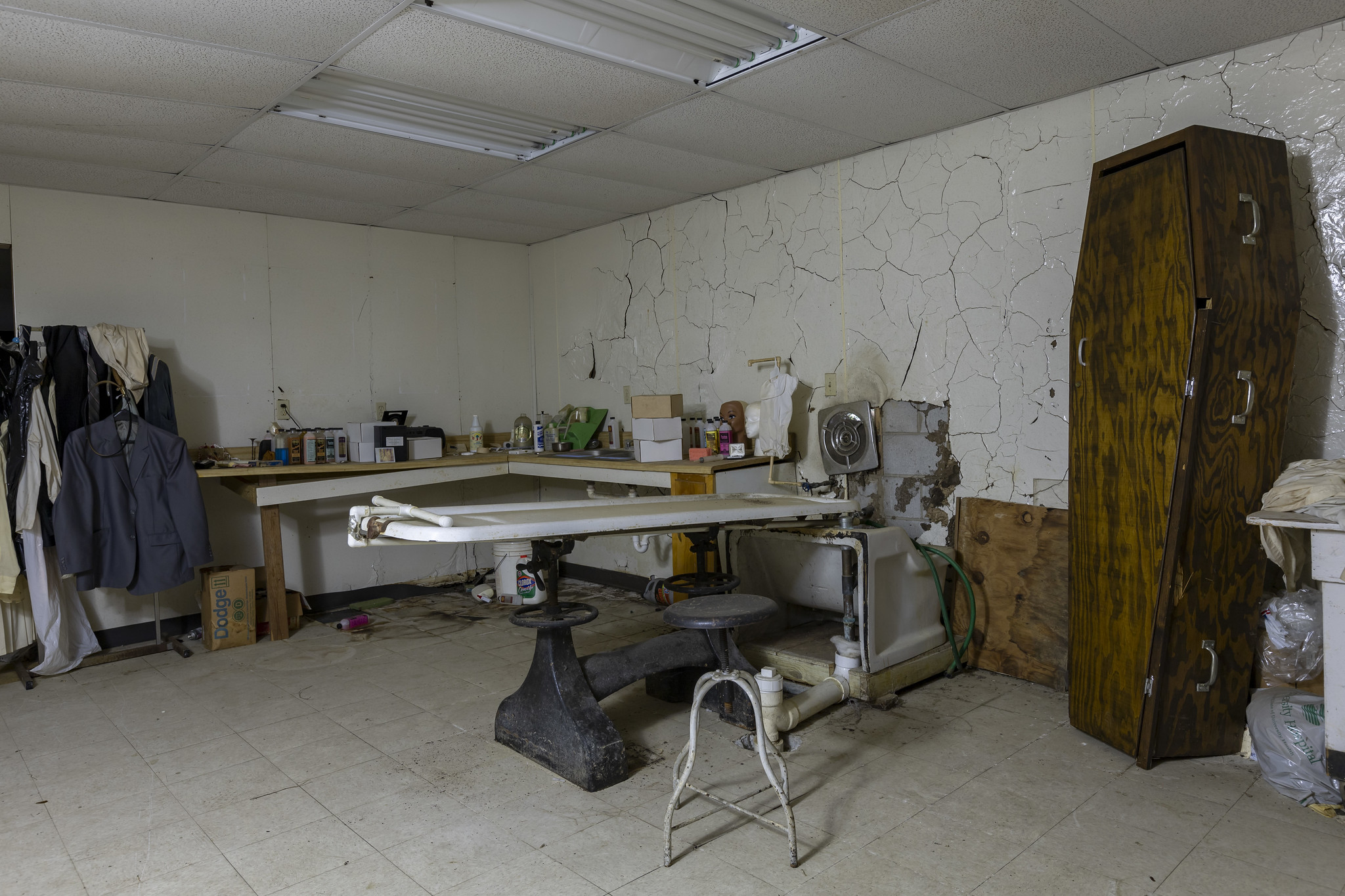
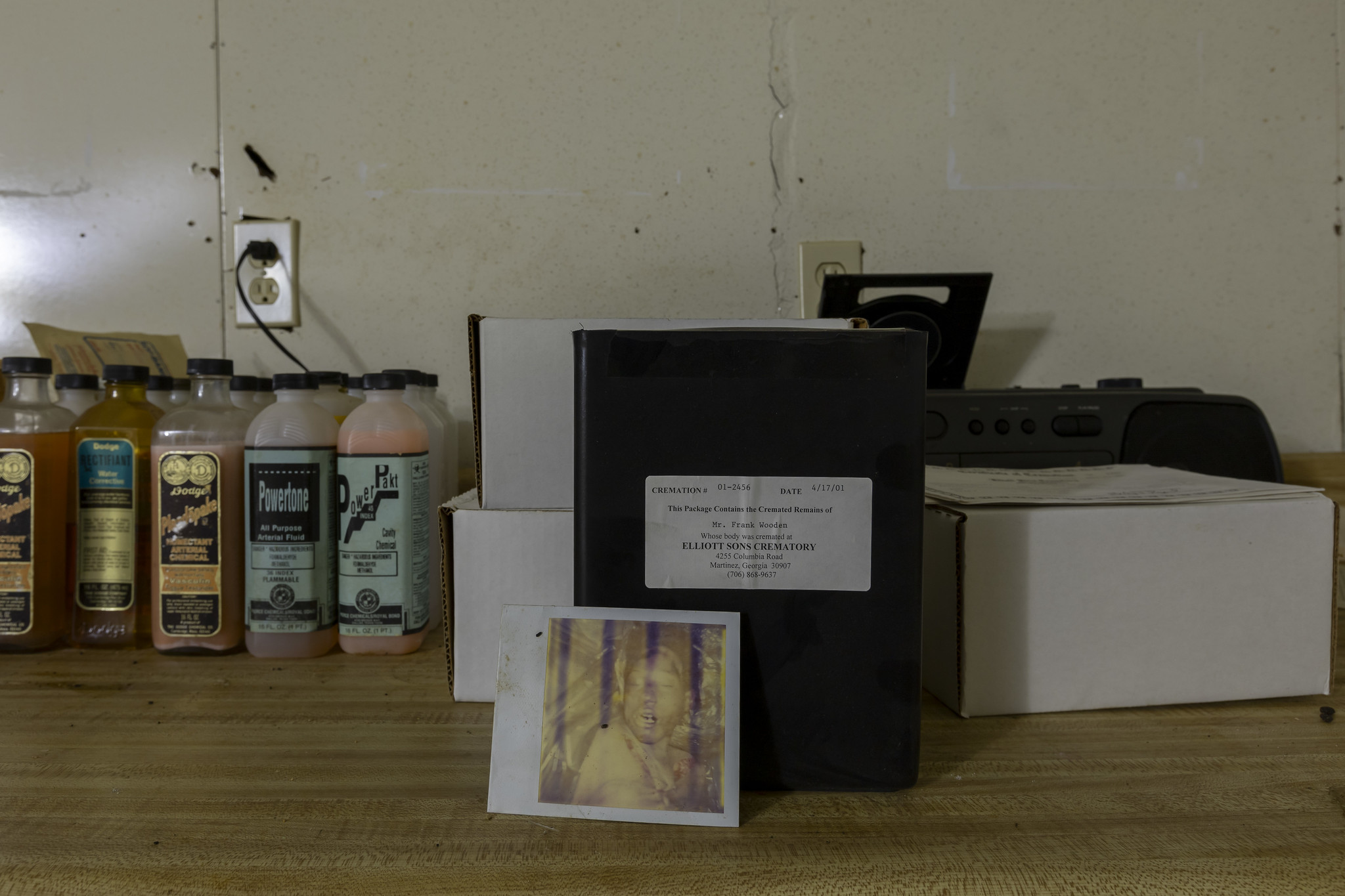
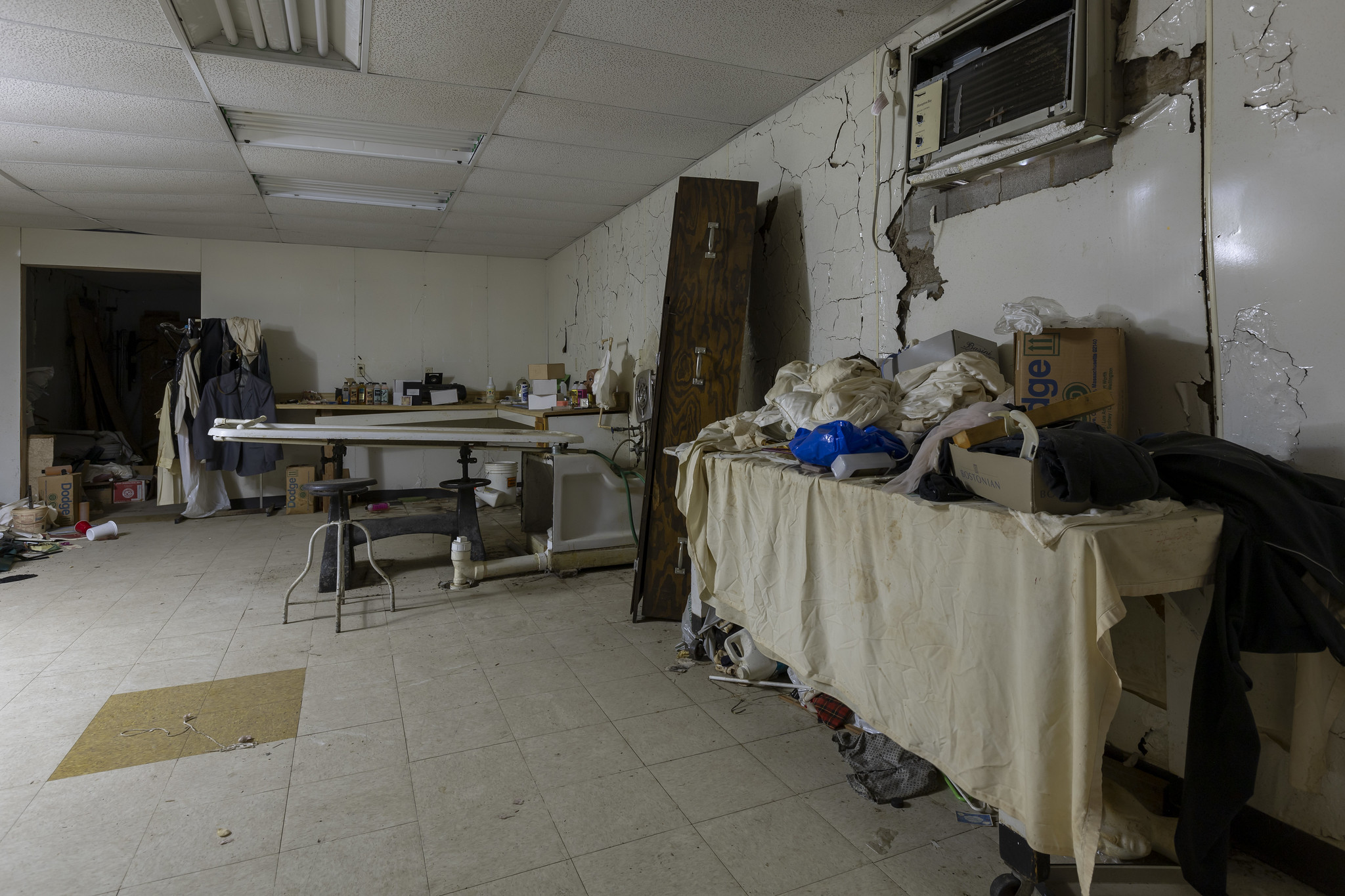
About five years after it opened, a suspicious fire closed the Third World nightclub in 1973. Investigators found a jar containing nearly a pint of gasoline near its front, according to The Augusta Chronicle. No one was ever charged for the fire, and Mr. Brown long maintained that the blaze was set by people who did not want to see him succeed in Augusta. His revenge song, The Payback, released later in 1973, supposedly was inspired by his anger over losing the club. James Brown later opened another club on 15th Street which Reid Jr. helped design. Sadly, Charlie Reid Jr. died unexpectedly on May 14, 2001. The family funeral business remains active. Reid’s sons Marcus, Christian, and Charlie III currently operate the C. A. Reid Sr Memorial Funeral Home. The former funeral home next door is used mostly for storage.

Thank you for reading. Please share the blog with your friends. I appreciate your support.
You can find me on Facebook, Instagram, and TikTok. For more amazing, abandoned places from across Georgia, check out my photography books.
Discover more from Abandoned Southeast
Subscribe to get the latest posts sent to your email.

Thank you for everything you do that most people can not. Having respect for these places is a great thing in my opinion because history really gets forgotten about especially with the younger generations 1990s, 2000s +. History will eventually be forgotten unfortunately unless people like yourself keep it alive. It seems now days the only History people want to talk about on TV is racism which is sad. It is killing this great and historic country of ours. Once again think you from one history buff to another. I was raised in Jacksonville, Florida. Their is so much history here that is hidden people don’t even know about or they just forgot. If you ever want a historic tour of Jacksonville feel free to reach me anytime before they tare some of these places down which won’t be long from now. I also know of many places in southeast Alabama.
Thanks, Cory
LikeLike