During the 1800s, tuberculosis – or consumption as it was called – had killed one in seven of all people who had ever lived. Not only was tuberculosis a leading cause of death, but it was also one of the most feared diseases in the world. At the time, there were no reliable treatments for tuberculosis. Some doctors prescribed bleeding and purging, but most often, simply advised patients to rest, eat well, and exercise outdoors. It was estimated, that at the turn of the 20th century, 450 Americans died of tuberculosis every day, most between the ages of 15 and 44. The disease was so common and so terrible that it was often equated with death itself.
Tuberculosis was primarily a disease of the city, where crowded and often filthy living conditions provided an ideal environment for the spread of the disease. The urban poor represented the vast majority of tuberculosis victims. Throughout the 1800s and early 1900s, patients sought treatment in sanatoriums, where it was believed that rest and a healthful climate could change the course of the disease. In 1882, German microbiologist Robert Koch’s discovery of the tubercle bacillus revealed that tuberculosis was not genetic as many had believed, but rather highly contagious. After some hesitation, the medical community embraced Koch’s findings, and the United States launched massive public health campaigns to educate the public on tuberculosis prevention and treatment.
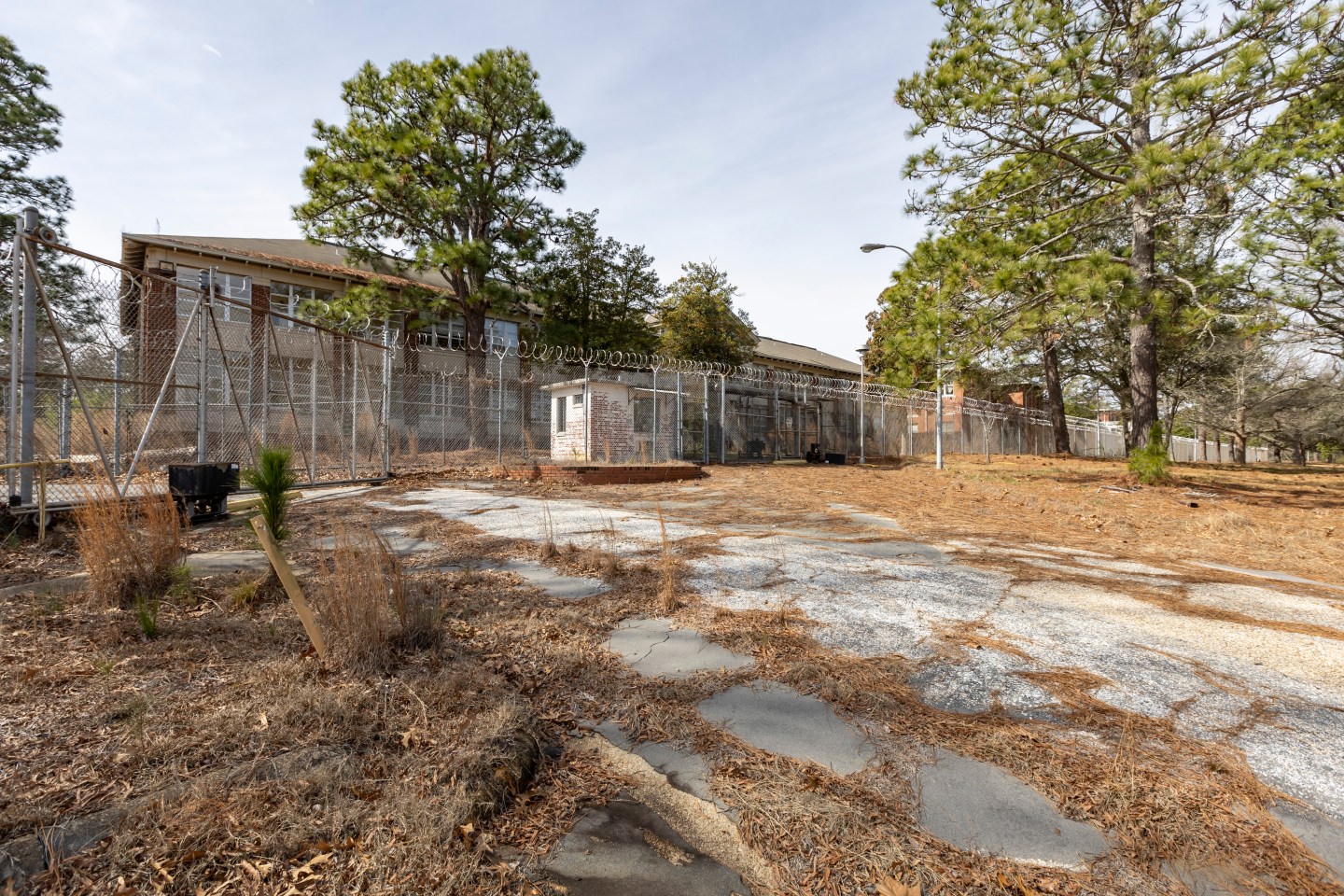
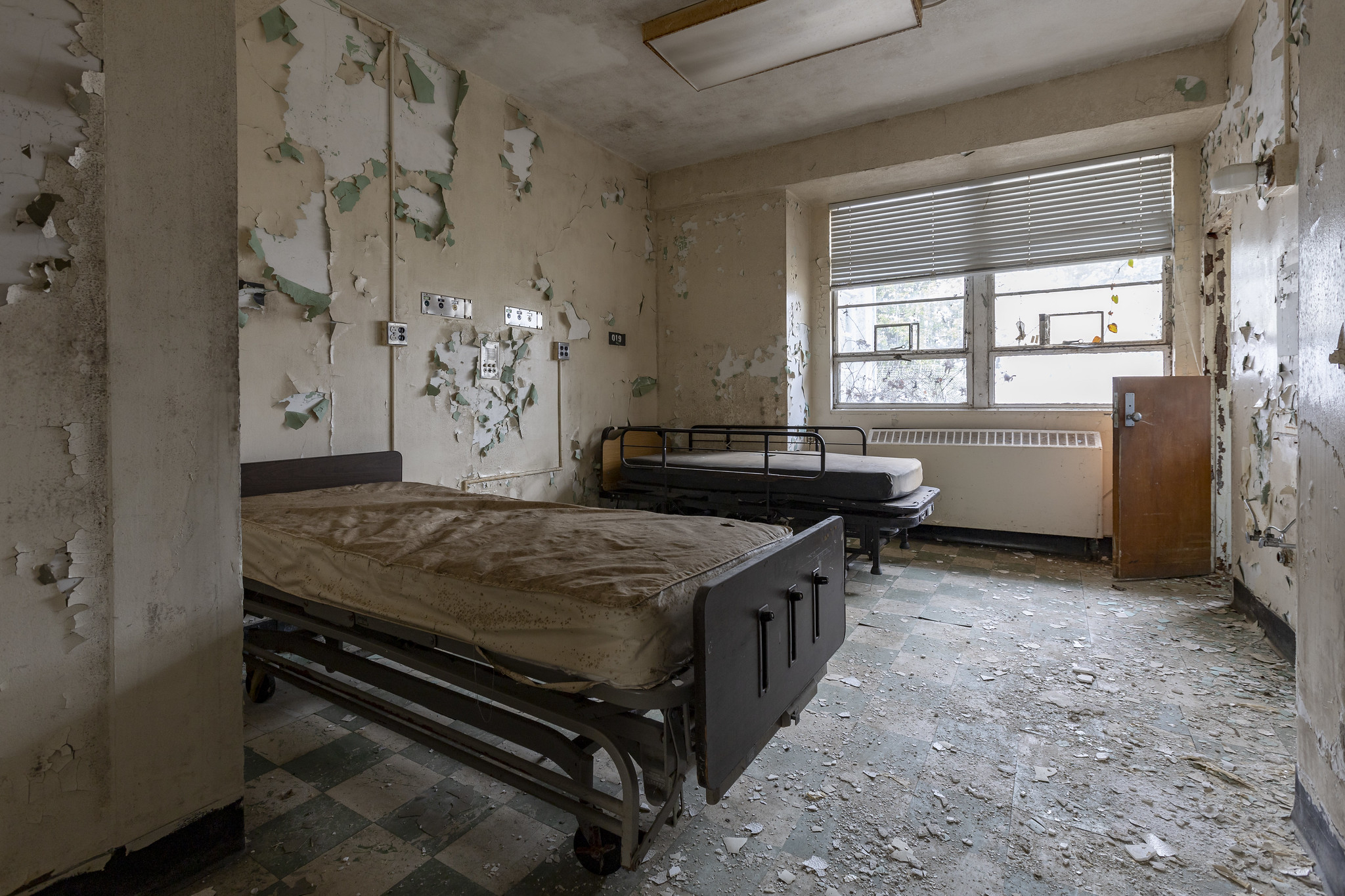
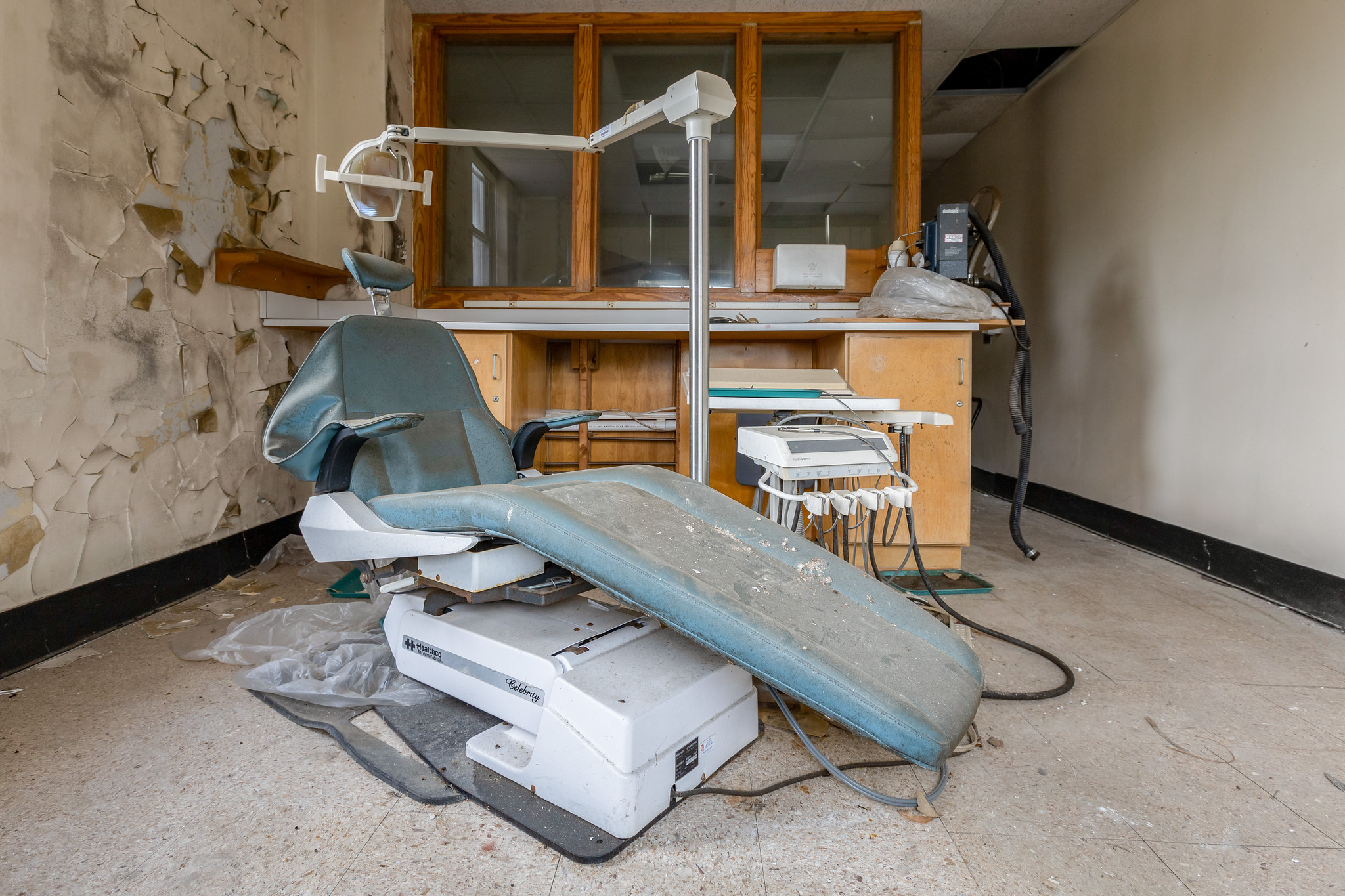
In the early 1900s, many private resorts and county-owned sanatoriums began opening across the South to treat the disease. Most of these places were considered upscale and limited to those that could afford it. To combat the growing epidemic, government funding was secured to purchase land and build a sanatorium. The fear of spreading the infection led to its construction far from the nearest town. This state sanatorium originally opened in 1908 with a capacity of 32 patients.
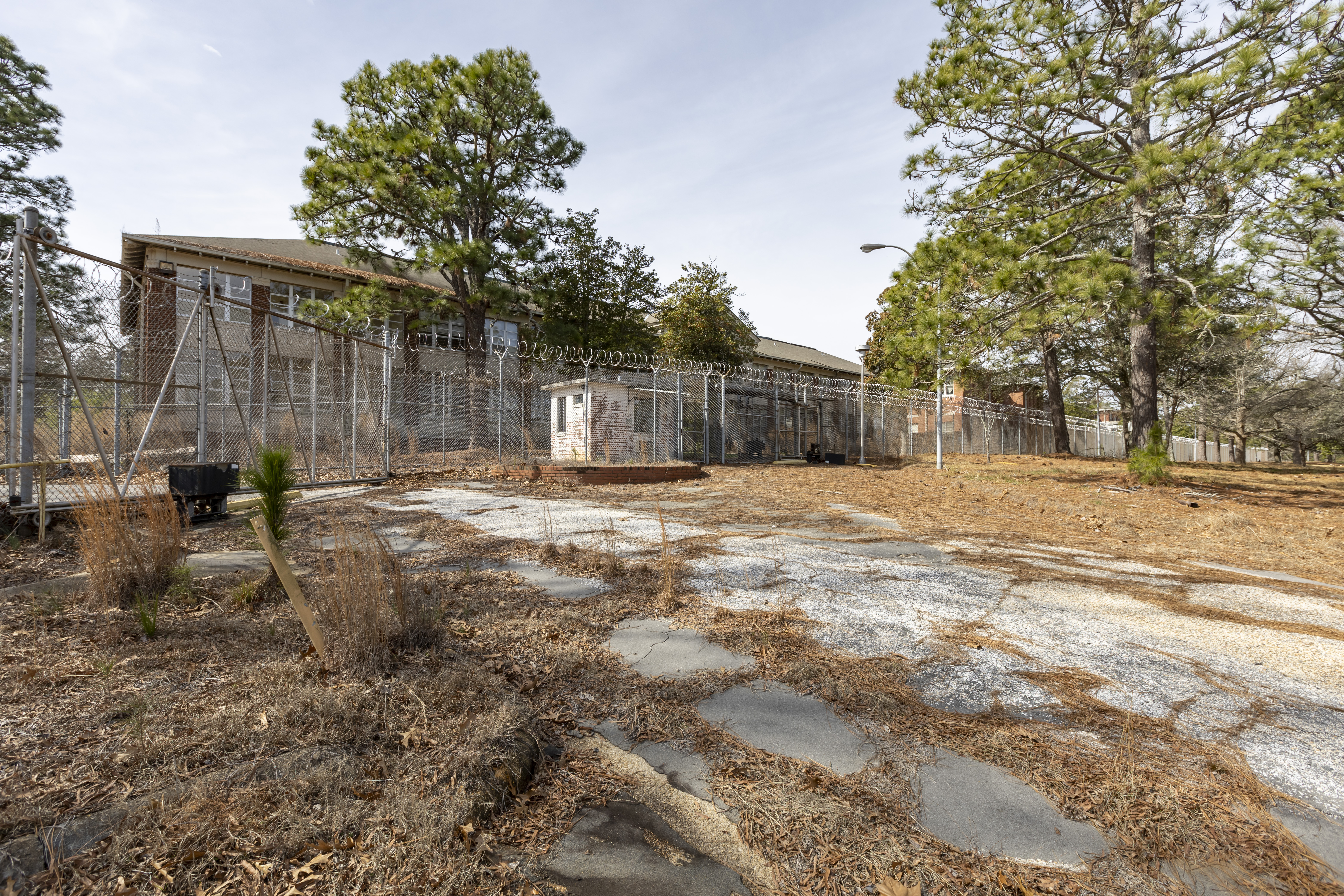
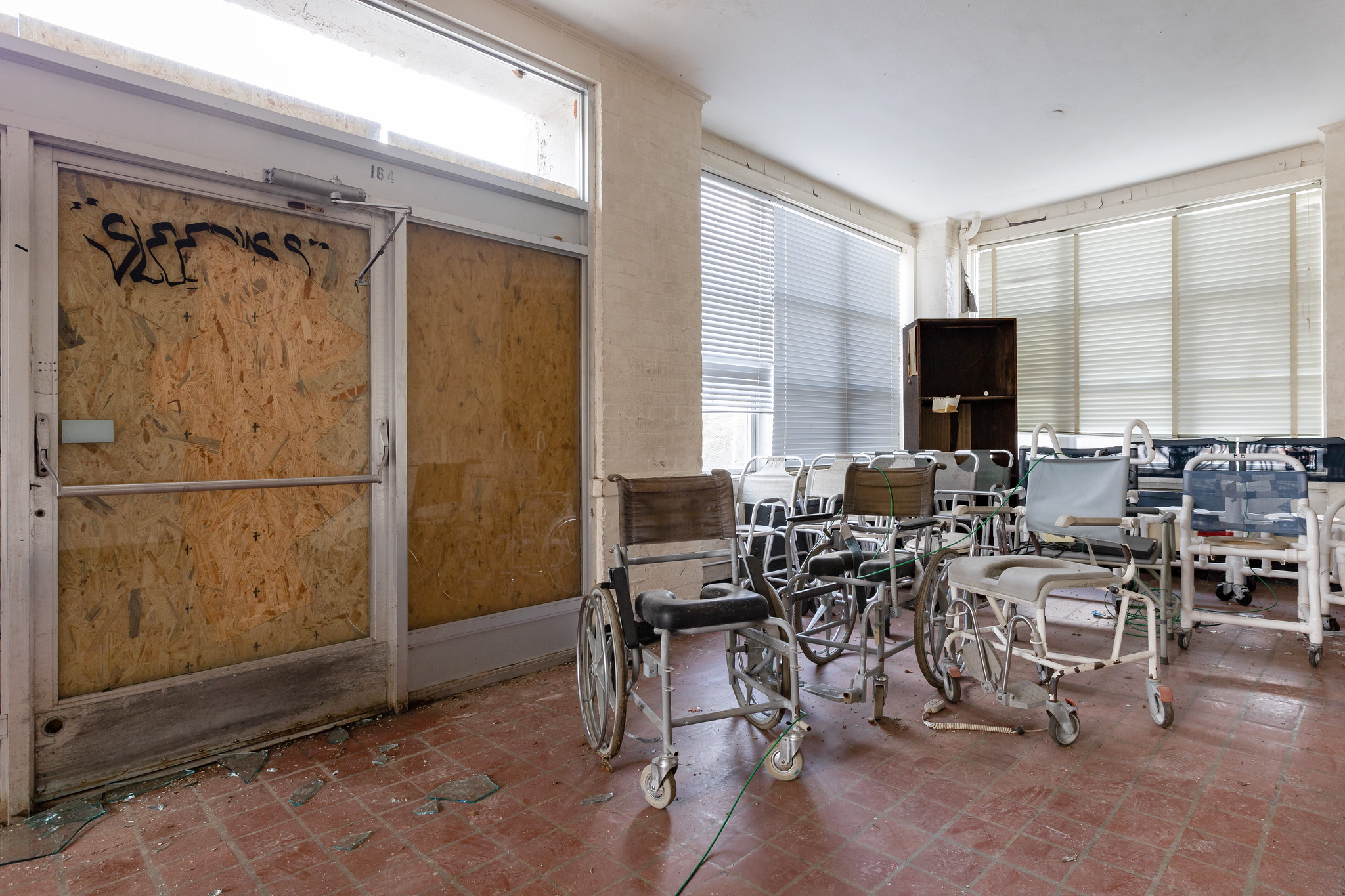
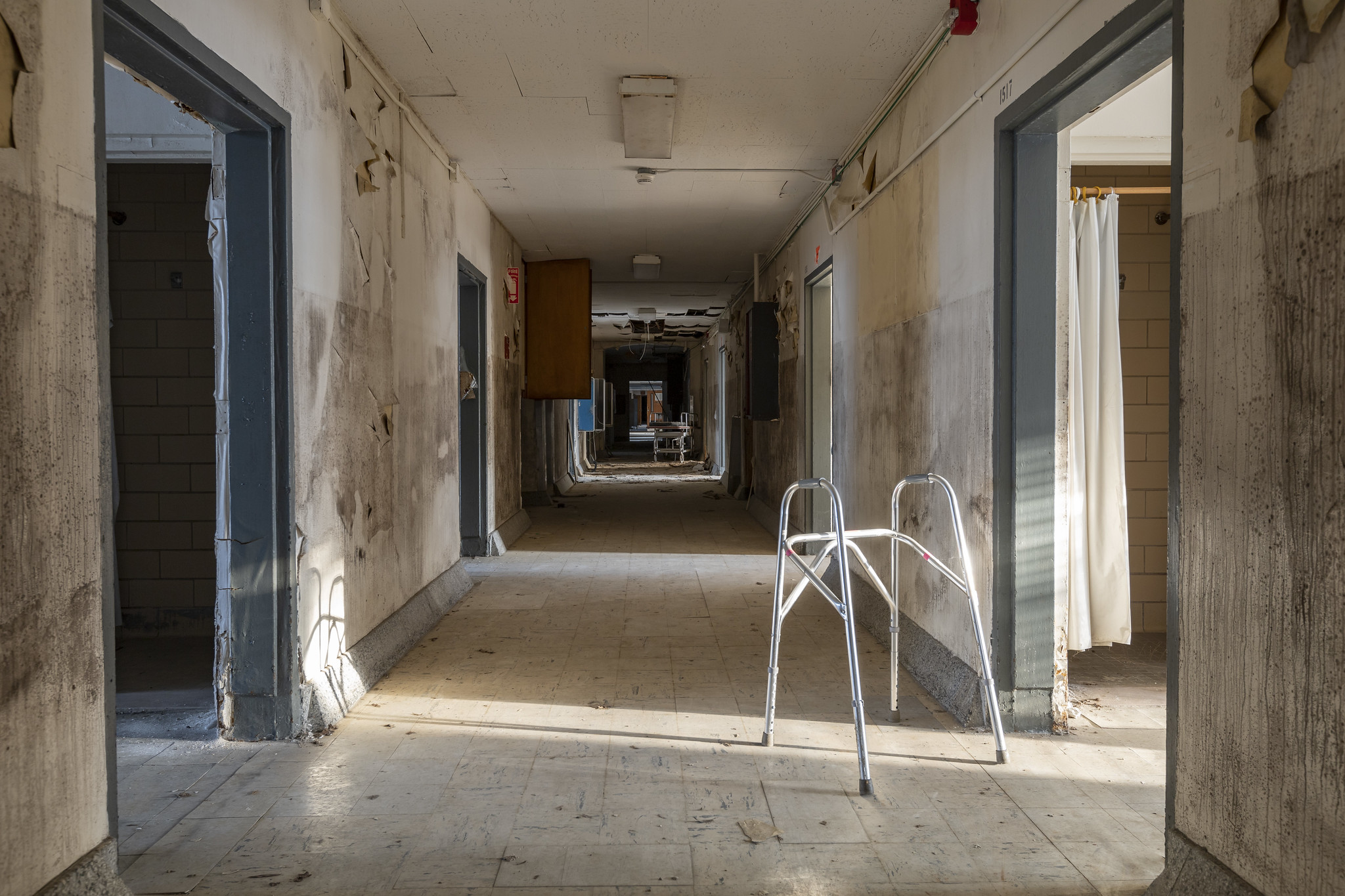
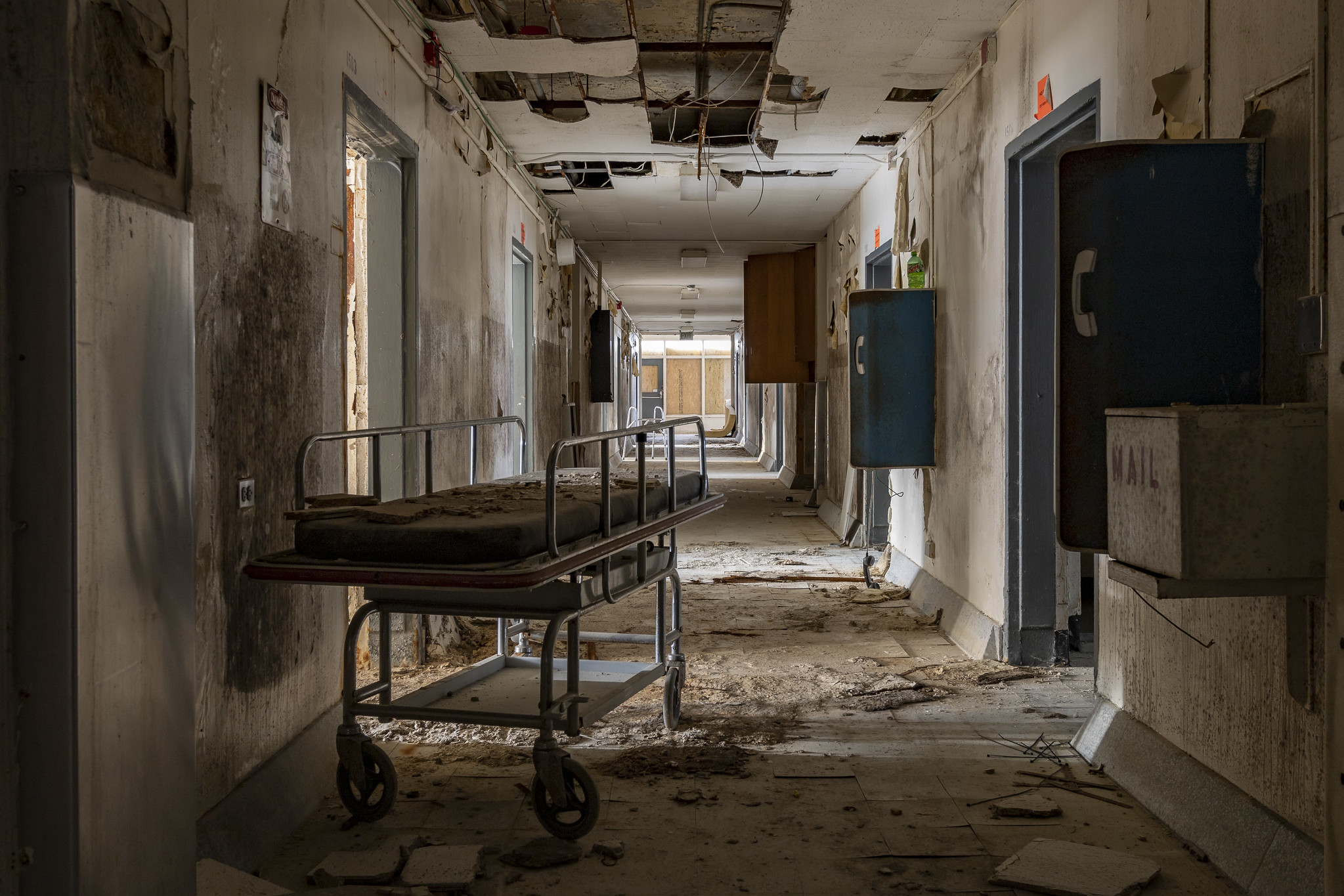
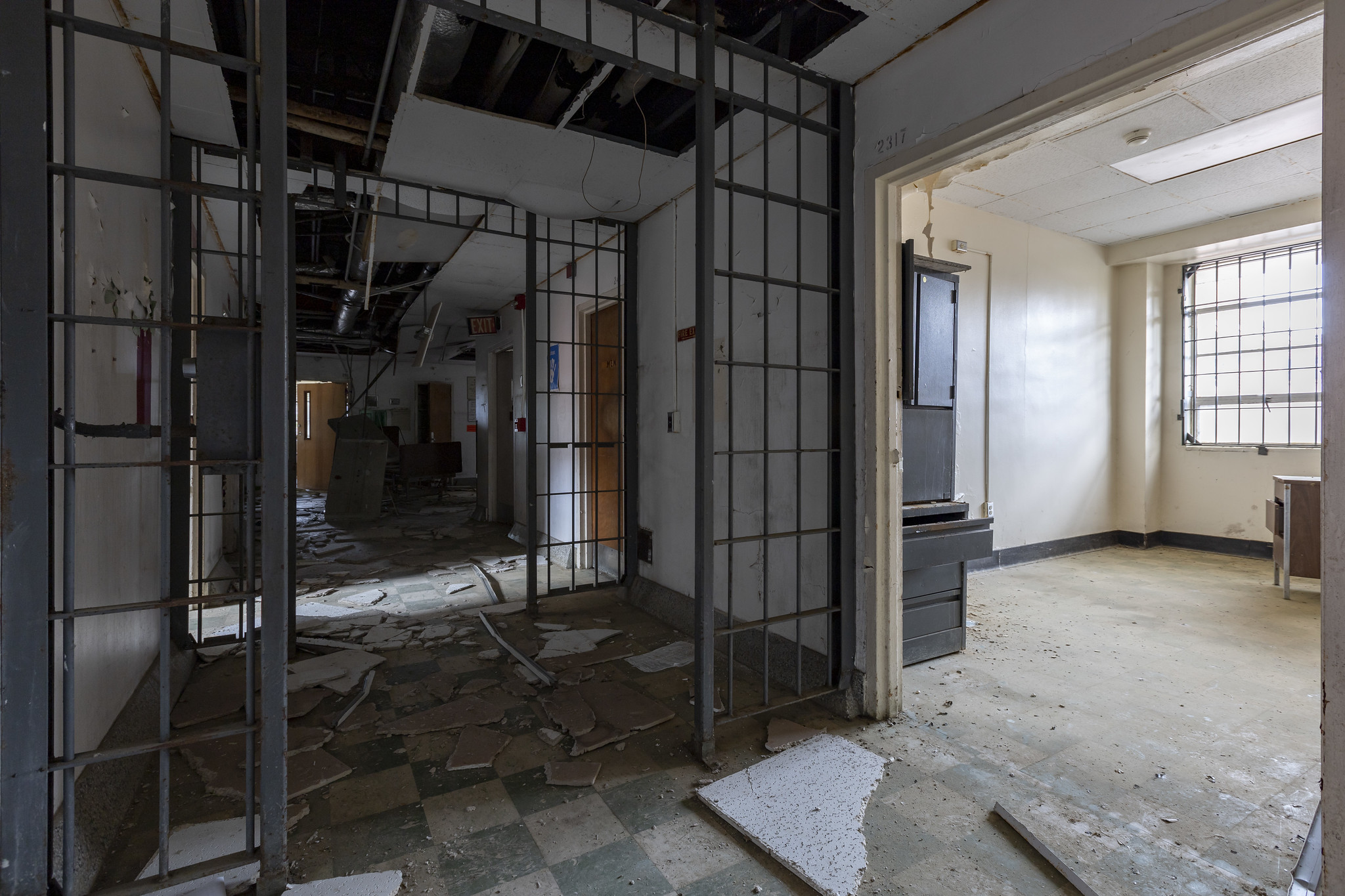
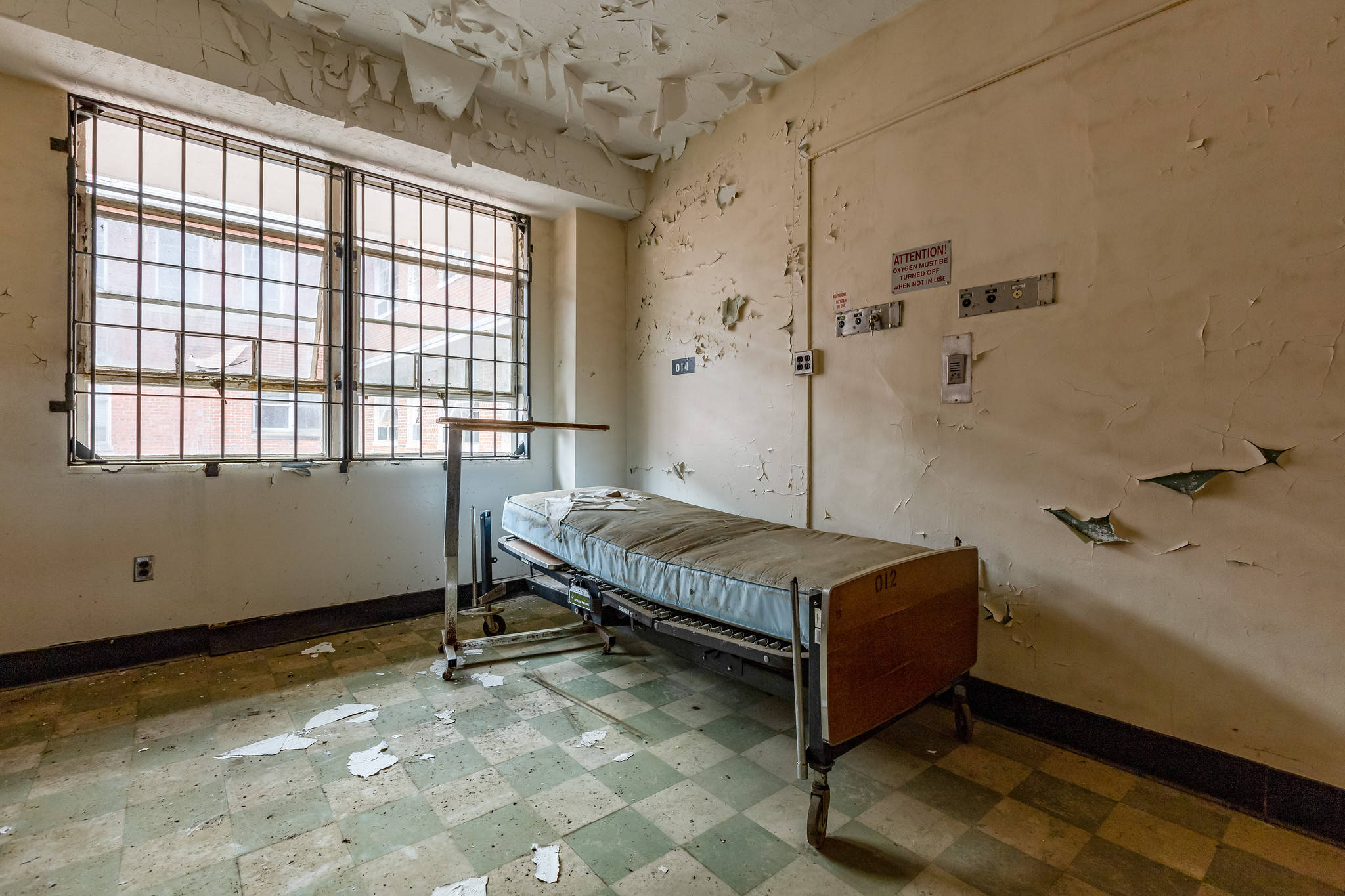
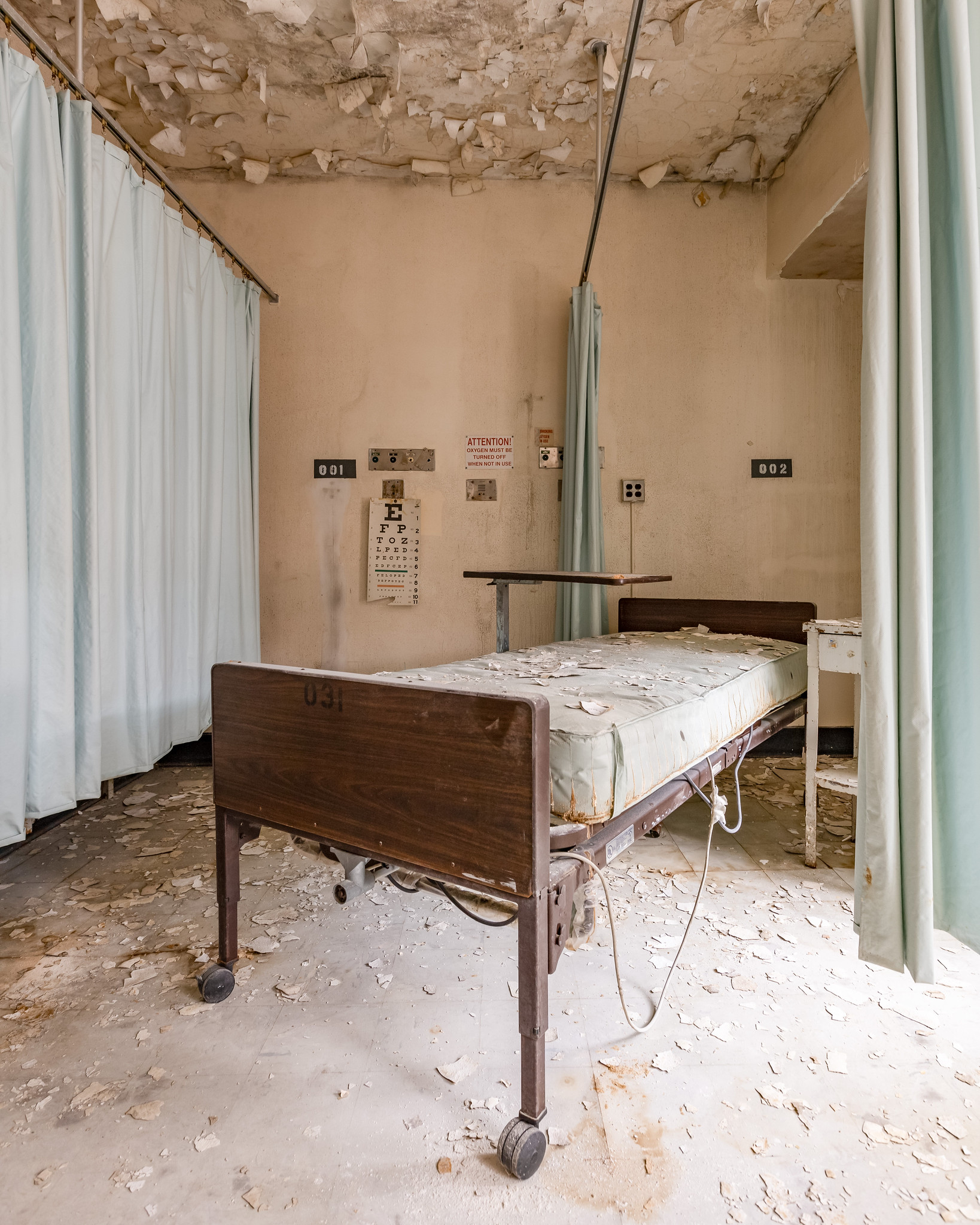
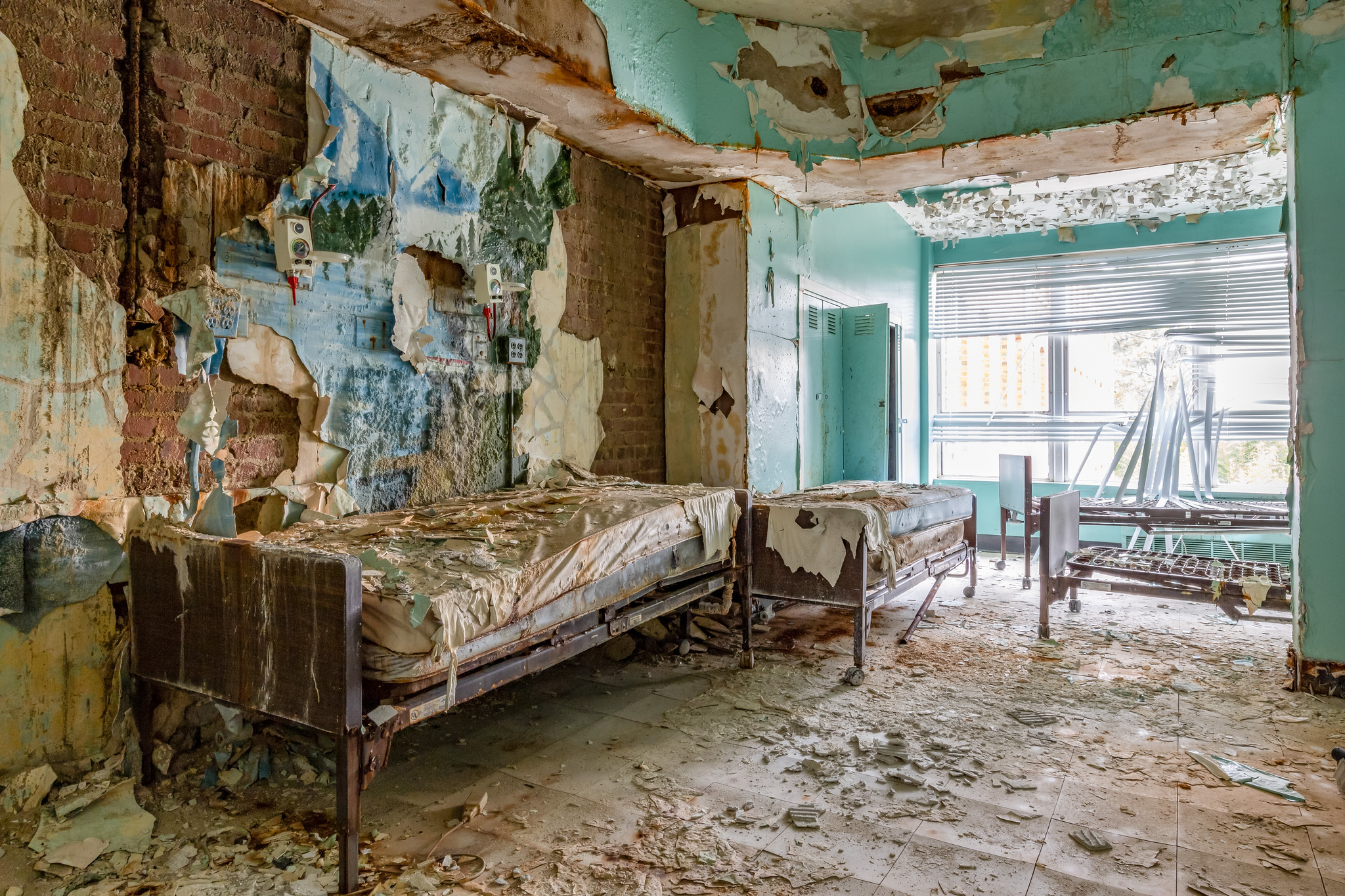
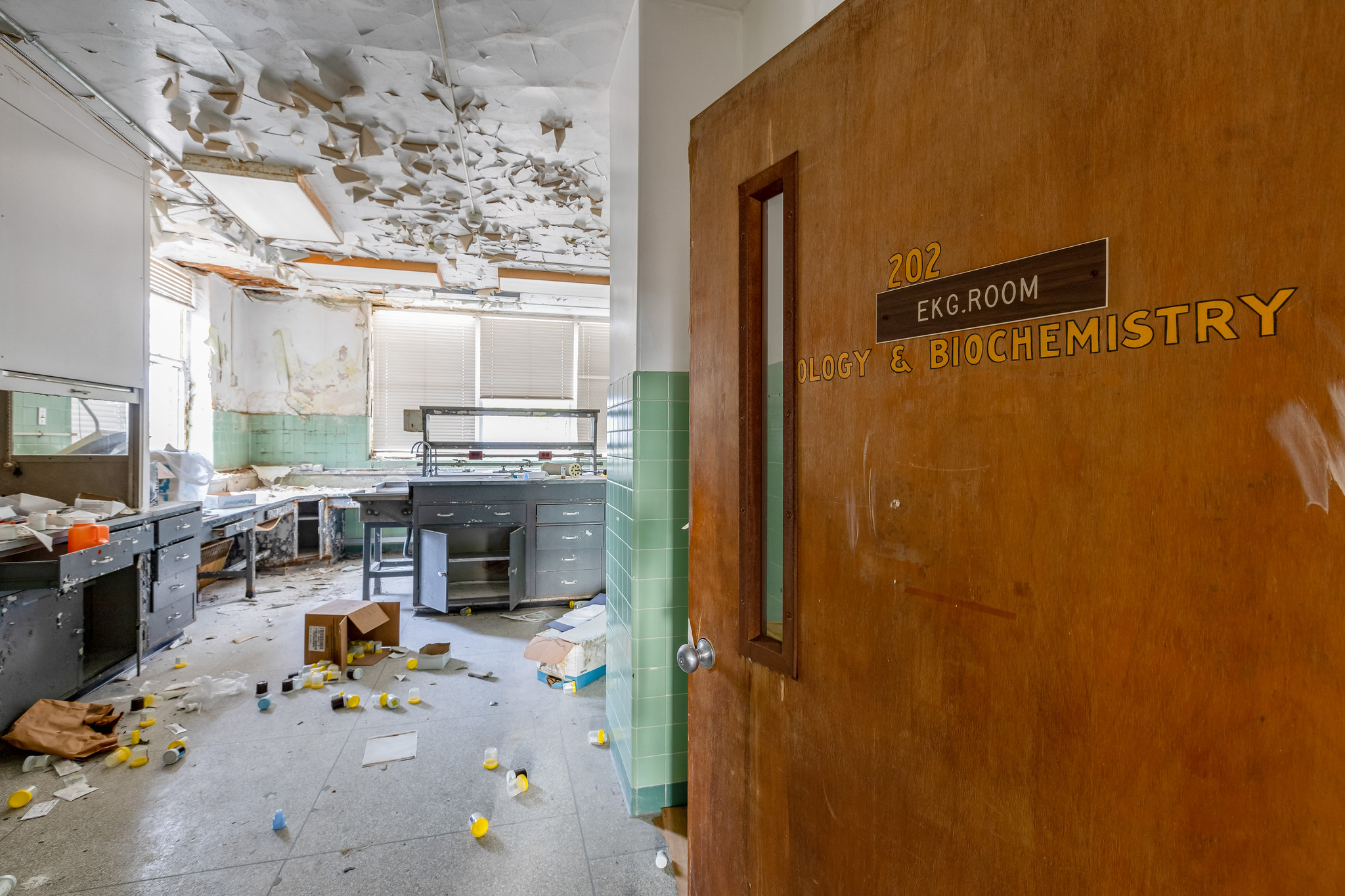
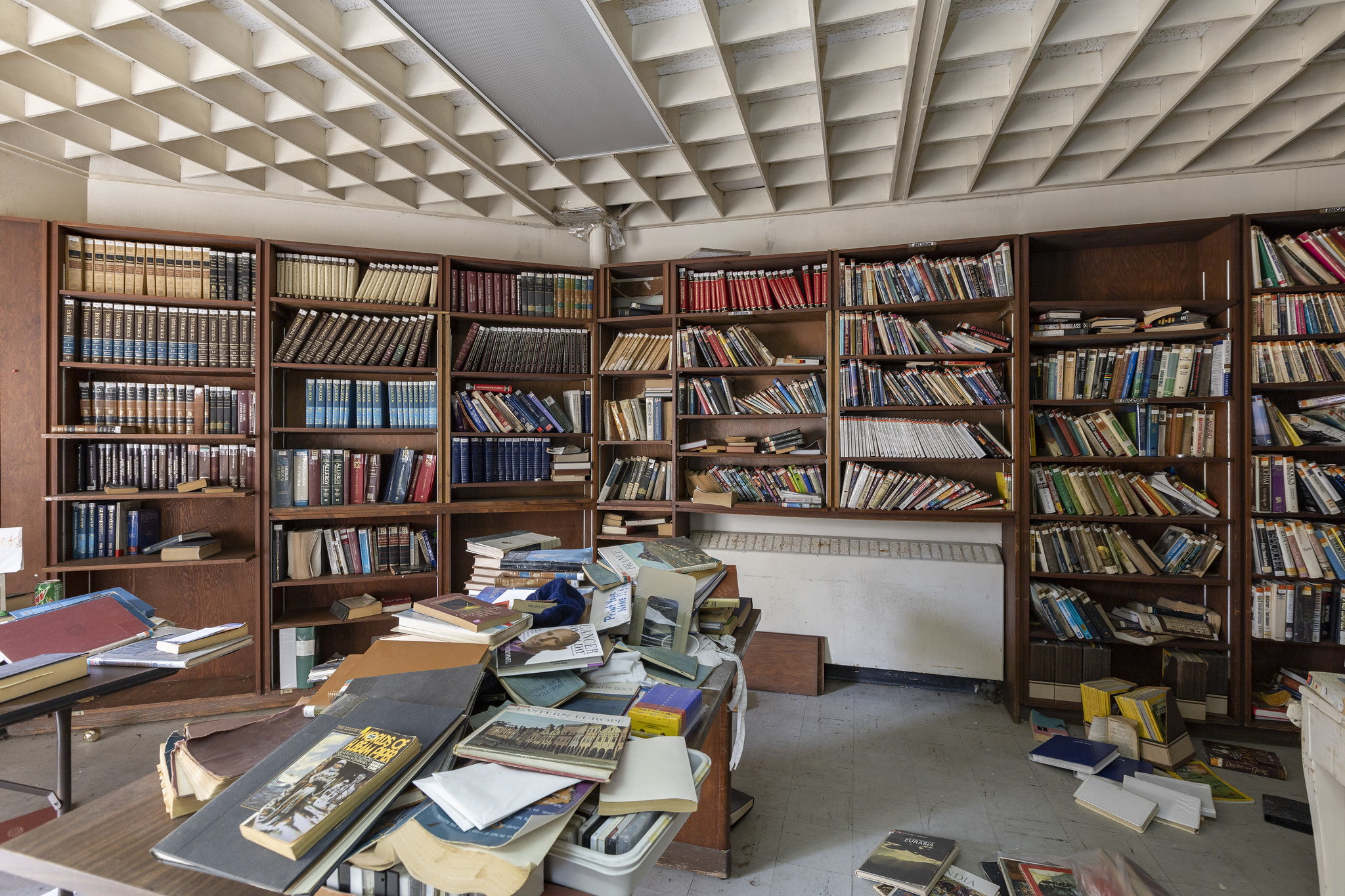
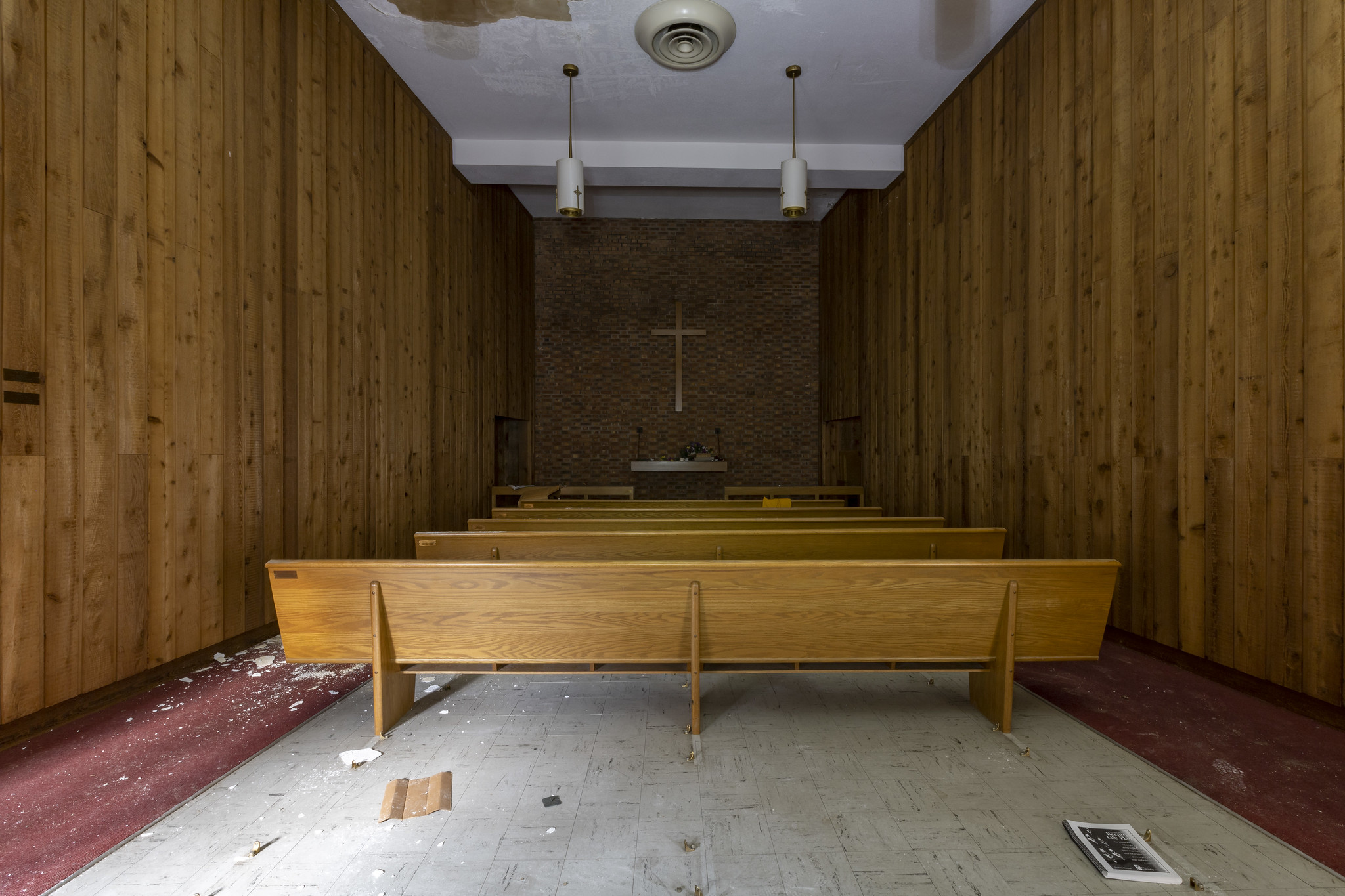
Over the next several decades, the state sanatorium grew to house hundreds of patients. The sanatorium’s clinic would treat any citizen who could not afford to go to a private doctor. In the early 1980s, with the increasingly low incidence of tuberculosis, the state sanatorium was transferred over to the Division of Prisons. At that time, it was one of the last remaining state hospitals that was exclusively devoted to treating tuberculosis. While under the operation of the prison system, the building served as a minimum-security healthcare center for male inmates. The property remained under the operation of the state prison system until it was permanently closed in 2010.




Thank you for reading. I appreciate your support. Please share the blog with your friends.
You can find me on Facebook, Instagram and TikTok. For more amazing, abandoned places, check out my books that are available through Amazon or Arcadia Publishing.
Discover more from Abandoned Southeast
Subscribe to get the latest posts sent to your email.

Which state is this building located? Very interesting article.
Thanks!
LikeLike
Well, at least the library seems to be in good shape. Great photos, again. Thanks for sharing.
LikeLike
Love it that you have managed to photograph this place before the mindless vandals have trashed it, makes me sad seeing some beautiful abandoned buildings trashed needlessly
Great pics (Walking Dead like) & history,
LikeLiked by 1 person