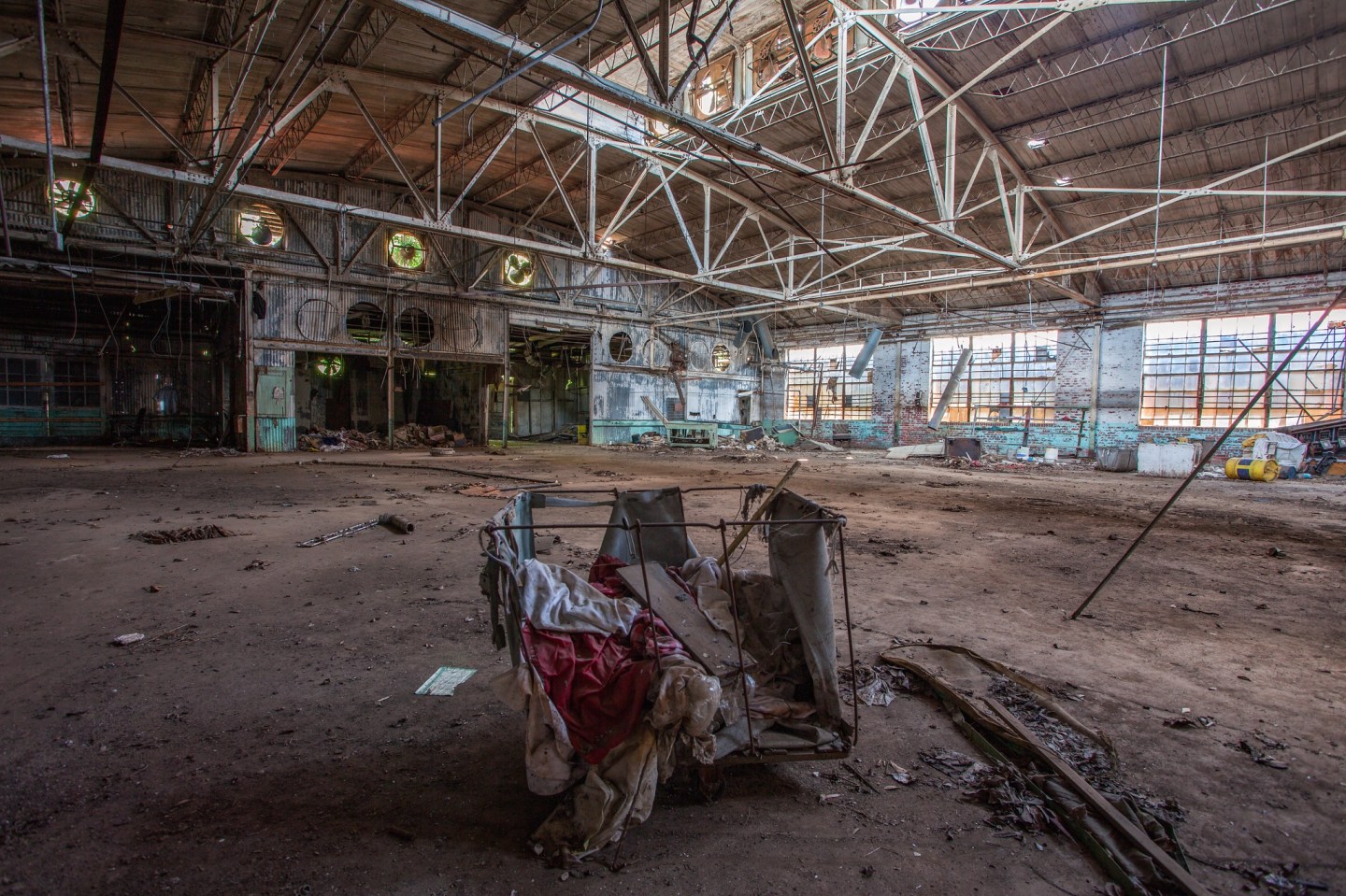
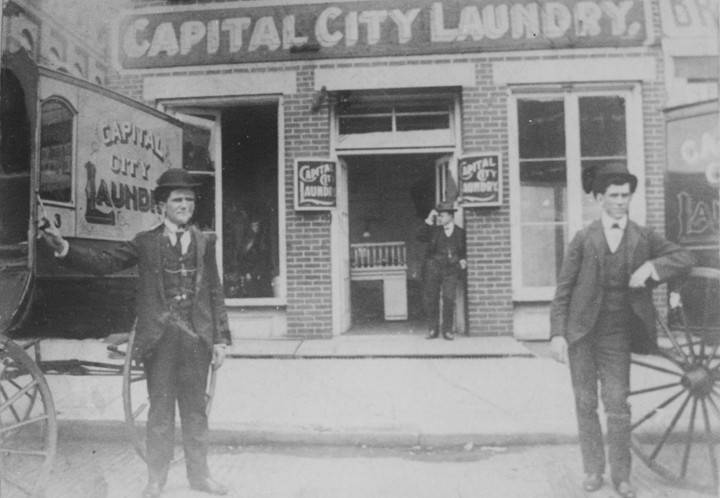
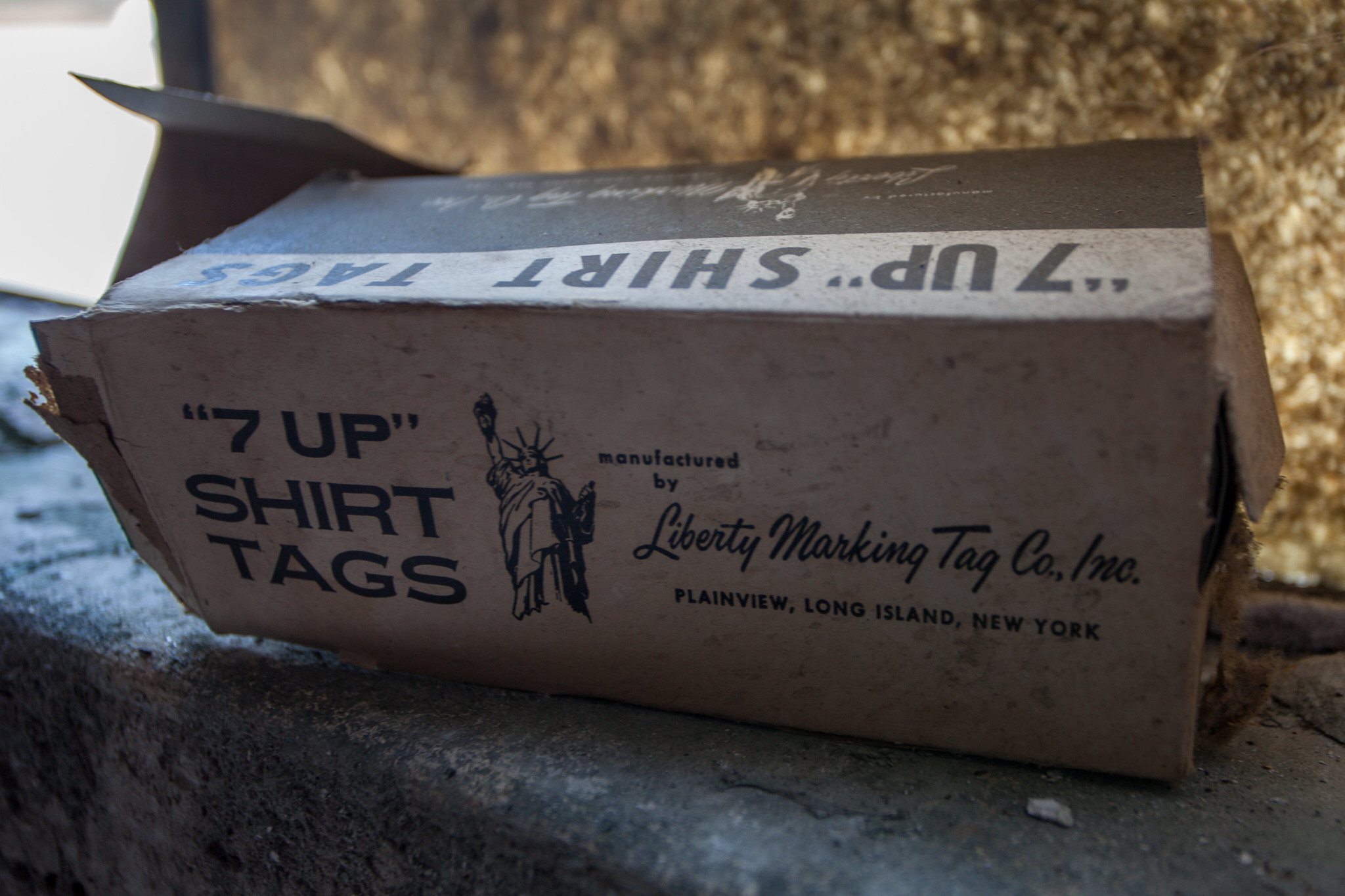
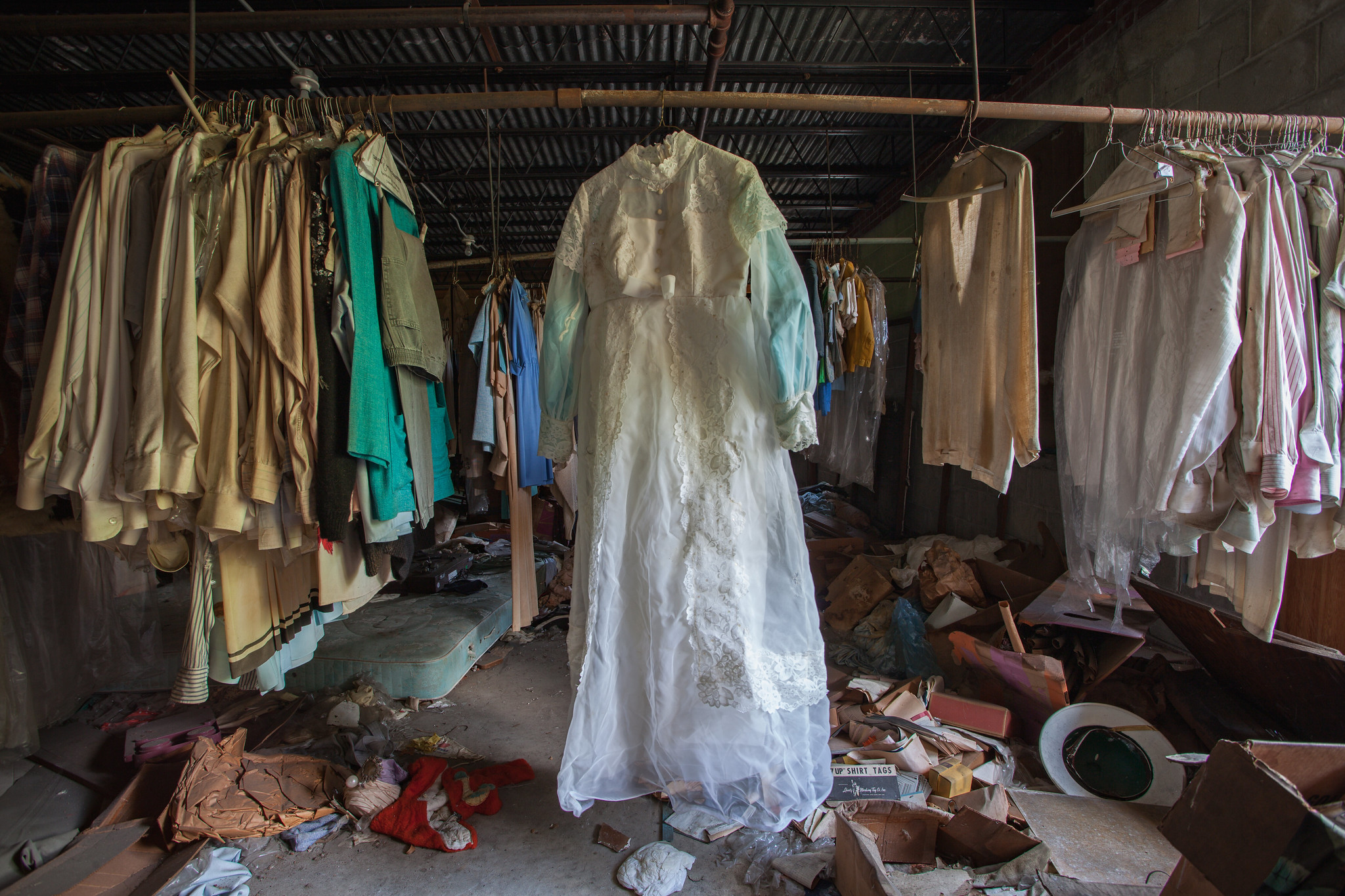
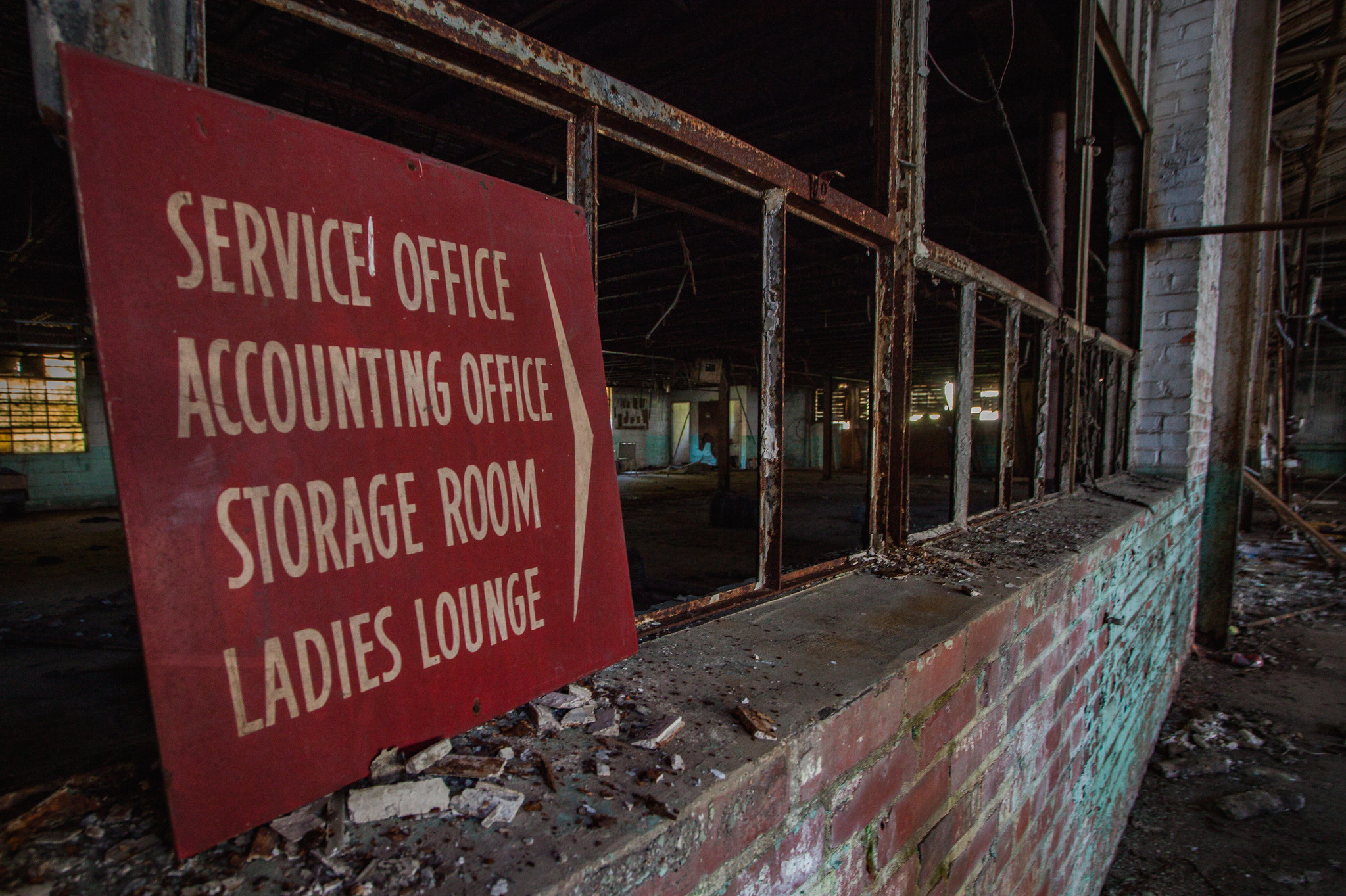
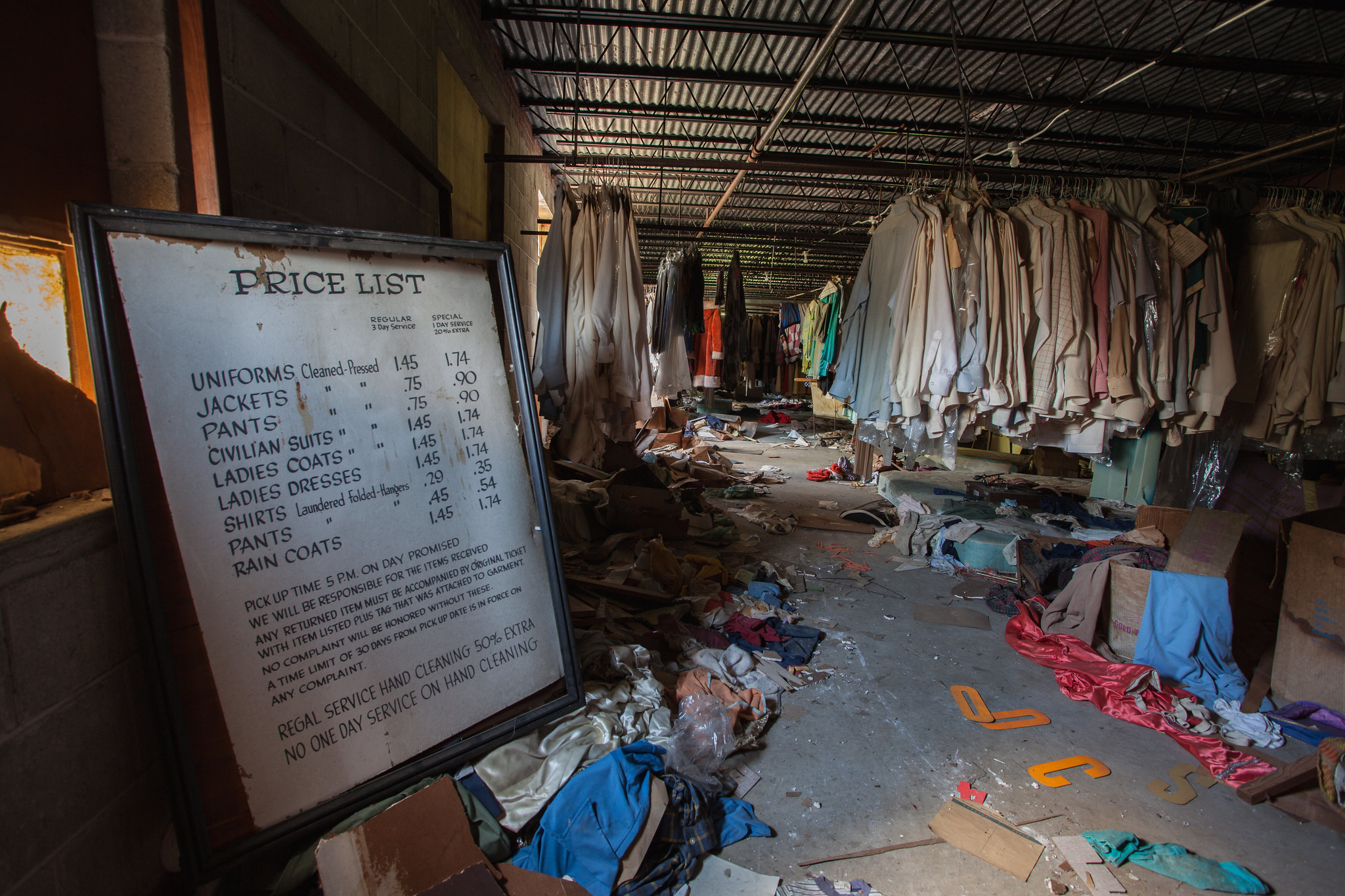
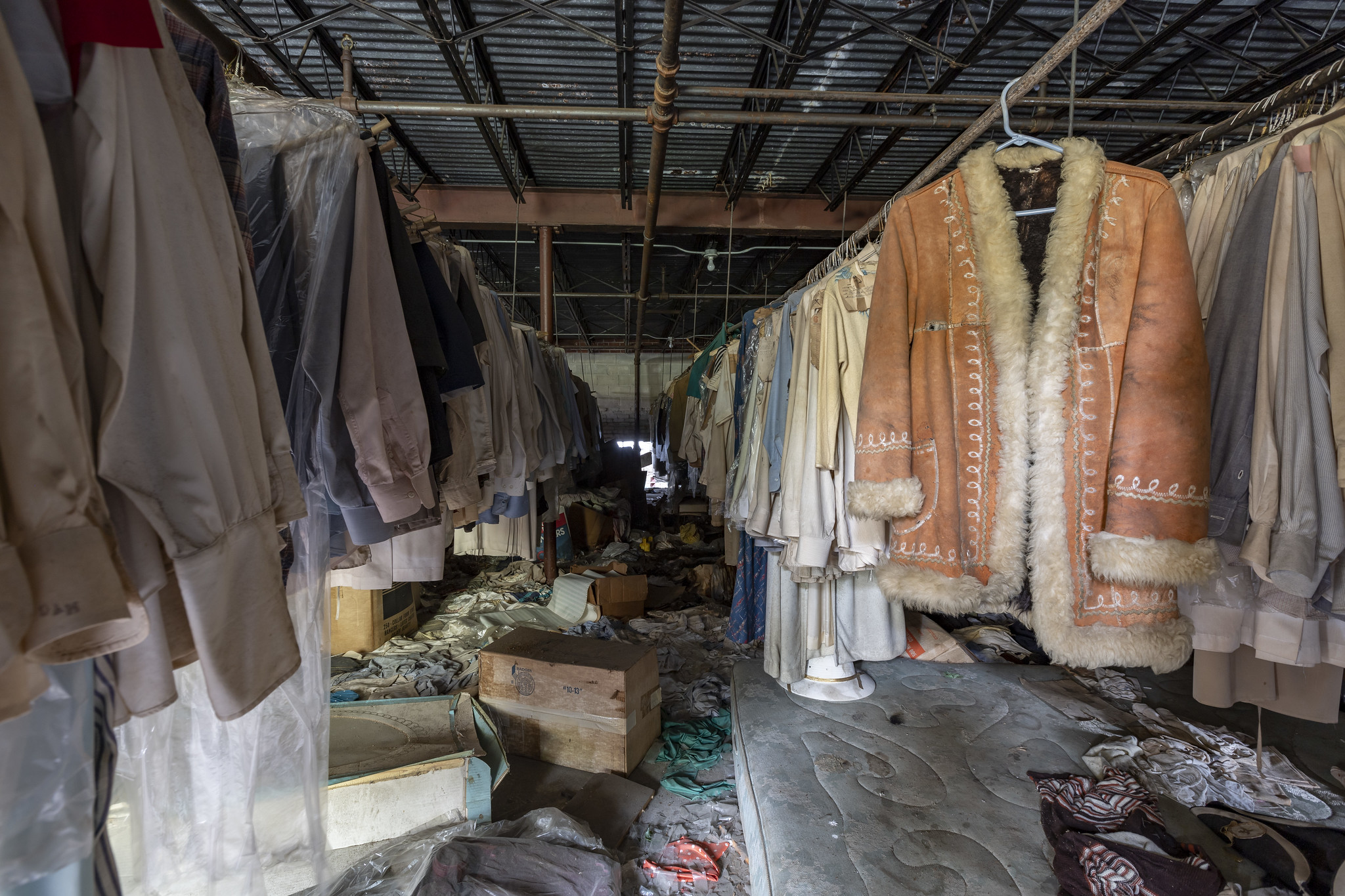
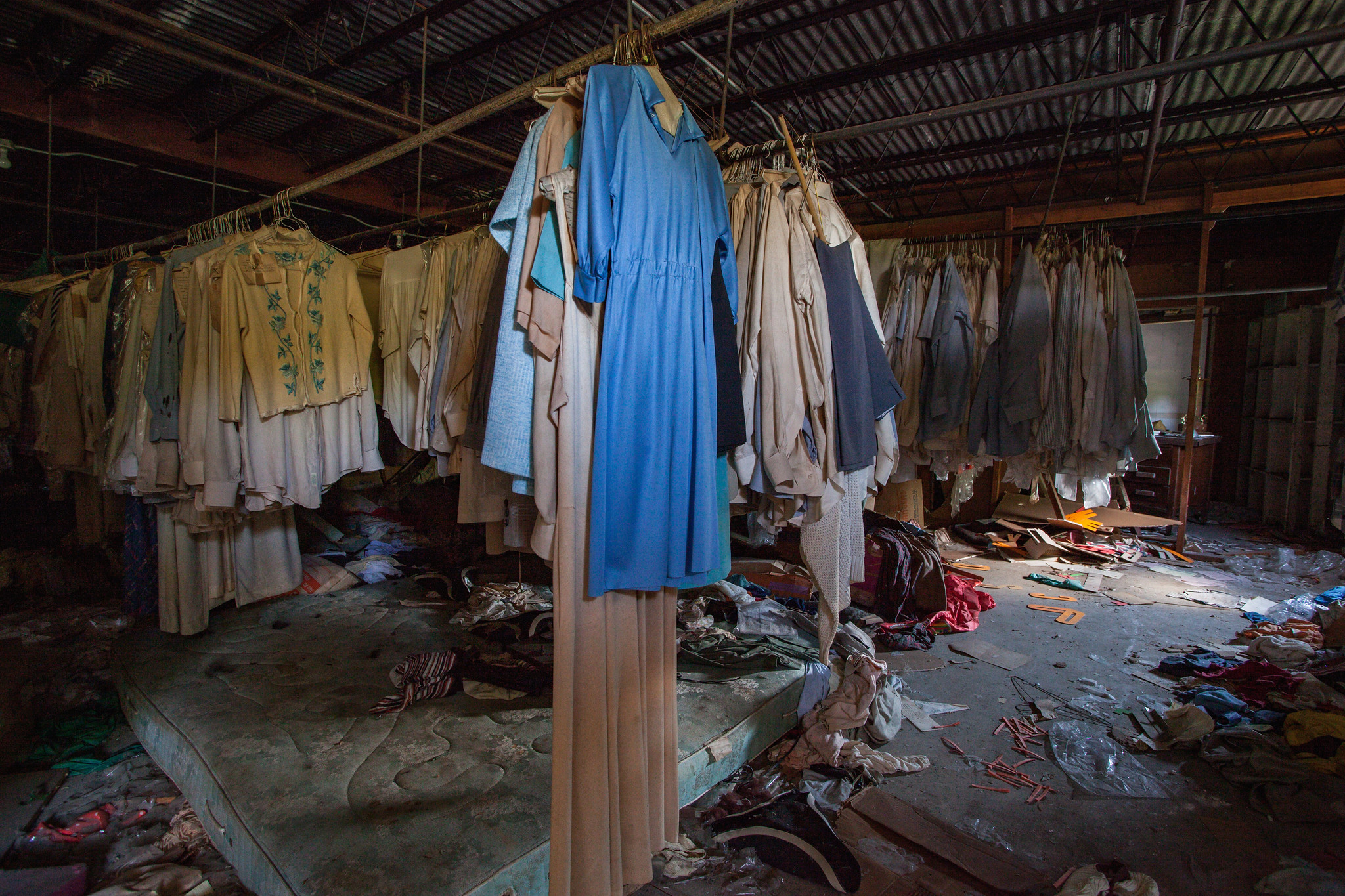
Founded in 1901, Capital City Laundry in Montgomery, Alabama operated for most of the twentieth century and grew into the city’s largest family-owned dry-cleaning business. At its peak, the company maintained a dozen locations throughout the city, far more than any of its competitors. Shortly after its founding, the business was acquired by Charles Smith Sr., who expanded and strengthened the operation. In the 1950s, his son, Charles Smith Jr., an MIT graduate, modernized the company to compete with the growing popularity of coin-operated laundries. Under the Smith family’s leadership, Capital City Laundry & Cleaners evolved into a showcase steam laundry operation recognized for its scale and efficiency.
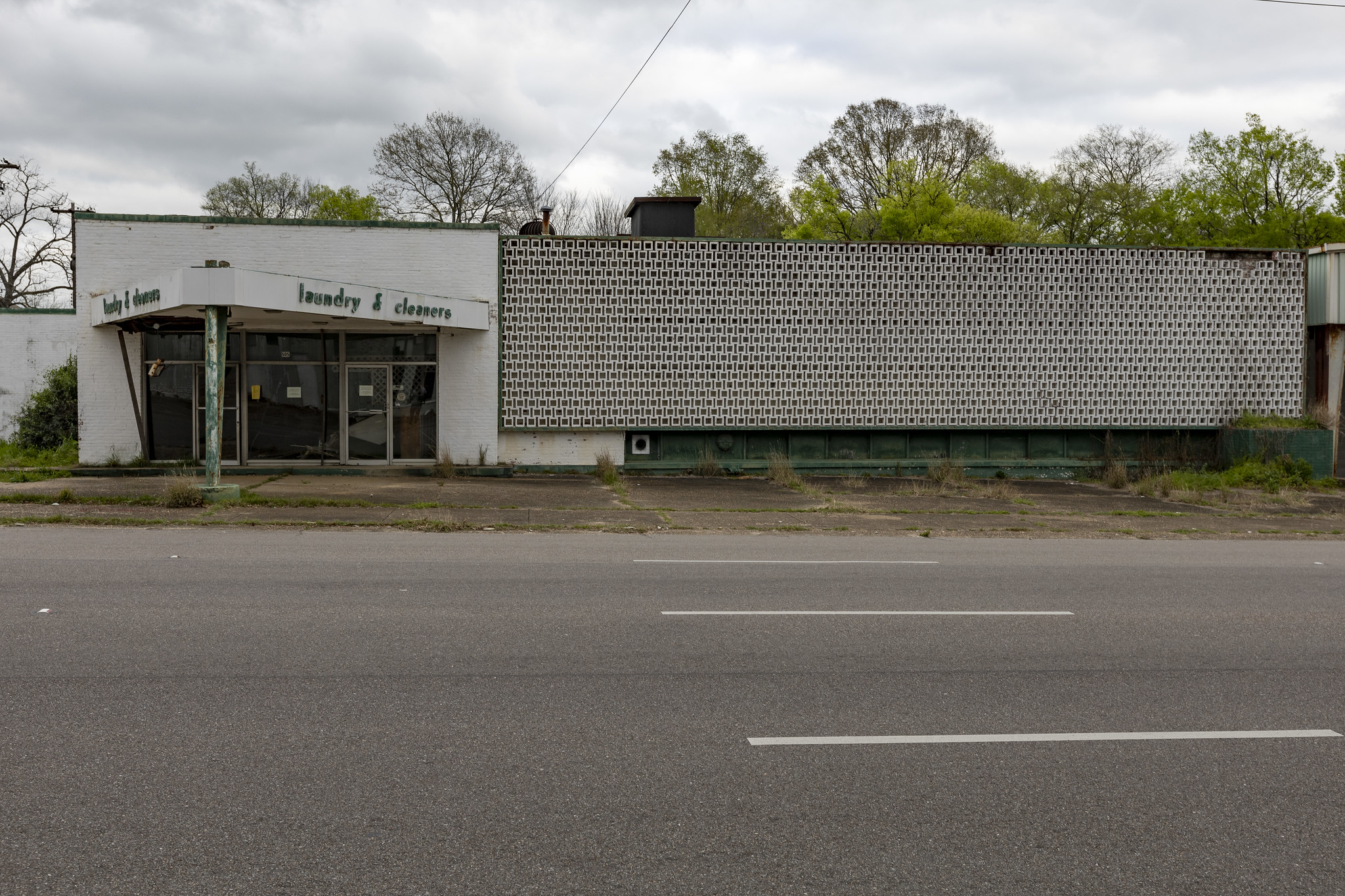
In 1959, Charles Smith III completed a major renovation of the original laundry building, giving it a striking new façade that reflected the company’s continued growth and modernization. By May 1961, Capital City Laundry acquired this location at the corner of South Decatur and High Streets, which was previously owned by Troy-American Cleaners and built in 1938. The business was eventually sold to Donald R. Davis, the owner of Davis Cleaners located across the street.
Construction of the RSA Energy Plant in 1993 brought an unexpected discovery that would shape the future of downtown Montgomery. During excavation, construction crews uncovered widespread soil and groundwater contamination from tetrachloroethylene (PCE), a dry-cleaning solvent, beneath nearly 50 blocks of the city’s downtown. The contamination had first been detected in 1991 when the City of Montgomery found PCE in two municipal water wells. Those wells were immediately closed, and the city shifted its water supply to the Tallapoosa River upstream and to unaffected wells located about eight miles south of downtown. Although officials have long maintained that the contaminated groundwater has no pathway to escape its current location, it still contains hazardous chemicals, including known carcinogens, that could pose a health risk if exposure were to occur.
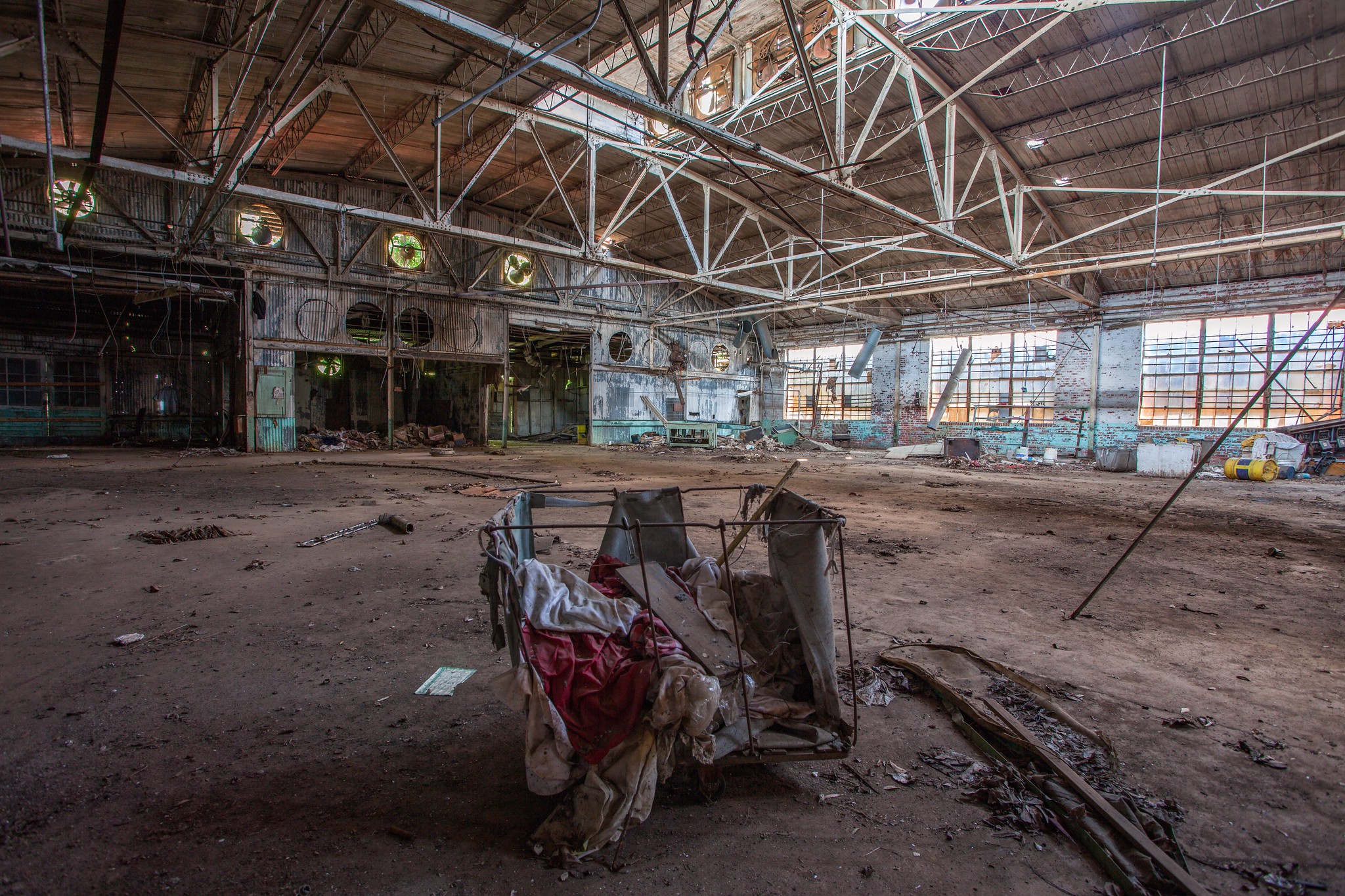
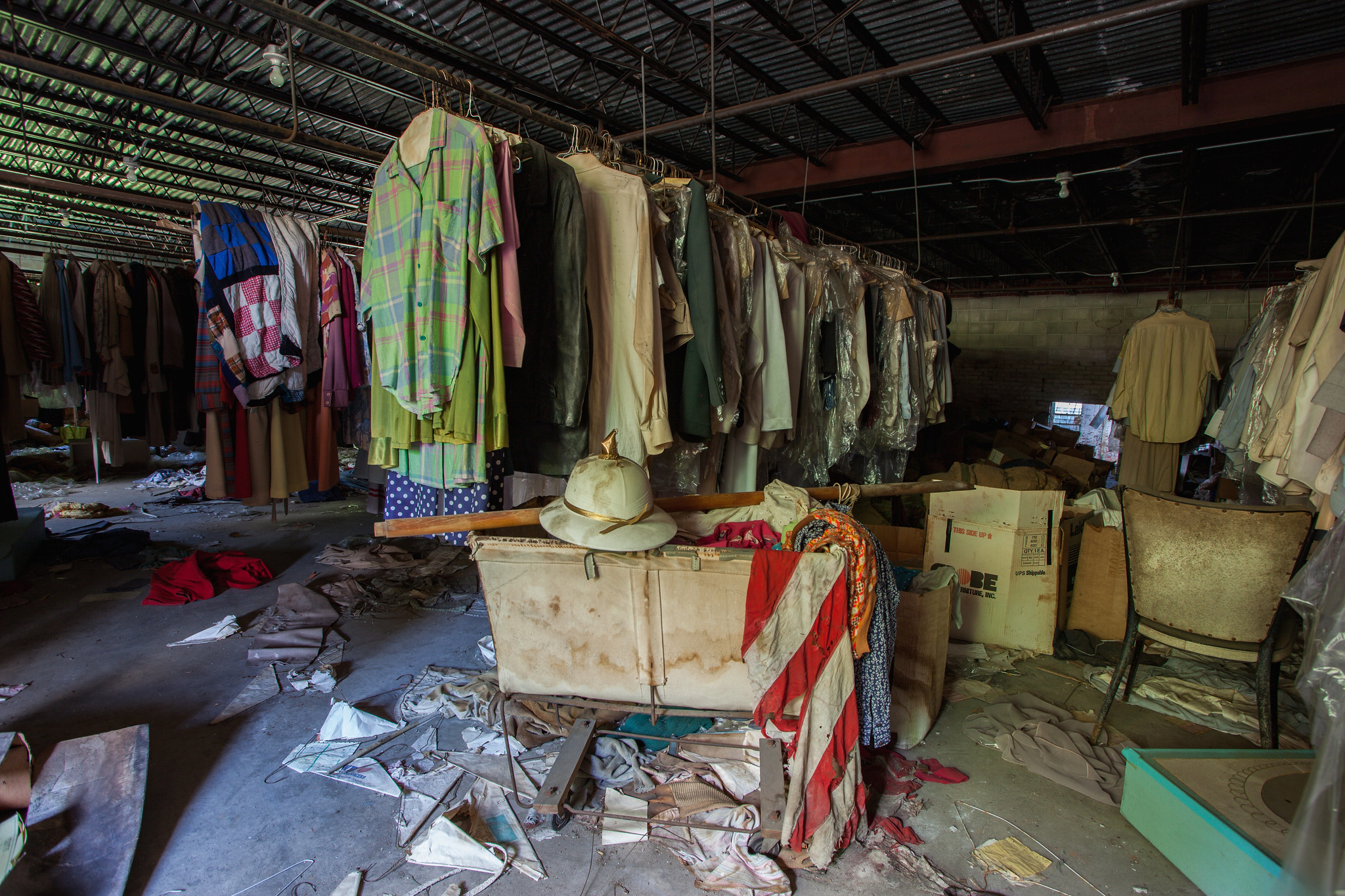
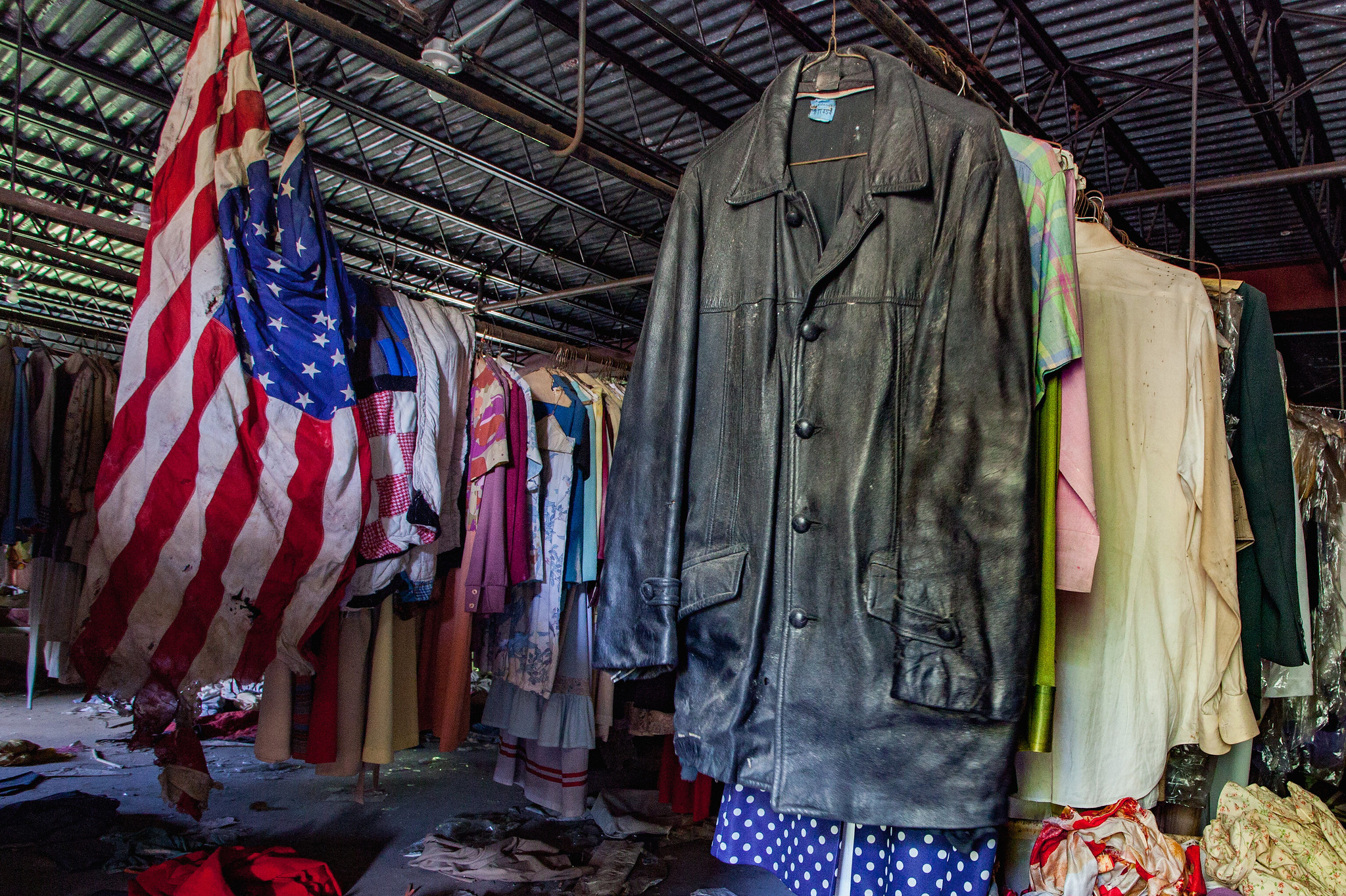
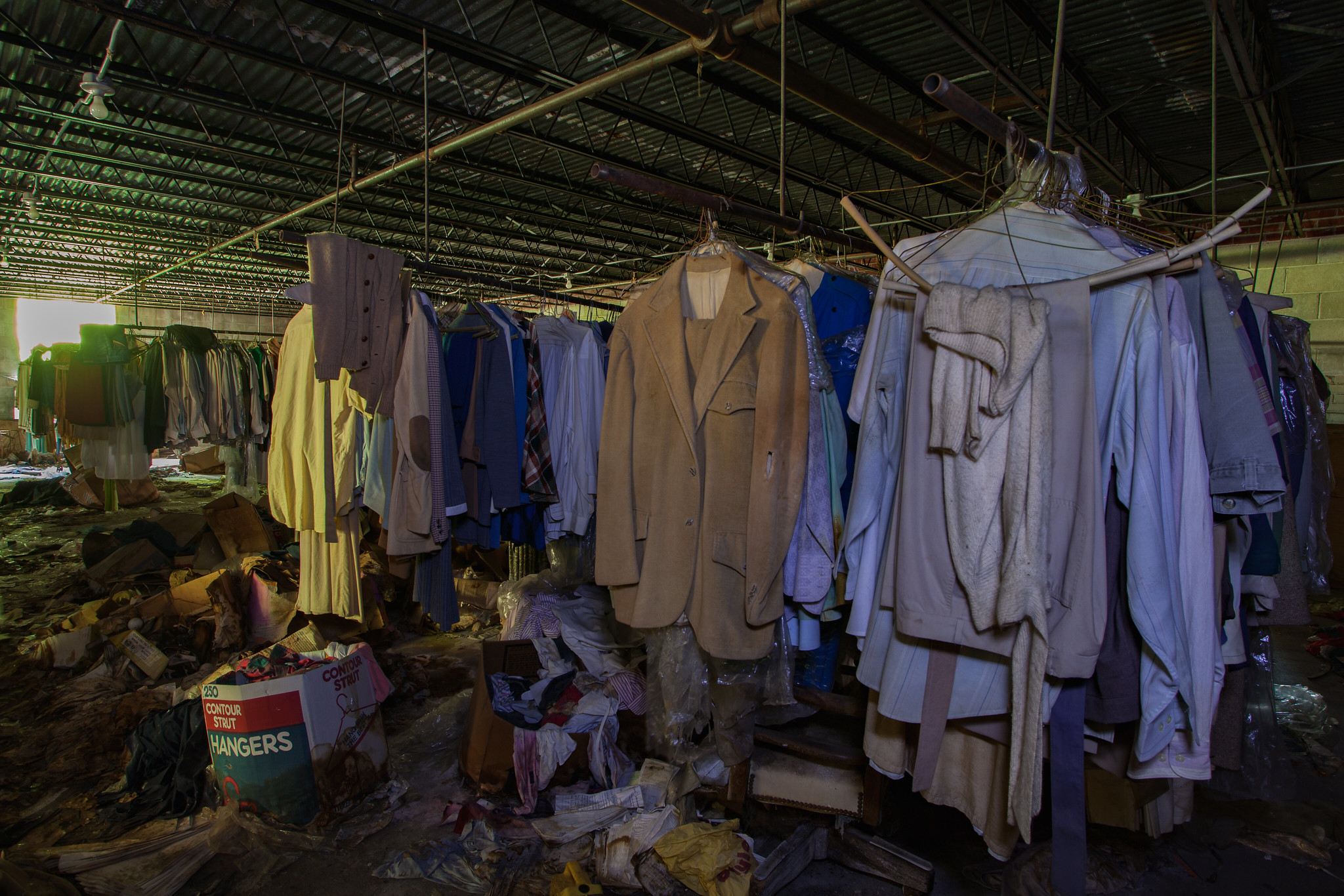
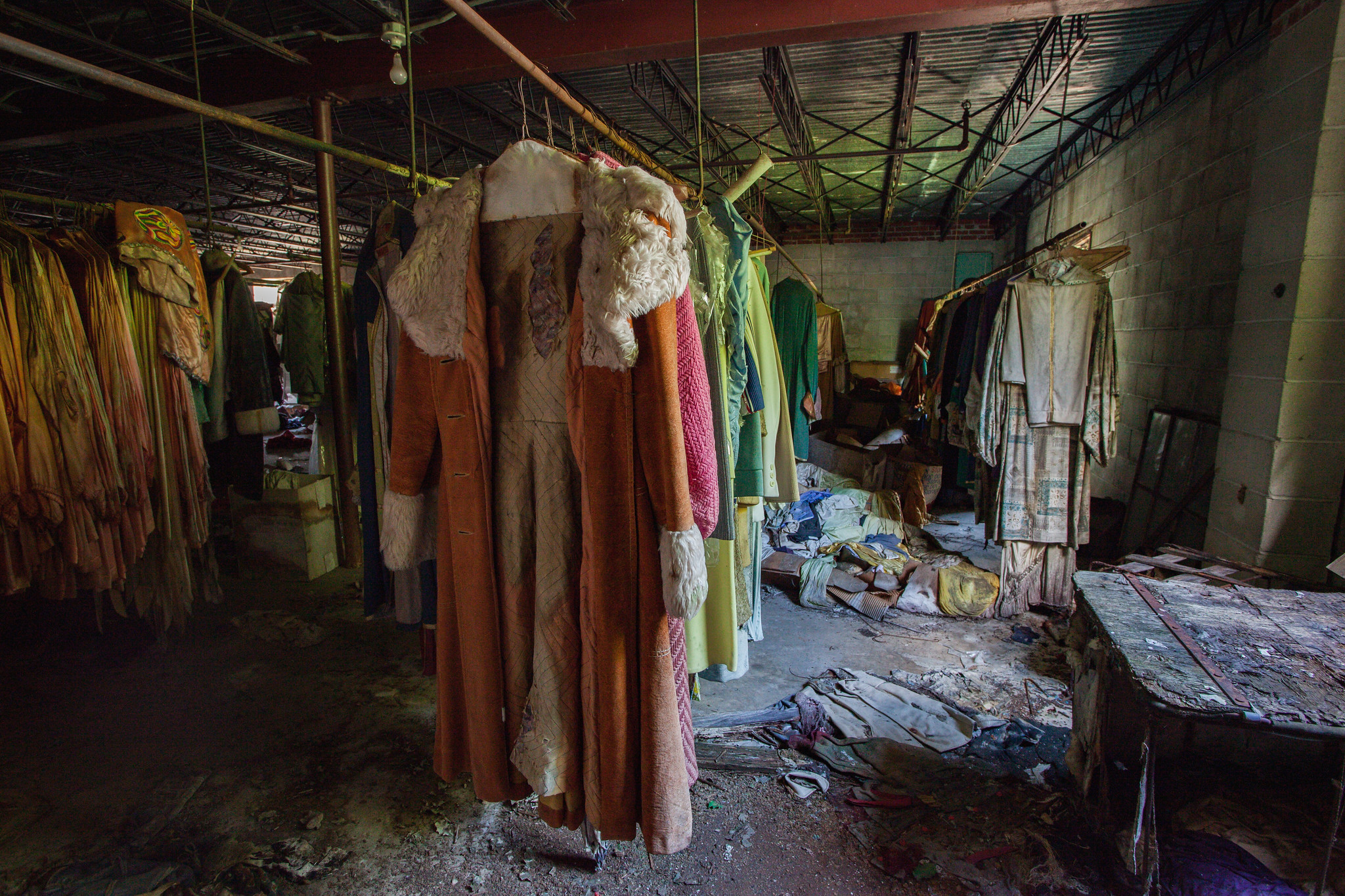
The discovery prompted an investigation by the Environmental Protection Agency (EPA), and many businesses within the affected area closed soon afterward. Some owners simply locked their doors and abandoned their properties, leaving behind equipment and chemicals. At one former dry-cleaning facility, investigators discovered barrels of discarded cleaning solvents containing the same chemicals found in the groundwater. Cleanup crews removed contaminated soil, installed vapor barriers beneath several buildings, and planted trees to help absorb remaining contaminants. EPA investigators identified dry-cleaning solvents, industrial cleaning agents, and degreasers throughout the plume. A 1998 newspaper report noted that Capital City Laundry had accumulated 39 complaints with the Better Business Bureau, many of which reportedly went unanswered.
Rather than identifying a single source, the EPA concluded that the contamination resulted from decades of industrial activity involving multiple dry cleaners and gasoline stations scattered throughout the area. Because contaminants were detected at numerous locations, investigators determined the groundwater plume was the cumulative result of several businesses rather than one responsible party. In 2000, the EPA proposed adding the site—known as the Capital City Plume—to its National Priorities List, the federal roster of the nation’s most contaminated hazardous waste sites.
The City of Montgomery began long-term groundwater monitoring in 2006. Two years later, Capital City Laundry permanently closed, and the property was auctioned to satisfy delinquent property taxes. In 2011, a U.S. Geological Survey tree-ring study identified the Montgomery Advertiser property and the Alabama Department of Education as major contributors to the contamination. The EPA also identified the Alabama Attorney General’s Office and the Alabama Department of Transportation as contributors to the plume.
In 2012, the City of Montgomery, Montgomery County, the State of Alabama, the Montgomery Water Works and Sanitary Sewer Board, the Montgomery Advertiser, Standard Roofing of Montgomery, and several other property owners formed the Downtown Environmental Alliance. Working alongside the EPA and the Alabama Department of Environmental Management (ADEM), the coalition shared cleanup costs and reimbursed the EPA for portions of its investigation. Responsibility for overseeing remediation was transferred to ADEM in 2015.
By July 2020, ADEM recommended that the EPA remove the Capital City Plume from the National Priorities List, and the site was officially delisted in September of that year. The decision came as downtown Montgomery was experiencing a period of renewed investment, with new hotels, museums, retail developments, and the baseball stadium helping transform the city’s core. Local leaders hoped the site’s removal from the federal list would encourage continued revitalization.
Despite that renewed optimism, the former Capital City Laundry building itself remained vacant. In 2026, a demolition notice was posted on the property, placing it among a growing number of aging downtown structures slated for removal and marking the likely end of one of Montgomery’s most recognizable industrial landmarks.





Thank you for reading. Please share the blog with your friends. I appreciate your support. You can find me on Facebook, Instagram, and TikTok. For more amazing, abandoned places, check out my photography books.
Discover more from Abandoned Southeast
Subscribe to get the latest posts sent to your email.

The wedding dress in particular is a haunting image.
LikeLike
Only if u were the groom.
LikeLike
What is this location?
LikeLike
Amazing…they locked the doors and ran away.
Thanks.
LikeLiked by 1 person
Where is this and are you allowed to go inside?
LikeLike