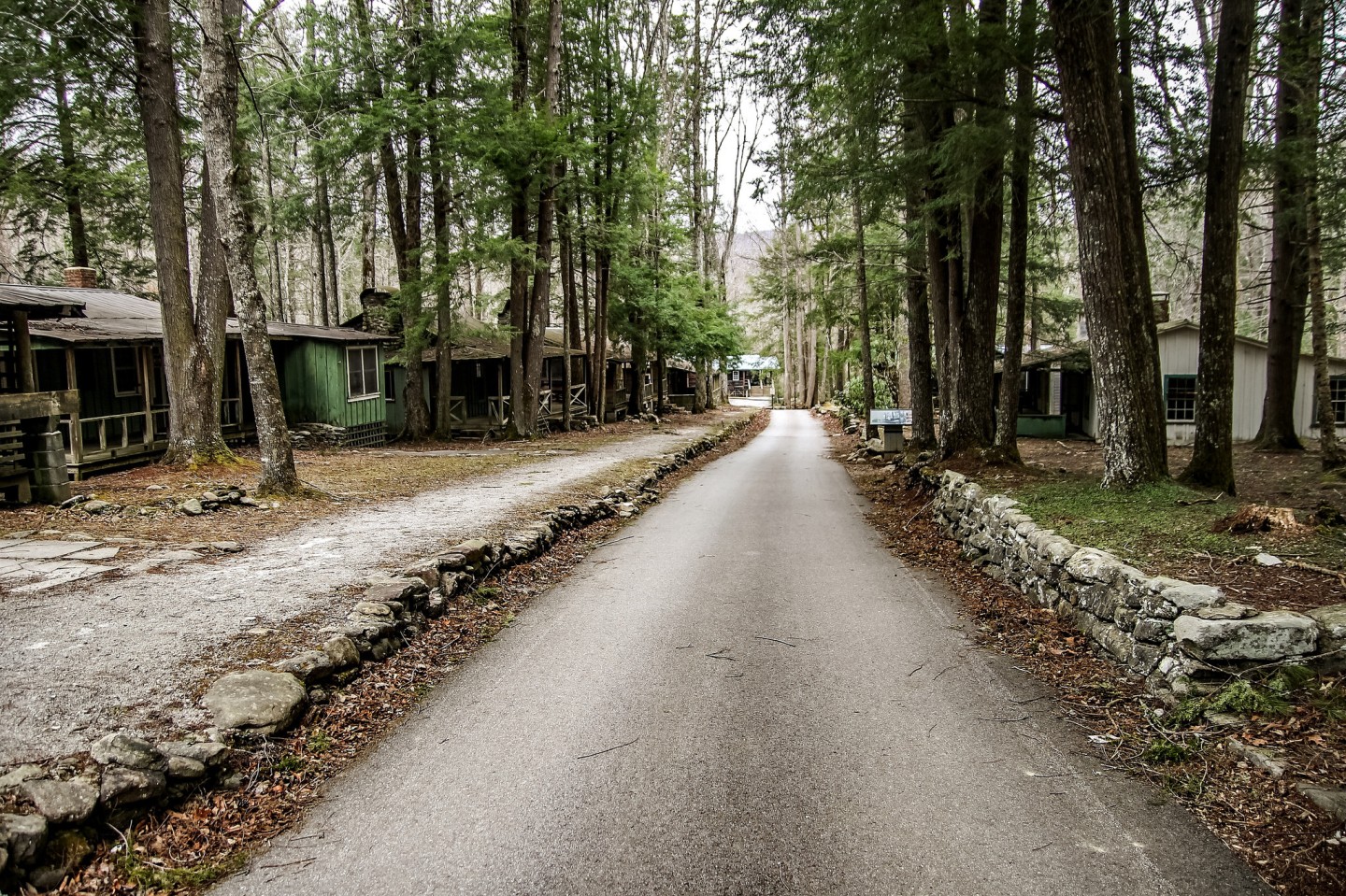
The town of Elkmont, Tennessee, situated along the Little River in the Great Smoky Mountains, was once a booming lumber town and a frontier community. The property is now owned and protected by the Great Smoky Mountains National Park, but its history tells a vivid story of industry, recreation, and preservation. The area around Elkmont was first settled in the 1840s, and originally known as “Little River” because of its location in the upper Little River Valley.
In 1900, the England-Walton Company of Philadelphia chose to build a tannery in a remote part of Blount County known as Walland. To assess the region’s timber potential, the company invited Colonel W. B. Townsend, a Pennsylvania lumberman, to explore the surrounding land. During his survey, Townsend recognized a promising business opportunity in the nearby Smoky Mountains, where vast timber resources could be harvested and sold to companies producing houses, furniture, and other goods. In 1901, he founded the Little River Lumber Company and the Little River Railroad (LRR) after purchasing 80,000 acres of timberland along the river. Townsend and his partners planned to build a sawmill in Tuckaleechee Cove and transport logs from the mountains to the mill via the railroad. The project generated so much local enthusiasm that the new town growing around the mill was named in Townsend’s honor.
In the early 1900s, the Smoky Mountains were filled with thousands of enormous trees, some measuring up to ten feet in diameter. Before this time, most of the trees in the Great Smoky Mountains had remained unharvested because the terrain was steep and the rivers too small to float large logs downstream. There had been attempts in the 1890s to harvest timber using “splash dams”, temporary wooden structures built upstream from logging sites. Once enough logs were placed in the riverbed, the dam would be released, sending a surge of water to carry the logs downstream to the sawmill. However, this method often failed, especially in rocky mountain creeks like those in the Smokies. To fully harvest the region’s timber, Colonel Townsend and his team needed to devise a more effective plan.
The LRR built a rail line that started in Walland and went into the mountains, following the course of the Little River and its main tributaries. These tributaries can be seen on any map today, and have names such as West Fork, East Fork, Middle Prong and Jakes Creek. The creation of this rail line alone was a difficult task, as much of it had to be blasted through solid rock. As the company did this, it pushed many of the rocks into the Little River. The LRR typically would build a line into an area, complete the logging, then removed the line. From 1901 to 1939, the Little River Railroad Company built more than 150 miles of railroads in the Smokies, and the company sawed more than 560 million board feet of timber. Townsend was the site of the sawmill and the headquarters of this operation, which existed until 1939.
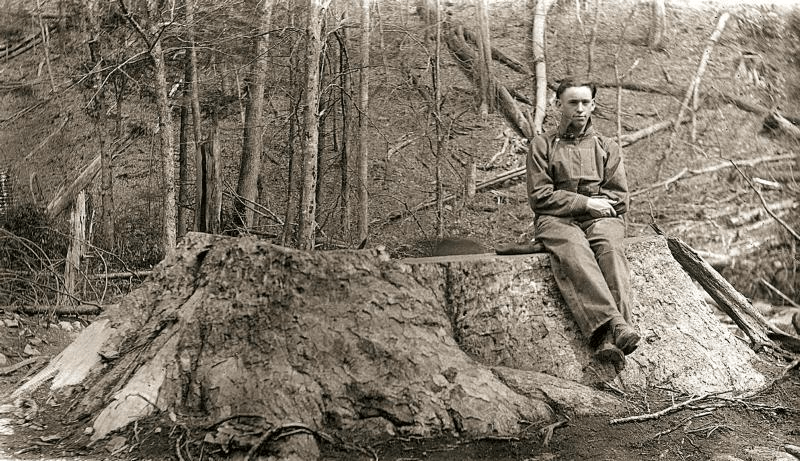
Elkmont was established in 1908 as a base for the Little River Lumber Company’s logging operations and its strategic location, halfway between Clingmans Dome and the town of Townsend, made it economical to harvest timber from the mountains and transport the trees by rail to the sawmill in Townsend, then to markets around the world. The harvesting of trees began even as the rail line was being created. Most of the trees were cut down the old fashioned way, by two men, called sawyers, working together, with a hand saw. This process was not only physically demanding, but also quite dangerous, as one can never tell for certain in which direction a tree will fall. Once the tree had been cut down, and the branches cut off, the tree trunk had to be dragged to the nearest rail line. This process was known as skidding, and was mostly done with horses, mules, and oxen. Once the logs had been dragged to the rail line, a steam-powered log loader would lift them and place them on a rail car. The Little River Railroad not only transported logs for its lumber company, but also would bring tourists to the area where the affluent began building summer cottages.
As the Elkmont valley was slowly stripped of its valuable timber, Townsend began to advertise the area as a mountain getaway. In 1909, the LRR began offering the Sunday “Elkmont Special”, a nonstop train service from Knoxville to Elkmont. In 1910, an affluent group of Knoxville hunting and fishing enthusiasts formed a private social club known as the Appalachian Club. In 1911, Townsend gave Charles Carter several acres of land on a hill overlooking Elkmont with the stipulation that Carter build on it within one year. The following year, in 1912, Carter made good on his promise and opened the Wonderland Hotel. Billed as a resort lodge, the hotel contained 50 rooms with an extensive balcony looking out over the valley and Meigs Mountain.
Membership to the Appalachian Club was so exclusive that in 1919 a group of 10 Knoxville businessmen purchased the Wonderland Hotel and created their own private club called the Wonderland Club. At least 10 cottages were constructed near the hotel. By 1918, Elkmont had over 1,500 residents. Over the next 20 years, the Appalachian Club and Wonderland Club evolved into a favorite vacation spot for wealthy Tennessee families to socialize and escape the summer heat.
In 1920, William P. Davis and his wife Anne, who owned a summer cottage at Elkmont, began to suggest an idea for a national park in the Smokies after a visit to Yellowstone. While the couple merely suggested the idea to influential friends in Knoxville, it was another Elkmont cottage-owner, David C. Chapman, who took the initiative. Business owners in Knoxville quickly saw the benefits of a national park and began lobbying federal and state governments.
After the U.S. government agreed to establish the national park if the states of Tennessee and North Carolina purchased the land, Knoxville began an intensive lobbying campaign aimed at the Tennessee legislature. In 1925, Chapman hosted a group of legislators at Elkmont to promote the park idea. The following year, Colonel Townsend made the initial 76,000-acre sale. While most everyone else within the park boundaries were forced to sell their homes and relocate, the Elkmont cottage owners were able to sell their cottages at half price in exchange for lifetime leases. These were later converted to 20-year leases in 1952 and renewed again in 1972. The National Park Service refused to renew the contracts in 1992.
A 1982 park management plan called for the Wonderland Hotel and cottages to be demolished once the properties reverted to the National Park Service and allowed to return to nature. In 1994, to save Elkmont, the Wonderland Hotel and several cottages were placed on the National Register of Historic Places as the Elkmont Historic District. The addition to the NRHP sparked a 15-year debate over the fate of the ghost town.
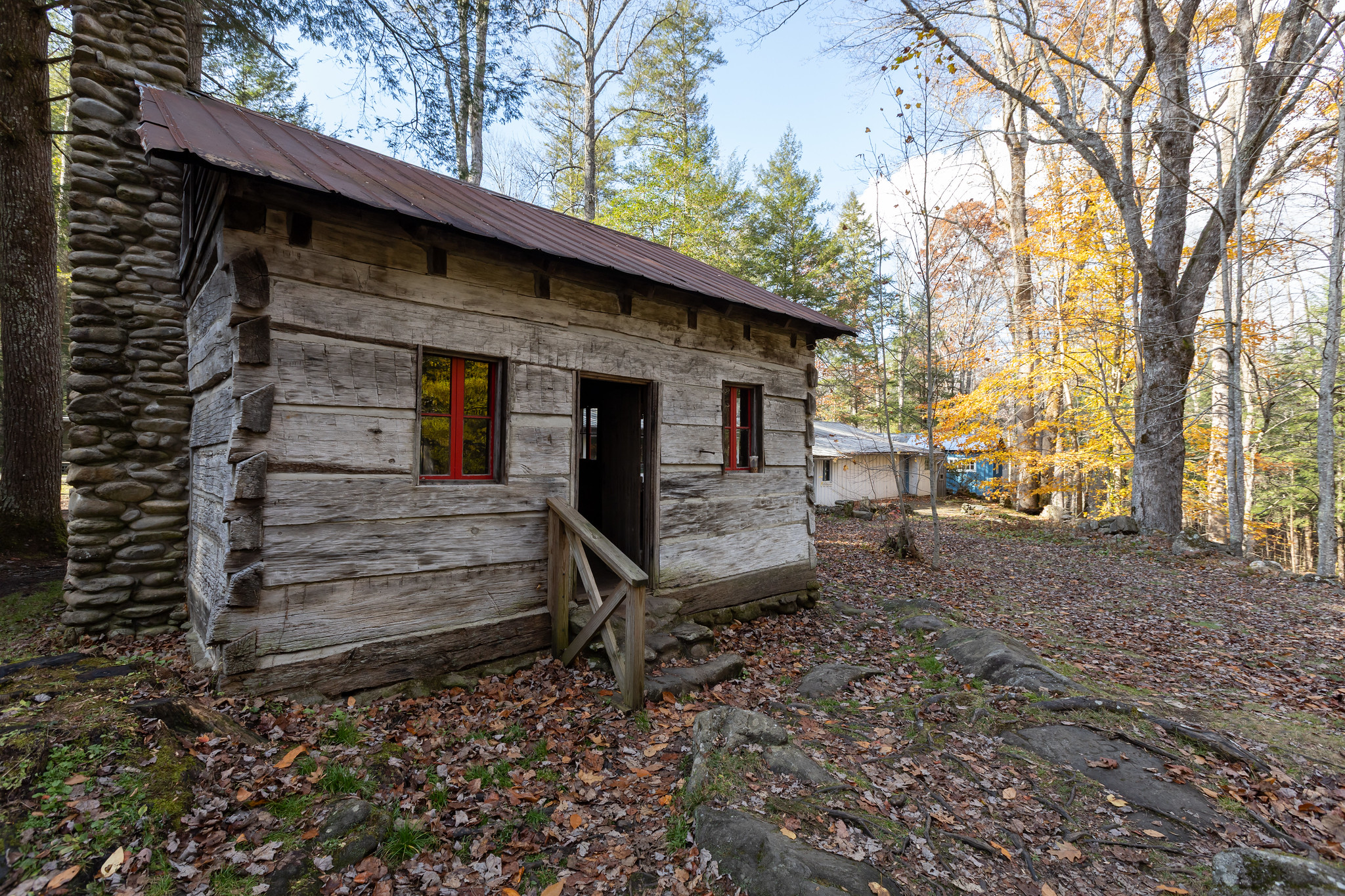
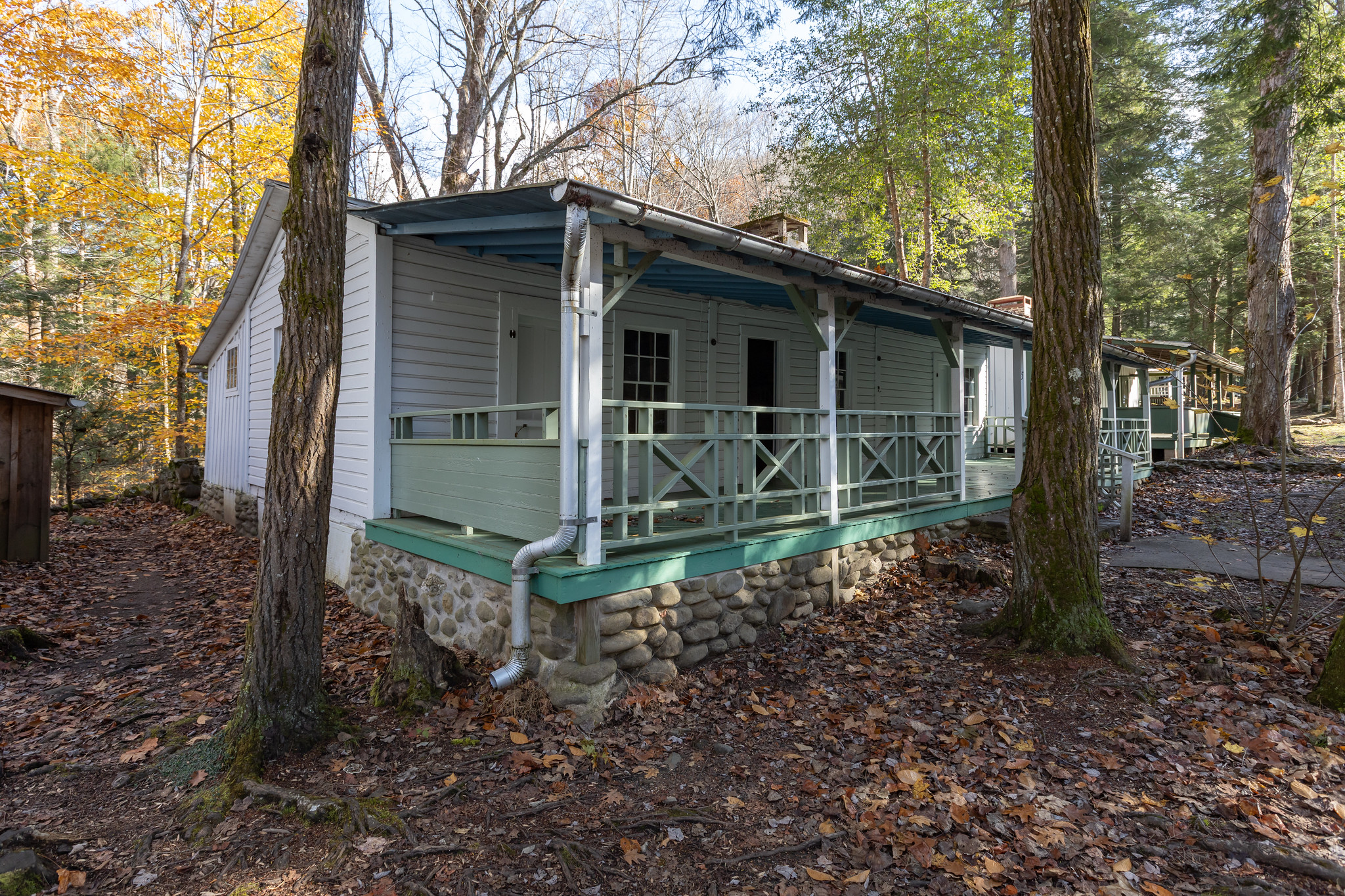
In 2005, the Wonderland Hotel collapsed, and several homes around it were in such serious disrepair the National Park Service slated them for removal. In 2009, the NPS announced plans to restore 19 buildings which included the Appalachian Club and 18 other cottages that were deemed historically significant. With names like Millionaire’s Row and Society Hill, you get a sense of how luxurious these homes once were, compared to the rustic cabins in the Smoky Mountains. The National Park Service recognizes Elkmont as a vital part of the region’s history. Today, the Great Smoky Mountains National Park actively works to maintain, preserve, and restore these, and more than 100 other historic buildings park-wide that each convey their own story.
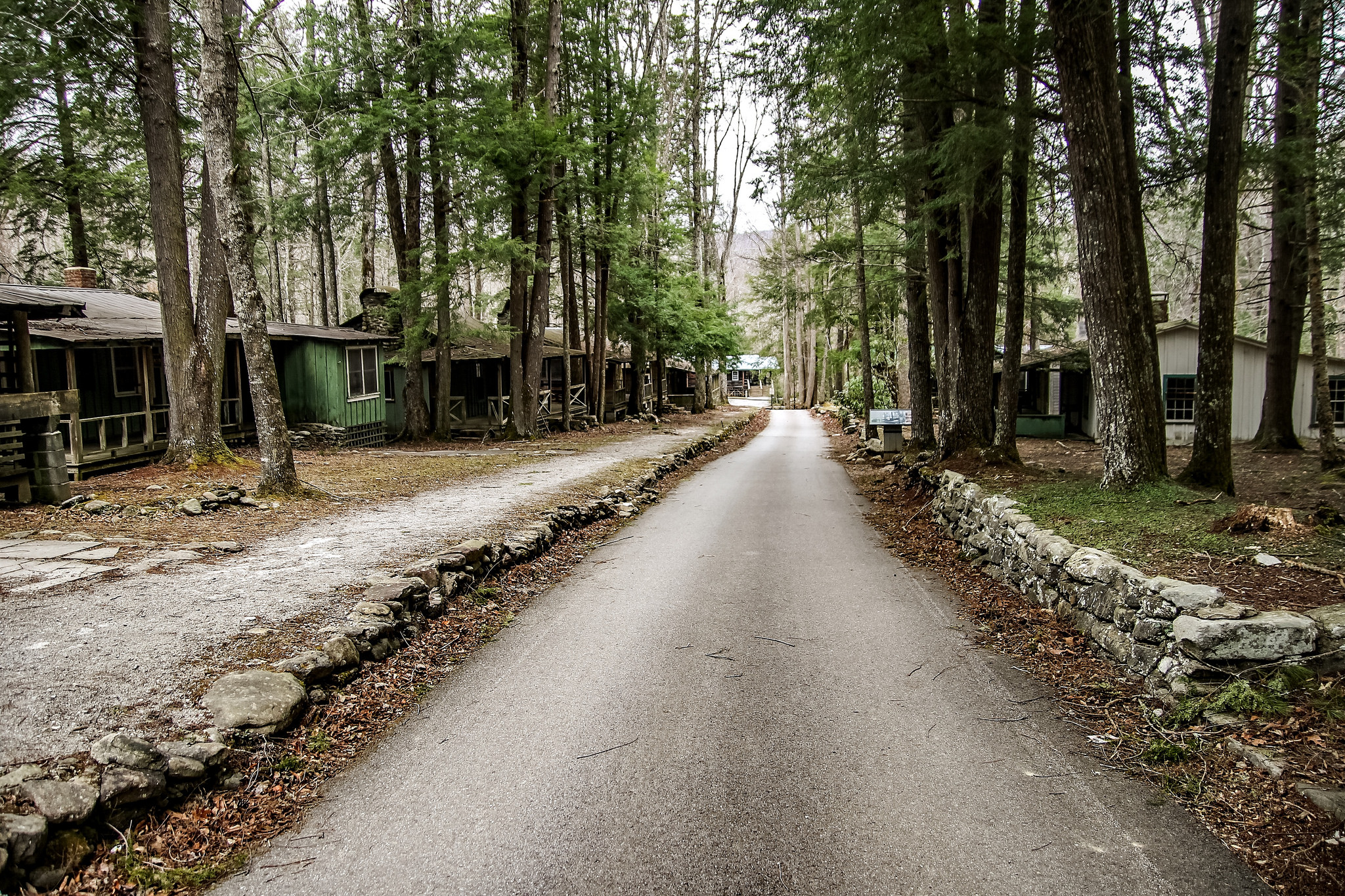
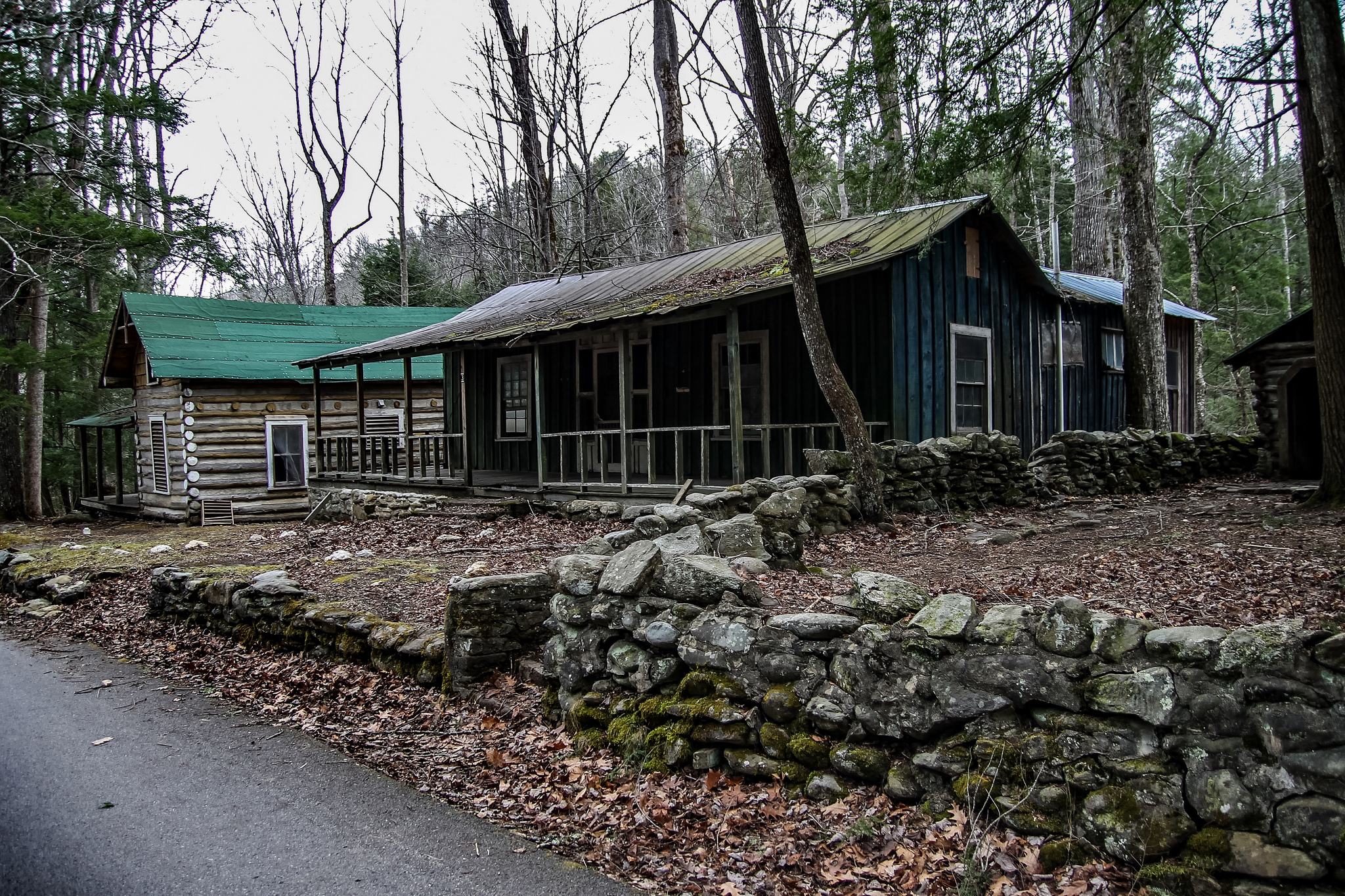
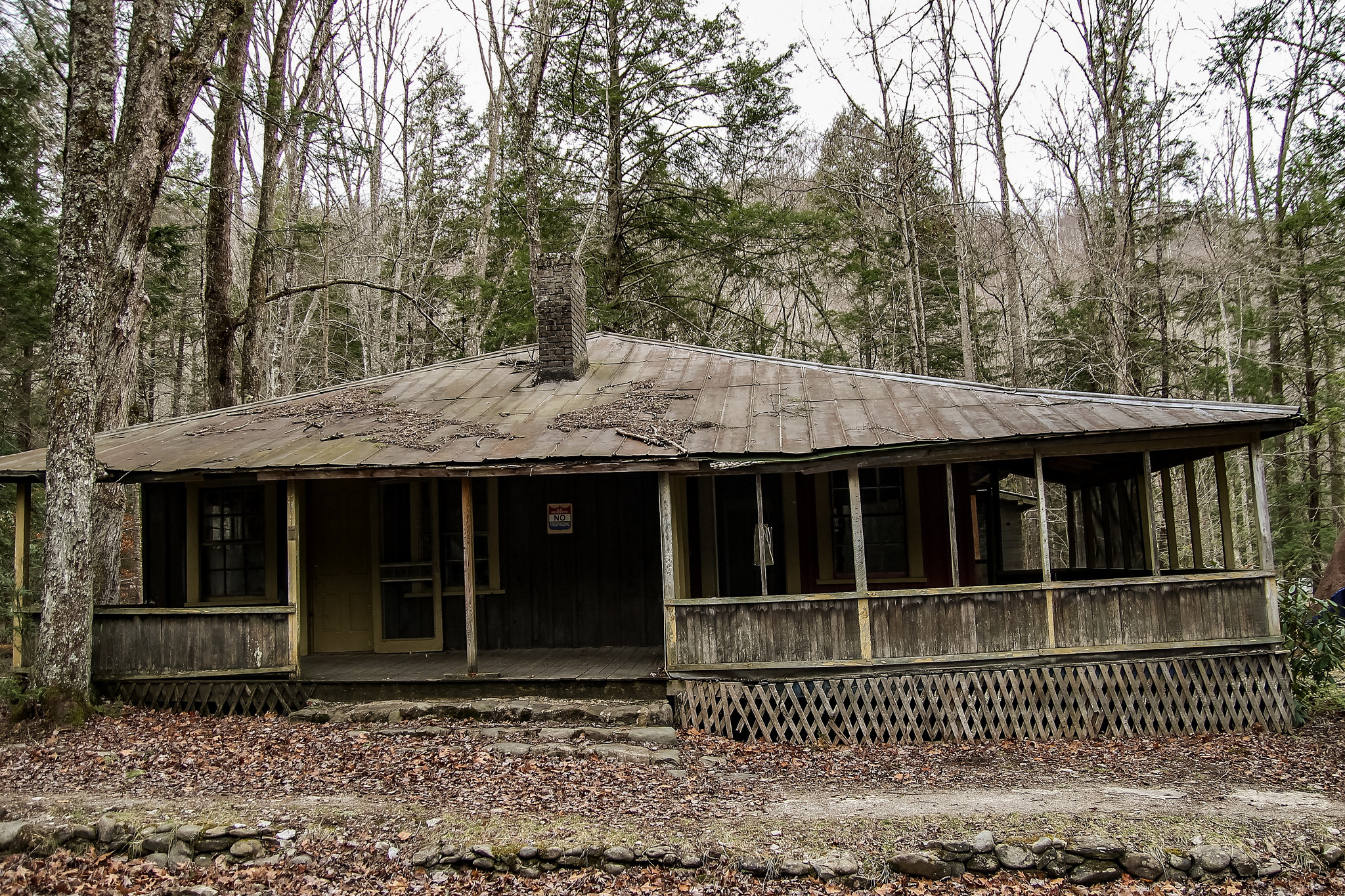
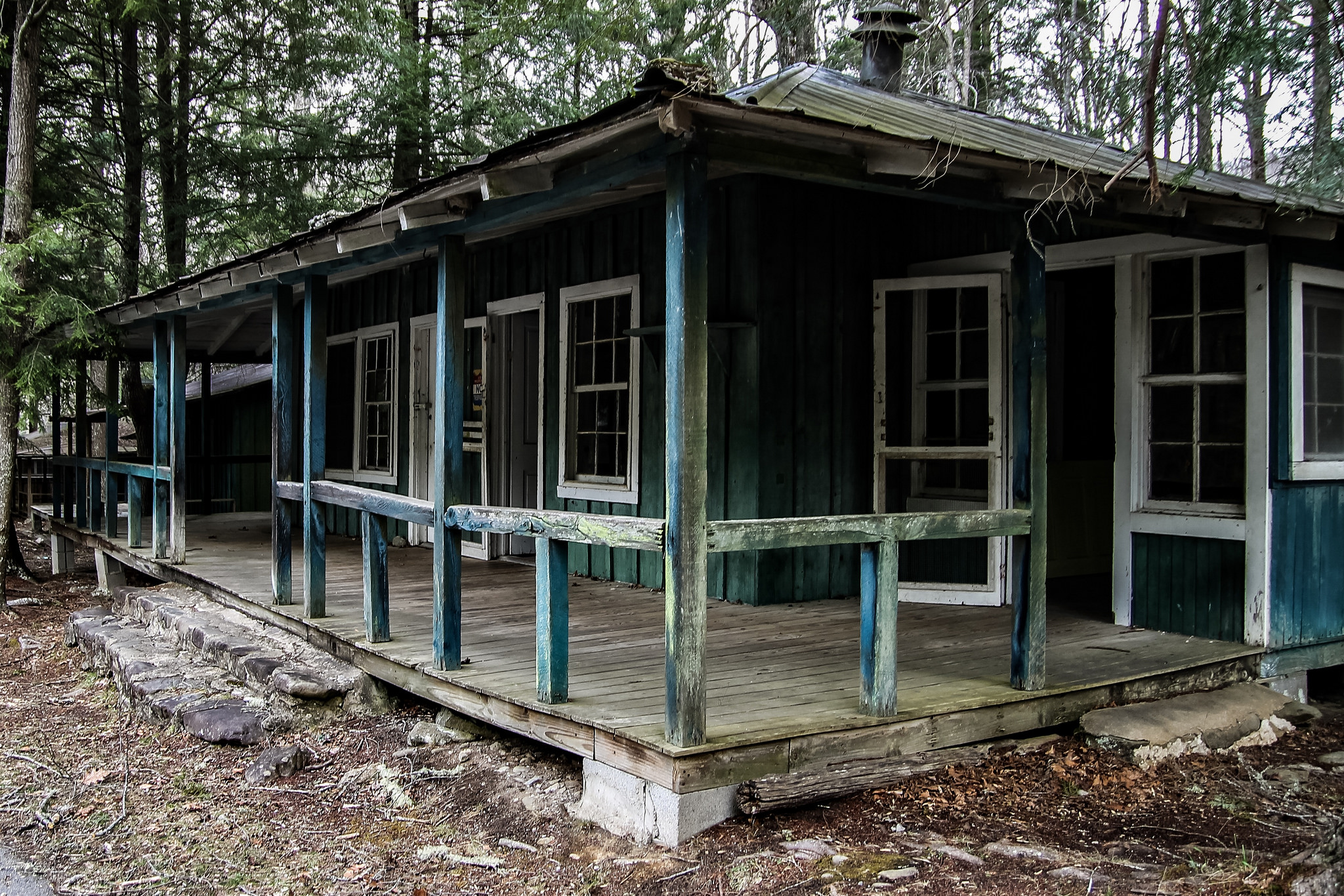
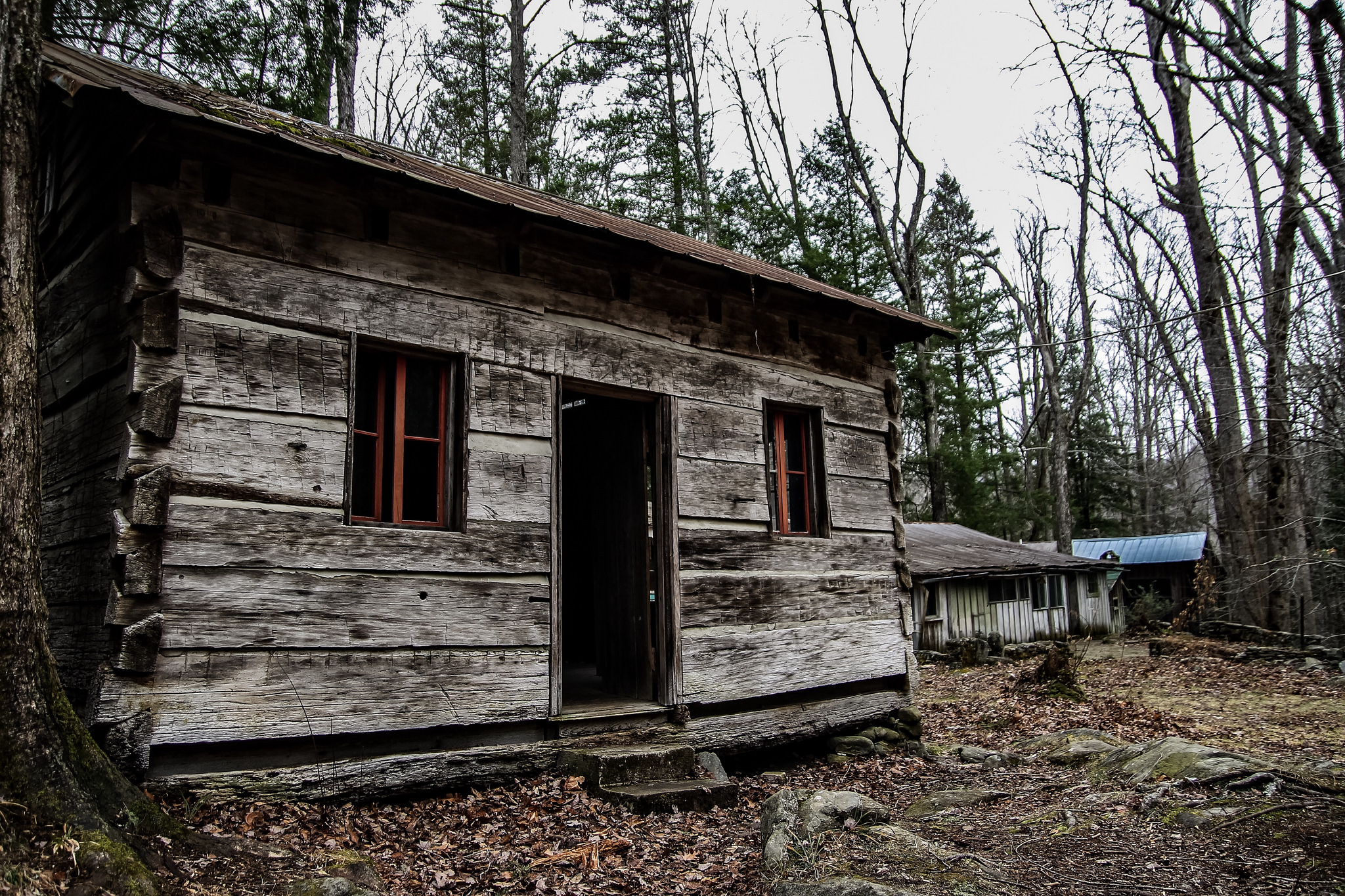
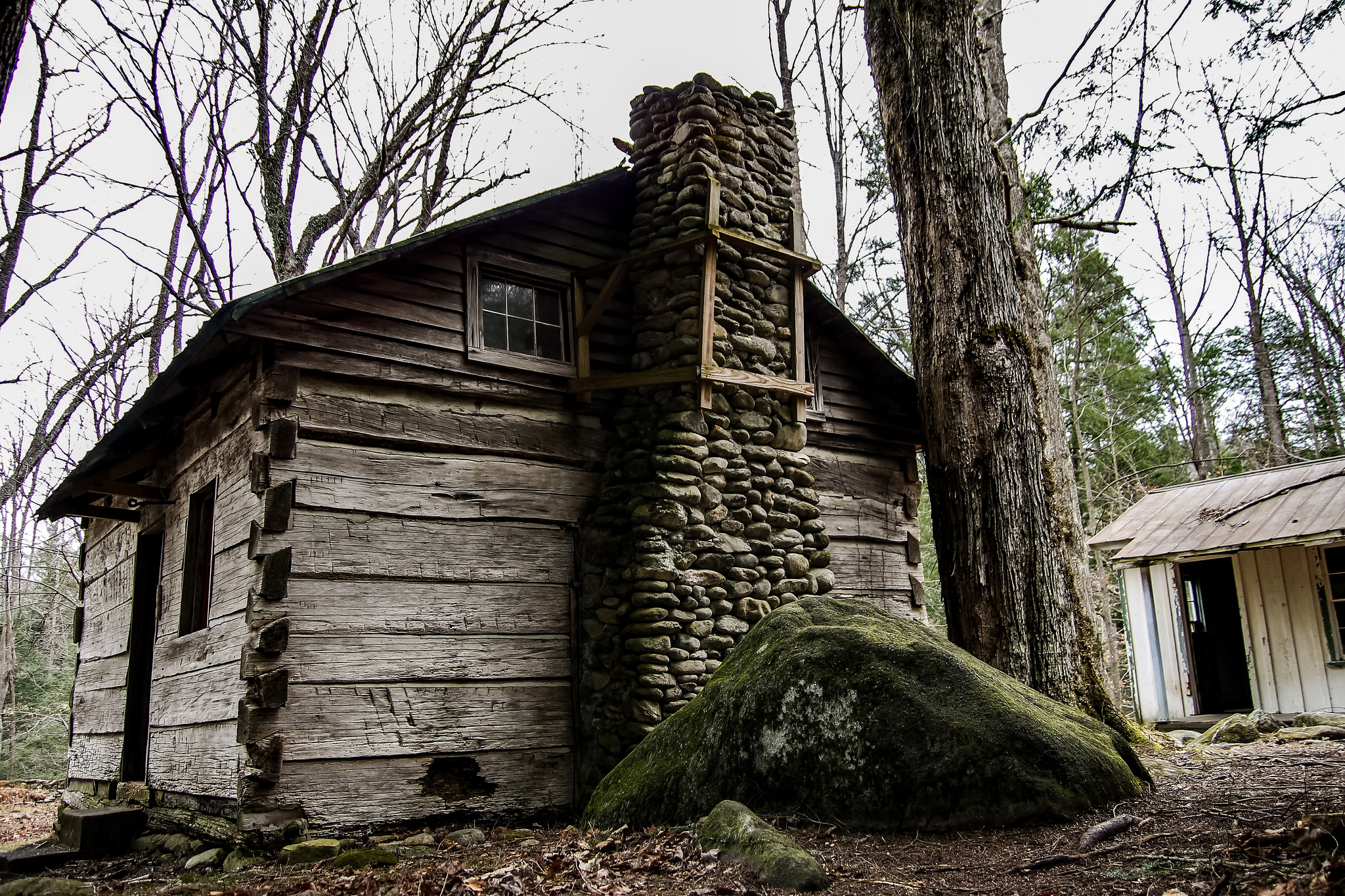
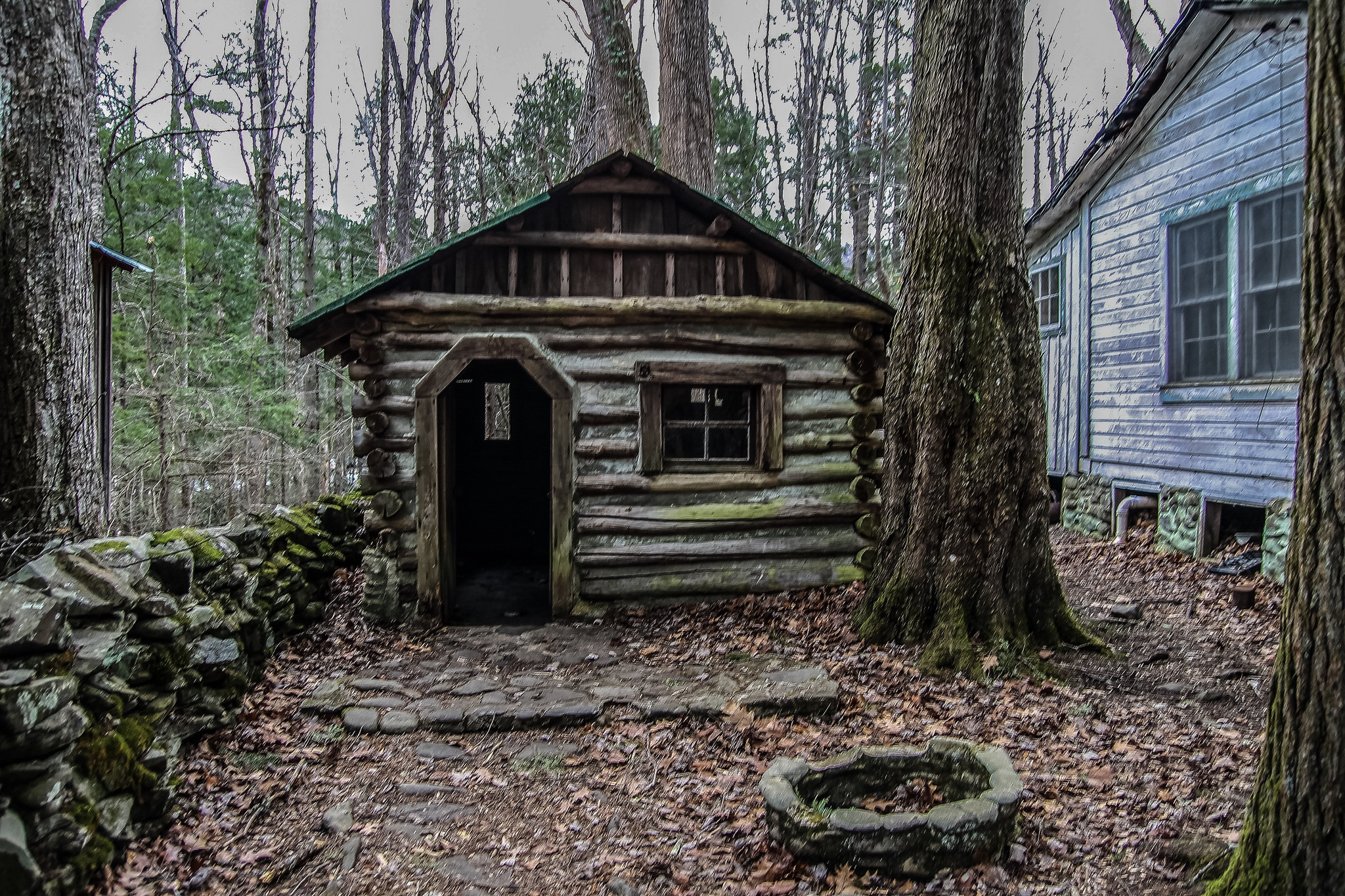
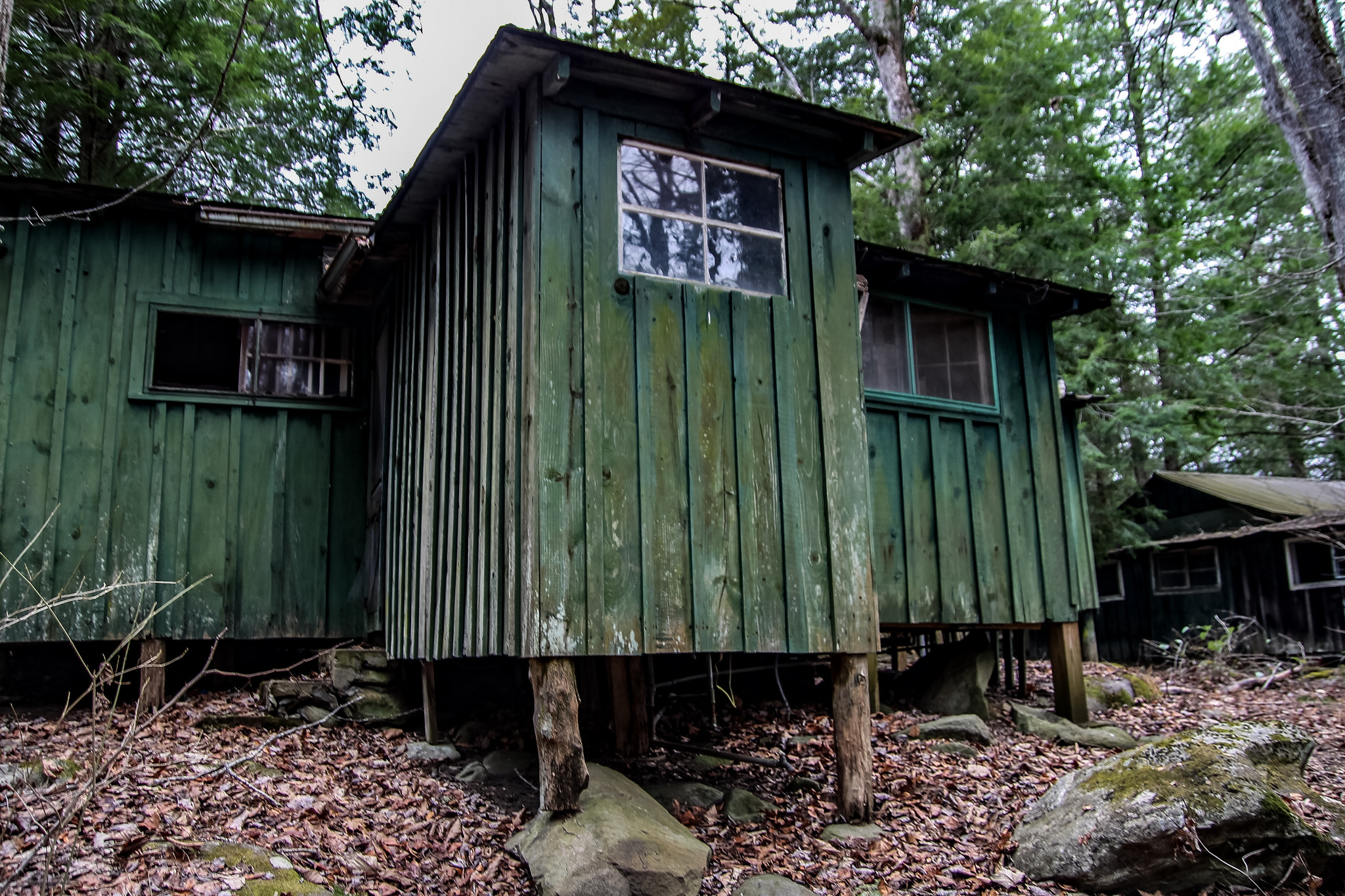
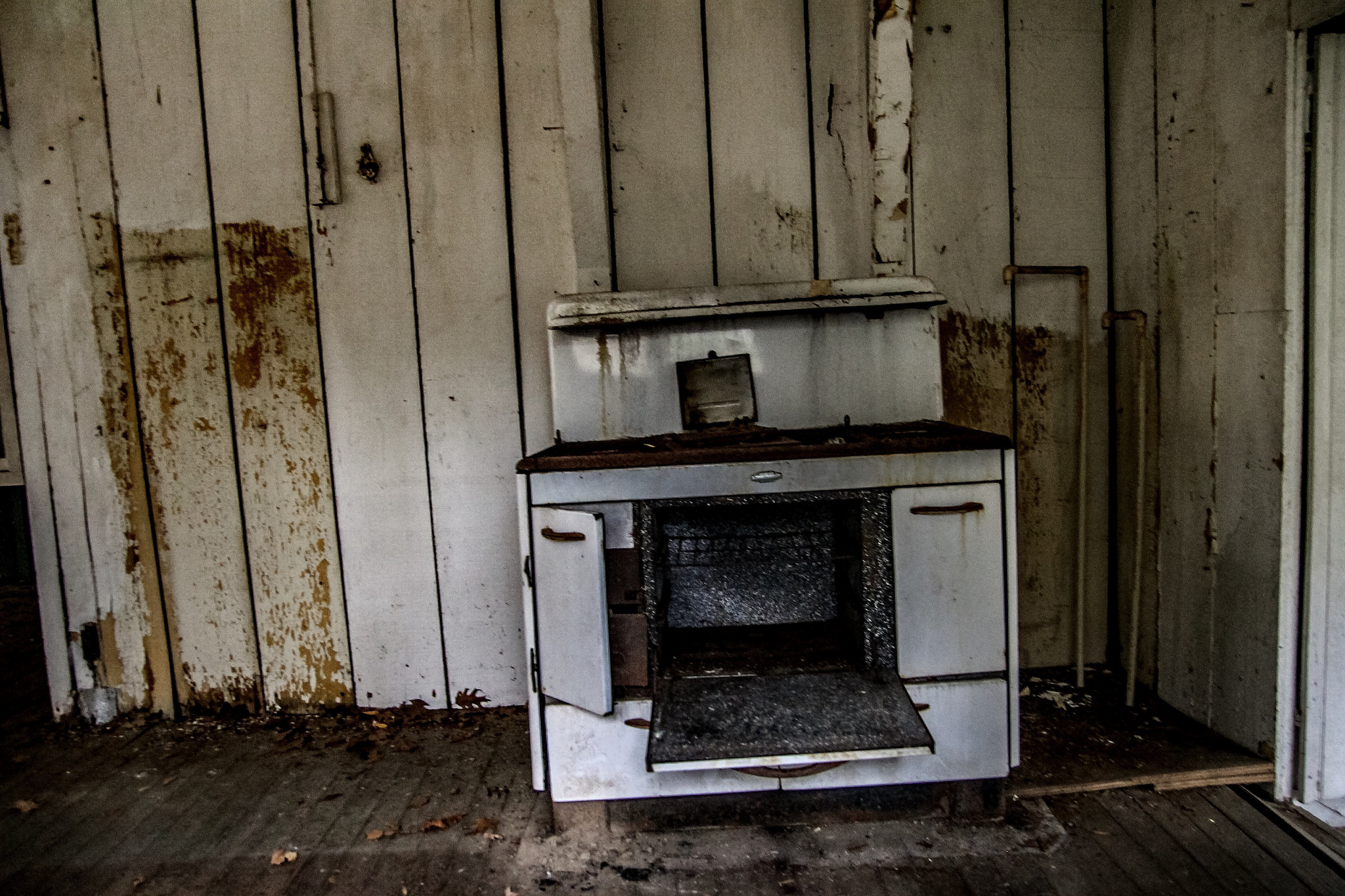
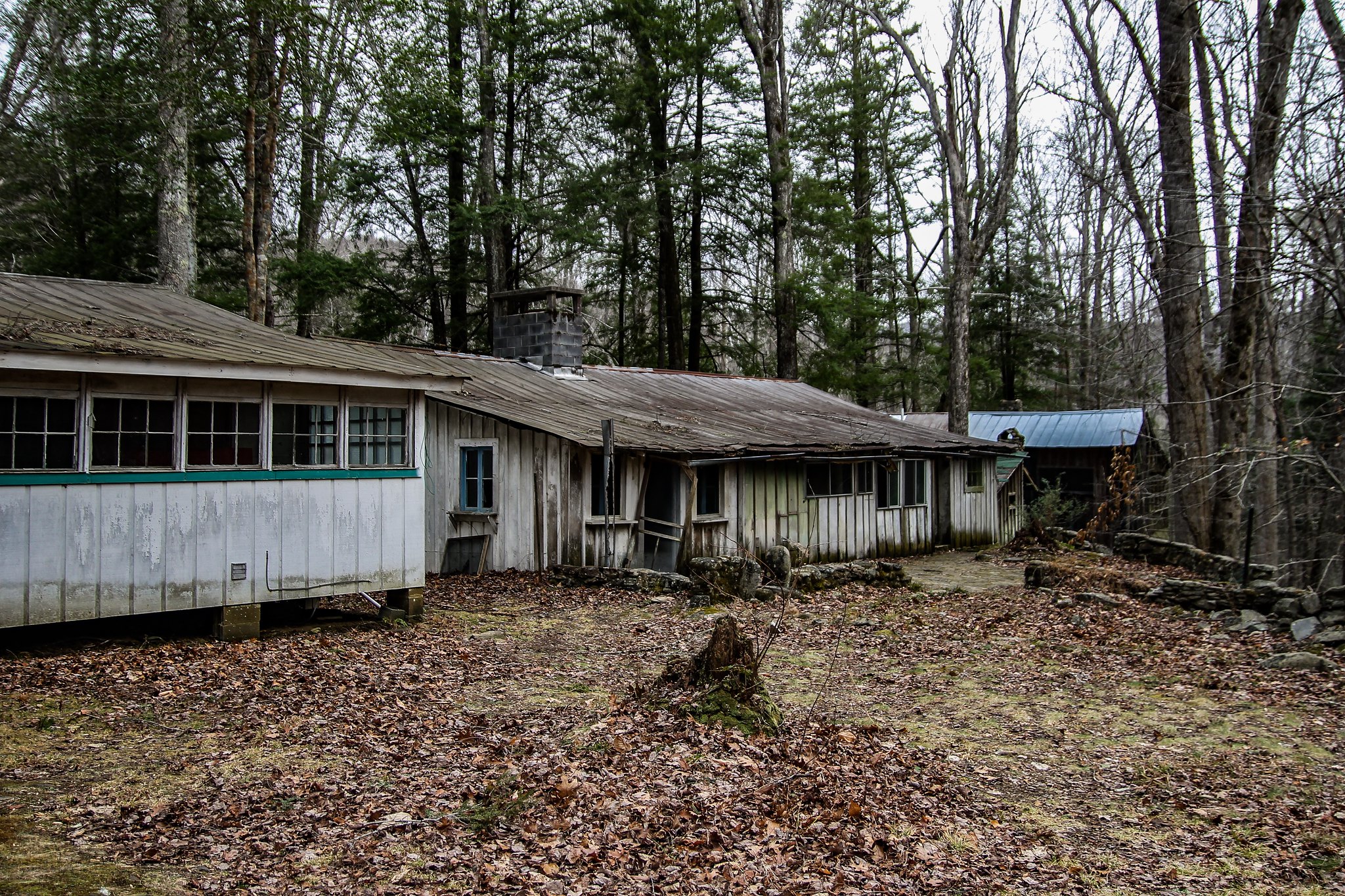
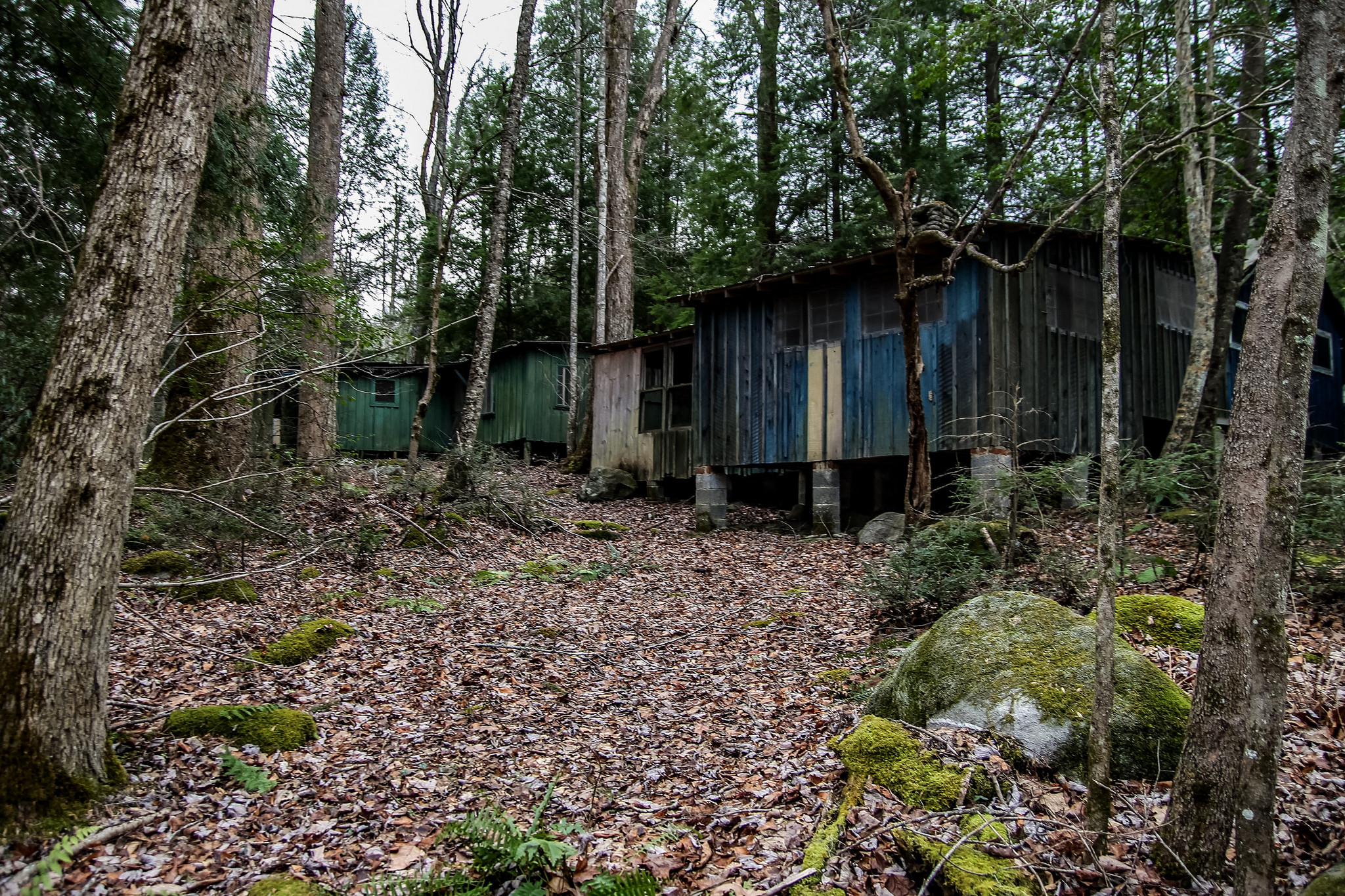
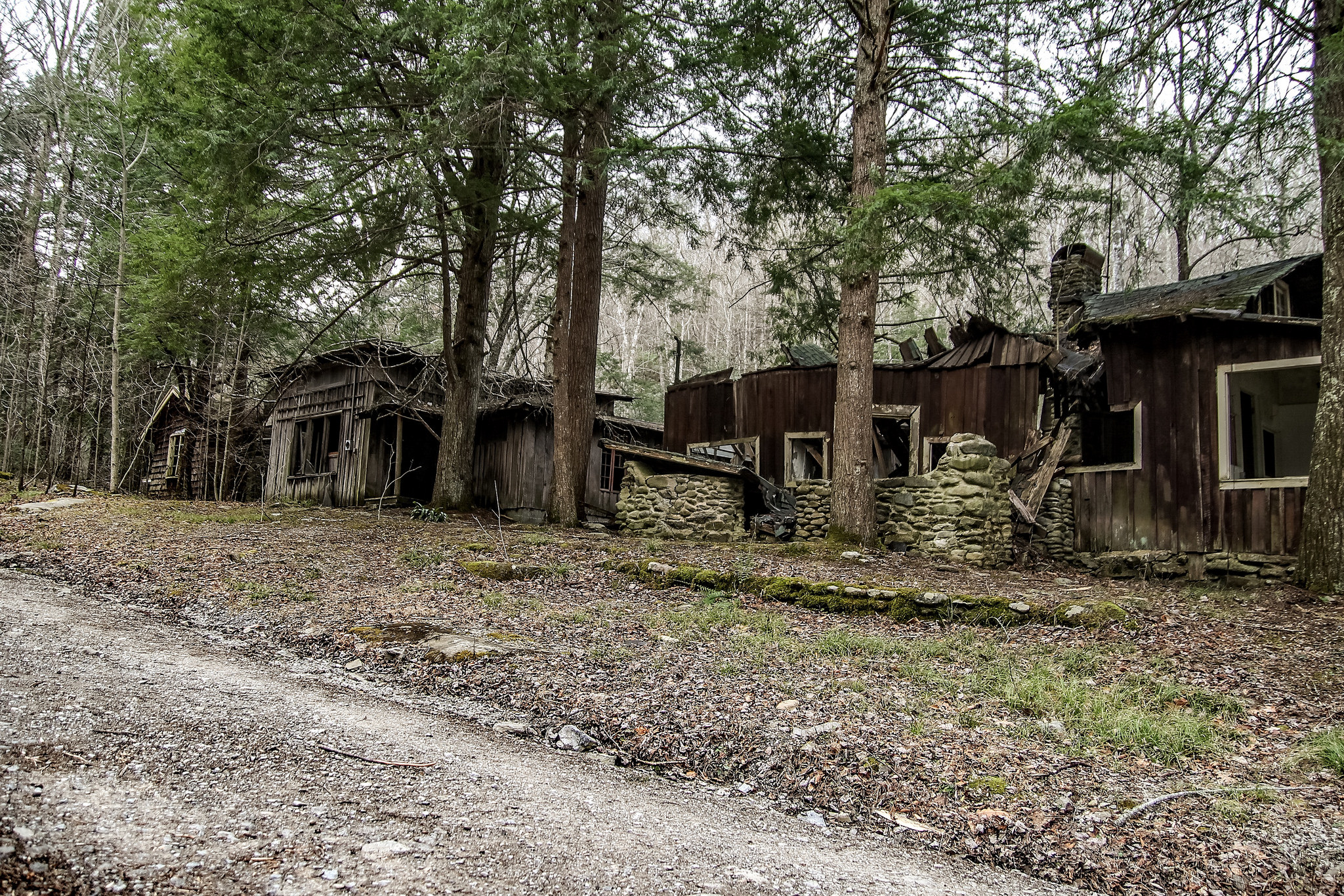
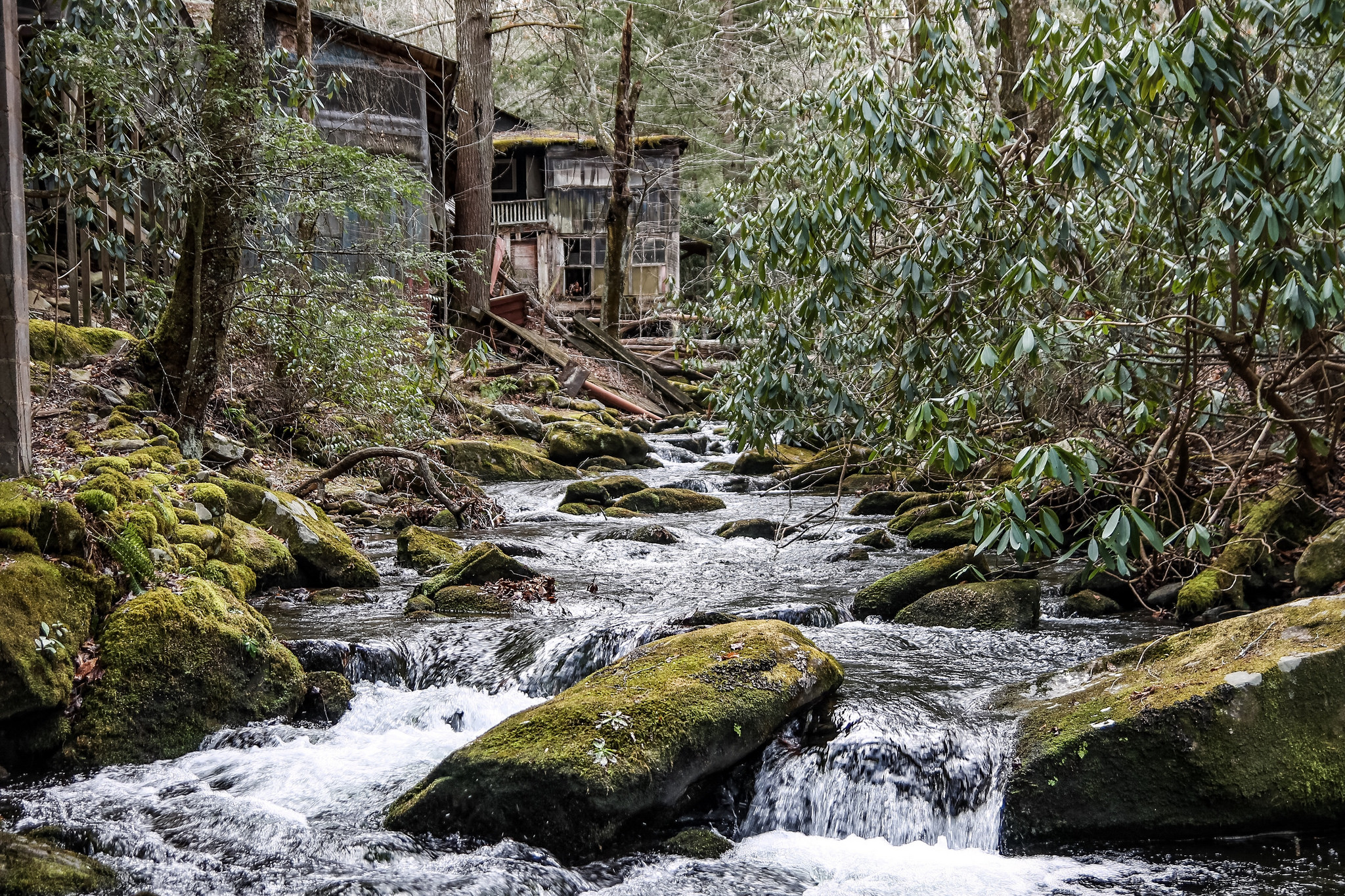
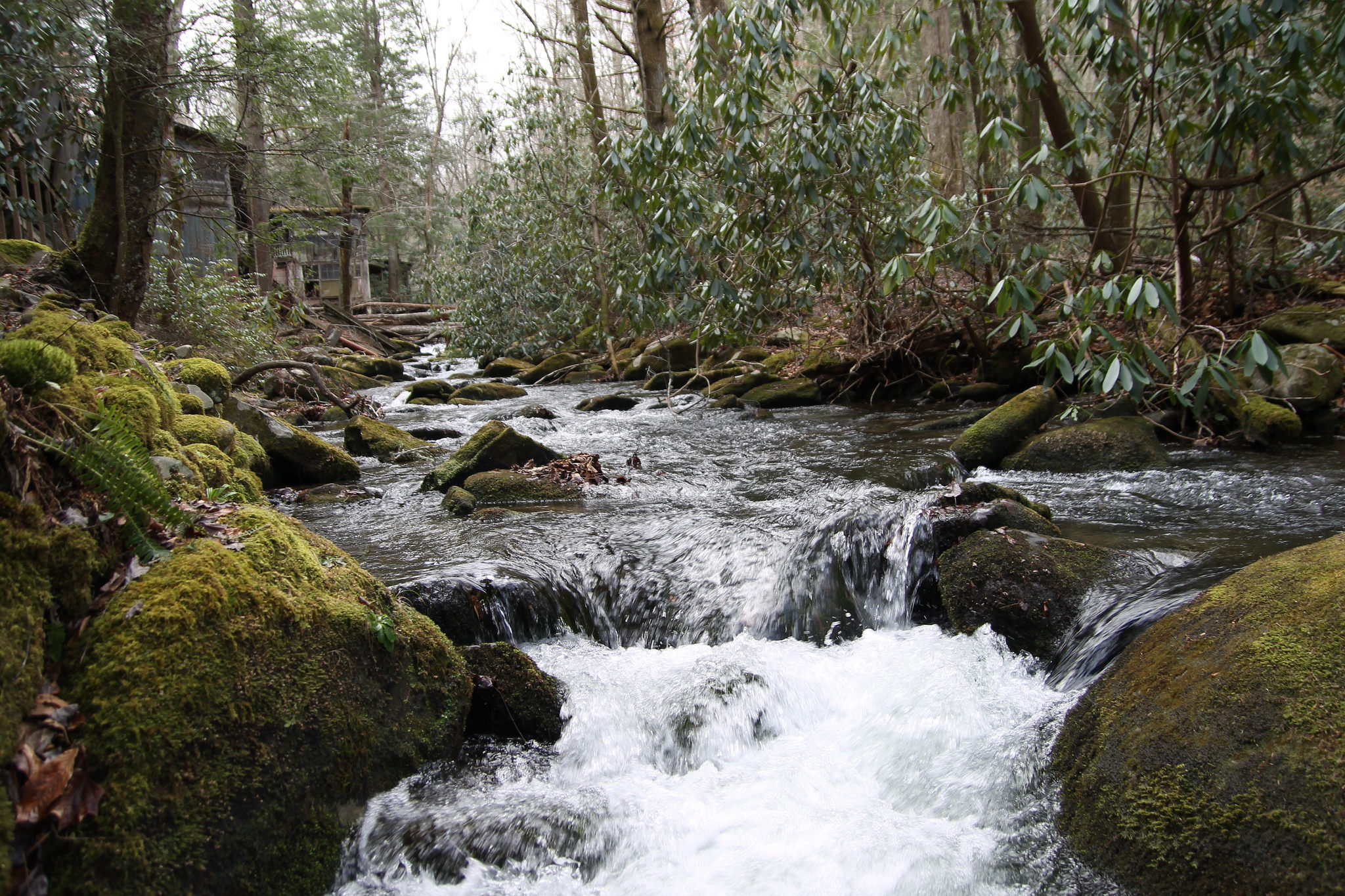
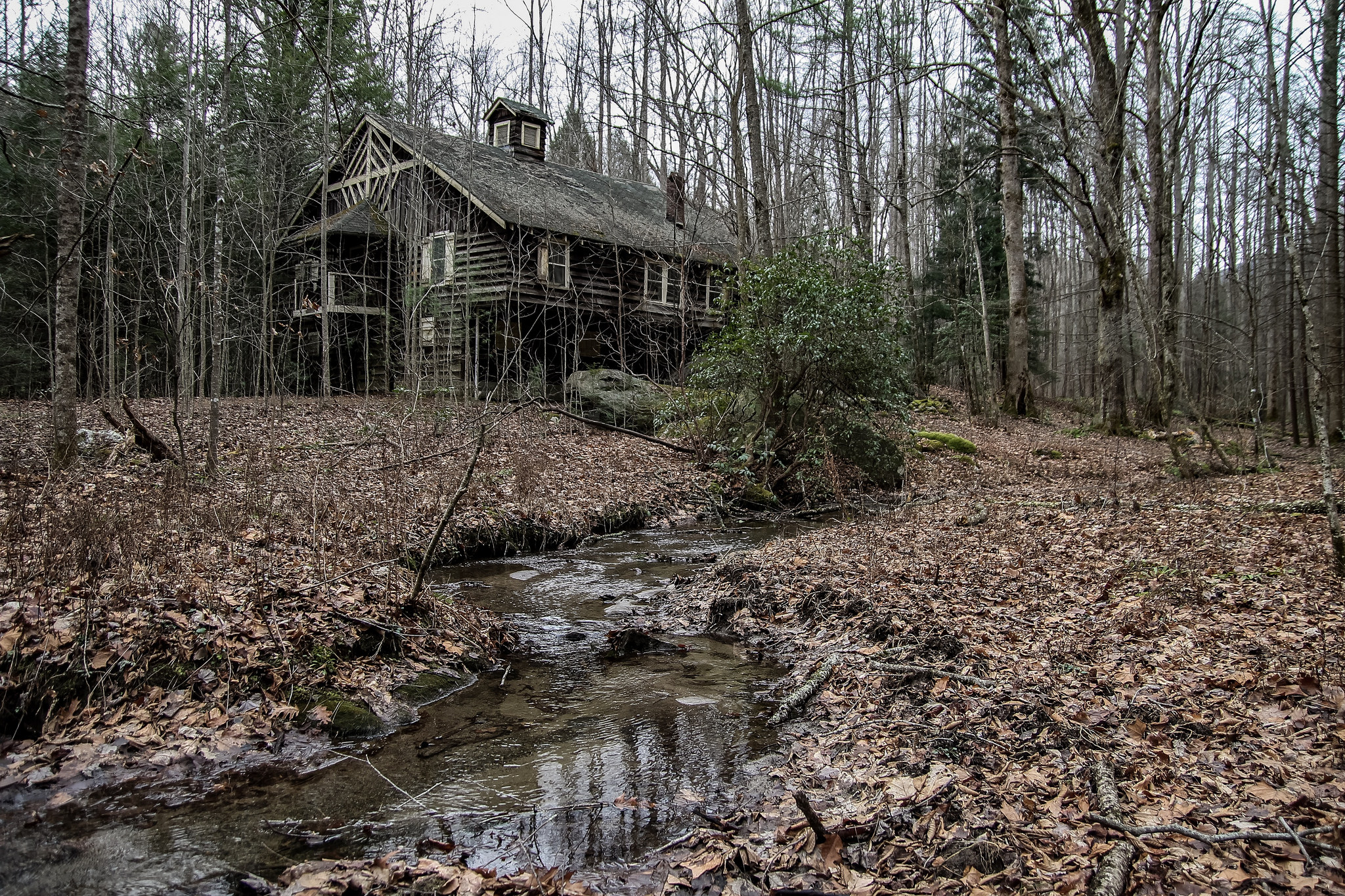
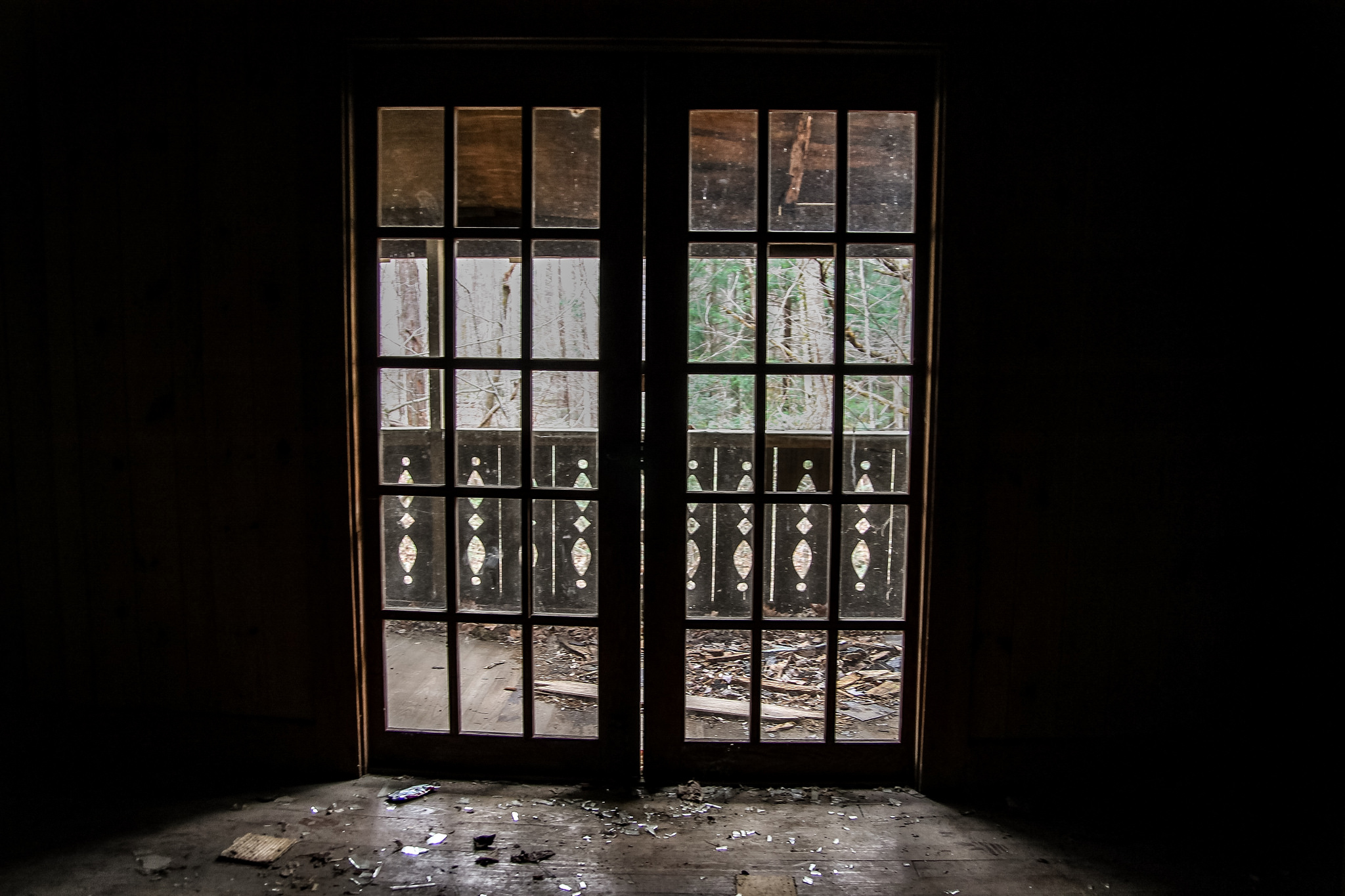
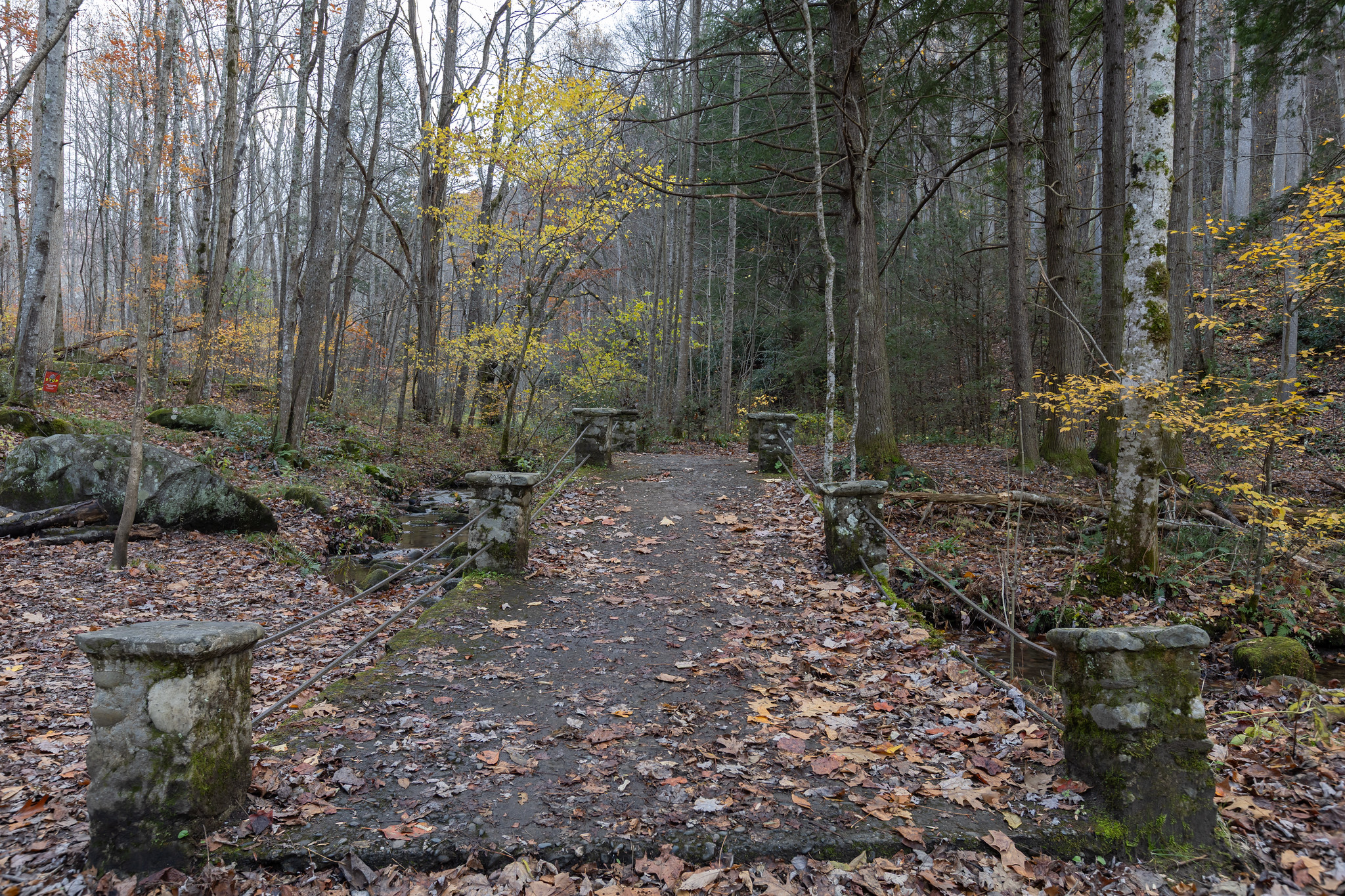
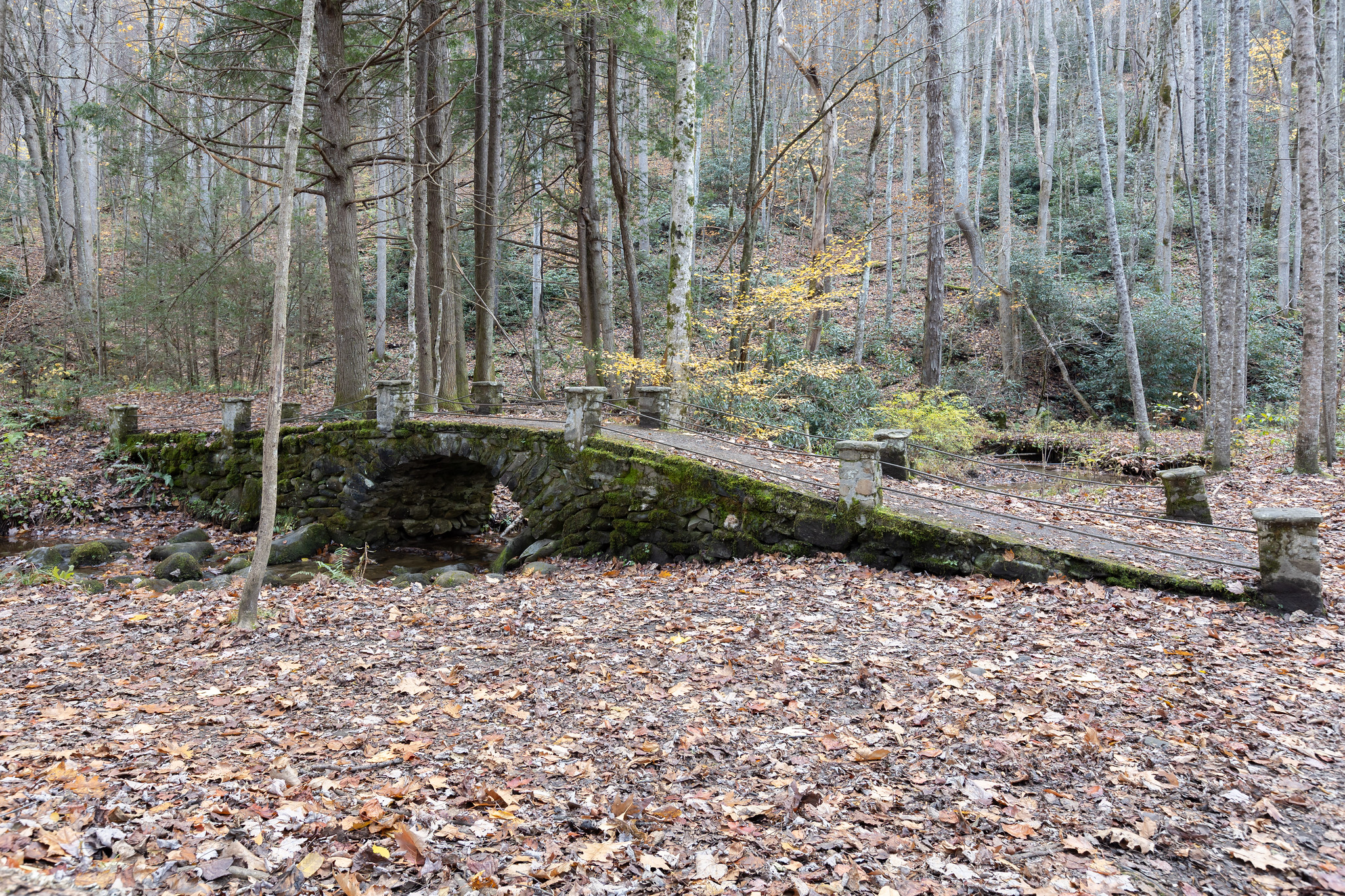
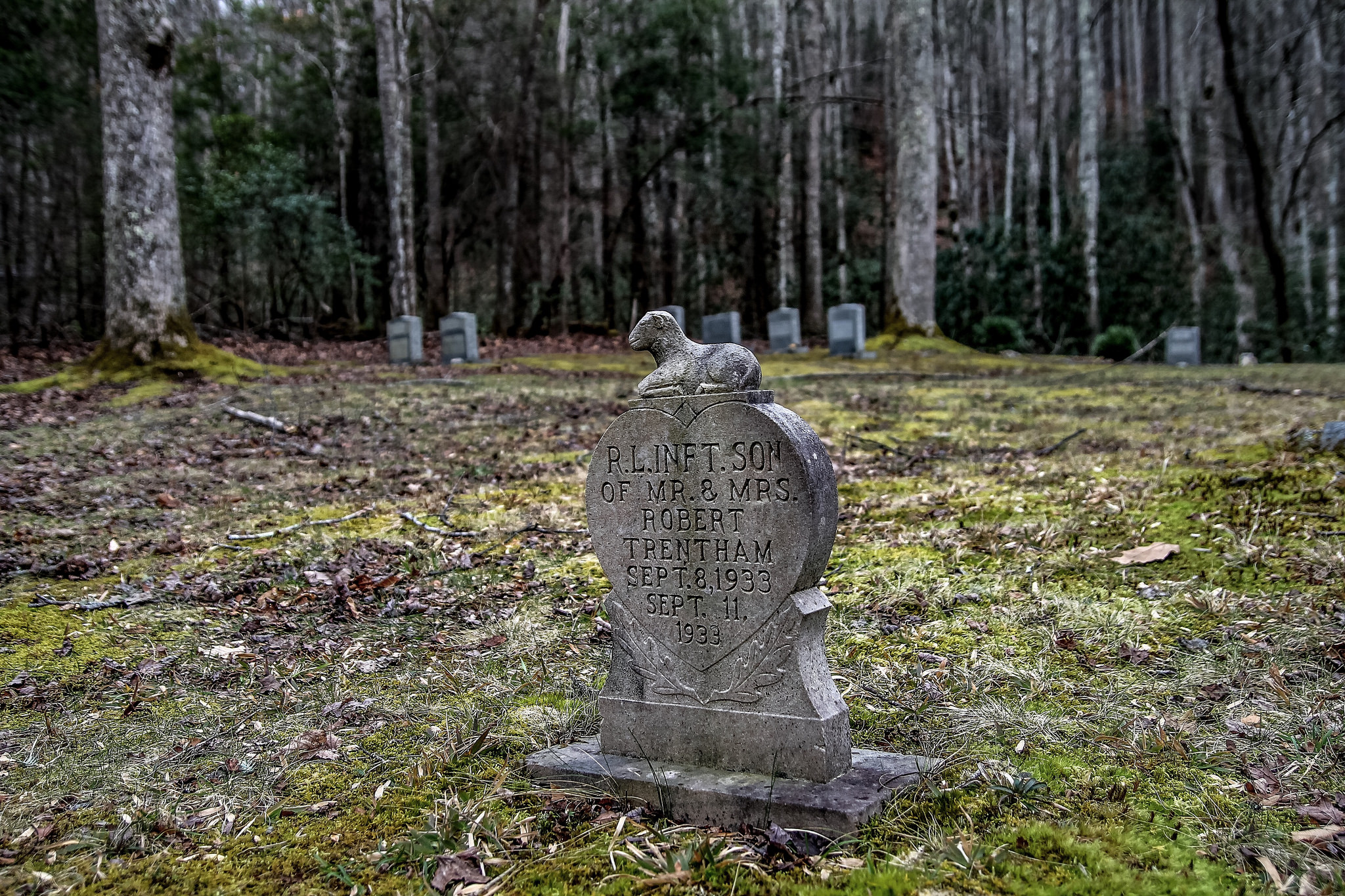

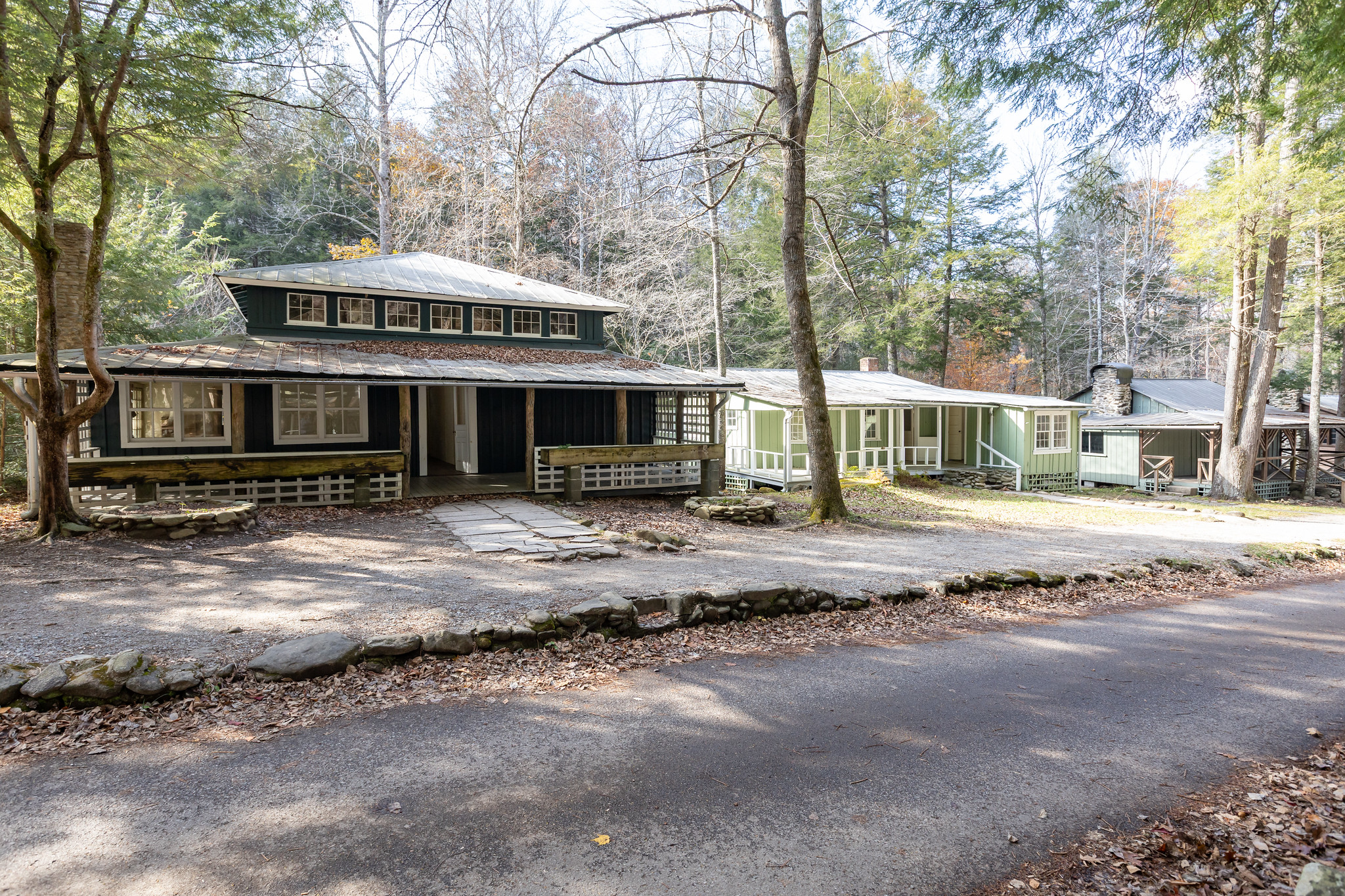
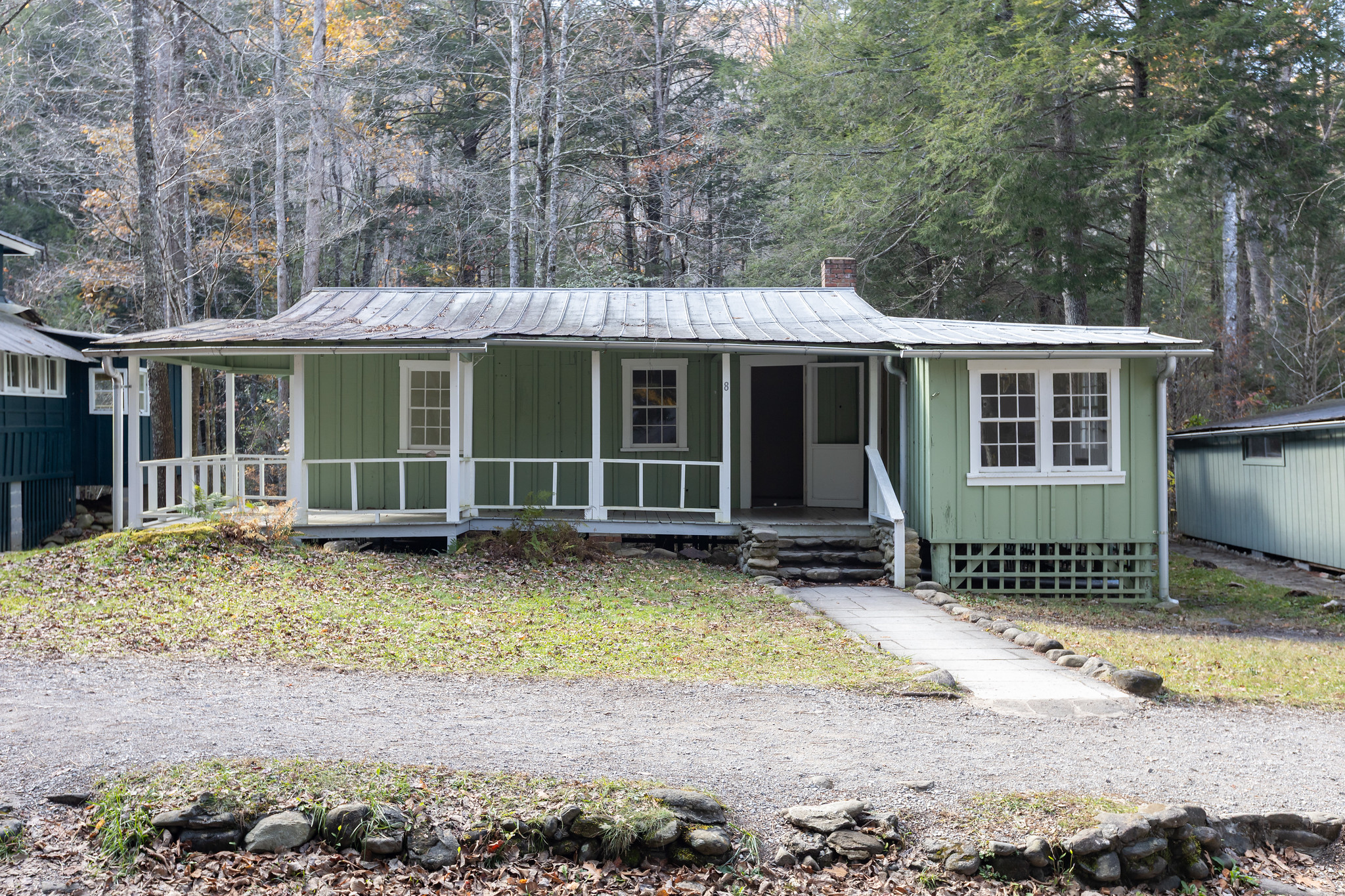
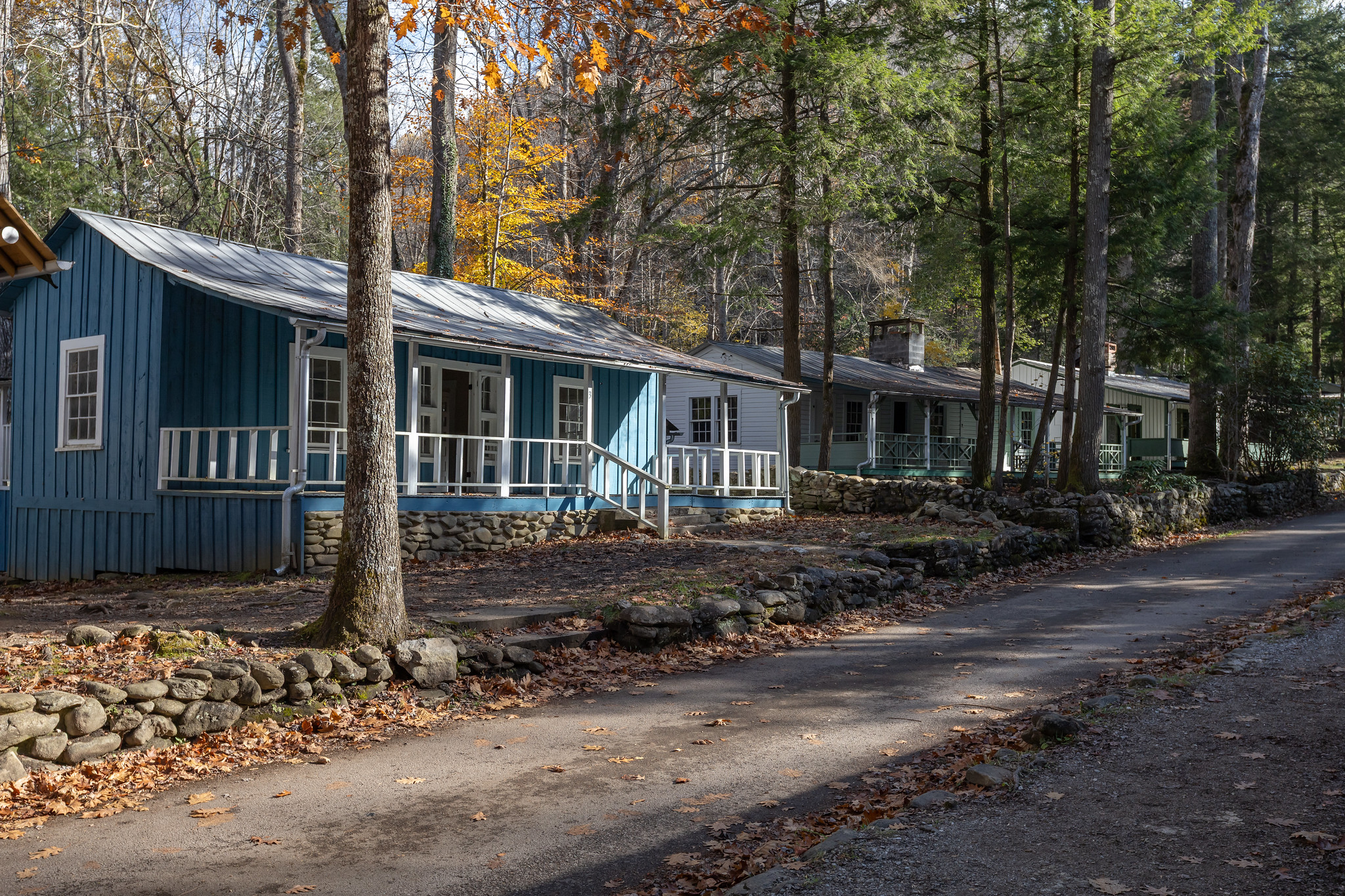
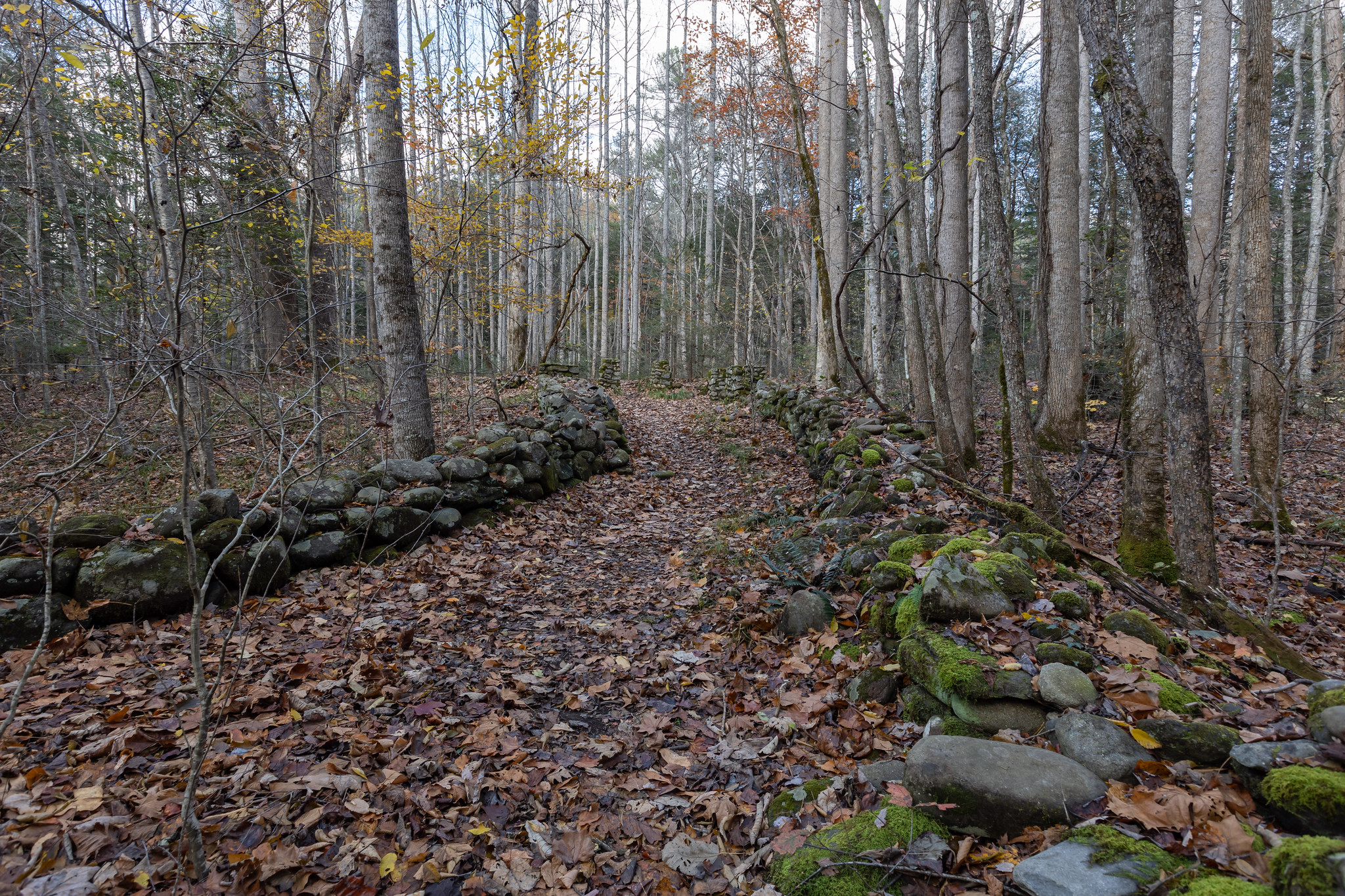
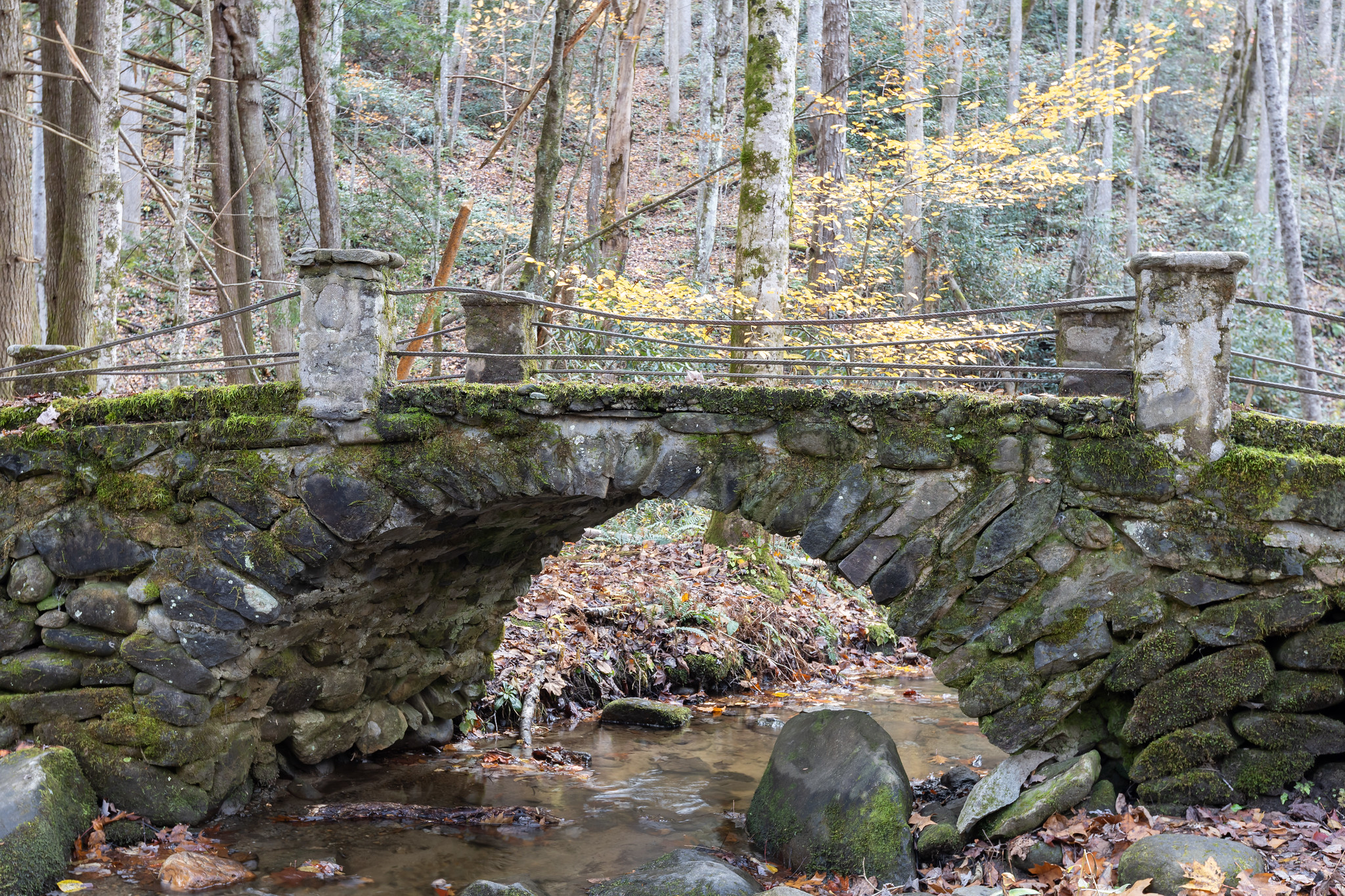
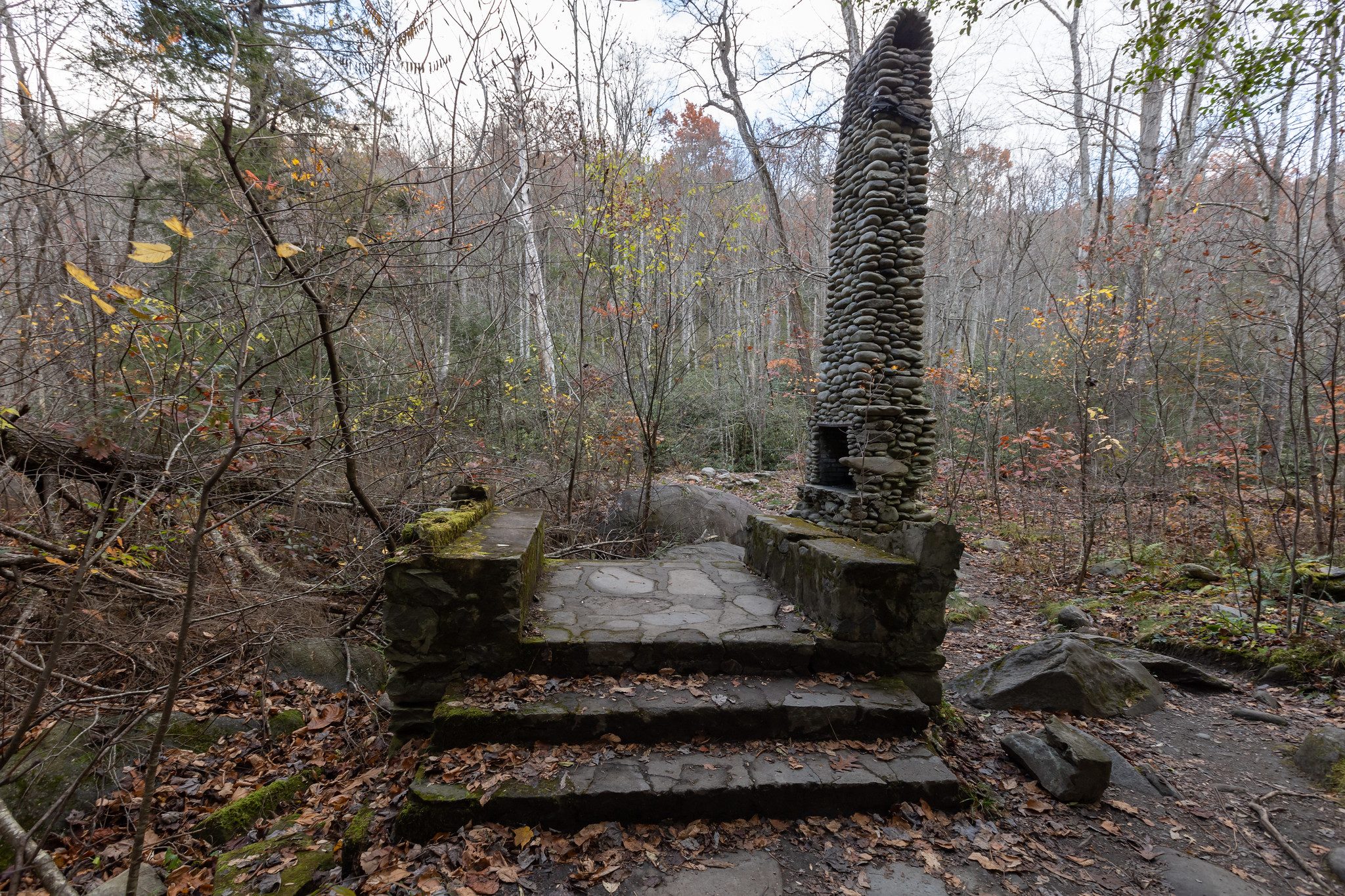
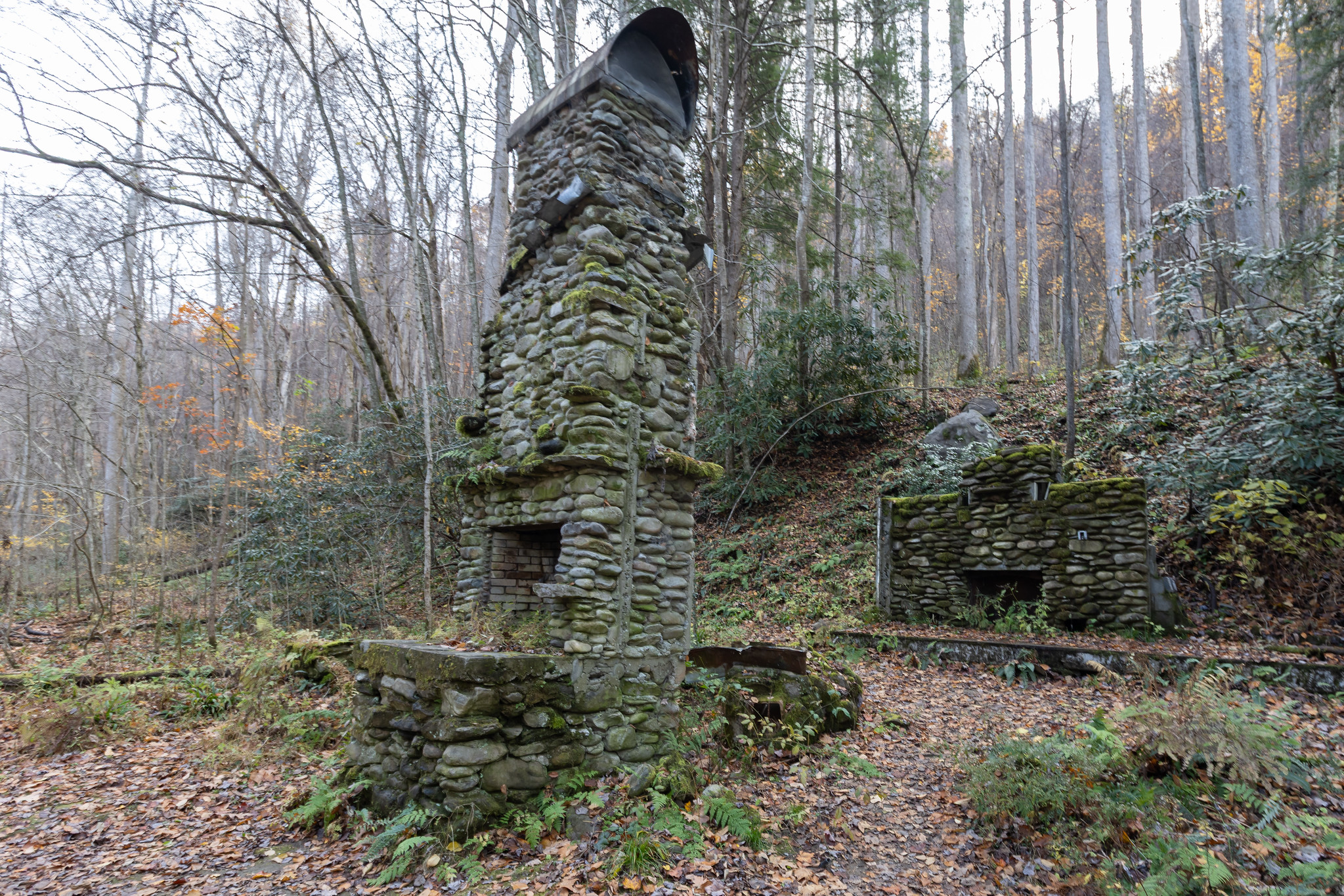
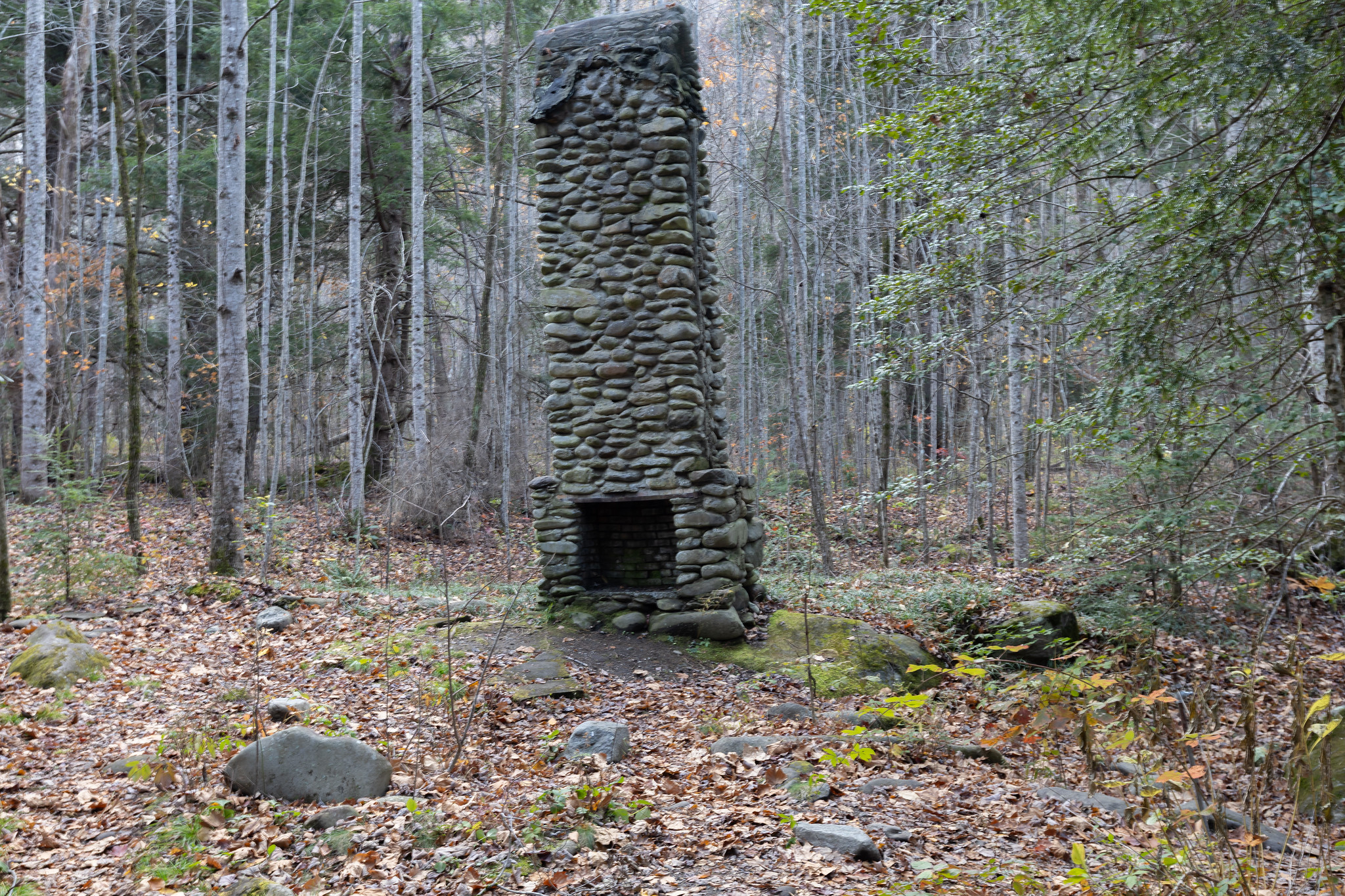
I returned in 2025 to see the renovated cabins of Daisy Town and what was left after the National Park Service returned many cabins to nature.

Thank you for reading. Please share the blog with your friends. I appreciate your support. You can find me on Facebook, Instagram, and TikTok. For more amazing, abandoned places, check out my photography books.
Discover more from Abandoned Southeast
Subscribe to get the latest posts sent to your email.

Neat stuff, thanks.
I read one time that land for Great Smoky Mountains Park was bought, to public/political displeasure based on overpaying “ market value”, for something like $5 per acre. Sometimes economic “market value” may not always represent societal value.
LikeLiked by 1 person
Very cool!
LikeLiked by 1 person
Amazing story and images! Thanks for posting it!
LikeLiked by 1 person
Thanks!
LikeLike
Nice. Interesting. Wonder if you could metal detect there?
LikeLiked by 1 person
I wonder what will become of our current luxurious spaces in a century’s time? The story and photos are intriguing, thanks for sharing!
LikeLiked by 1 person
Looks a fascinating place for a wander….and no people!
LikeLiked by 1 person
This is so great! Really good pics
LikeLiked by 1 person
I like your article, very inspiring and thank you for your post
LikeLike
There are so many of these lovely, little hamlets scattered throughout America. America the beautiful, truly.
LikeLiked by 1 person
Great post! We’re visiting the Great Smokies next year and are hoping to stay in Elmont Campground, so we’ll definitely make an effort to detour to the ghost town!
LikeLiked by 1 person
Thanks! Go before the park destroys all the old cabins!
LikeLike
Was just in Elmont last week and saw some renovations going on. Glad to see that. It is a beautiful spot, very interesting. Thanks for the article!
LikeLike
I believe there is a small typo in the beginning of this. You have that it was established in the year 2908. Either a typo or you have been to the future and need to tell and show us more. lol…Great job on Abandoned Southeast!! Thank you for the hours of highly enjoyable, fascinating and truly interesting history you are giving us here!!
LikeLiked by 1 person
Jennifer, I fixed the date. I haven’t quite got the time travel thing down yet! I appreciate you reading my blog. Tell a friend!
LikeLike
What an interesting article!! I thoroughly enjoyed reading it that I’ve read it 3 times to make sure I haven’t left anything out. I’m not a native of Tennessee so I’d like to
know how far Elkmont is from Knoxville so I can go there one day. I can’t wait to
visit the place. That’s one of the few places I’ve wanted to go in TN. I moved over
here from Memphis and Elvis’ place didn’t interest me a bit as I was in Memphis way before he bought it so didn’t bother to investigate it afterwards. Thanks for an
interesting bit of information.
LikeLike
I live in Jacksonville, Florida and have done so since 1960. In the early 50’s though, my family lived in Knoxville. While there, I acquired the affinity I have for the Smokies and the Appalachians. In 1985 I acquired a mountain retreat home near Banner Elk, N.C. I am, what we in the hobby call, an Advanced Amateur photographer. I spend about 2 months each year up at the mountain house. Over the years, I have dedicated a lot of time shooting ( a photographers term ) old farm houses, barns and other structures throughout the Smokies and Southern Appalachians. I have literally hundreds and hundreds of photos I’ve taken that document these type of subjects. I have a life mission to record as many of these things as I can before time, neglect, or wood scavengers eliminate them from the scene. I am a participant in a major photographers forum where others who share my affliction also post their work. I am in the process of acquiring an additional mountain retreat in Elizabethton, TN. , hoping to expand my efforts a little bit northward. If anyone wants to check out the forum, please email me at my listed email address and I’ll give you the info on how to access our group. Actually, the sub-forum I’m active in is but a small section of the overall forum. Photographers of every discipline also participate. As we say to each other ” Good luck and good shooting “
LikeLiked by 1 person
I’d like to join your forum. Abandonedsoutheast@gmail.com
LikeLike
we stayed at Wonderland in the early eighties, it was charming but about to fall then, never forget the possums under the front porch
LikeLiked by 1 person
I vacationed at the Wonderland Hotel in 1991 which turned out to be an unforgettable place and experience. We were informed at that time that it’s days were numbered so I mentally photographed the experience and can still recall it today. Great article, thank you.
LikeLiked by 1 person