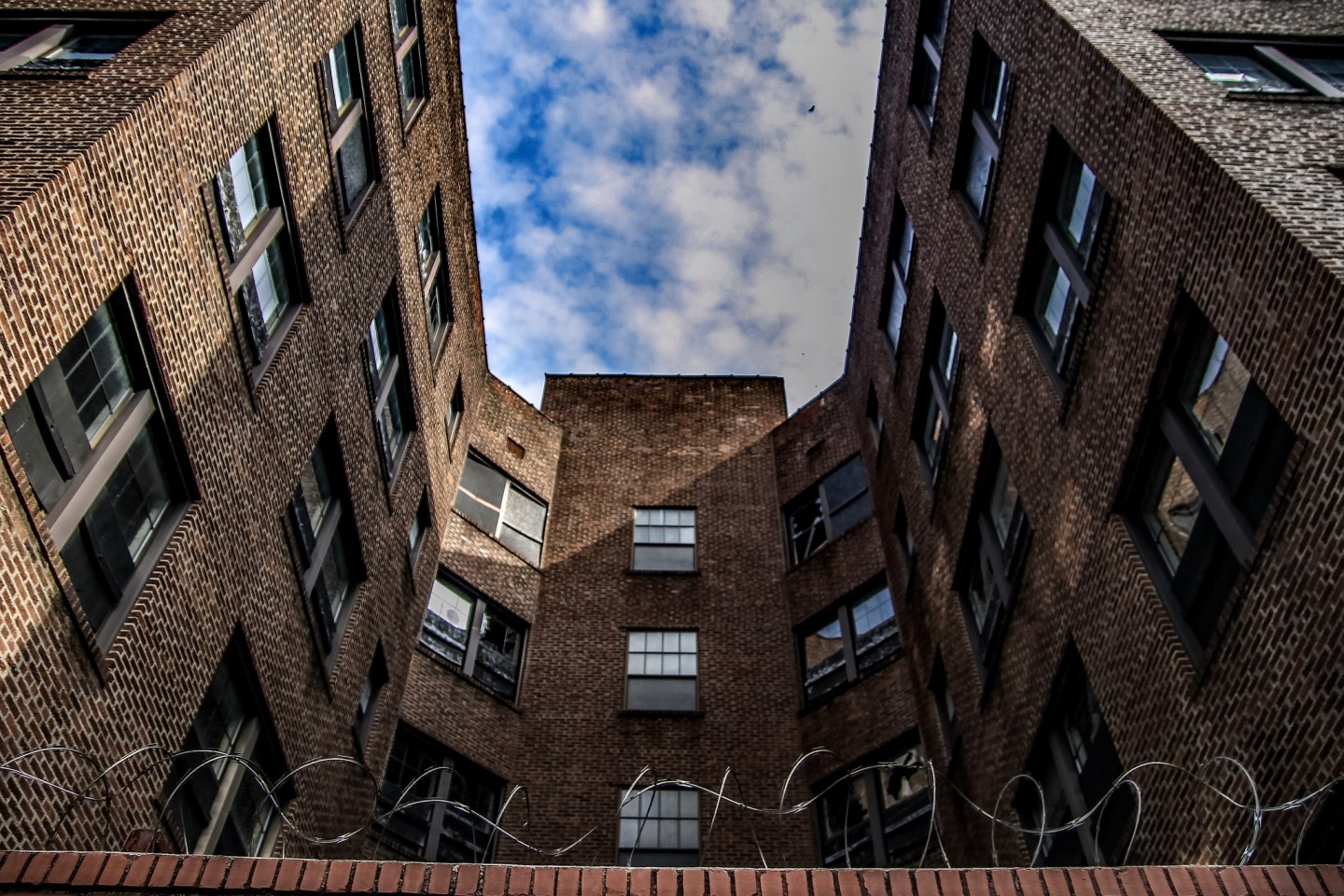
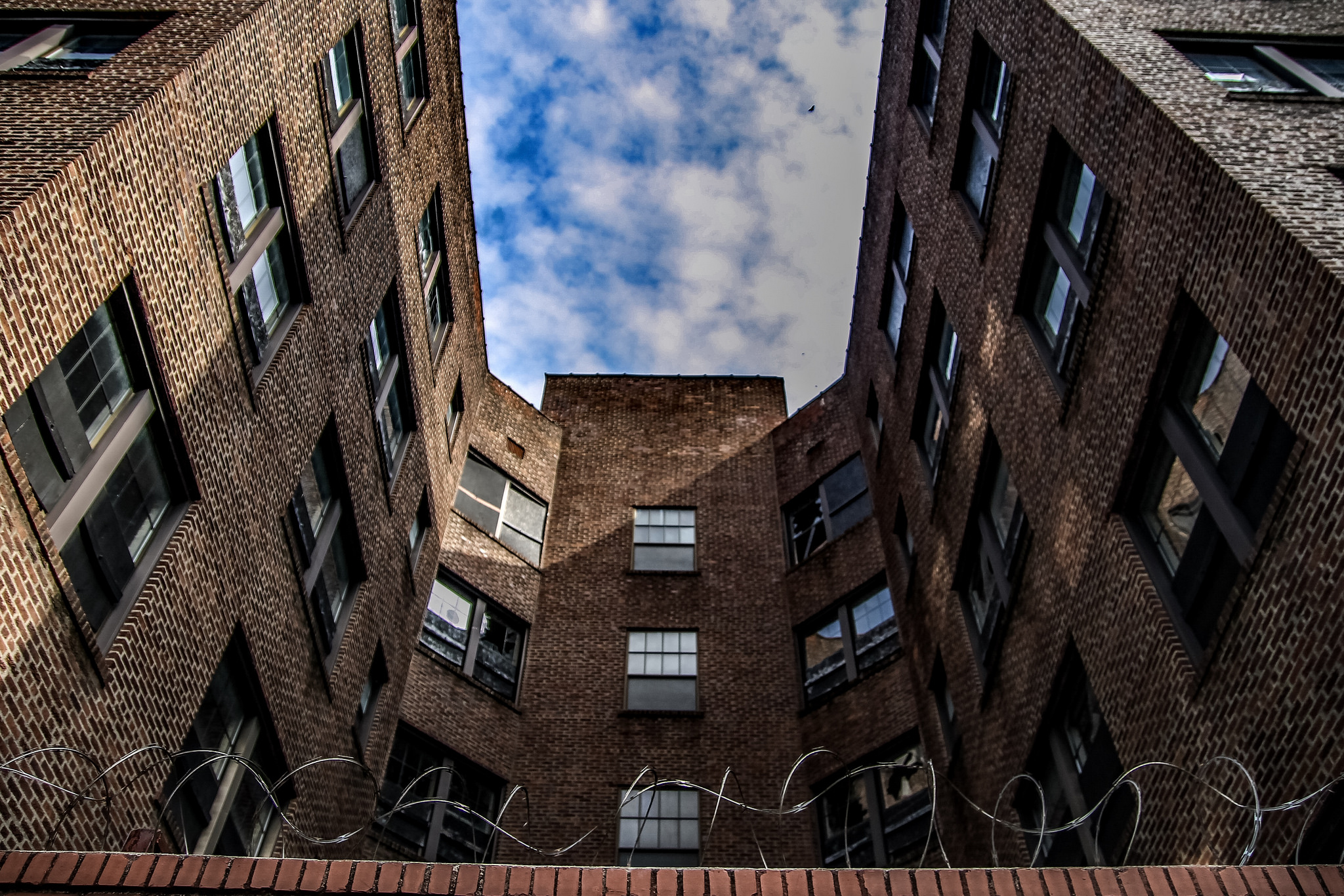
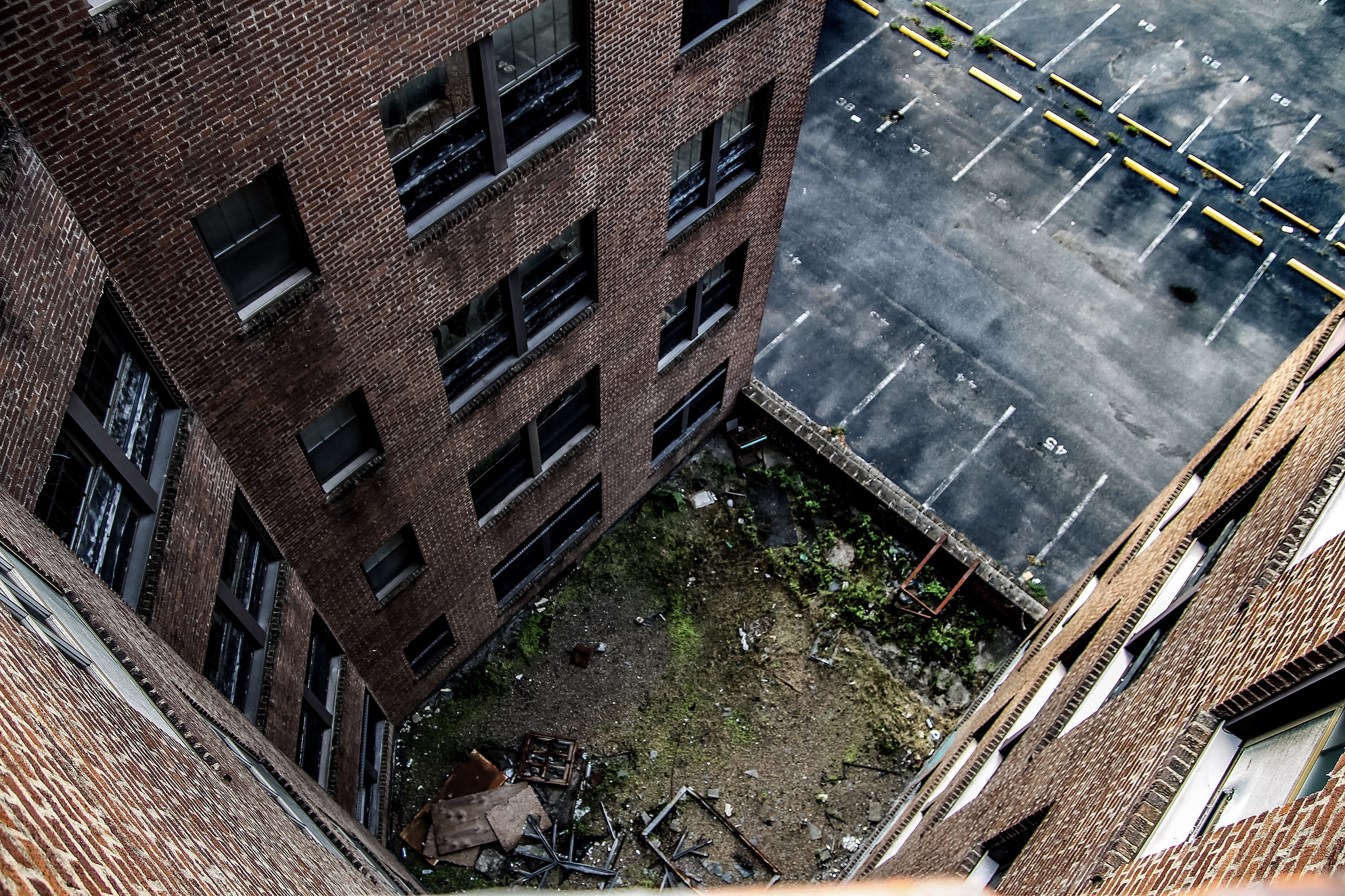
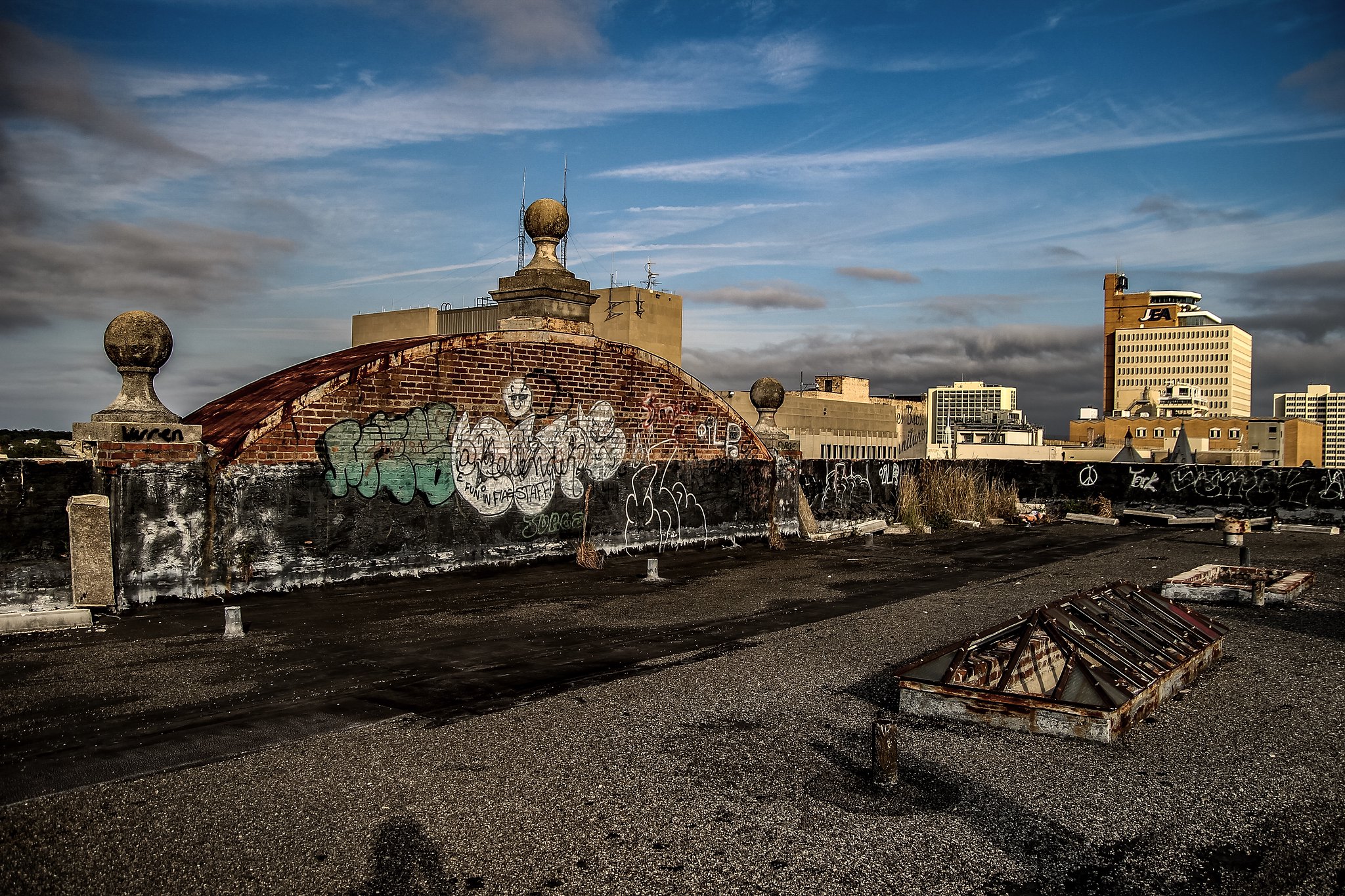
The Ambassador Hotel in Jacksonville, Florida was originally built in 1924 as the 310 West Church Street Apartments, the city’s first upscale apartment building. Georgian Revival architecture was combined with Beaux-Arts elements to create the six-story brick and limestone building. Hentz, Reid, & Adler, a premier architecture firm in Atlanta, designed the building in an H-shape to provide windows in all fifty units.
In 1943, Charles Griner, owner and hotel manager, converted the property into a hotel and renamed it the Three-Ten Hotel. This was the beginning of a series of name changes and new identities for the property. A few years later, in 1947, the name was again changed to Hotel Southland, and again in 1949 to the Griner Hotel. The same year, Griner requested a license for a proposed bar in the hotel. This request was opposed by a group of Jacksonville ministers on the grounds that the front of the hotel was within 100 feet of the First Christian church. The Jacksonville city council upheld J. Ray Permenter, city license inspector, in his refusal to issue a license.
On May 2, 1950, Senator George Smathers occupied a room at the Griner Hotel. Smathers defeated Senator Claude Pepper for the Senate nomination that night. From then on, the room he occupied was marketed as “The Senator Smathers Suite.” After Charles Griner’s death, his widow was advised to demolish the hotel. She objected because she felt they had already torn down every other old hotel downtown. In 1955, the Griner was renamed the Ambassador Hotel.
In 1970, Sam Easton, a local real estate developer, purchased the Ambassador Hotel. Over the years, the hotel fell into a state of disrepair as Jacksonville’s downtown fell into decline. Many of the occupants lived in the hotel for months, some for years. On June 15, 1978, James Osbaldeston, a long-time resident of the Ambassador Hotel, boarded a flight in Tampa headed to London. Nine days later, a London police boat fished his fully clothed body out of the Thames near the Houses of Parliament. Police do not know how Osbaldeston died, but their pathologist determined that the cause of death was not drowning and there was no evidence of foul play before his death. In addition, police were unable to trace any of Osbaldeston’s movements after he arrived at Heathrow Airport on the morning of June 16, 1978. The pathologist concluded that he could have been dead for anywhere from two to ten days.
Two months after the discovery of the body, London police knew very little about the mysterious life of James Osbaldeston and reached out to the public for more information. English-born Osbaldeston had lived in Florida for nearly 31 years, nearly half of his life. As far as police knew, he had never returned to England during that time. Yet Osbaldeston, who had been unemployed for a year, applied for voluntary deportation from the United States in early 1978. The U.S. government agreed to pay his fare back to Britain, and the British consul in Atlanta issued him a temporary passport, valid for only the trip to London. From 1952 to 1960 he lived in the Hotel Windel in Jacksonville. After the Hotel Windel was demolished, Osbaldeston moved to the Ambassador Hotel where he lived from 1960 until June 1978. He was not registered as having any luggage on the flight from Tampa, and there was no identification on his body when he was found. He was subsequently identified by his fingerprints.
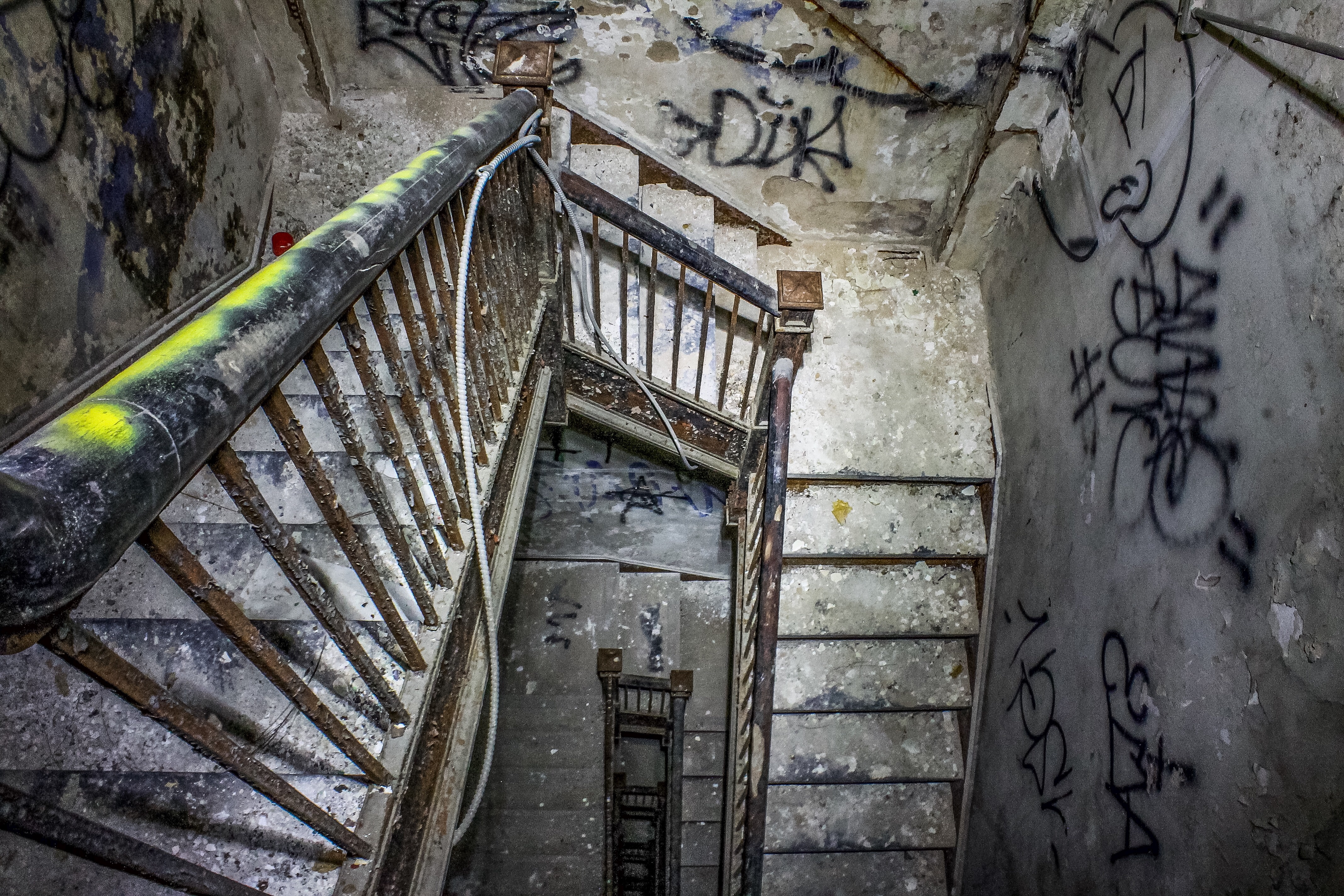
The Ambassador Hotel was added to the National Register of Historic Places in 1983, but this did not remedy or slow down the deterioration. During the late 1980s, the hotel was converted into low-income apartments, with rooms available to rent by the week. The Ambassador Hotel became the site of multiple drug busts and prostitution raids. In 1992, fifty blocks of the adjacent LaVilla neighborhood were condemned and demolished as a revitalization project. Many displaced residents from the LaVilla neighborhood moved into the Ambassador Hotel.
In 1997, the Ambassador Hotel was cited for numerous code violations during a crack cocaine raid. Police discovered a hidden closed-circuit surveillance system on the 5th floor to warn residents of incoming police or drug sales. Code enforcement officials found cracked walls, faulty wiring, and locked fire escape doors among hundreds of other violations. The owner was given fifteen days to make thousands of dollars’ worth of repairs to bring the building into compliance or face fines and possible condemnation. Some code violations date as far back as 1991. The Ambassador Hotel was officially condemned in 1998.
Plans to renovate the former hotel in 2005 never materialized. In 2009, a Jacksonville businessman had an $8 million plan to turn the abandoned apartments into 50 apartments and retail space known as the Ambassador Lofts. However, that never made it past the planning stages. The historic property was eventually acquired by Axis Hotels LLC, who announced plans in 2018, to convert the building into a boutique hotel with 100 rooms and a rooftop bar. Interior demolition began in January 2019.
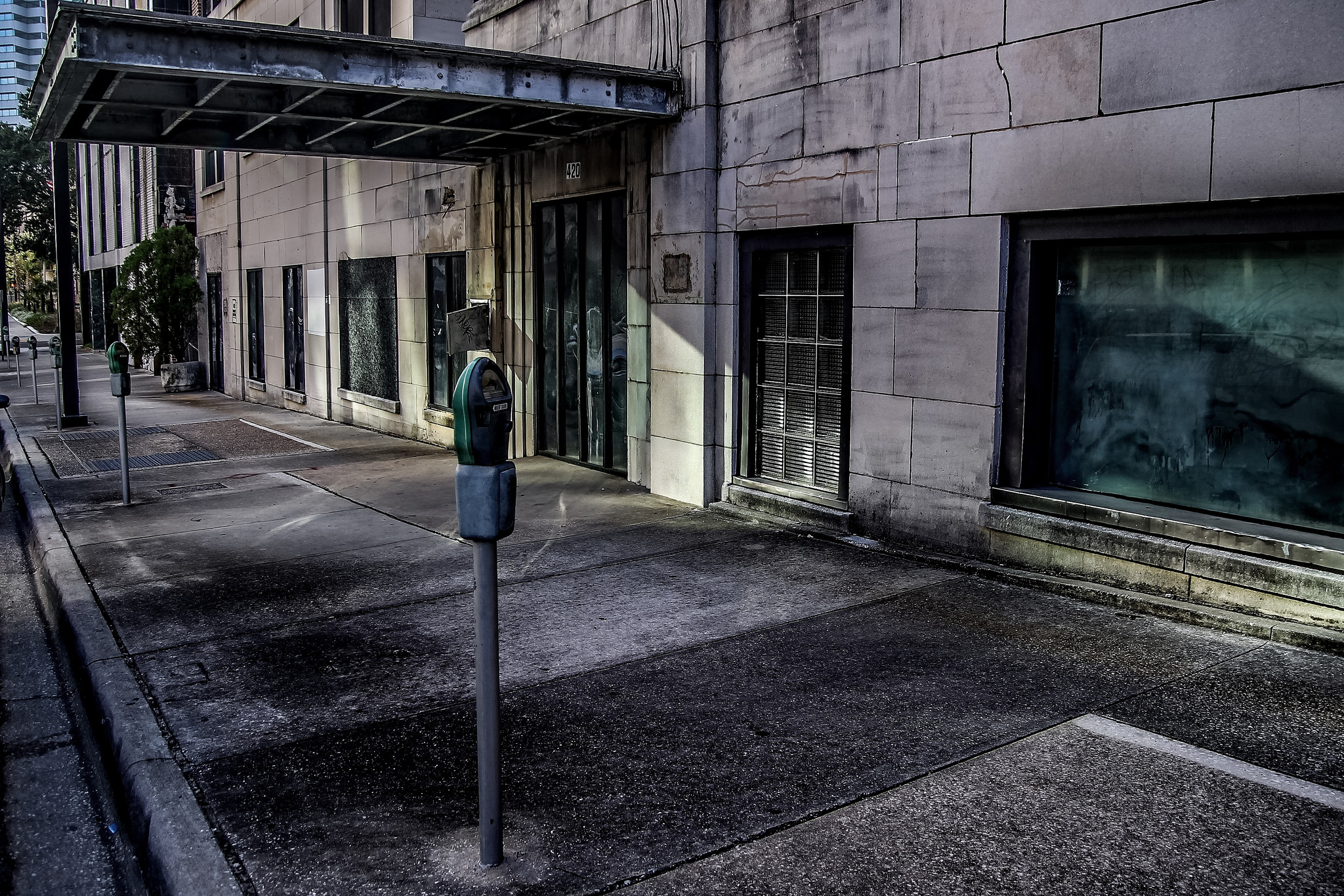
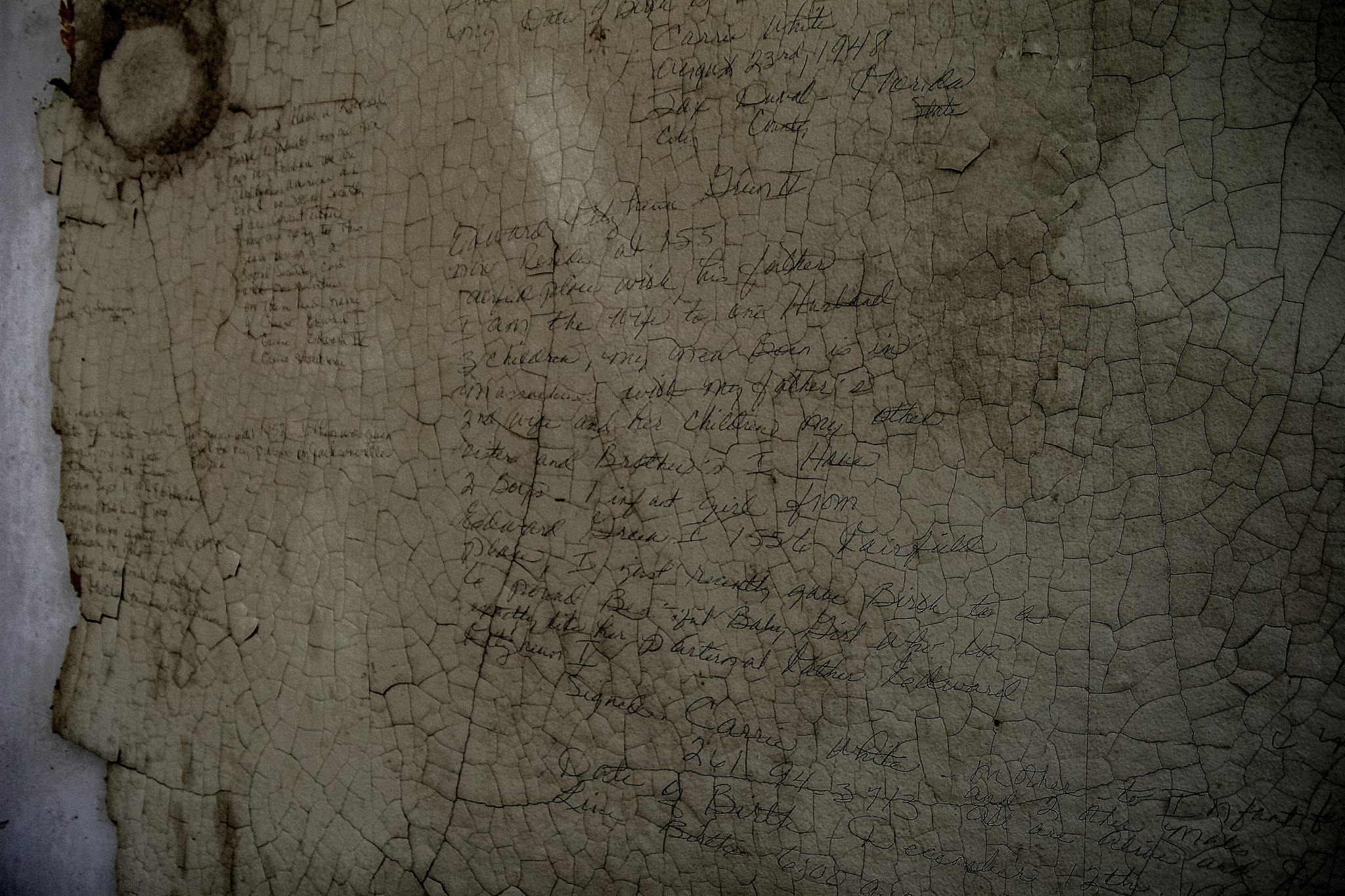


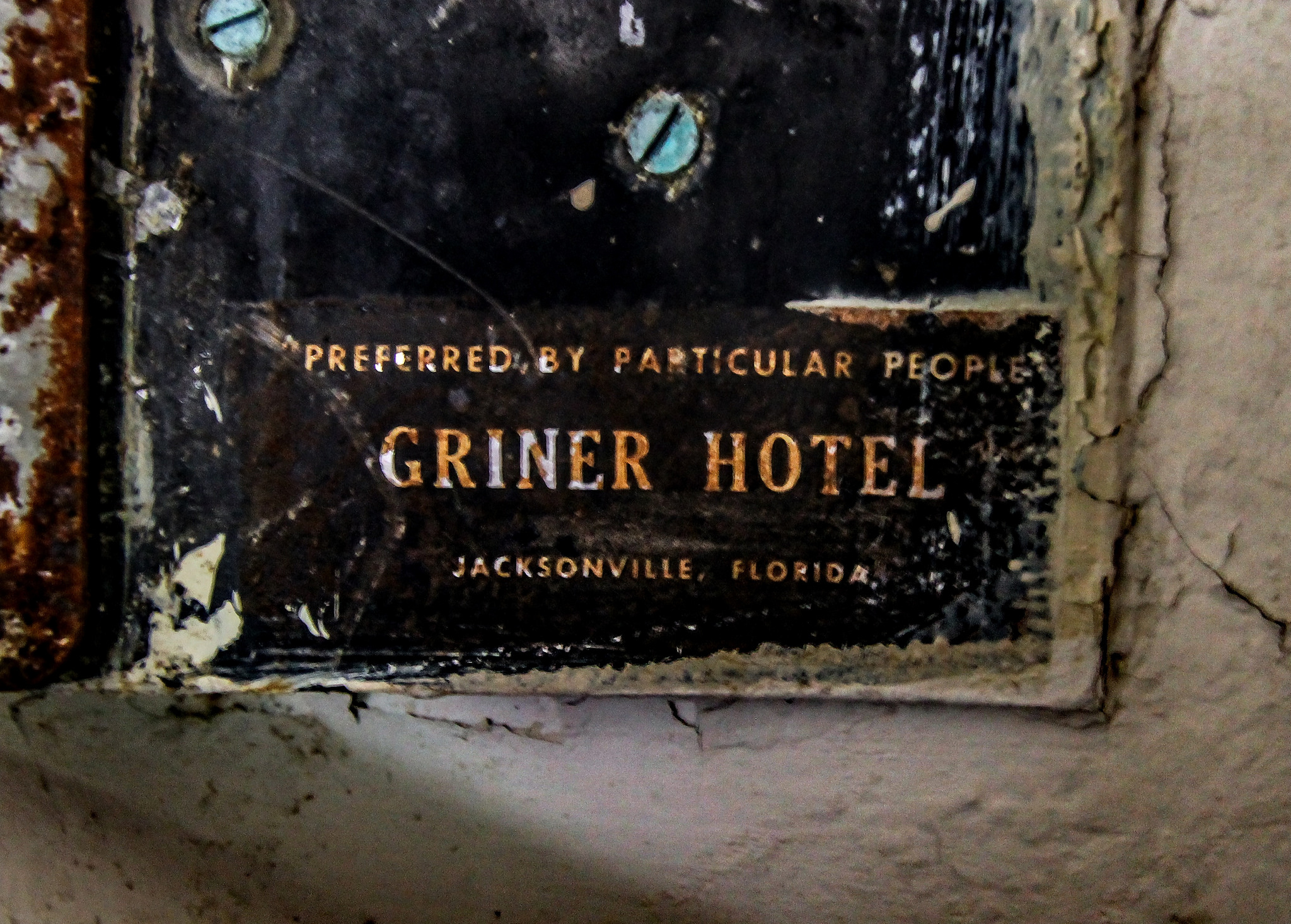


Thank you for reading. Please share the blog with your friends. I appreciate the support.
You can find me on Facebook, Instagram, and TikTok. For more amazing, abandoned places from Jacksonville and the surrounding area, check out my book Abandoned North Florida.
Discover more from Abandoned Southeast
Subscribe to get the latest posts sent to your email.

I loved a story on the wall. I found it is amazing and intriguing at the same time. How did she write, which language did she use? Was it chronological or just “letting it go” thoughts?
LikeLike
Very random thoughts scattered around the room.
LikeLike
Do you think they were covered under rug or something or just exposed for everyone to see?
LikeLike
Wow…that’s some story. It could make a good setting for a horror film.
LikeLiked by 1 person
I totally agree!
LikeLike