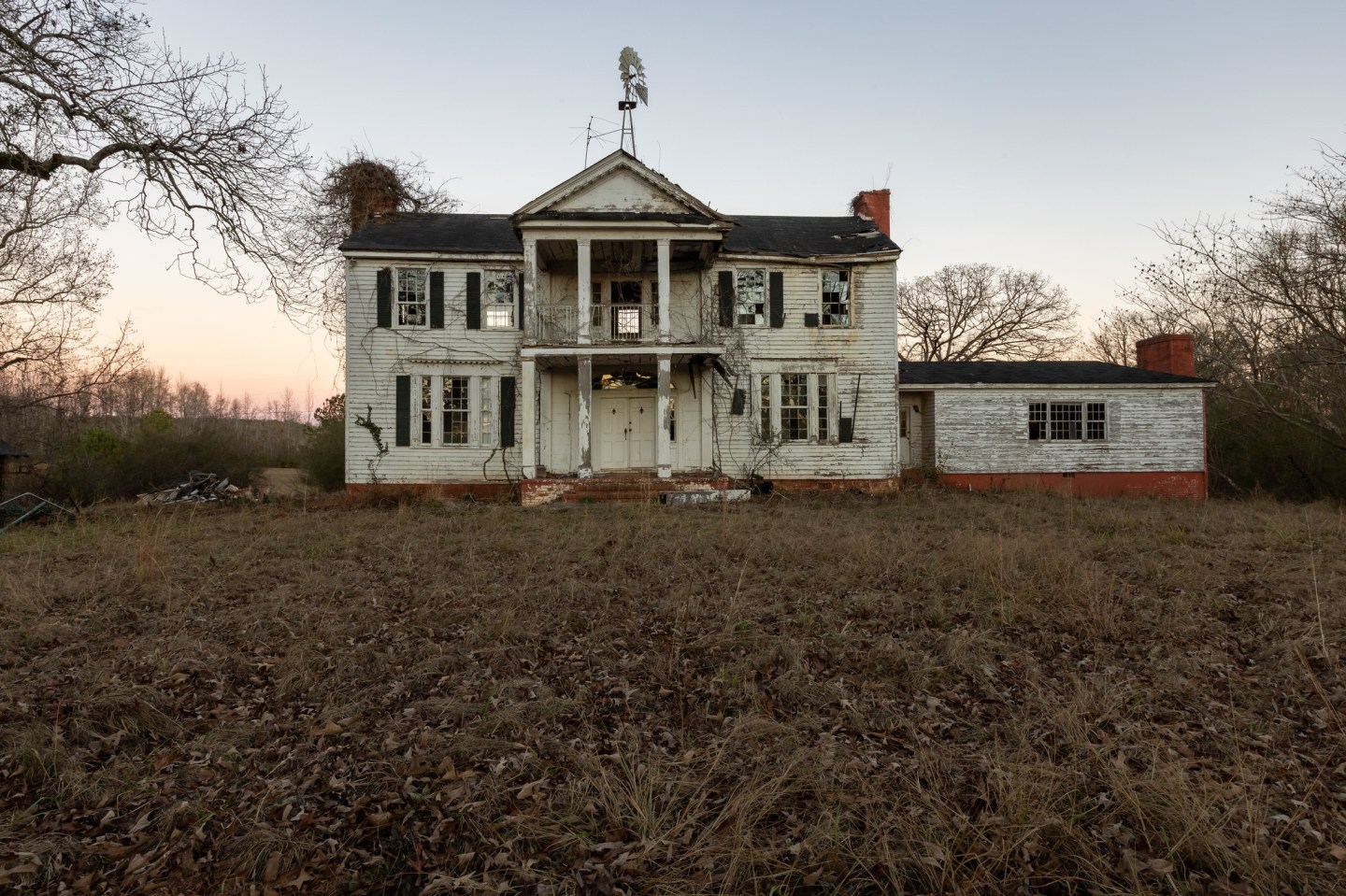
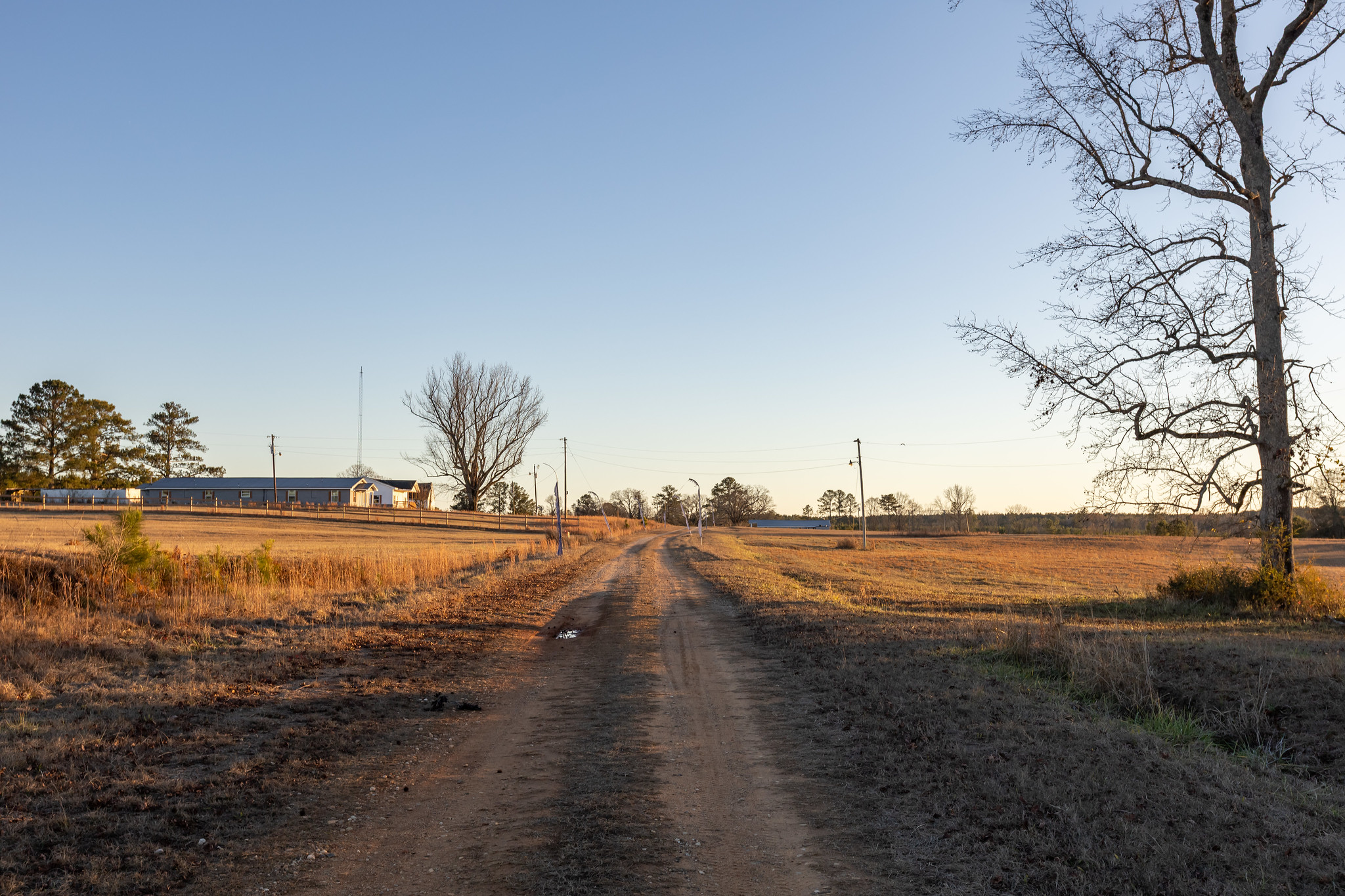
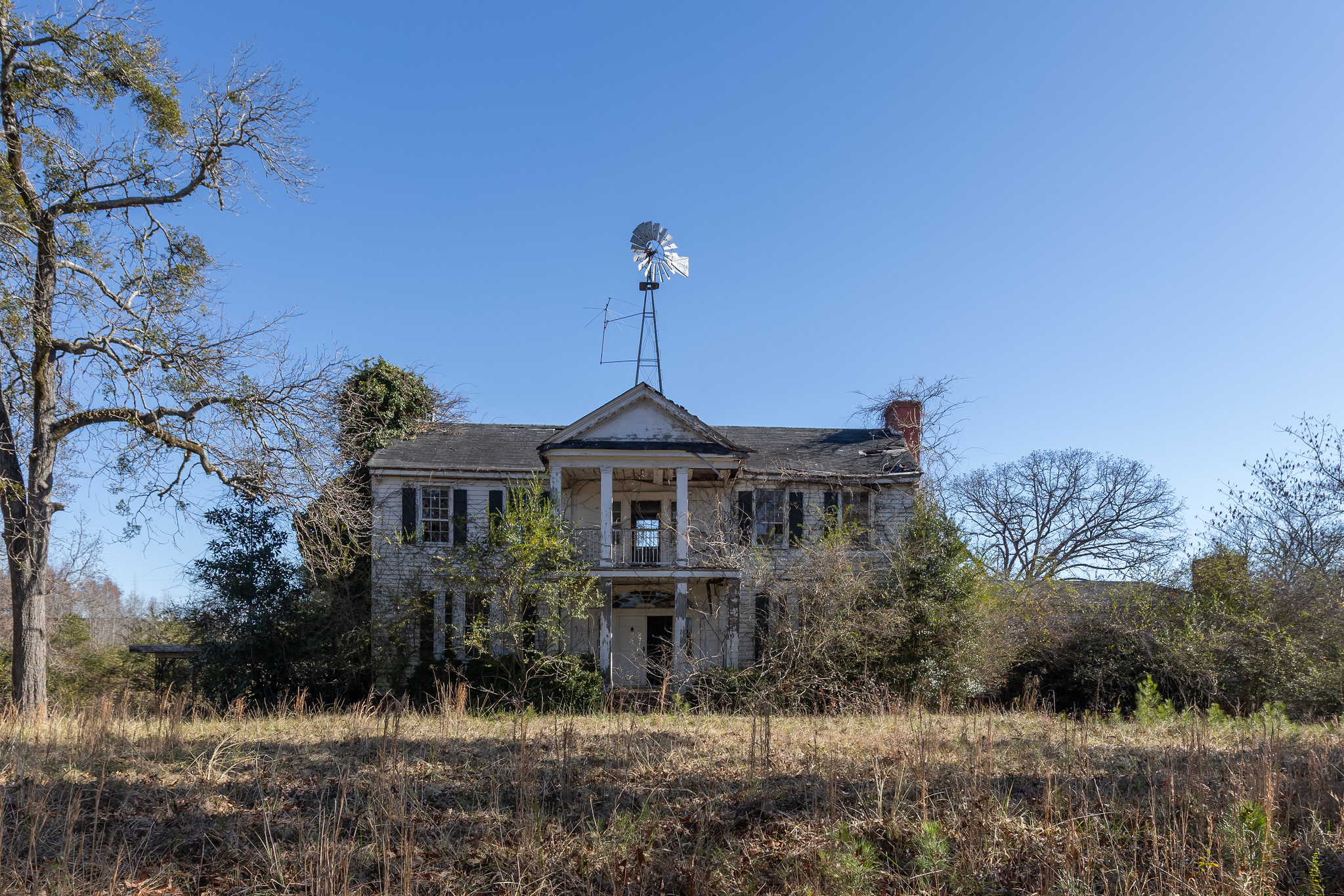
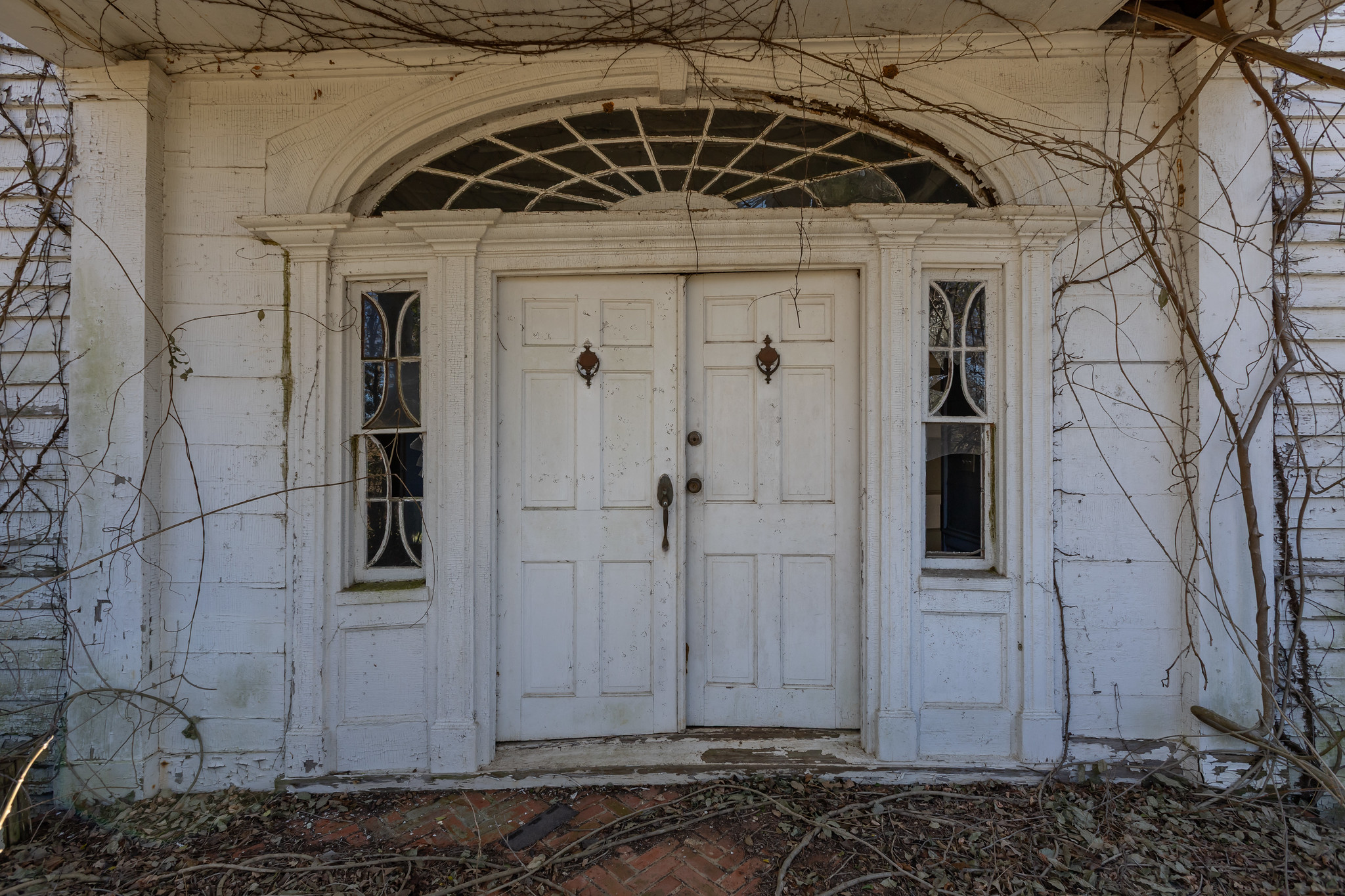
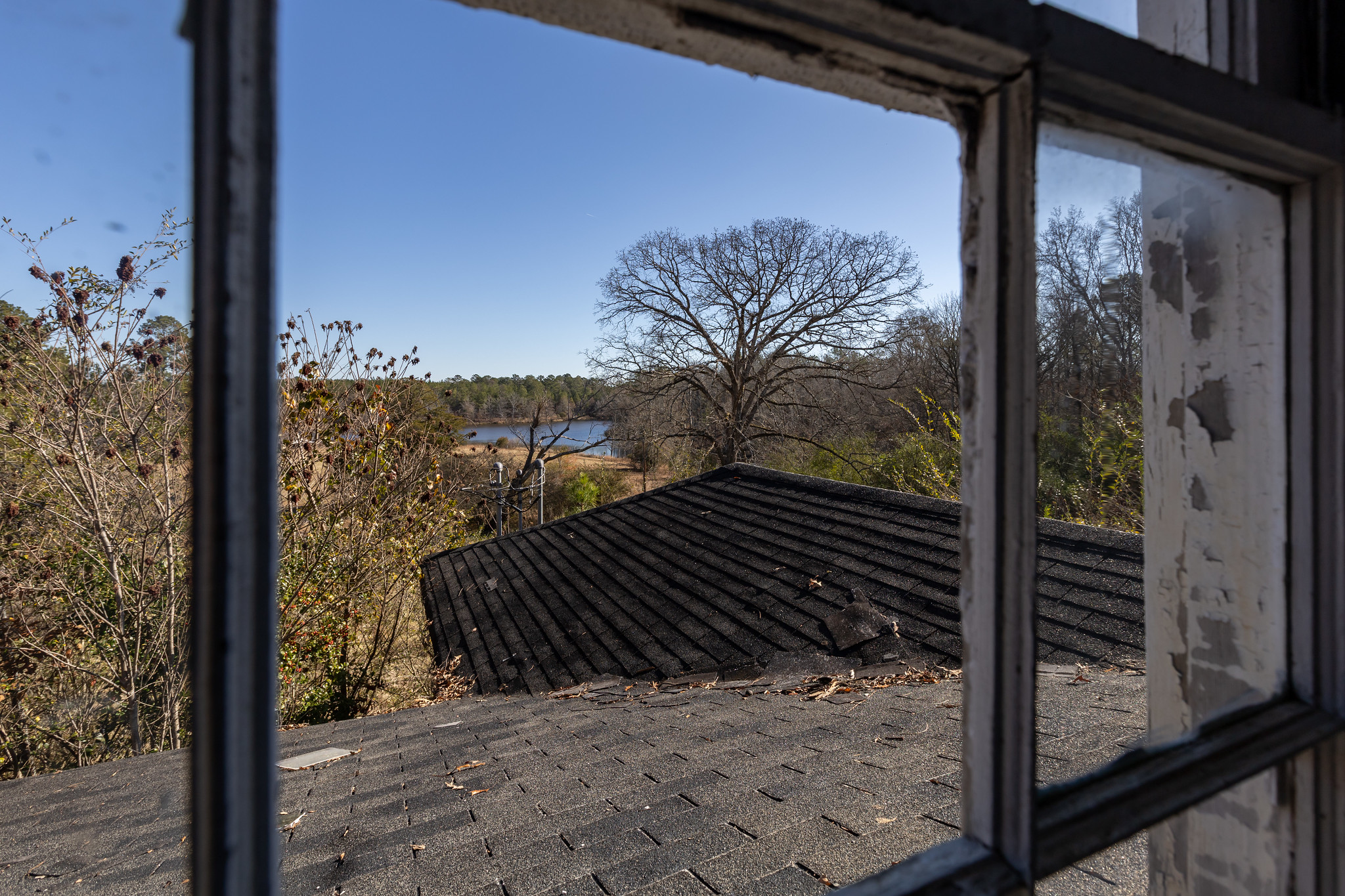
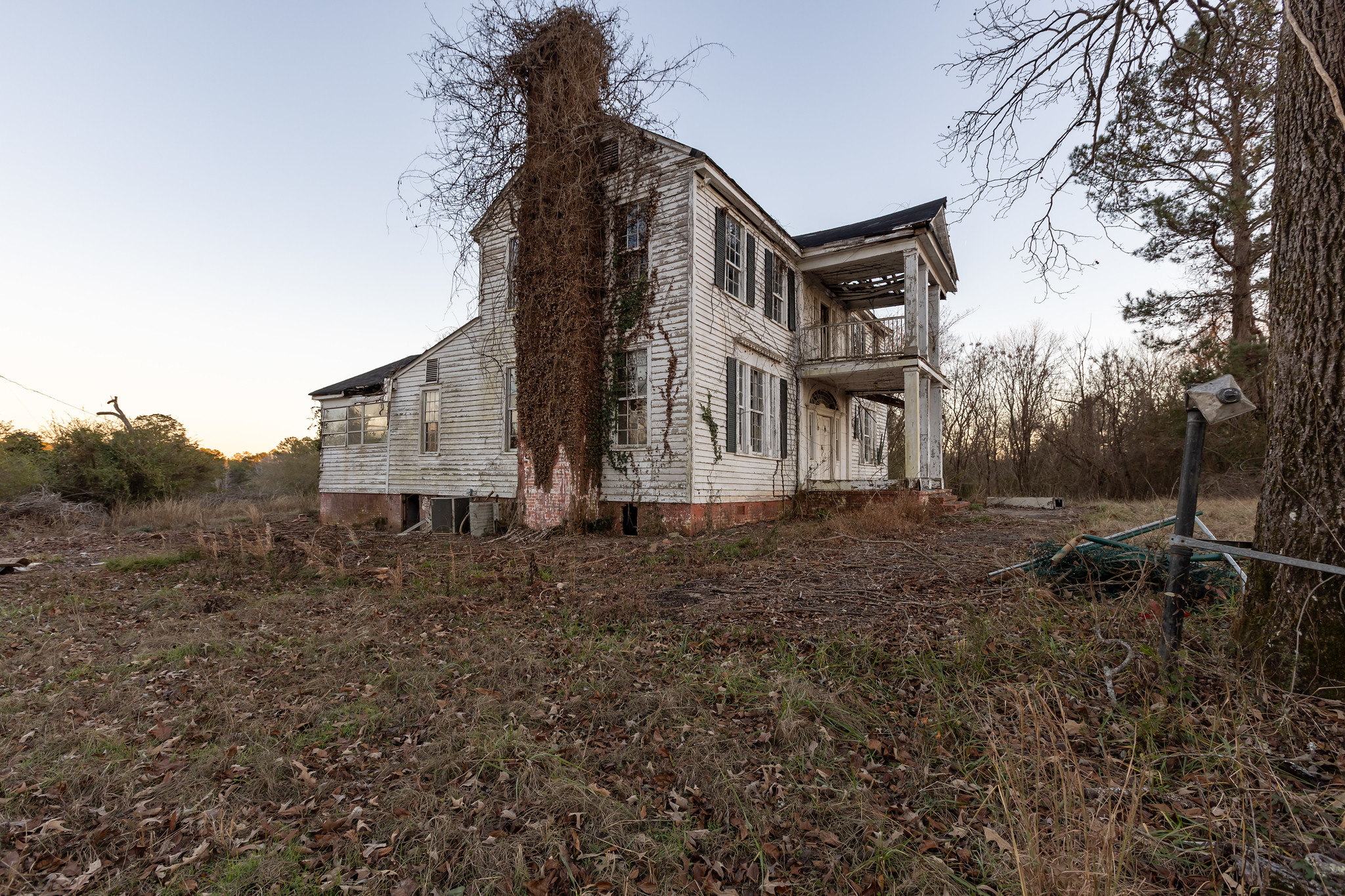
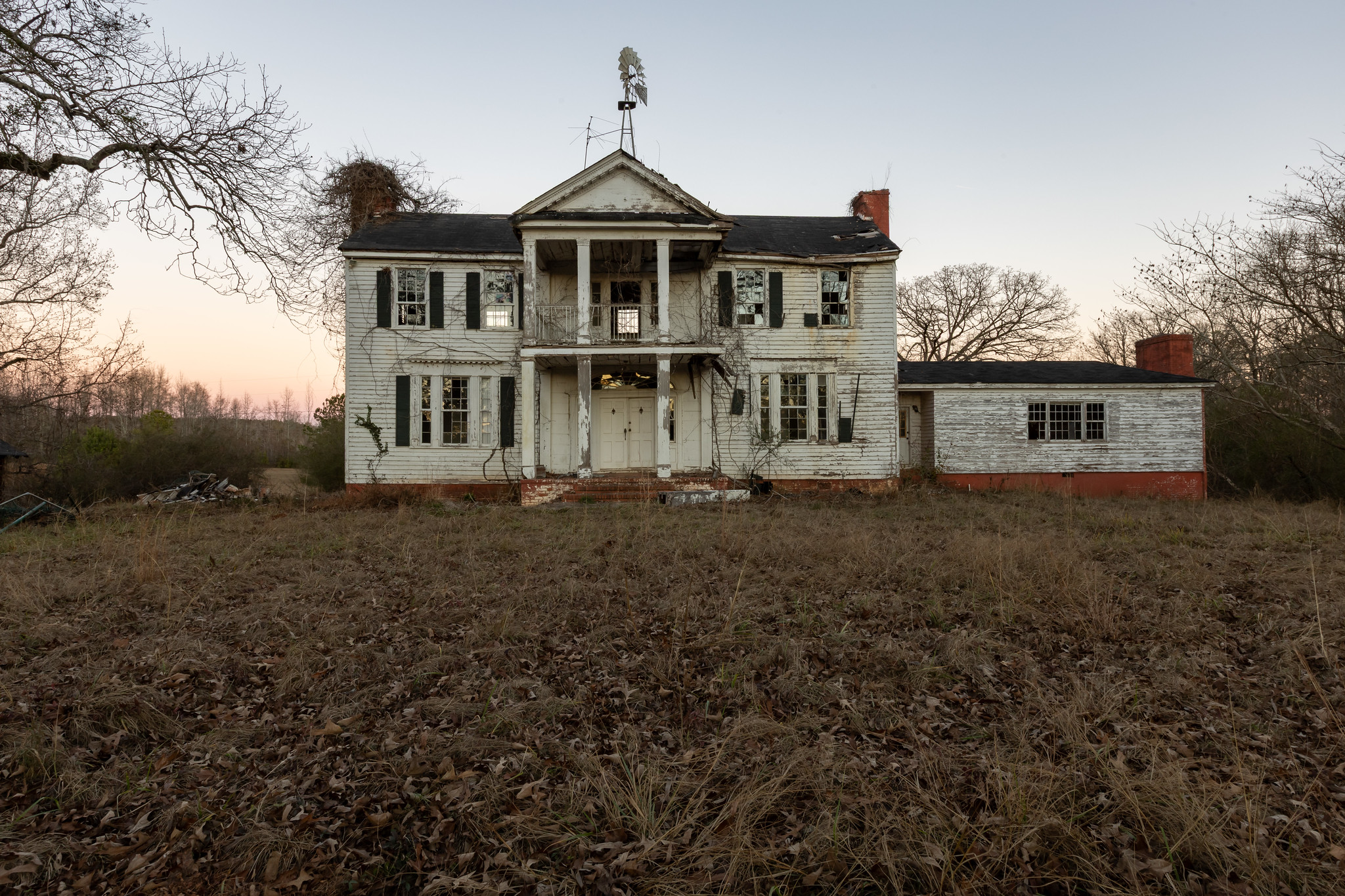
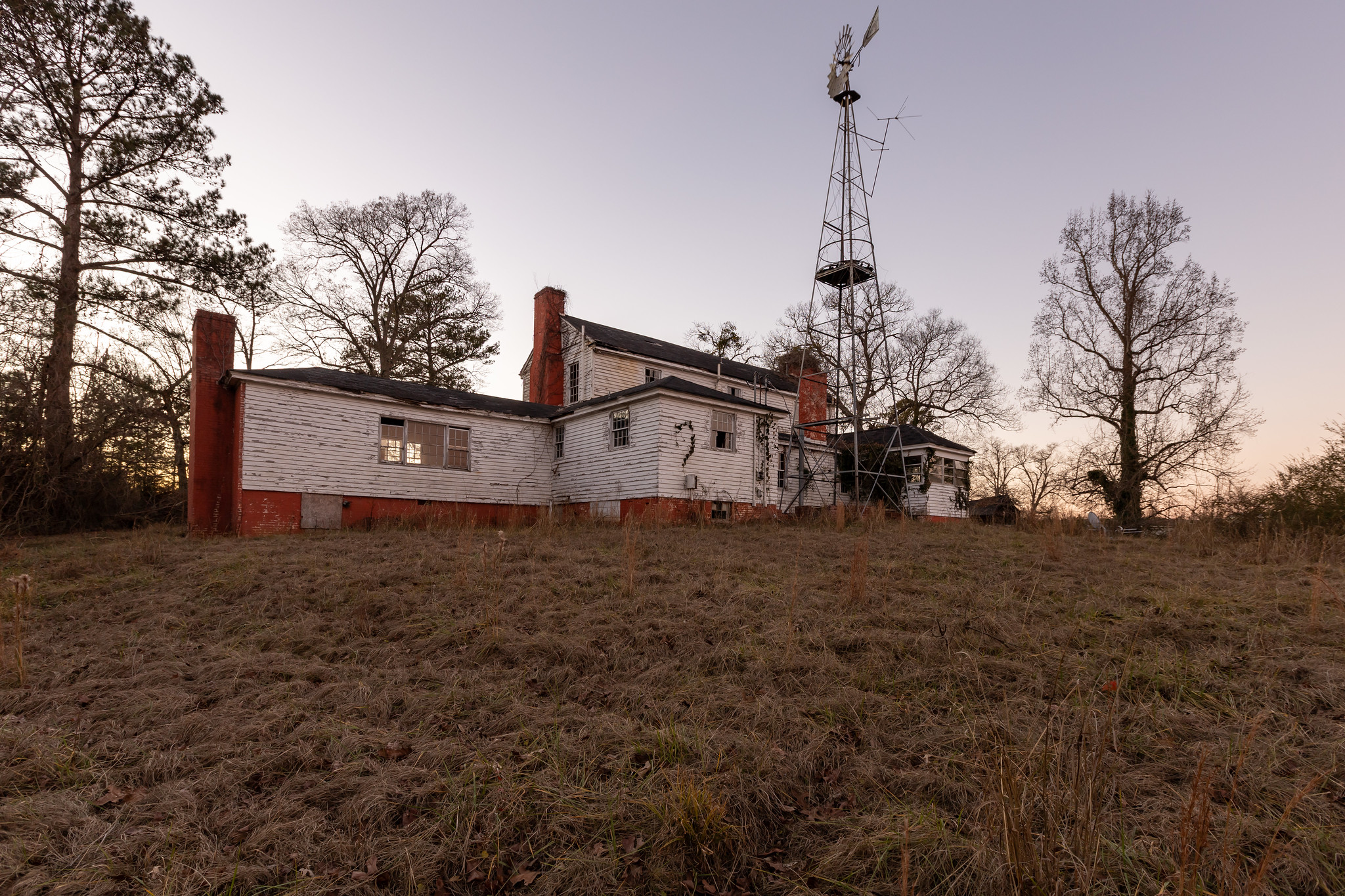
Several miles down a winding, washed-out clay road in middle Georgia stands an old plantation home left in quiet disrepair. The four-columned, ten-room farmhouse was once owned by the Rutherford family and originally sat at the center of a vast estate that included a 20-acre lake. Though the land has long since been divided and sold off, the house remains as a physical reminder of a family whose roots stretch back to colonial Virginia in the 1600s and spread throughout much of the Southeast.
The Rutherford home was likely constructed between 1801 and 1821 by John Rutherford using enslaved labor. His son, Williams Rutherford Sr., belonged to the first graduating class of Franklin College (now the University of Georgia) in 1804. Two years later, he married Elizabeth S. Boykin, and together they had two sons, Samuel Lockwood Rutherford and Williams Rutherford Jr.
Over time, the family branched out. Samuel eventually assumed ownership of the plantation, while Williams Jr. moved to Athens, where he became a mathematics professor at the University of Georgia. During this period, the farm was sometimes referred to as “Lochwood.” Samuel and his wife had two children, Williams Rutherford, born in 1813, and Mary Jones Rutherford, born in 1847.
In 1846, Williams Rutherford married Julia Frances Gibson of Clinton in neighboring Jones County. The couple settled at the Rutherford plantation and raised six children—two daughters and four sons—within the walls of the home that still stands today. During the Civil War, Williams served as a lieutenant in Company K of the 45th Georgia Infantry and was later promoted to captain for gallantry. After the war, he played an active role in rebuilding his state, representing Crawford County in the Georgia House of Representatives and later serving in the Georgia State Senate.
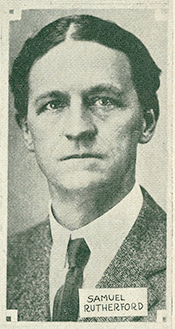
Another notable chapter unfolded with the birth of Samuel Rutherford in 1870. Born on the family farm, he attended public schools in Culloden before continuing his education at Washington and Lee University and later the University of Georgia School of Law. His career carried him far from the plantation—into law, local government, and eventually national politics. Samuel served as mayor of Forsyth, represented his district in the Georgia House and Senate, and was later elected to the United States Congress, where he served until his death in 1932.
As younger generations moved outward, the older ones faded from the scene. Captain Williams Rutherford suffered a stroke in 1913 and passed away the following year. His wife, Julia, known affectionately as “Miss Jule”, left the plantation behind and spent her remaining years in Culloden with family. By the time she celebrated her 90th birthday in 1936, she was the city’s oldest resident and the last widow of a Confederate veteran living there.
By the 1920s, the Rutherford estate itself was beginning to fragment. Once totaling more than 4,500 acres, the land was offered for sale either as a whole or in parcels. The tract containing the house shrank to about 1,200 acres and would eventually dwindle further. In 1933, Alexis Rutherford Stocker, a grandson of Captain Williams Rutherford, returned to Crawford County and purchased the old home. He restored it as a permanent family residence, describing it as an anchor for later life.
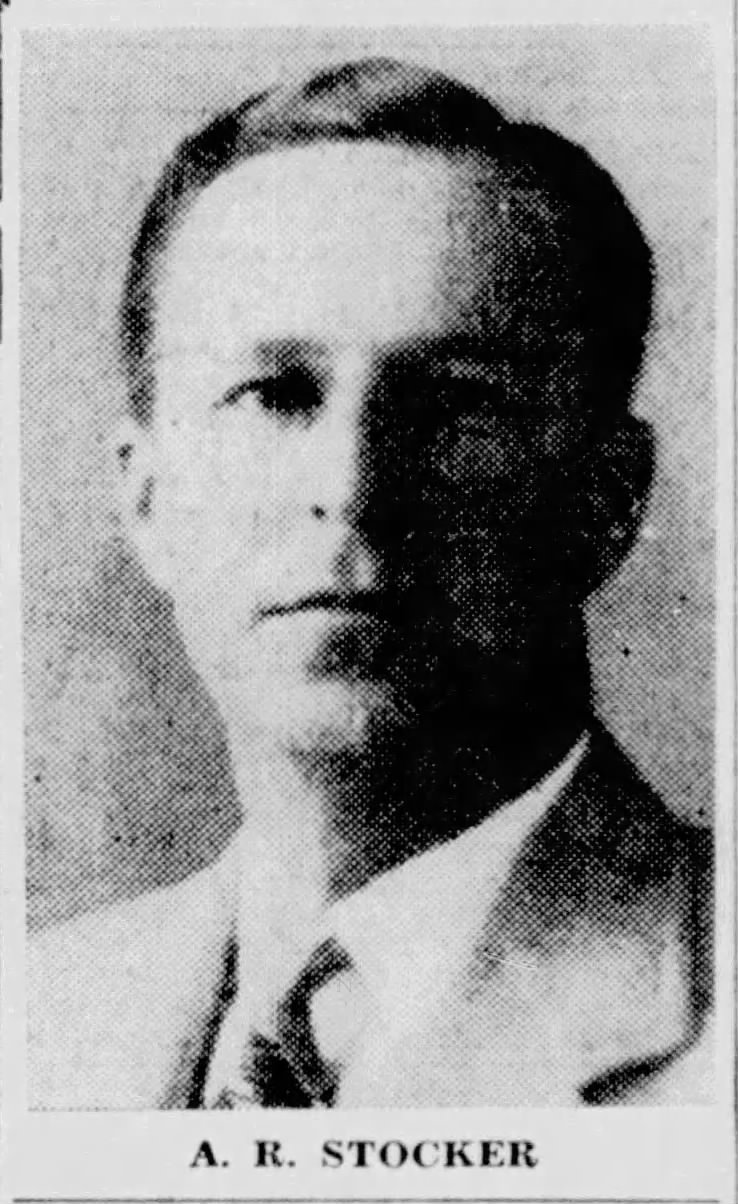
Stocker’s professional life stood in contrast to the quiet farm. He worked in aviation and international business, later owning a Ford dealership in Perry. His career eventually took him back to Washington, D.C., where a serious injury in the 1940s left him permanently impaired. Afterward, the Rutherford home once again became a place of retreat rather than ambition. By the mid-20th century, ownership changed again. The plantation passed to Dr. Carlisle Adams and became known as the P.D.T. Ranch. The house was updated and transformed into a Southern showplace before the property was auctioned in January 1964.
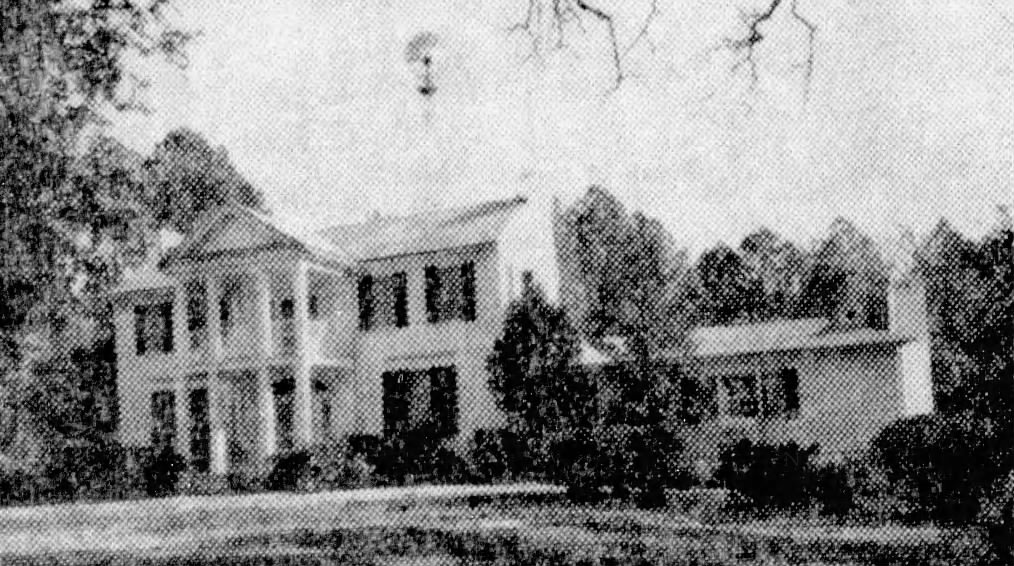
Just a year later, the estate entered one of its most controversial chapters. In October 1965, evangelist Rev. Lester Roloff purchased the 270-acre Rutherford property to relocate the City of Refuge, a rehabilitation center for individuals struggling with addiction. Roloff, based in Corpus Christi, Texas, planned to separate the rehab facility from a boys’ home previously housed under the same roof. While the City of Refuge found support among religious communities, local residents viewed it with suspicion, seeing it as insular and disruptive.
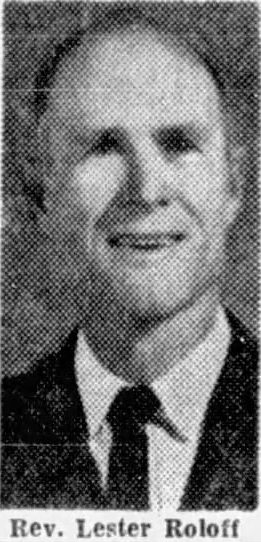
Rev. Lester Roloff took his ministry across the country, often piloting his own airplane to reach his destinations. He operated several homes in Texas, Mississippi, Oklahoma, and Georgia, including the City of Refuge. Roloff gained national attention during a nine-year legal battle with the State of Texas over its attempts to close the children’s homes he operated. During this conflict, he was jailed several times. In 1973, the Texas Attorney General’s Office ordered an investigation into the Rebekah Home for Girls in Corpus Christi following allegations that residents were beaten or restrained for extended periods. Although that home and two others were closed by the state, they were later reopened under the ownership of The People’s Church, where Roloff served as a minister.
The City of Refuge operated as a rehabilitation program for individuals struggling with addiction. Participants were considered volunteers and were required to commit to a minimum stay of 90 days while abstaining from liquor, drugs, and tobacco. Televisions and newspapers were prohibited. Operated by Roloff Evangelistic Enterprises, the program was offered at no cost to participants but required approximately $2,000 per day to operate. These expenses were covered through donations from individuals and churches Roloff visited during his travels.
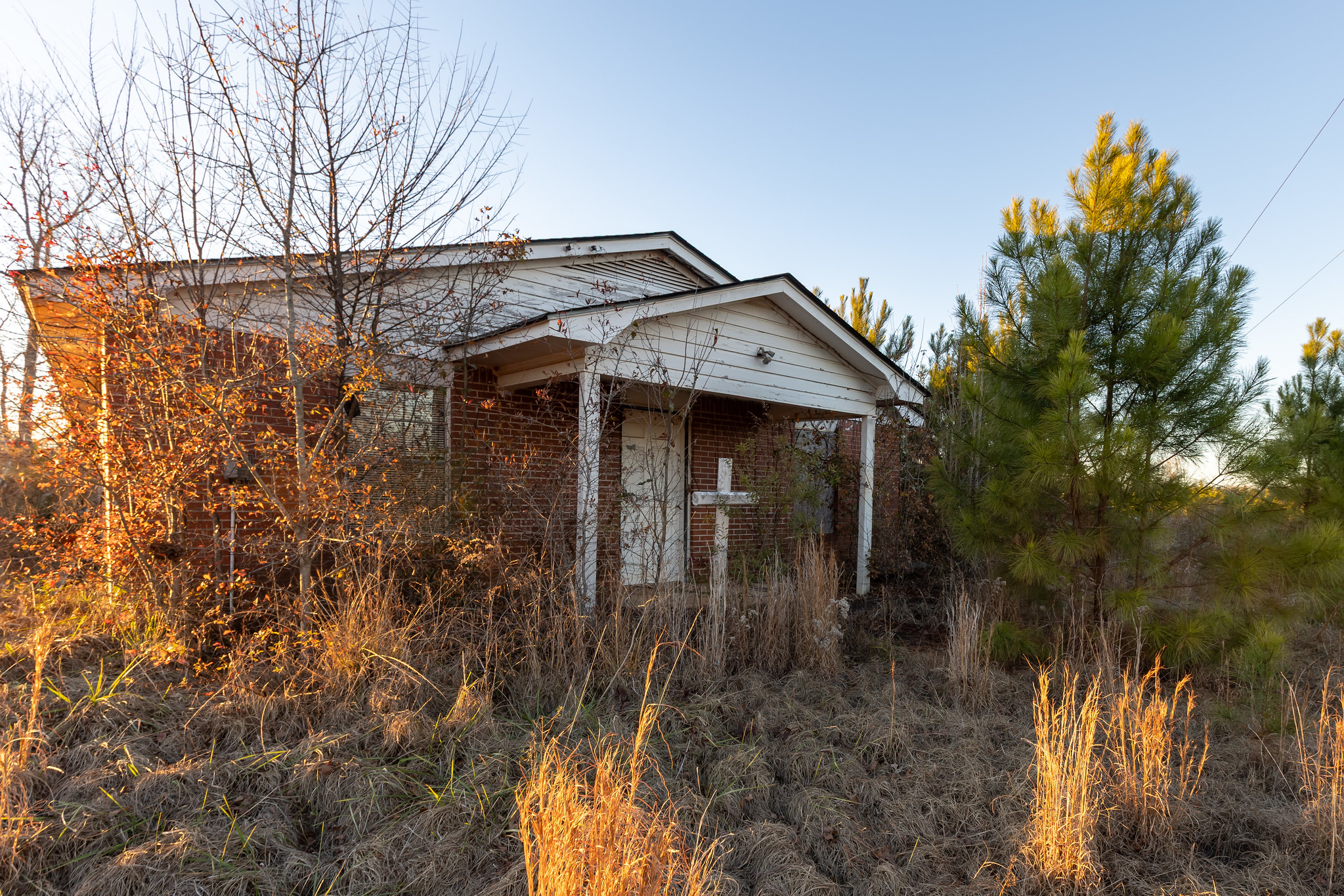
In 1976, the program’s superintendent reported a 95 percent success rate among those who completed the program and stated that the City of Refuge had been warmly welcomed by the surrounding community. However, in 1978, the rehabilitation program in Crawford County was transferred to Corpus Christi. Two years later, in 1980, the former plantation was added to the National Register of Historic Places as a contributing property to the Culloden Historic District. The two-over-two, central-hall farmhouse, featuring transitional Federal to Greek Revival architectural styling, was the largest structure in the district.
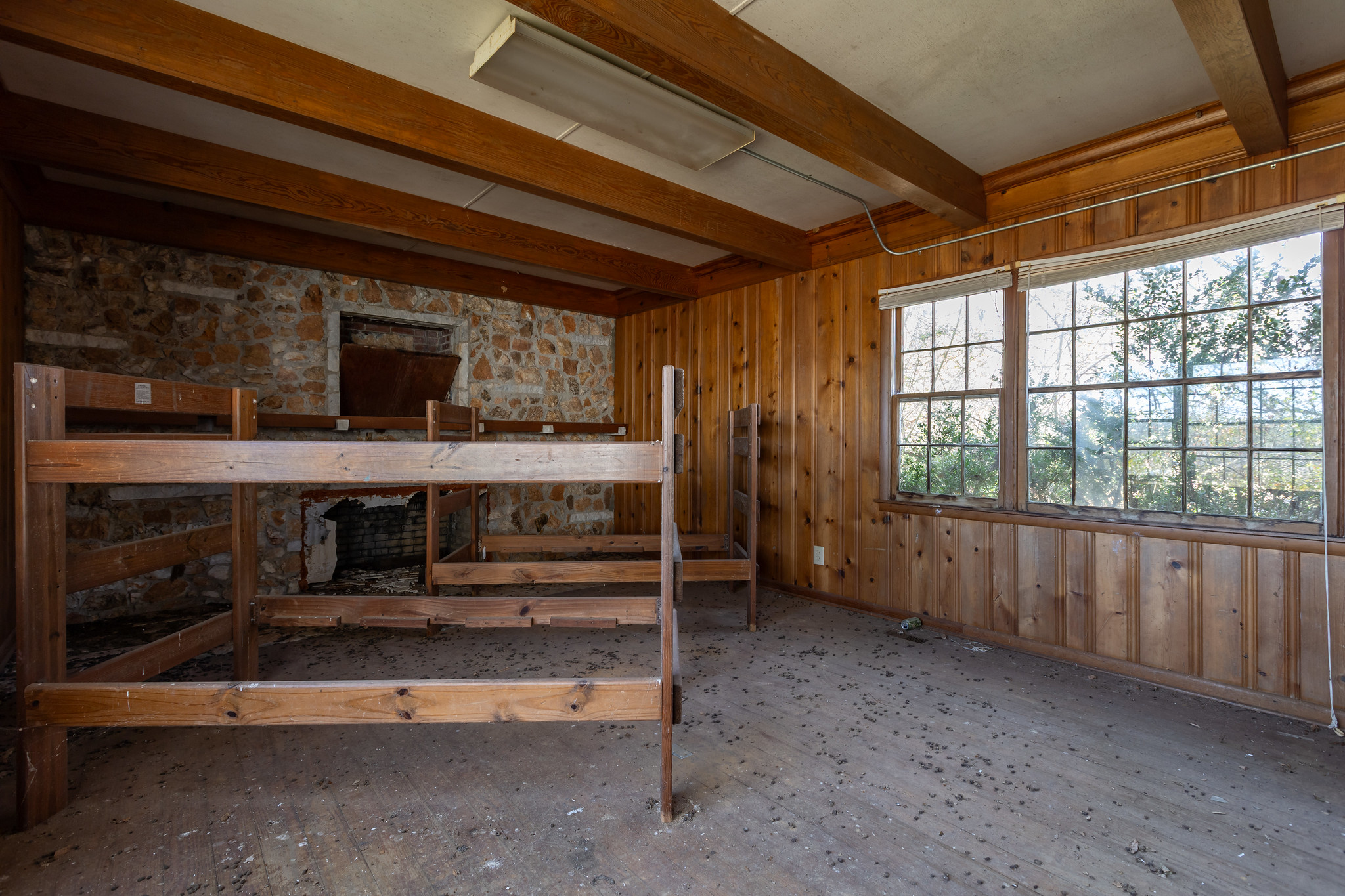
Despite the program’s closure, Roloff continued to use the property for revivals and religious gatherings. In November 1982, Roloff, then 69 years old, was traveling from Corpus Christi, Texas, to Kansas City, Missouri, with four female members of the Honeybee Quartet to preach when their Cessna 210 crashed, killing everyone on board. Following his death, the antebellum plantation was listed for sale at $360,000. The property included 270 acres, two dormitories, a chapel, two barns, a lake, and two grass landing strips that Roloff had used for air travel.
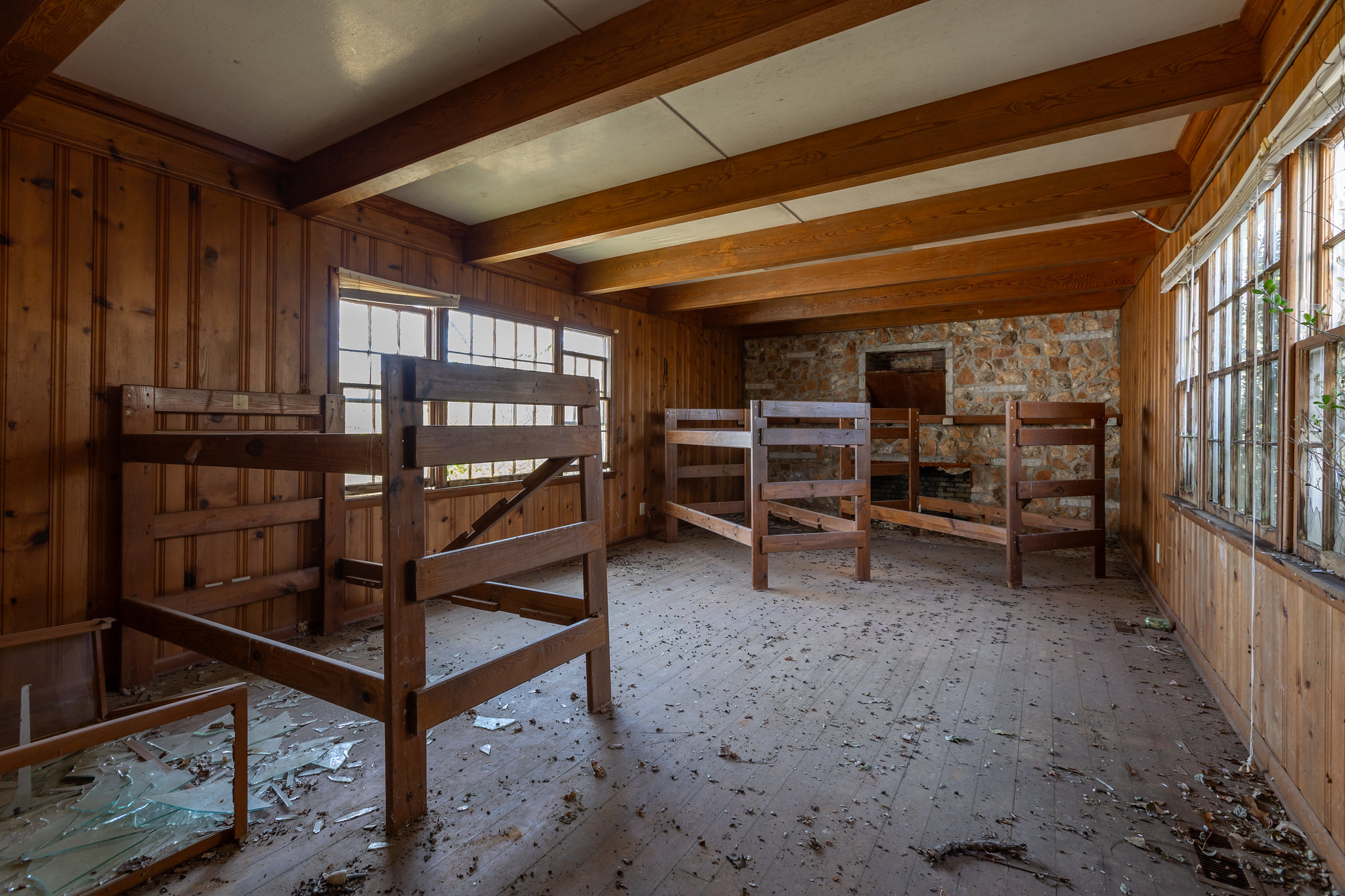
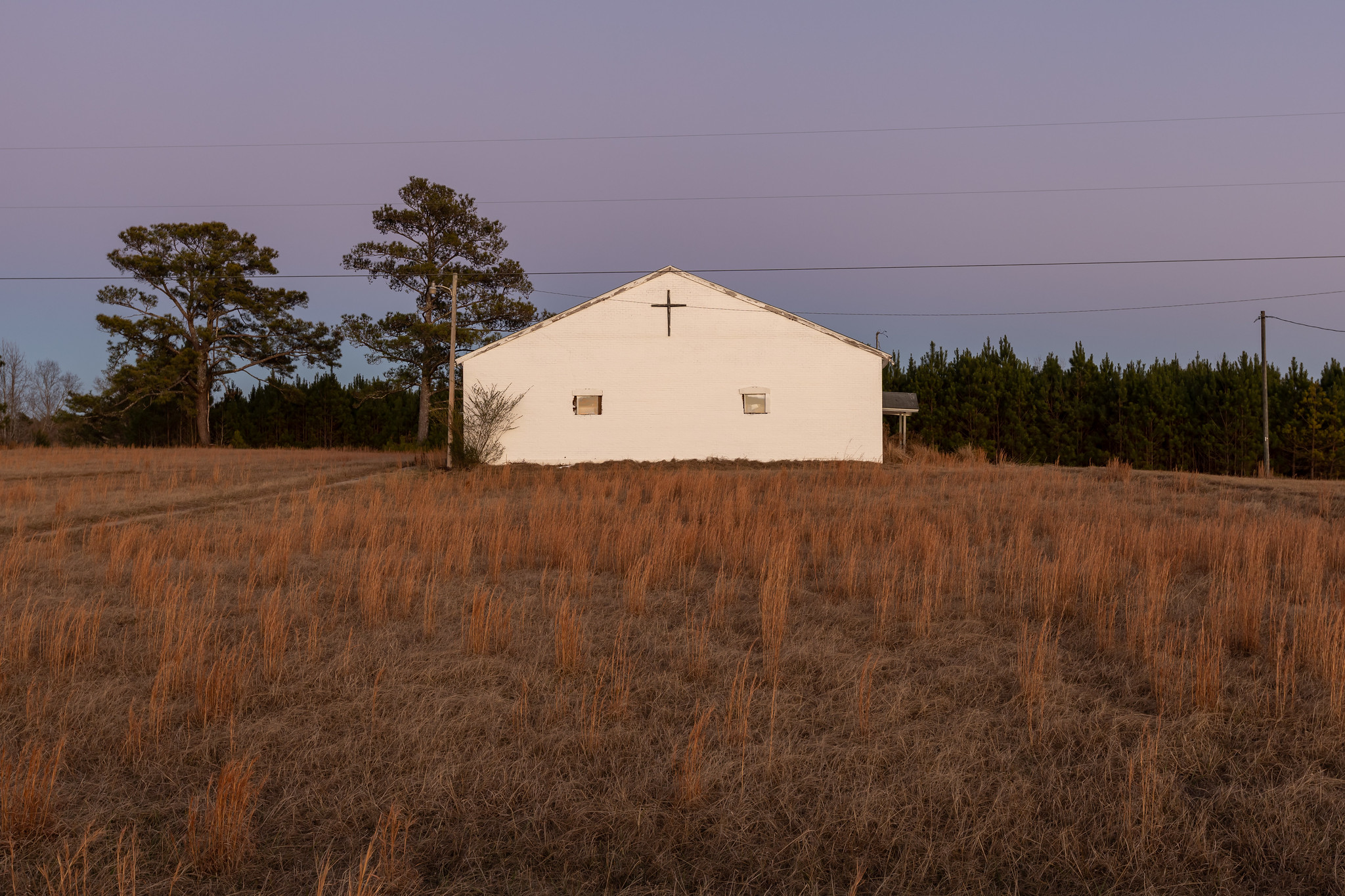
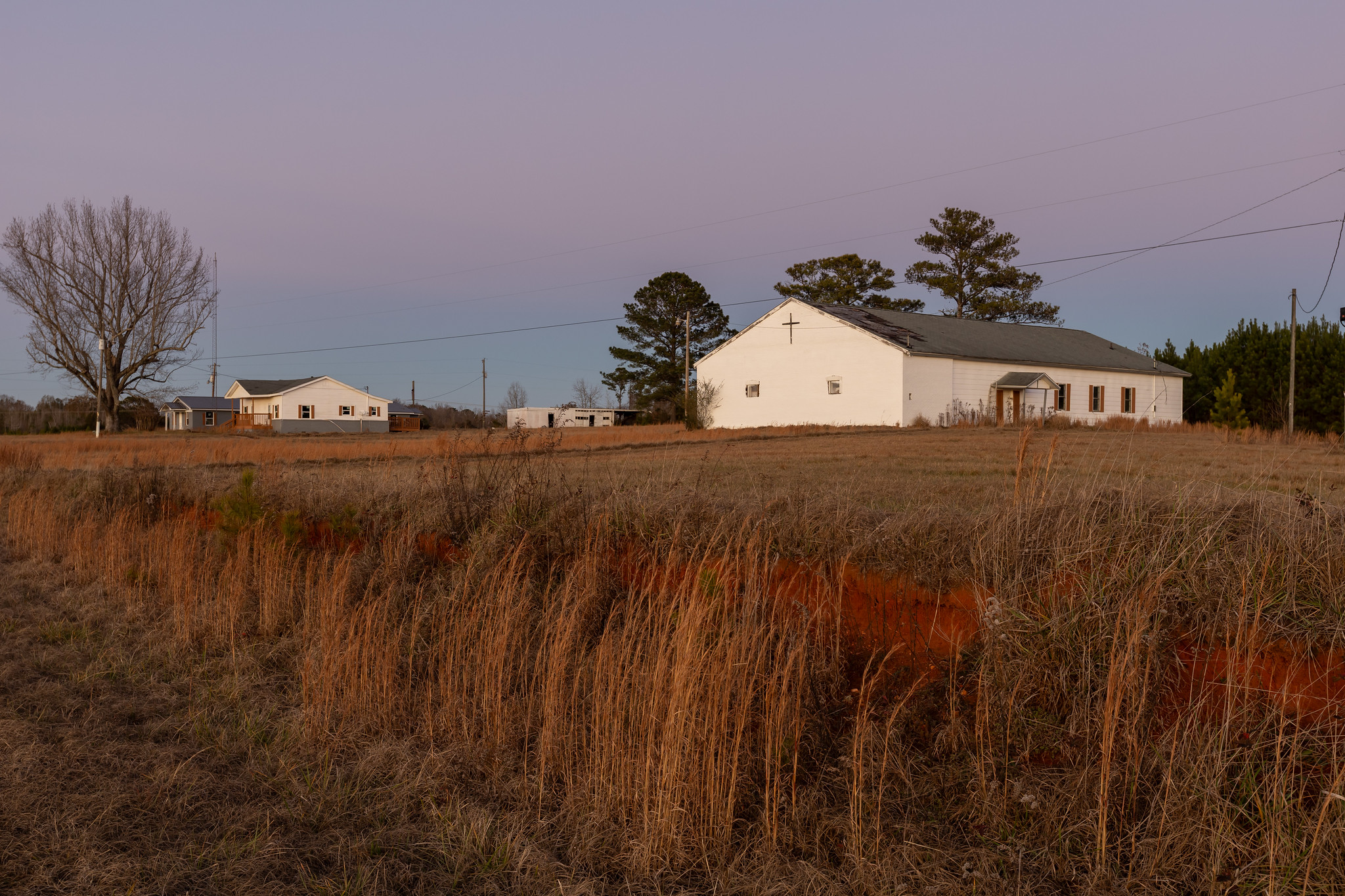
Beginning in the 1990s, the property came under the ownership of the General Missionary Baptist Convention of Georgia, the state’s largest African American religious organization. The convention expanded the site into a conference center for religious meetings and seminars. An 800-seat chapel, a dining hall, and modular housing capable of accommodating up to 600 people were added. By 1997, approximately 50 men undergoing substance abuse treatment lived on the farm, which became known as the Land of Promise. Through the convention, more than 6,000 men received treatment at the site.
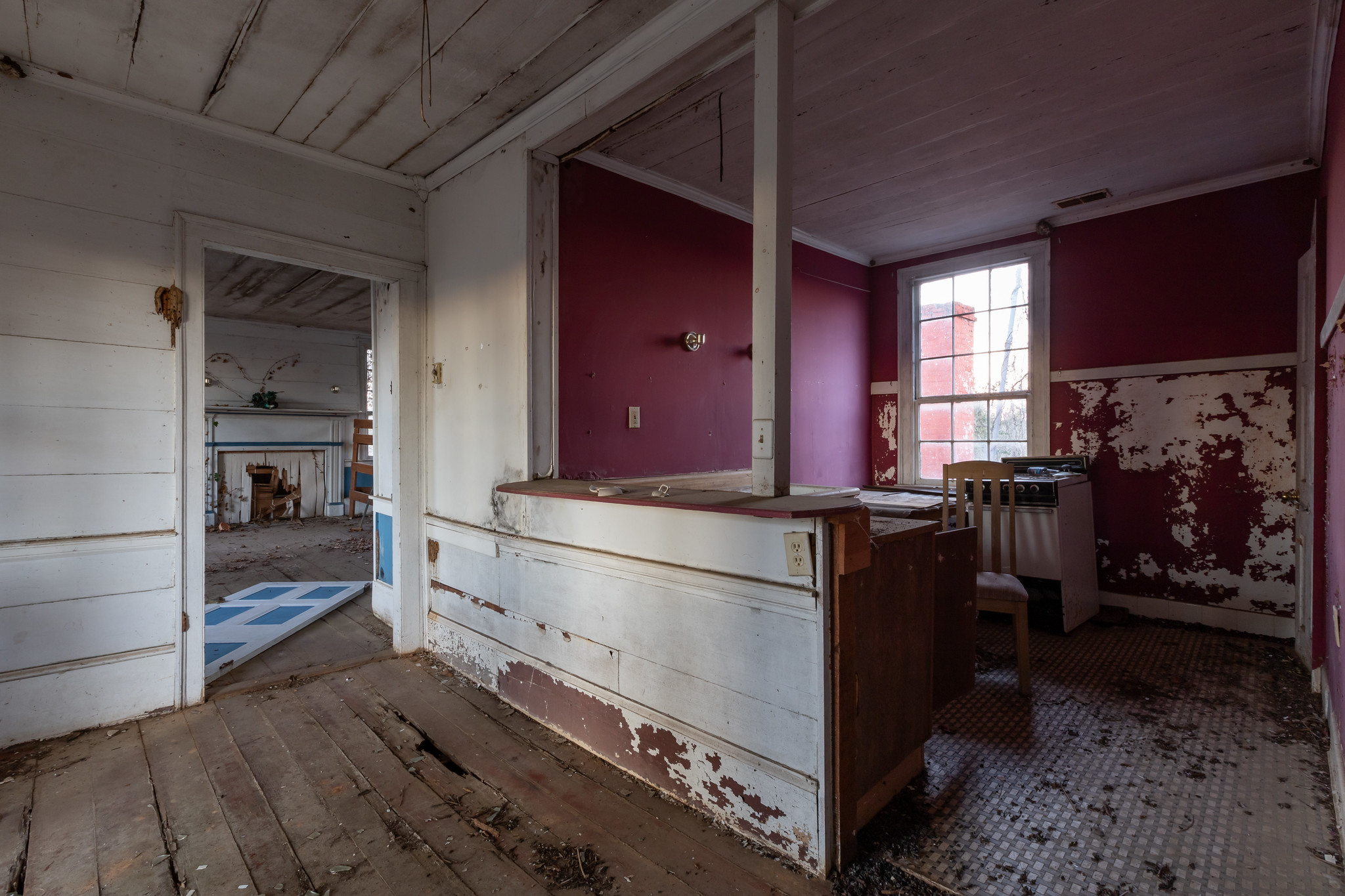
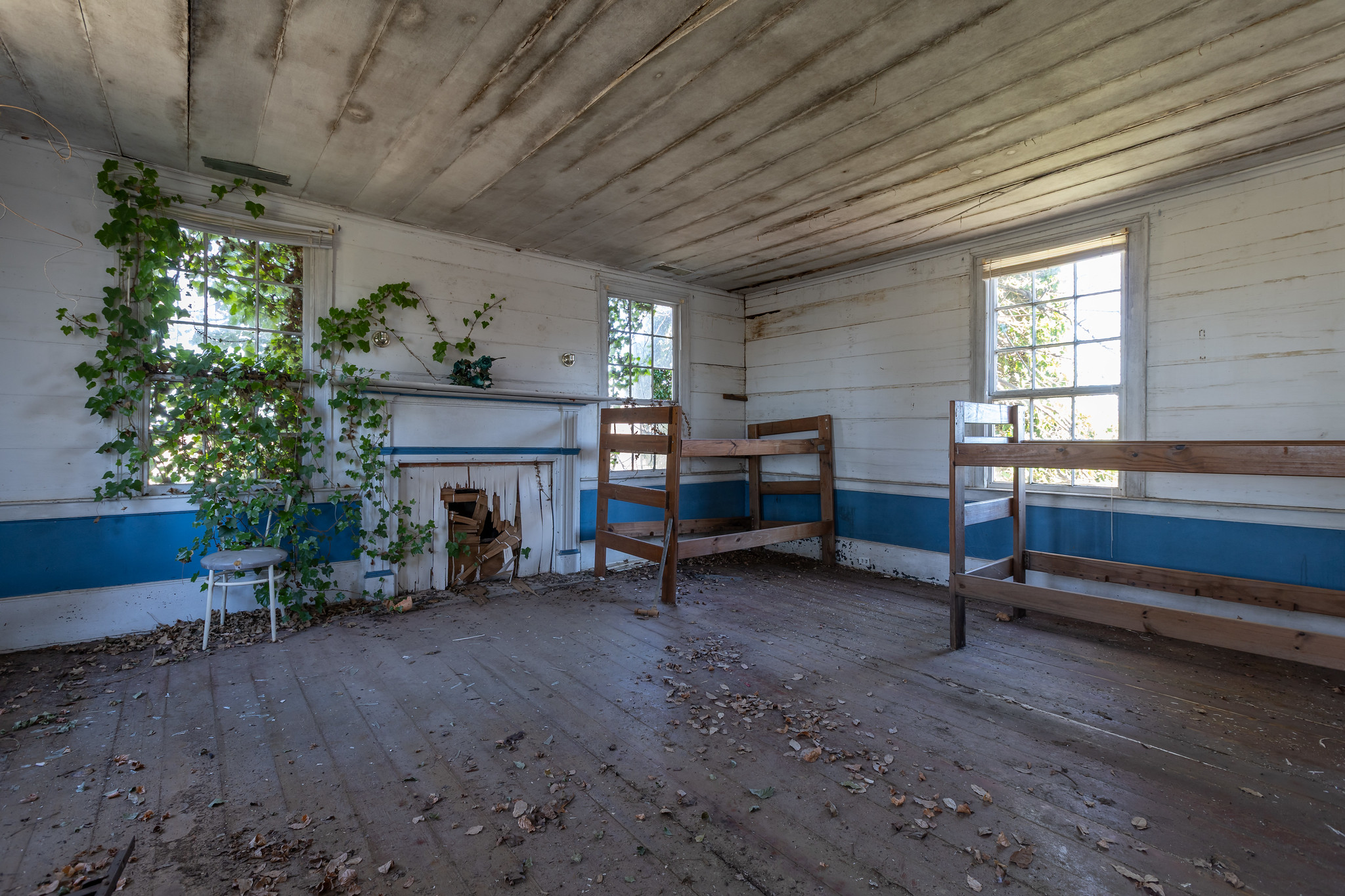
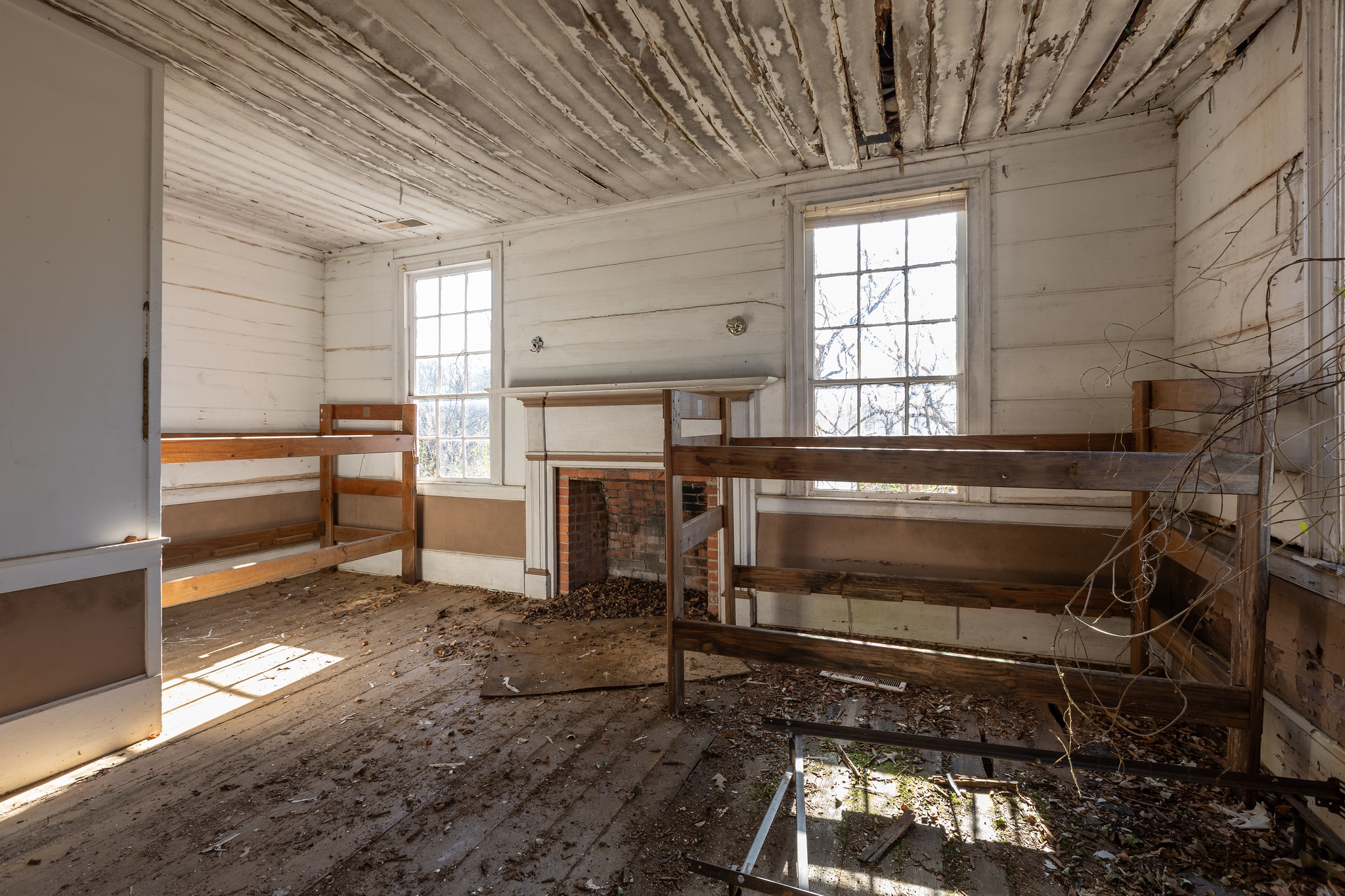
After the death of one of the convention’s senior pastors in 2018, the program ended, and the grounds were left abandoned. In 2023, a ribbon-cutting ceremony was announced for the Rebuilding Walls Reentry Project. While several of the older buildings have since been renovated, the main plantation home remained in disrepair. Recently, however, overgrowth surrounding the house was removed, signaling that restoration of the historic structure may soon follow.
Over the years, stories have attached themselves to the Rutherford home, passed quietly among locals and visitors alike. Some claim the house once served as a makeshift Civil War hospital, though no documentation has ever confirmed it. Others point to rumors that uranium may have been discovered on the property around the time of World War I, a theory fueled more by speculation than evidence. Still, these stories persist, adding another layer to the land’s already complicated history.
Perhaps the most enduring rumors surround the house itself. In recent years, a paranormal investigation team reportedly entered the plantation home after dark, only to leave abruptly in the middle of the night, refusing to return. No details were ever publicly shared, but the story spread quickly and became part of the property’s modern mythology. Whether rooted in imagination or experience, the tales seem to mirror the house’s long pattern of unrest, generations passing through, lives interrupted, and chapters ending suddenly.
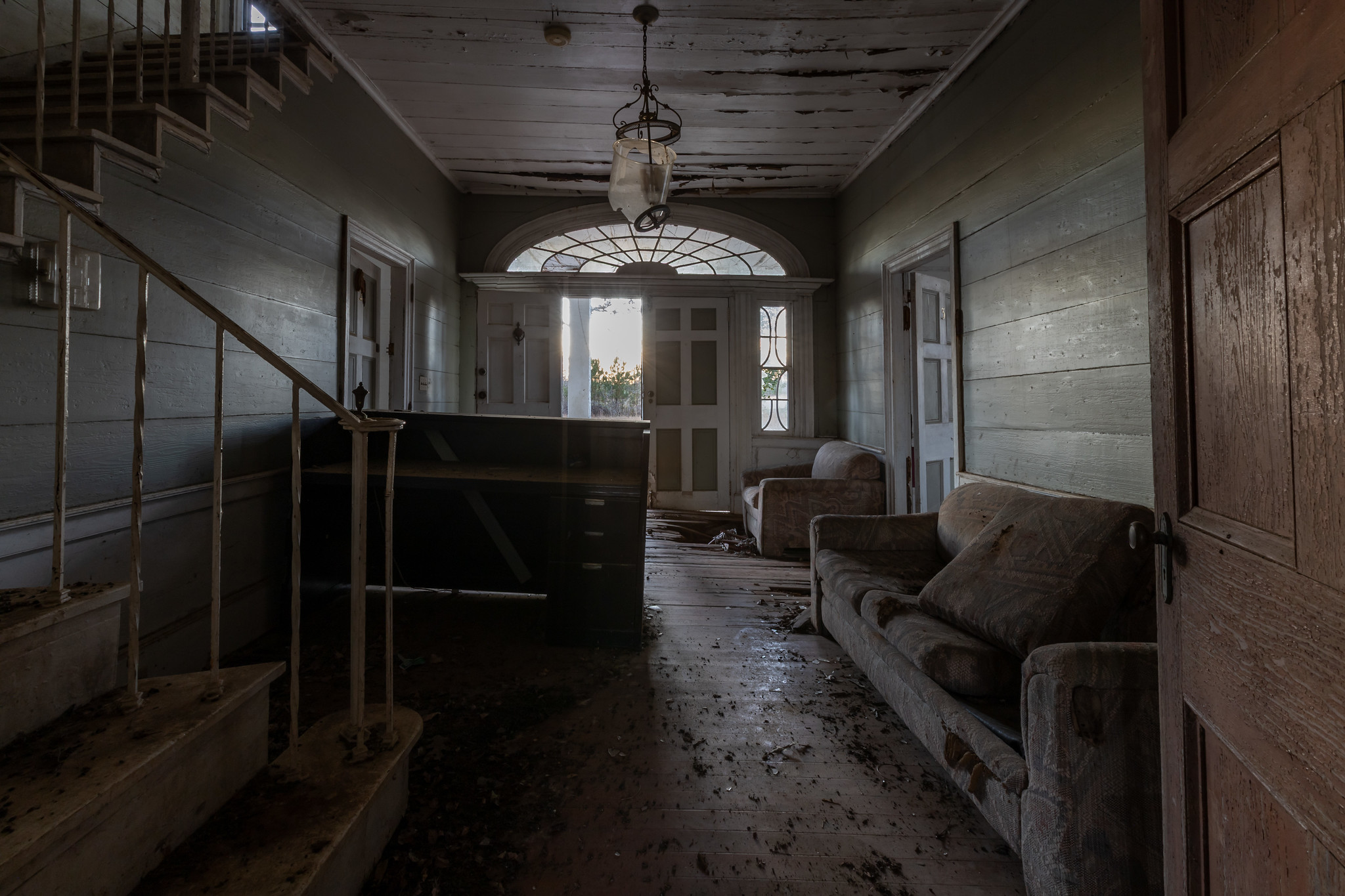
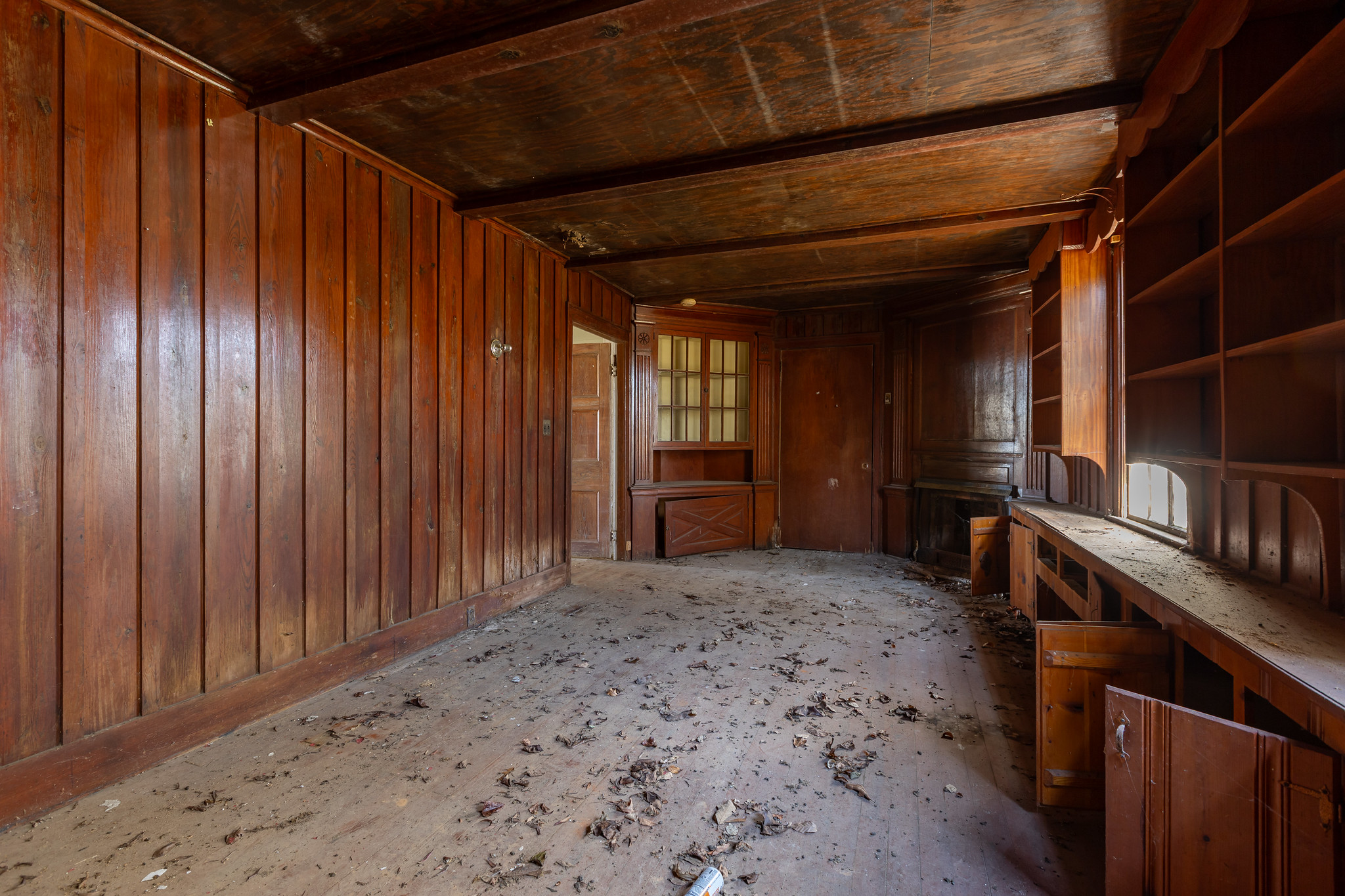
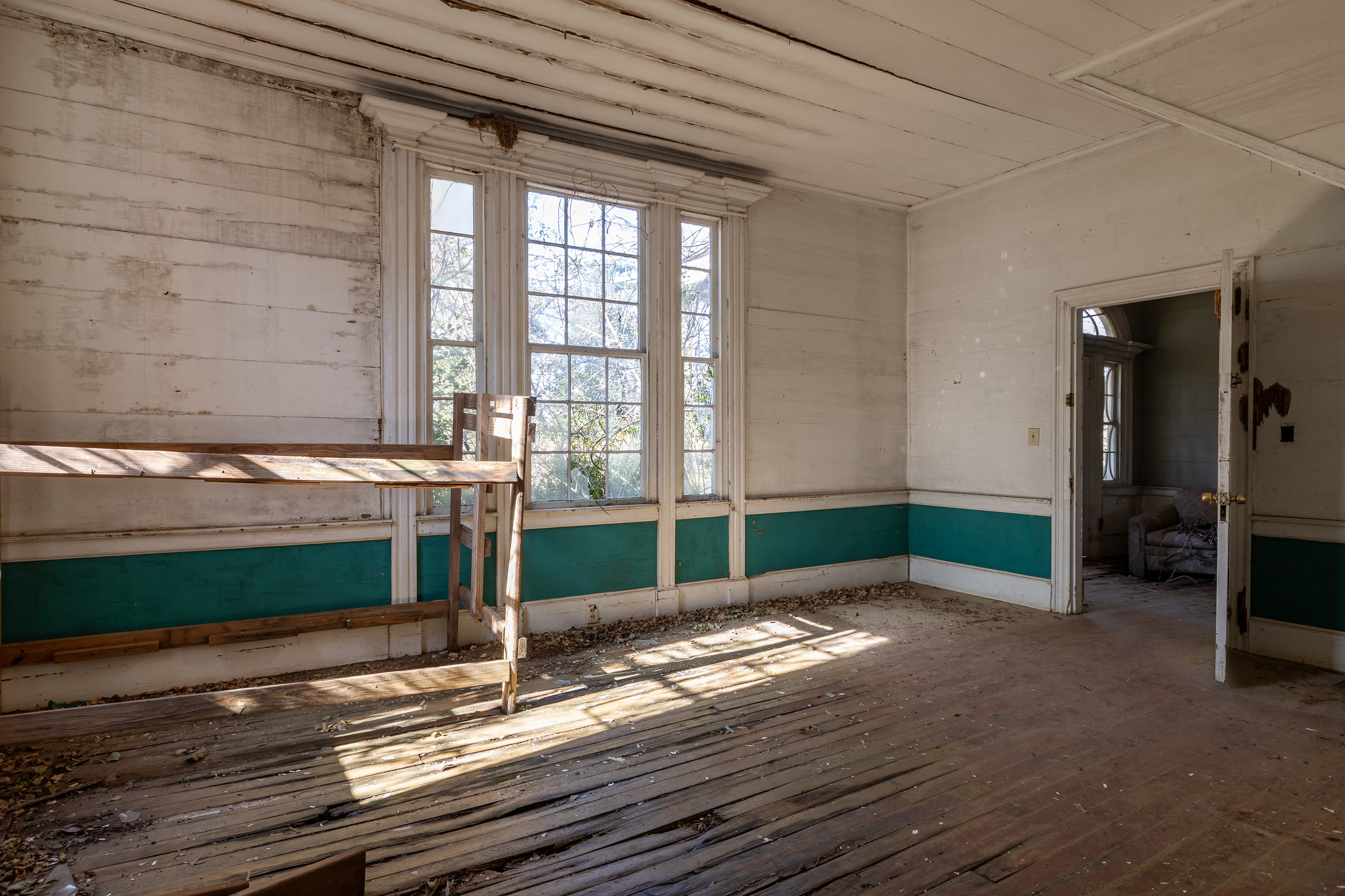
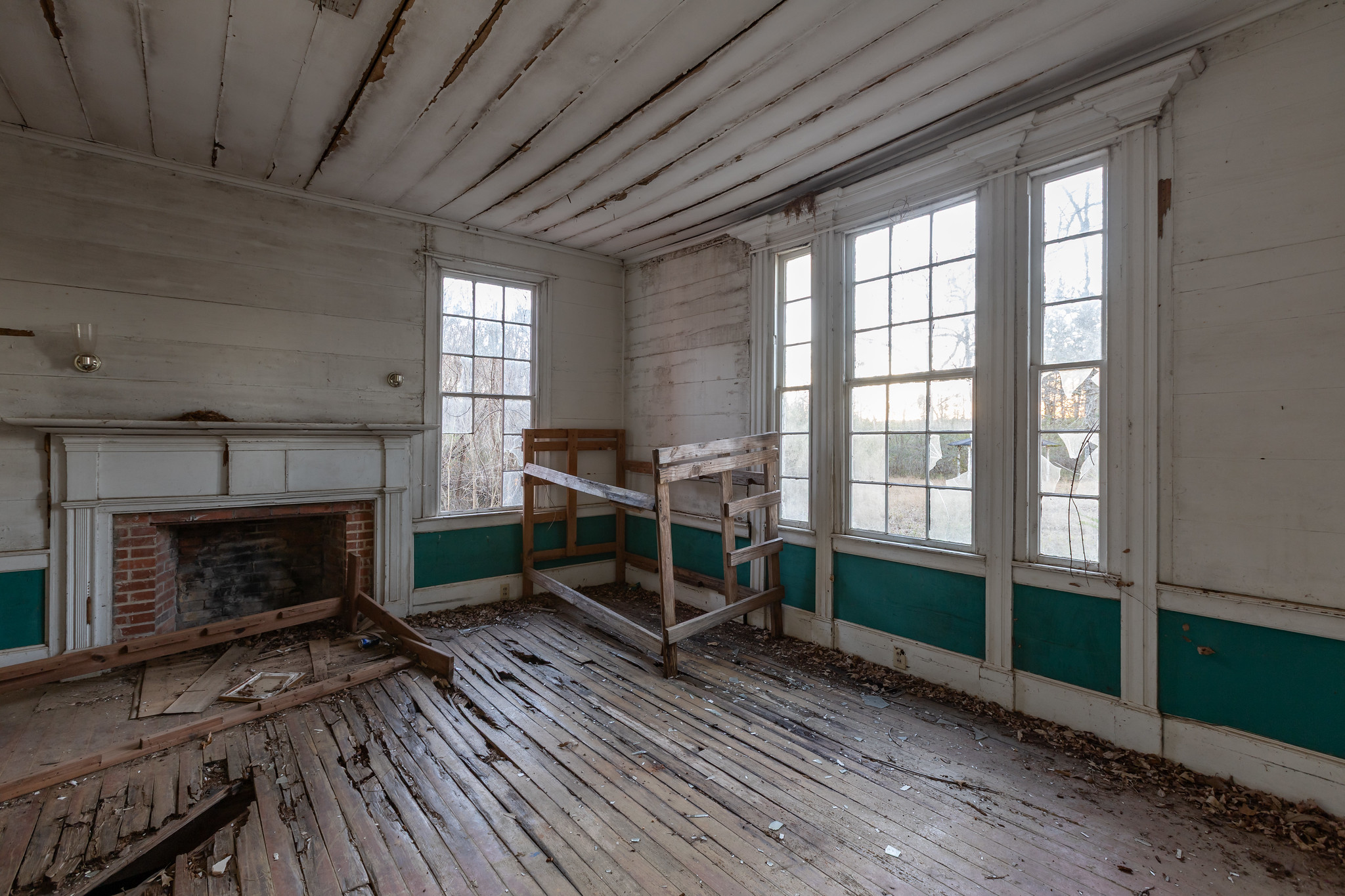
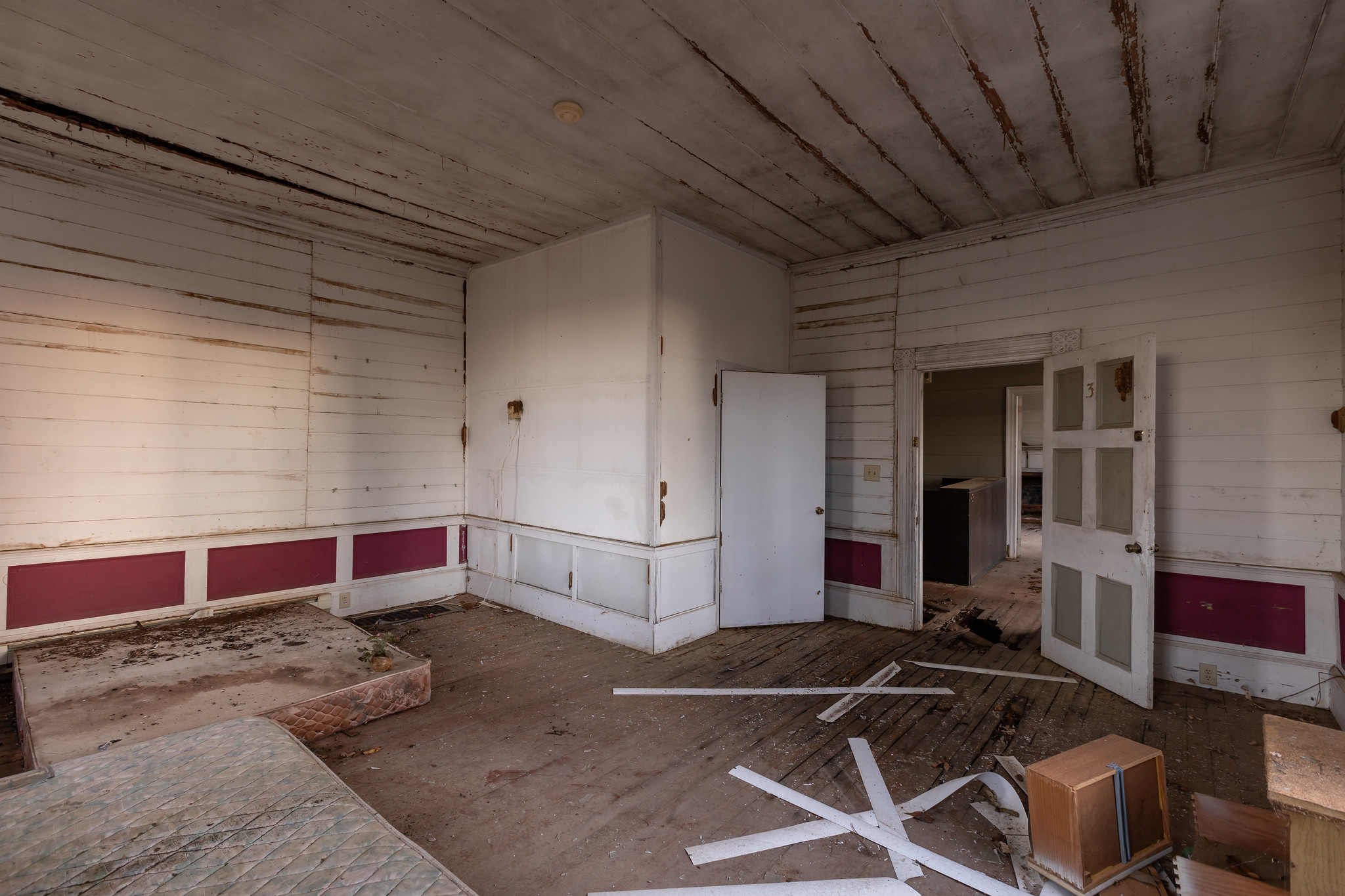
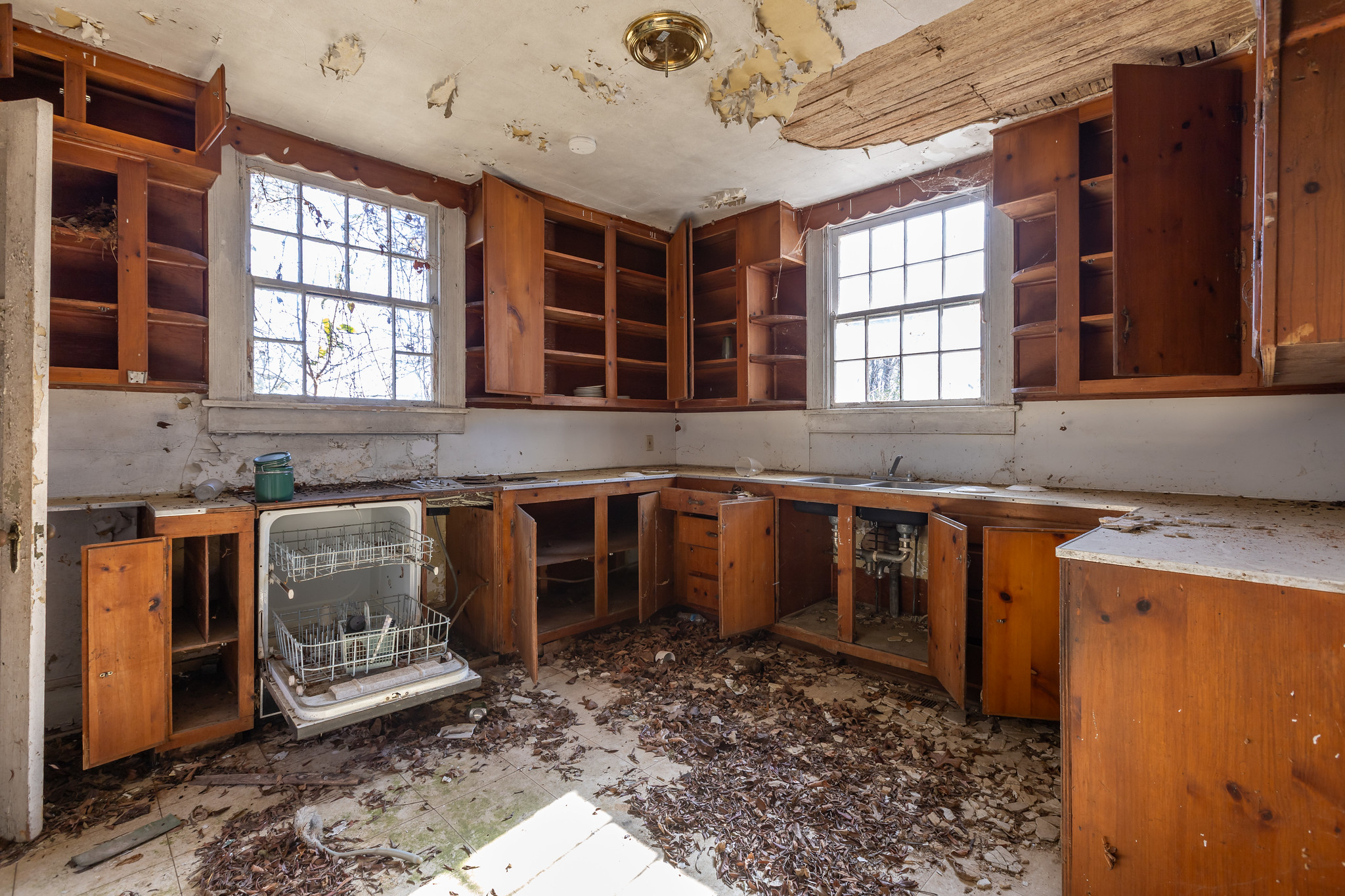
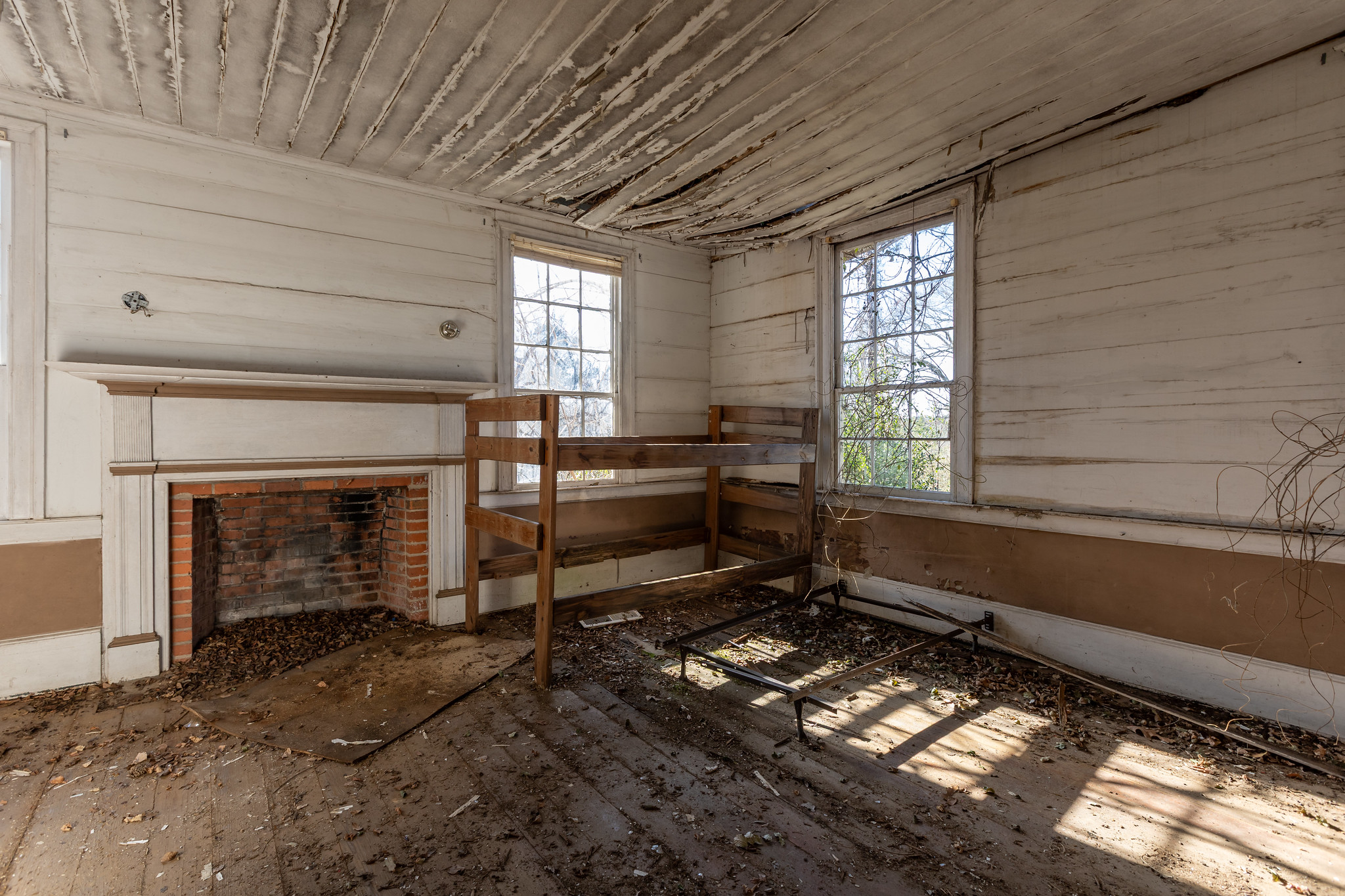
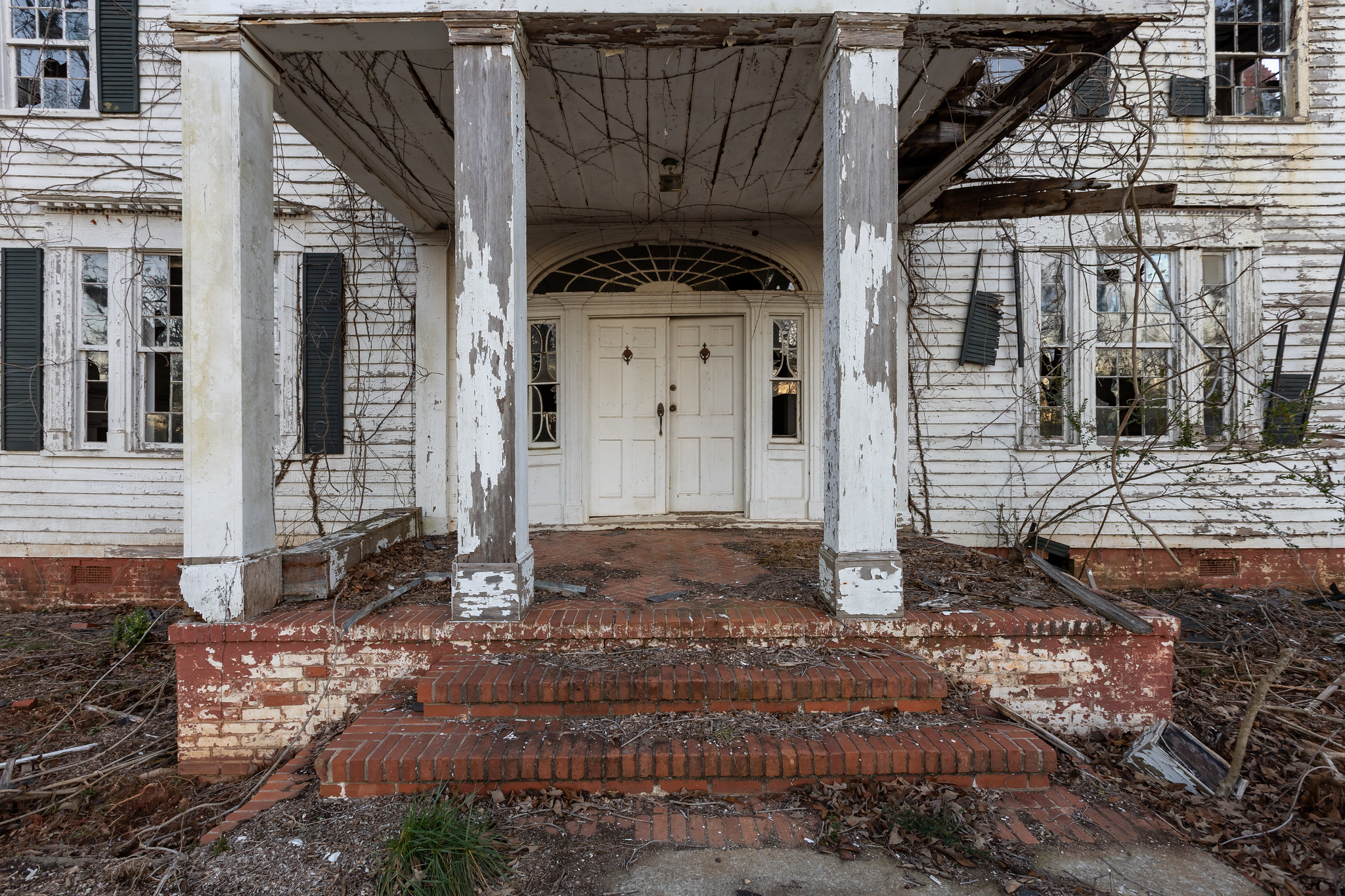
Standing there today, it is easy to understand why such stories endure. With its peeling paint, towering columns, and quiet isolation, the Rutherford family home feels suspended between what it once was and what it may become. Fact and folklore blur, leaving behind a place where history is not just remembered, but felt.




Thank you for reading. Please share the blog with your friends. I appreciate your support. You can find me on Facebook, Instagram, and TikTok. For more amazing, abandoned places, check out my photography books.
Discover more from Abandoned Southeast
Subscribe to get the latest posts sent to your email.

that will be quite a place to explore, but the floorboards don’t look too safe!
LikeLike