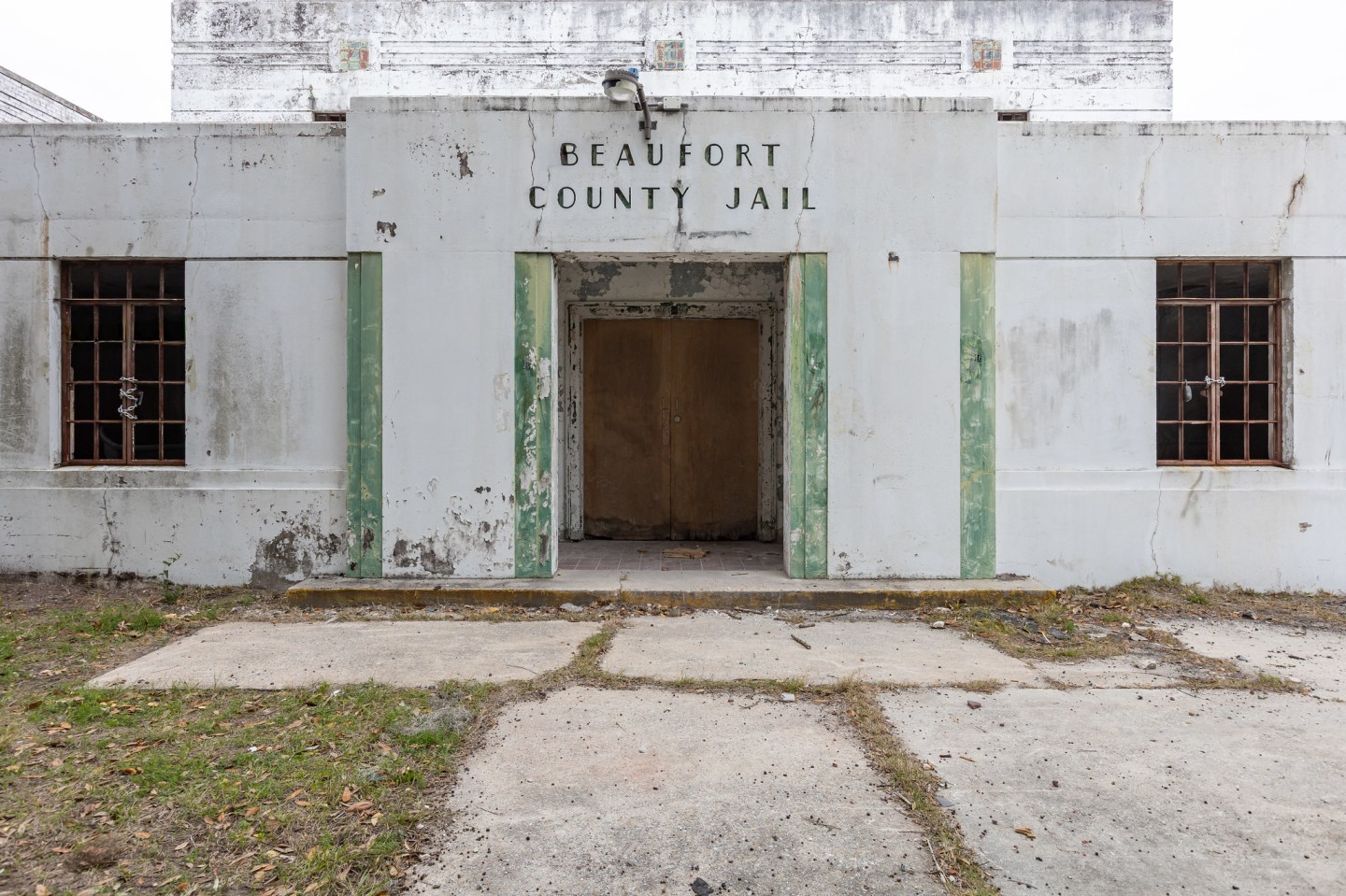
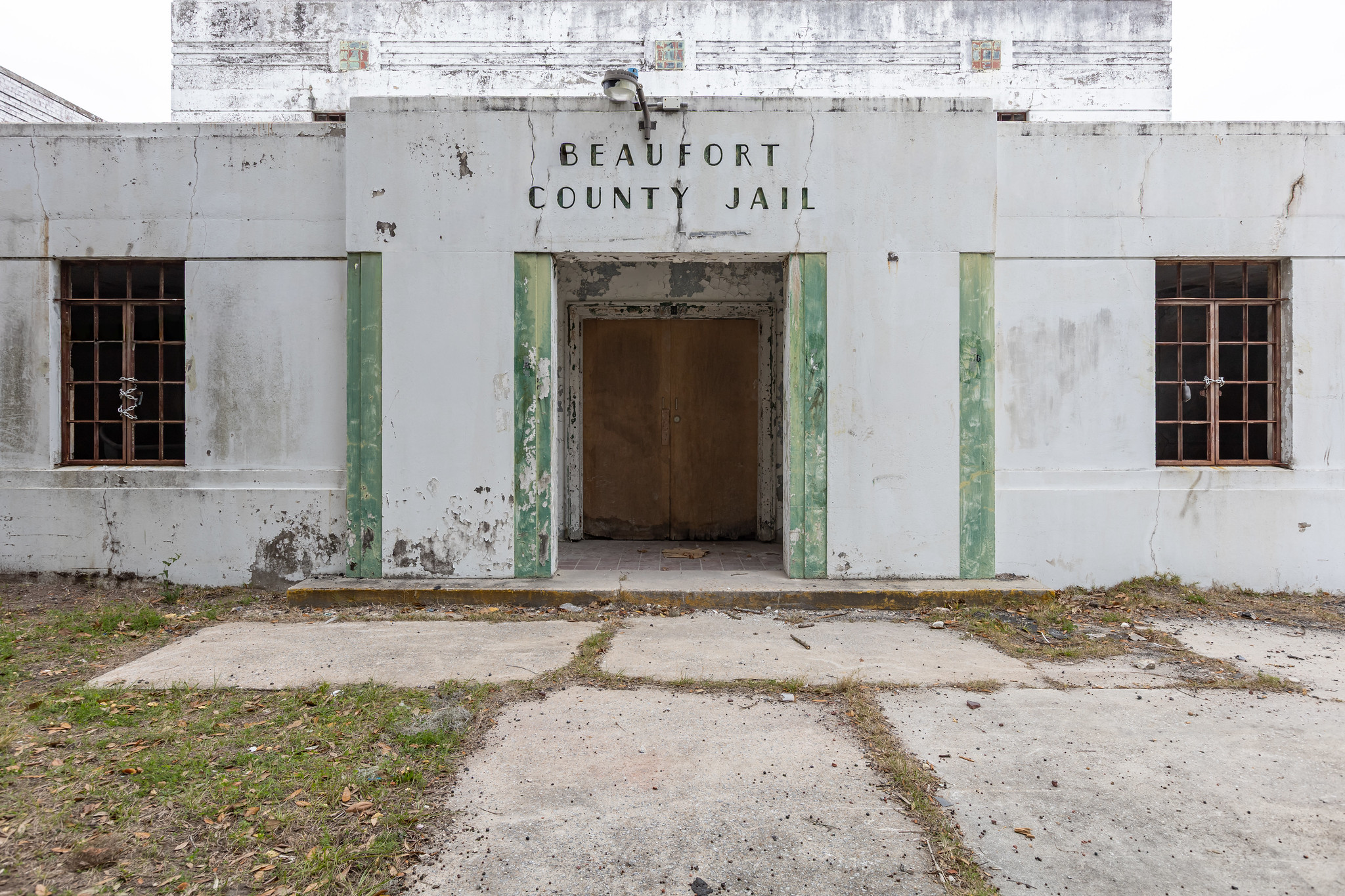
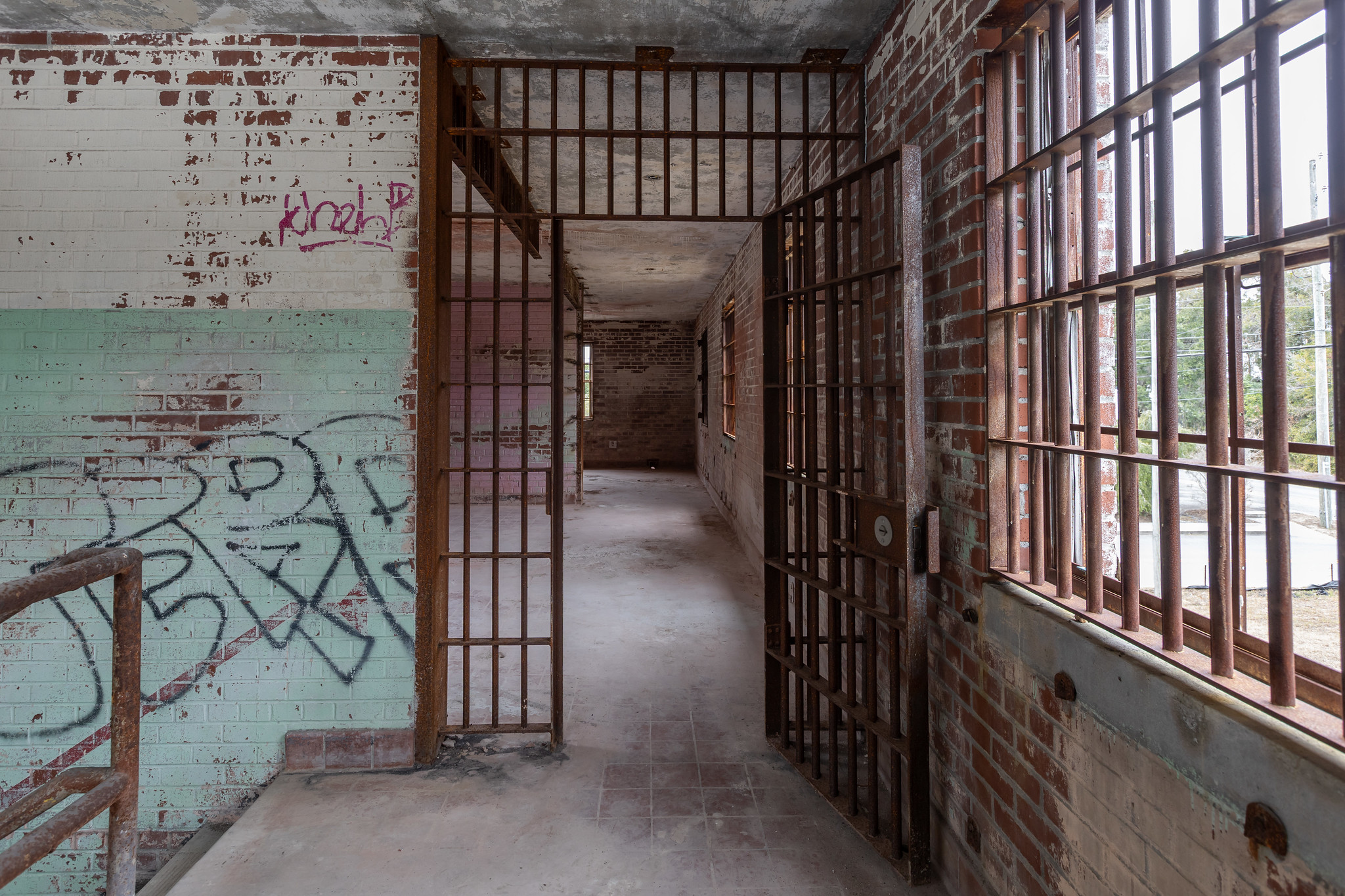
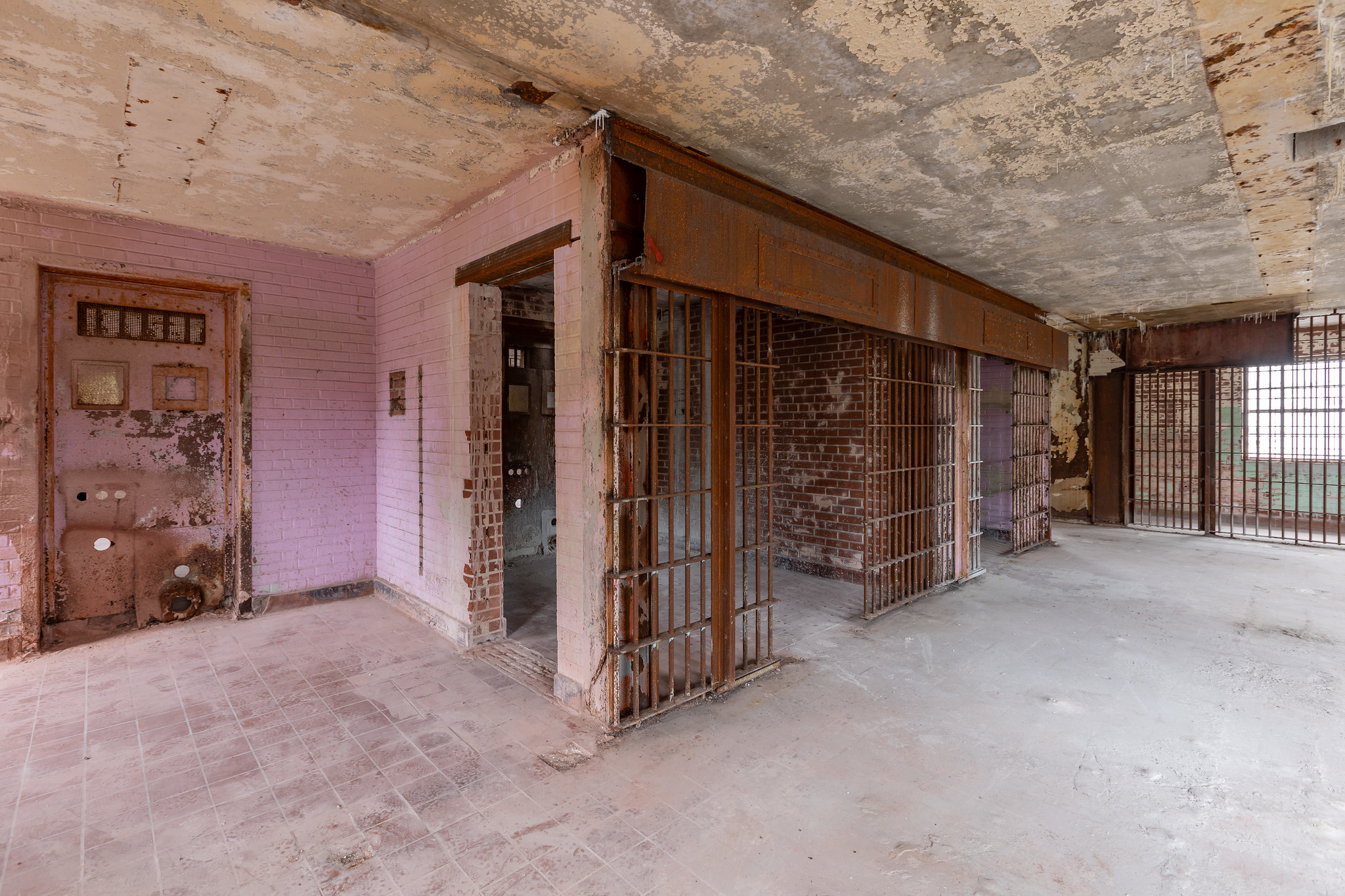
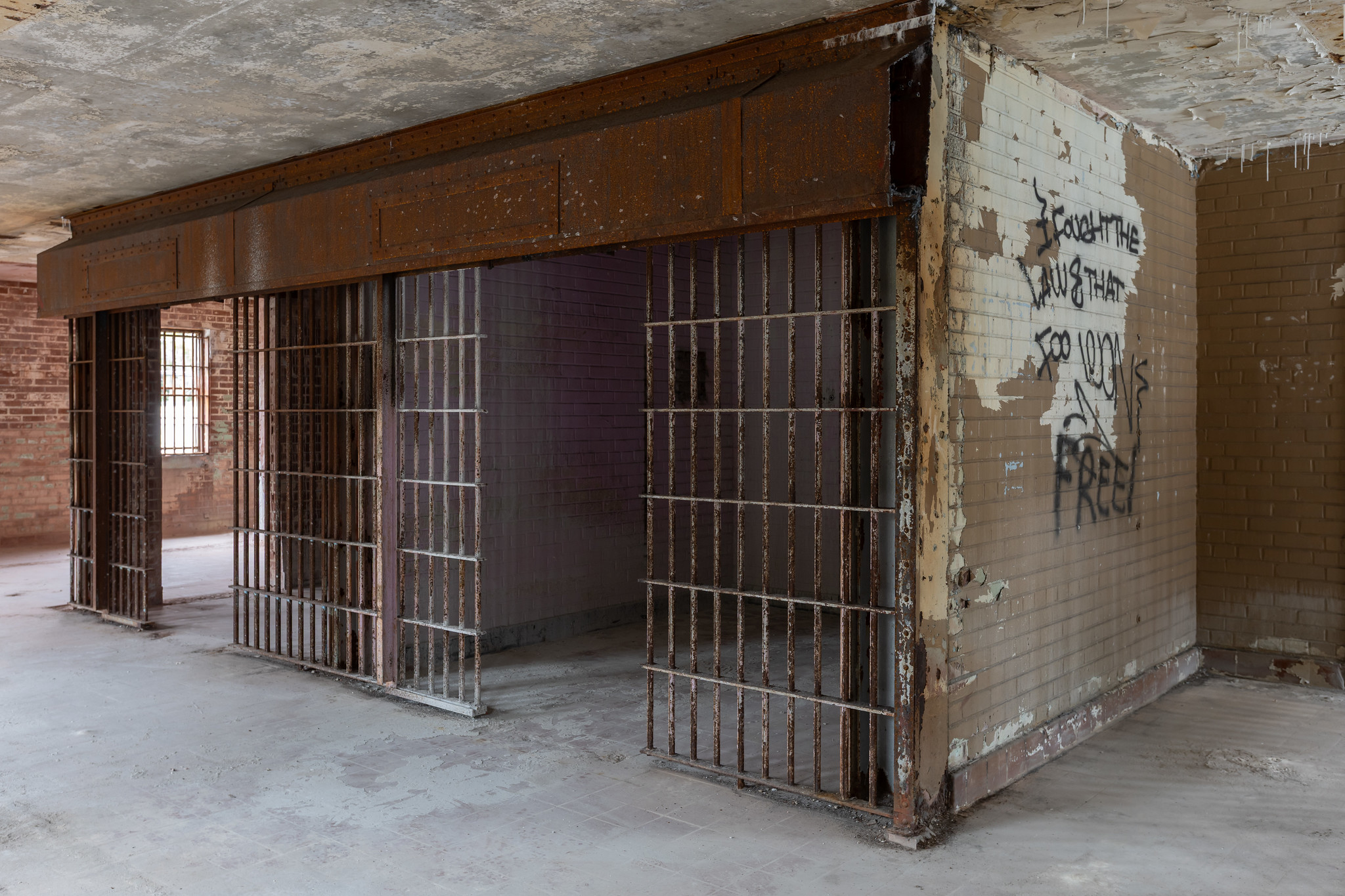
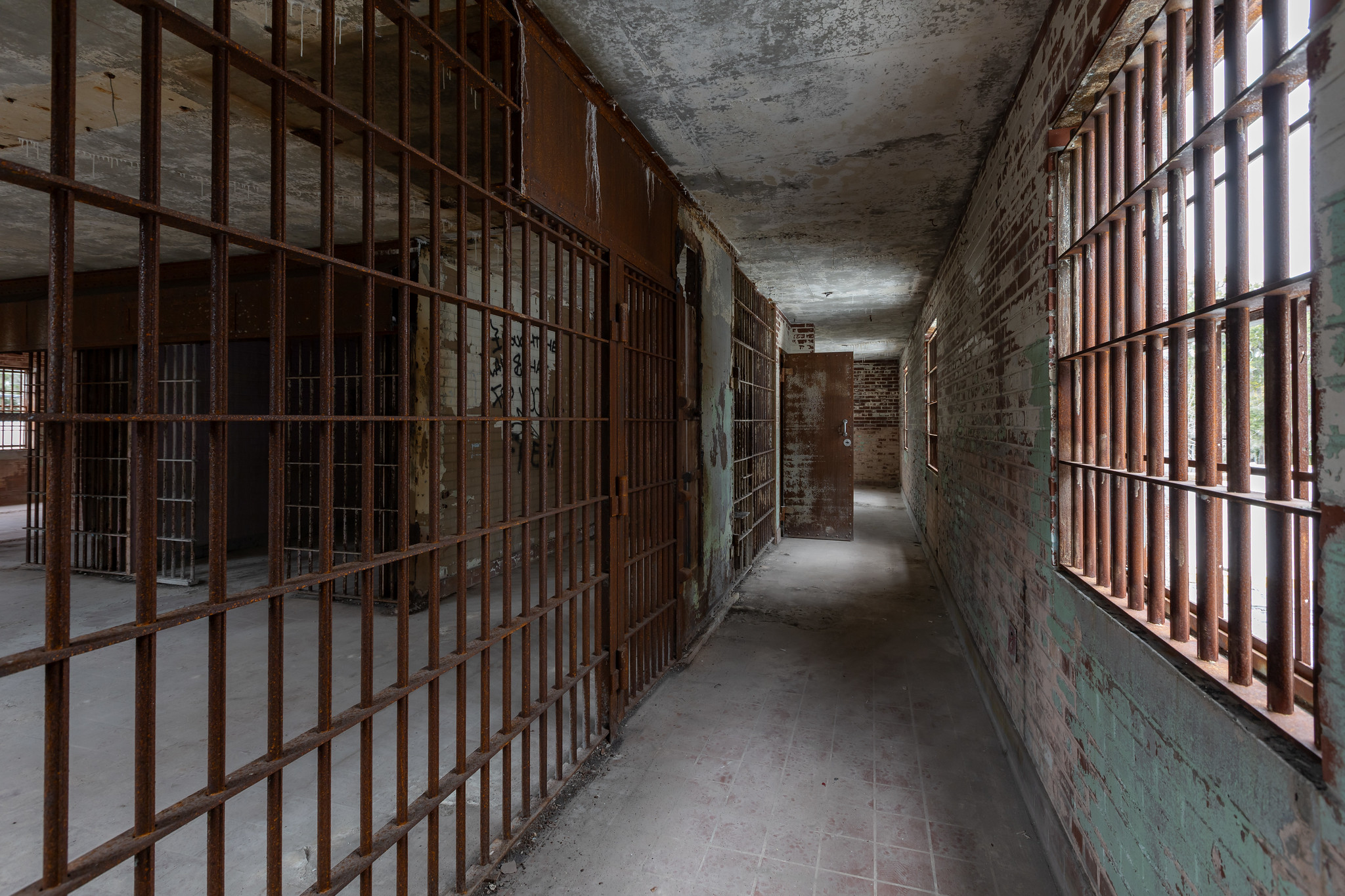
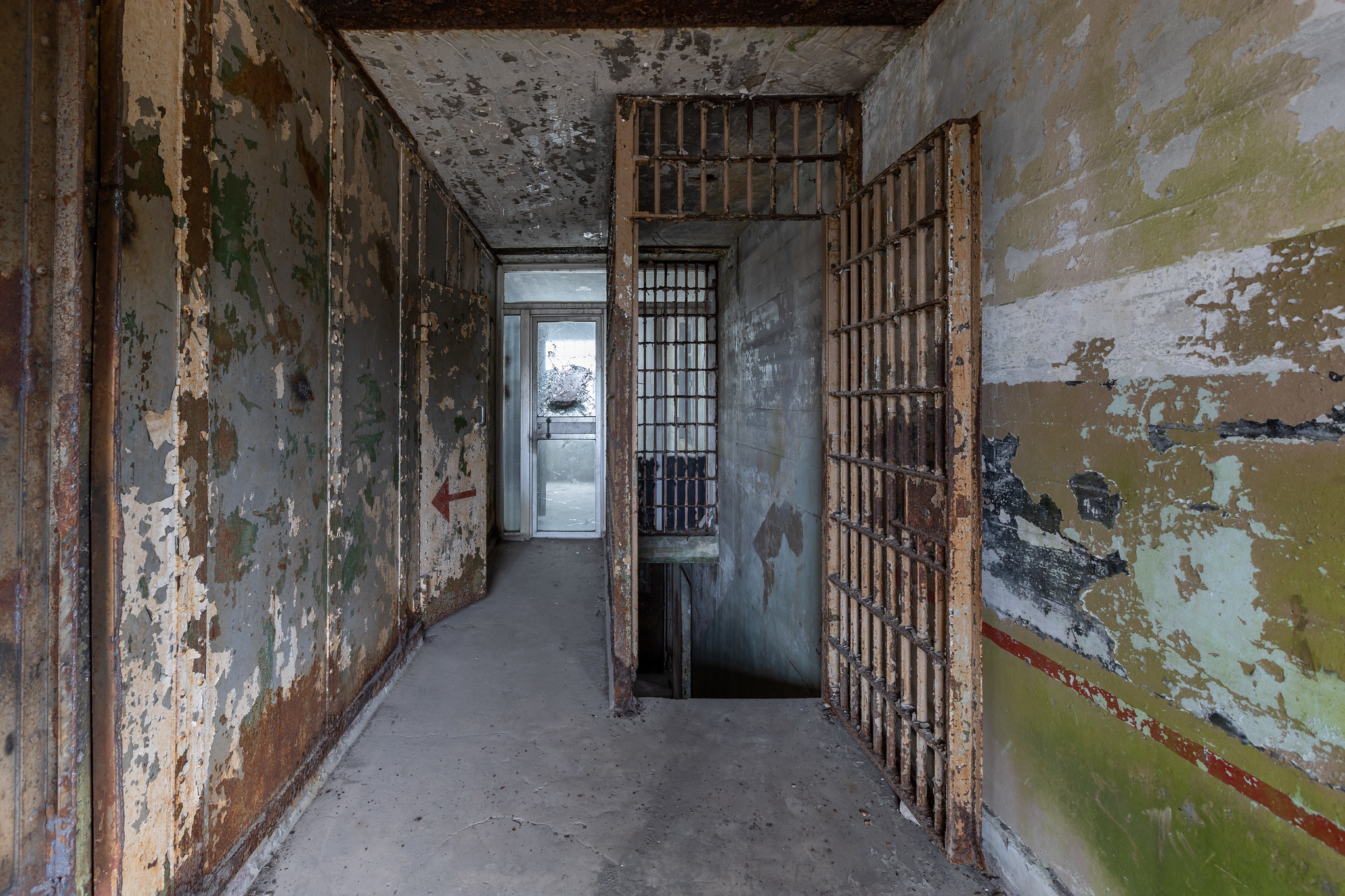
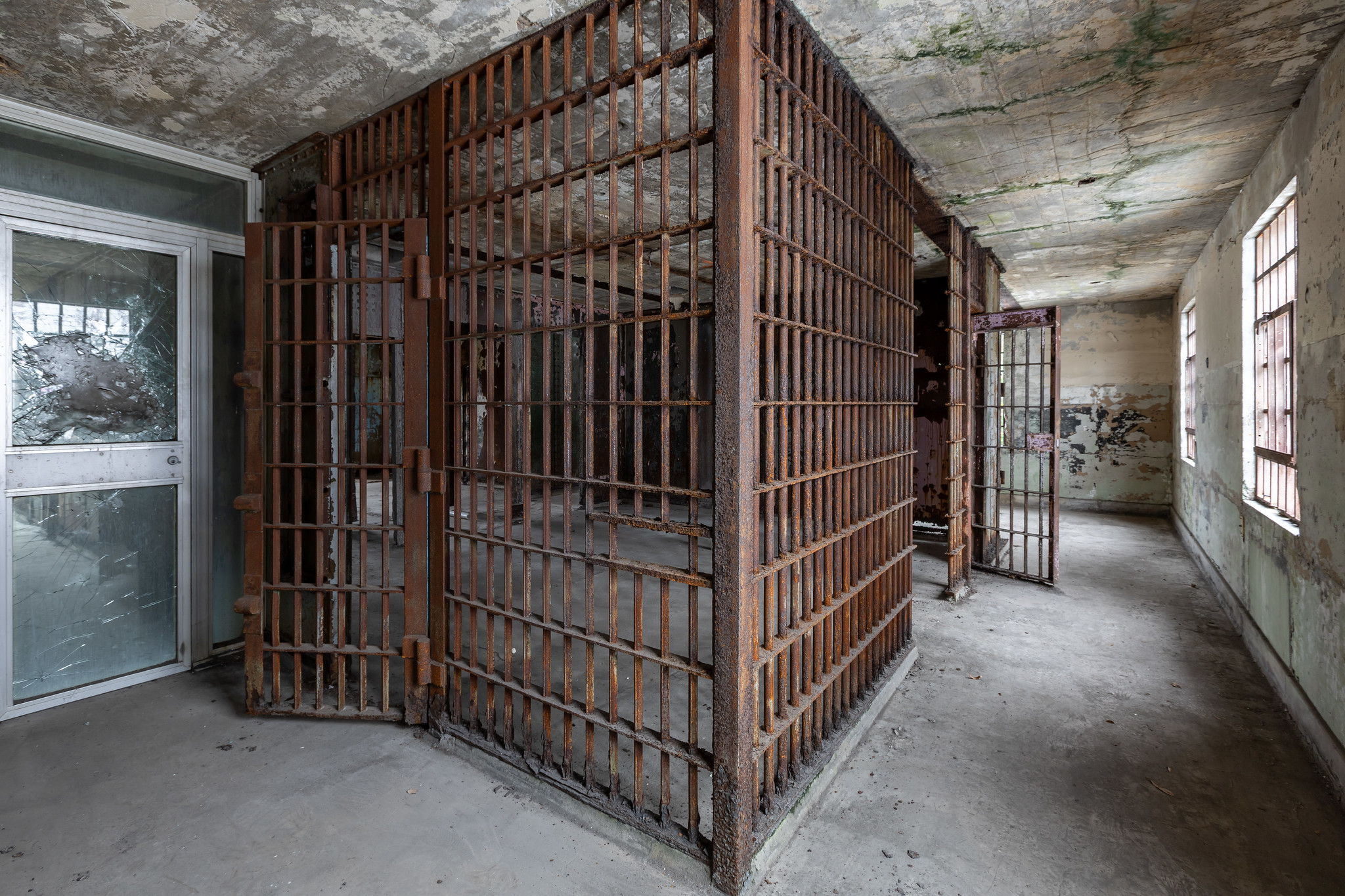
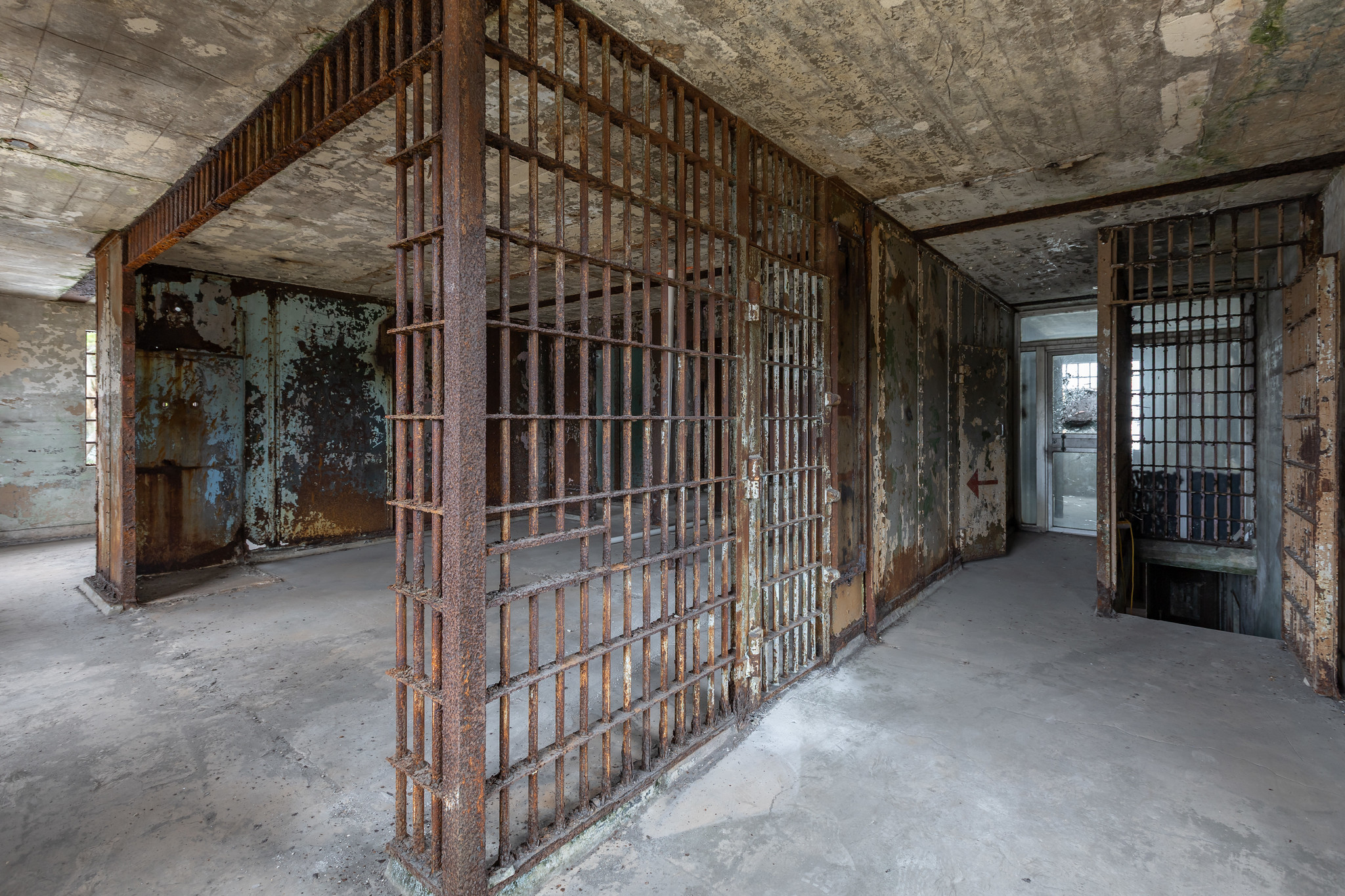
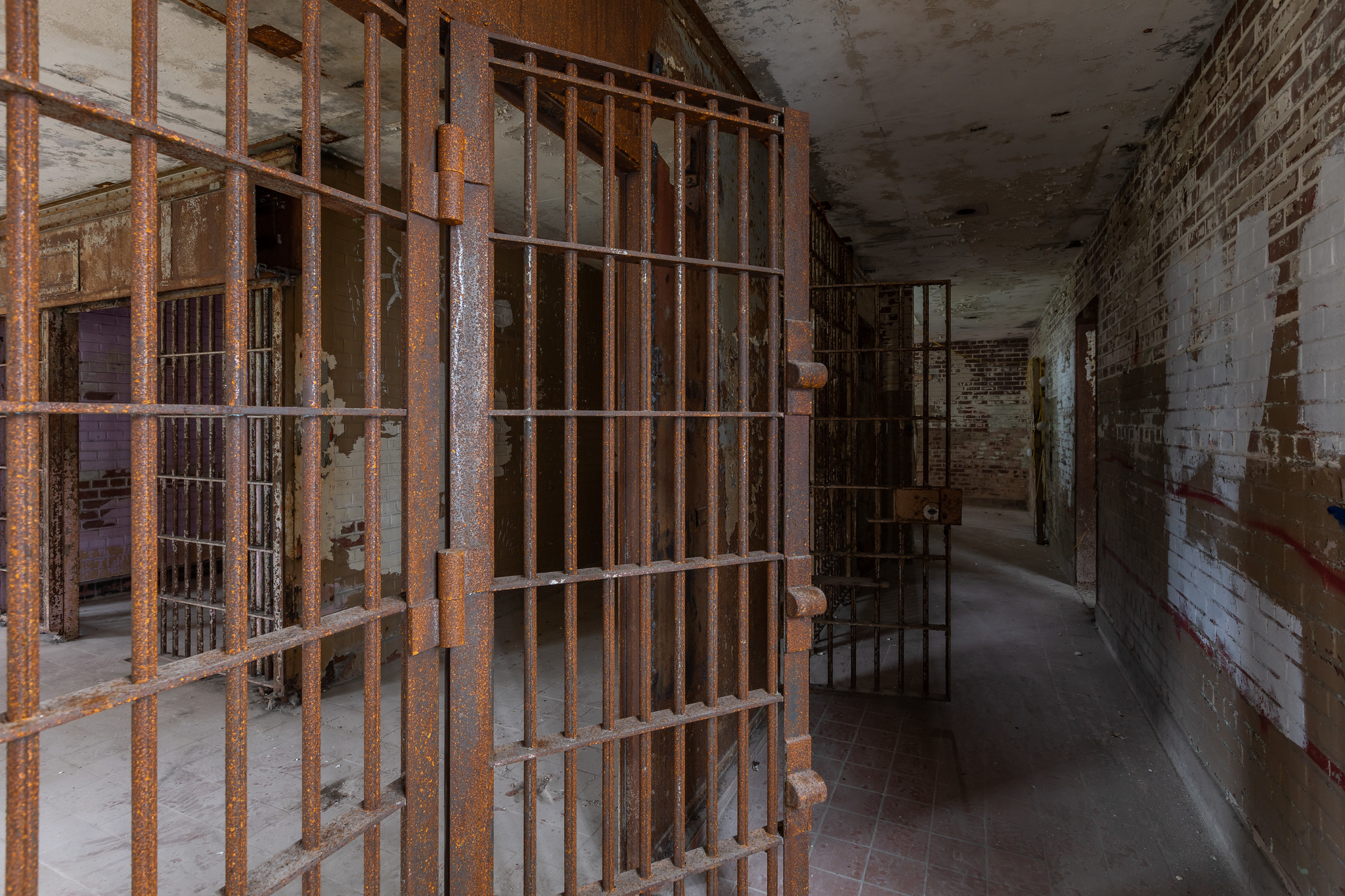
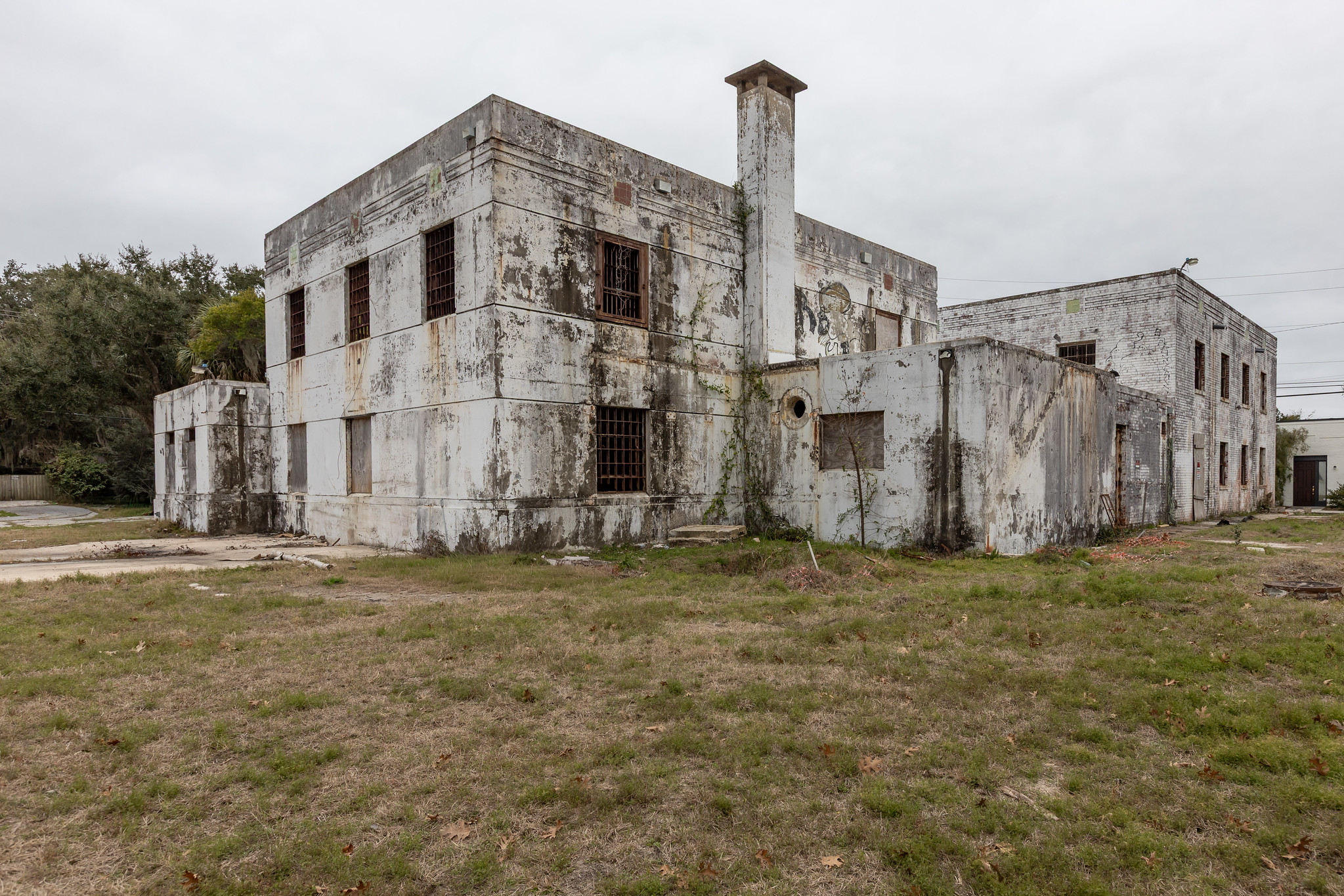
In the heart of Beaufort’s historic Northwest Quadrant stands a building that has witnessed nearly a century of change. Once a functioning county jail, the former Beaufort County Jail is now entering a new chapter, one that blends preservation, architecture, and modern residential living. Constructed in 1938–1939, the Beaufort County Jail replaced an earlier facility on the same site. Designed by local architect Jules D. Levin, the building reflected the architectural trends of its time.
Its Art Deco/Moderne design, defined by sleek lines, minimal ornamentation, and an air of civic solidity, distinguished it from much of Beaufort’s more traditional historic architecture. The style reflected an era when even public buildings were intentionally designed to project stability, authority, and public trust. In 1961, the jail underwent a significant expansion, with additional modifications added in 1975. For decades, the building served as the county’s primary detention facility. Eventually, however, operations moved elsewhere, and the structure was left completely vacant by 1992.
As years passed, the once-busy jail deteriorated, becoming a looming but historically significant presence downtown. Despite its decline, the building retained an important designation as a contributing structure within the Beaufort Historic District, which is listed on the National Register of Historic Places. In 2017, the city approved demolition of the old jail. However, there was one important stipulation: the front wall bearing the words “Beaufort County Jail” had to be preserved and incorporated into the site’s redevelopment. That requirement ensured that even if the structure changed, its identity and historical significance would not be erased.
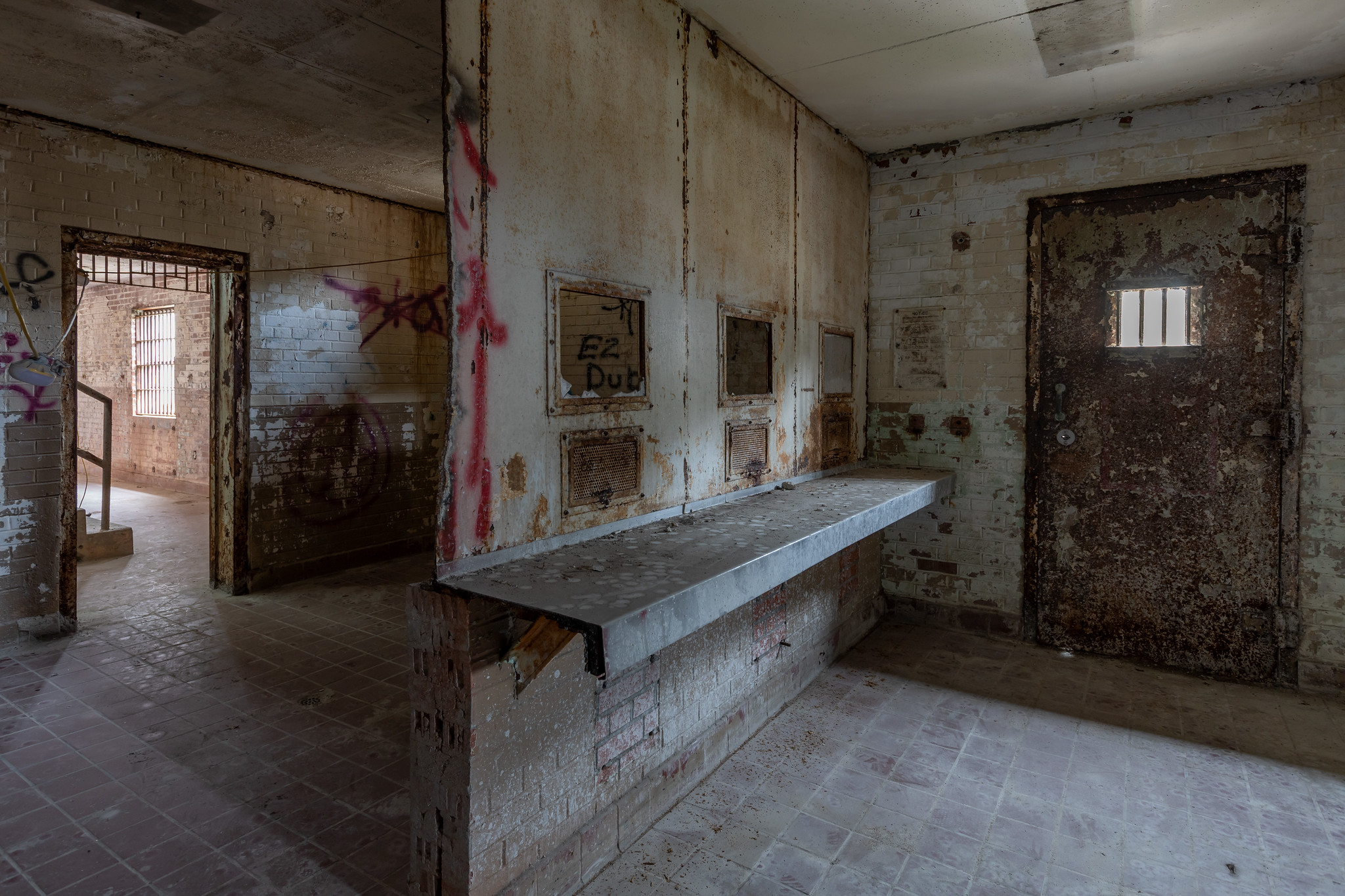
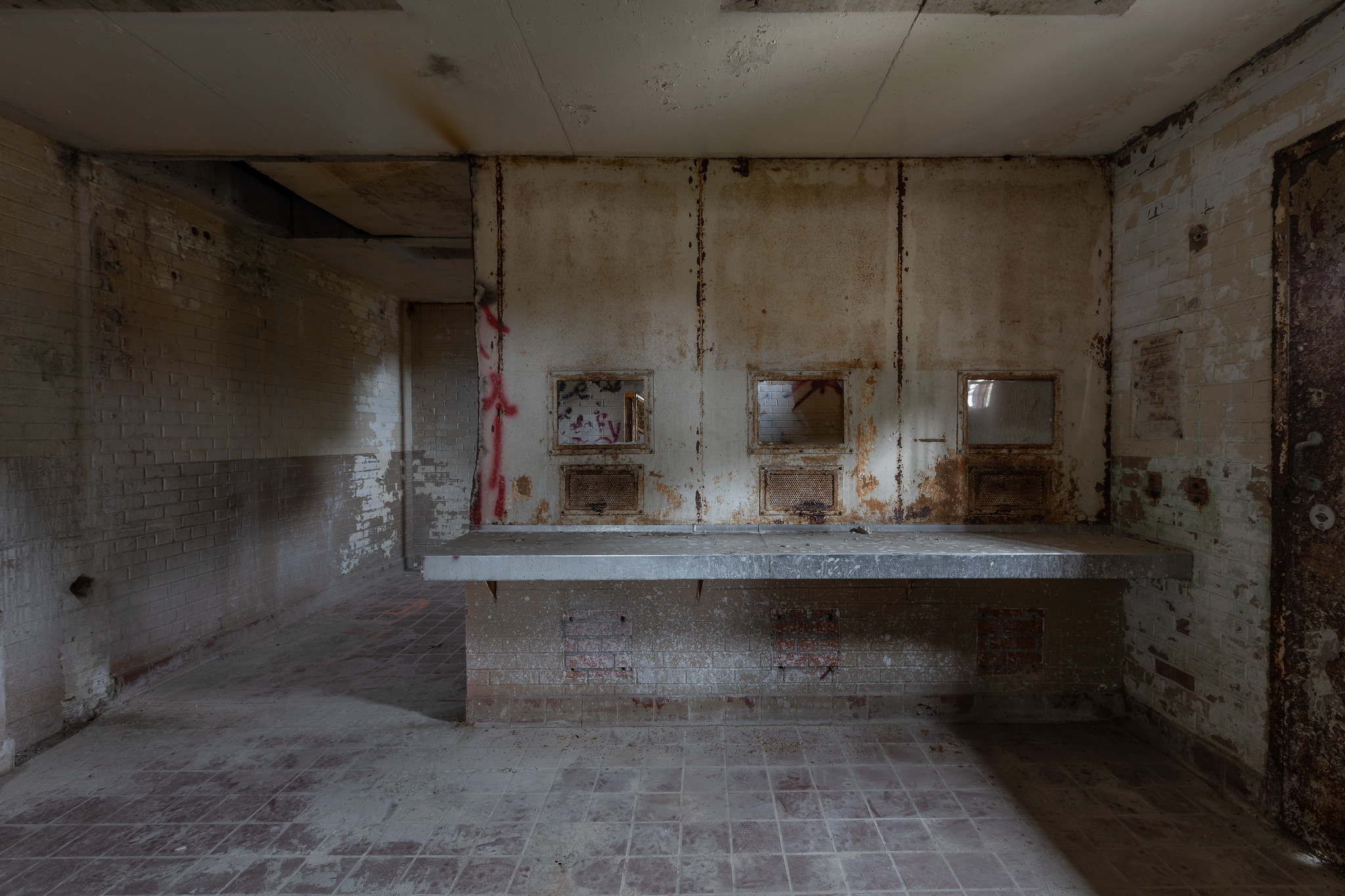
Today, the property is being transformed into a residential development known as Justice Place. Led by Wheeler & Wheeler Properties, the project is an ambitious example of adaptive reuse, converting a former institutional building into private residences while retaining its historic character. The plan calls for nine condominium units, offering a mix of one- and two-bedroom residences. Designers have taken a thoughtful approach, preserving distinctive architectural elements wherever possible. Original structural features, portions of former hallways, and even elements from the old visiting areas have been creatively integrated into the new layouts. In some cases, original jail bars have been repurposed as design accents, blending the building’s past with a new modern identity. The jail’s redevelopment is part of the broader Justice Square vision, aimed at revitalizing the Northwest Quadrant with new residential energy and thoughtful growth within the historic district.
Thank you for reading. Please share the blog with your friends. I appreciate your support. You can find me on Facebook, Instagram, and TikTok. For more amazing, abandoned places, check out my photography books.
Discover more from Abandoned Southeast
Subscribe to get the latest posts sent to your email.

Is this Beaufort County South Carolina or North Carolina? If it’s the former, this is my hometown. I’ve never visited the site.
LikeLike
Beaufort, South Carolina
LikeLiked by 1 person