During the 1930s, as industrial production expanded across the United States, community leaders within New Orleans began to express a desire that any planned new black high school focus on vocational subjects in addition to providing a more academic curriculum. Many felt that such an education would prepare the city’s black students for emergent in relatively high-paying technical/trade careers, thus providing them with better opportunities in life. Within New Orleans, only one vocational trade school had been built to serve the city’s children in the years prior to World War II. The facility, the Delgado Central Trades School, was built in 1921 and limited to white boys only. Many within the African American community thought the same education should be offered to their children.
The New Orleans NAACP led a fight for a second high school due to overcrowding. Black leaders pushed for a vocational training school since most black students were expected to go to work after high school. Some within the white community viewed a new vocational high school as a potential threat to their jobs. School board officials came to a compromise and agreed that the trades taught at the new black high school would be mostly occupied by African Americans. However, after purchasing land for the vocational school, the school board backed out of the deal and another school was built on the property instead.

On September 13, 1940, the school was officially named the “Booker T. Washington Senior High School,” as a tribute to Booker T. Washington, a leading black educator, and activist who had passionately argued the benefits of vocational education to the African American community. As construction of the school began, the school board set about to establish the curriculum and declared there would be no training for artisans, no beauty culture department, and no metalwork in gold or silver diminishing the graduates’ access to these professions, which had generally been dominated by whites.
Booker T. Washington High School was completed in August 1942 and officially opened on September 6, 1942, with much fanfare. Lawrence D. Crocker served as the school’s first principal. The school boasted an enrollment of 1600 children in its 1942-43 school year. The first graduating class in 1943 consisted of 11 girls and 1 boy. The popular vocational classes that year were printing, motor mechanics, and shoe repair. Several years later, in 1947, classes like graphic art, masonry, and mechanical drawing were offered to students.

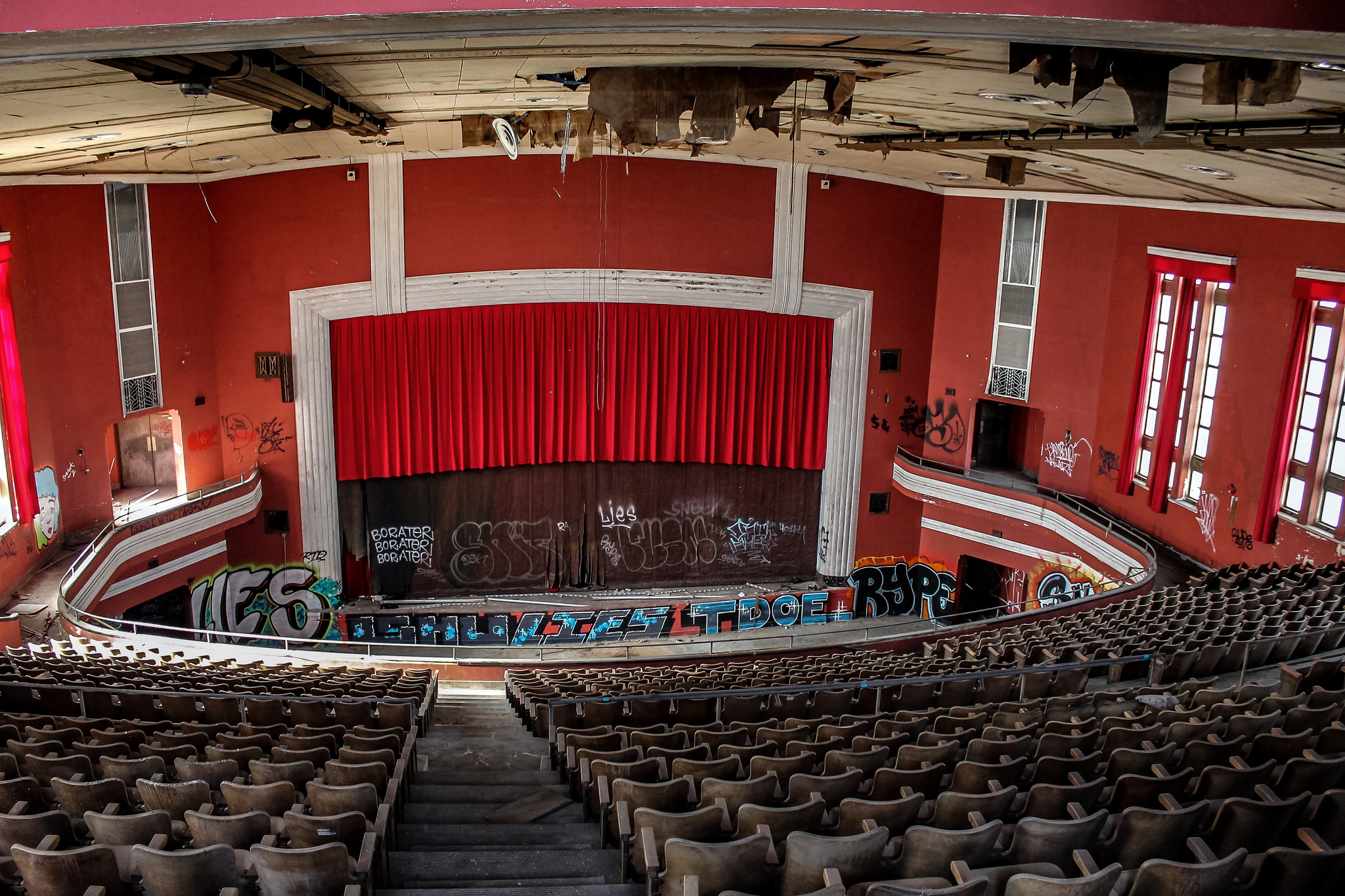
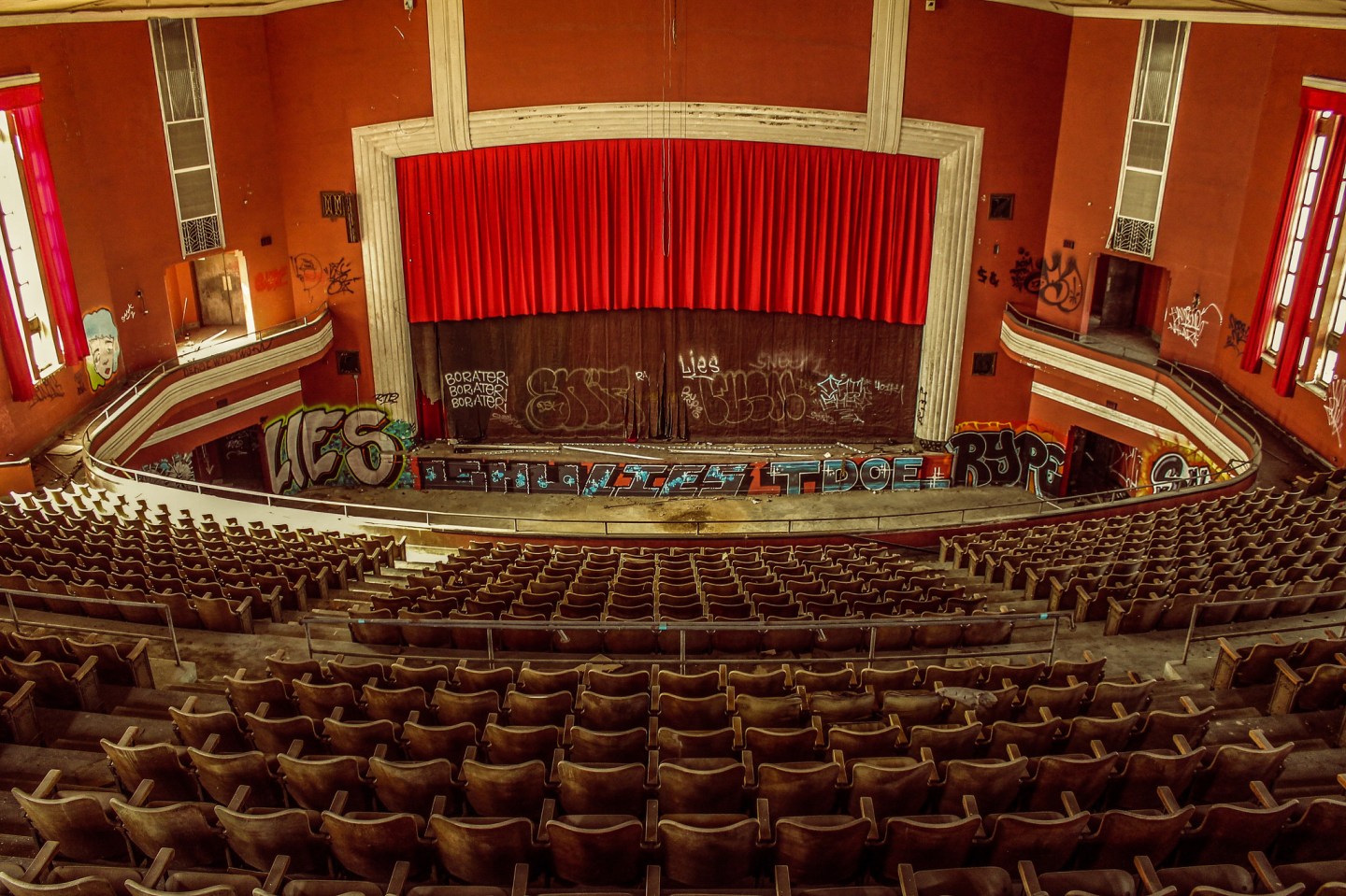
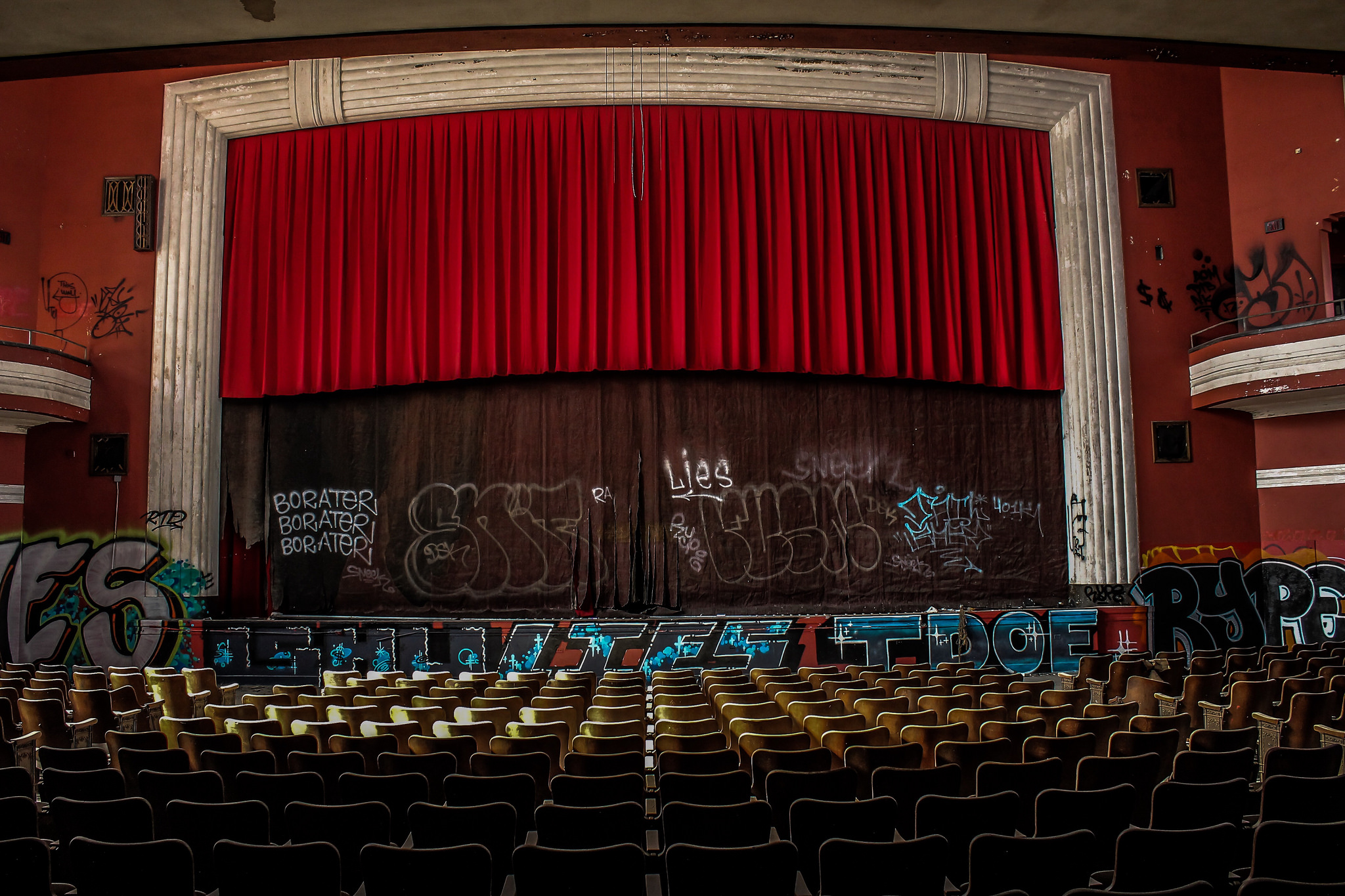
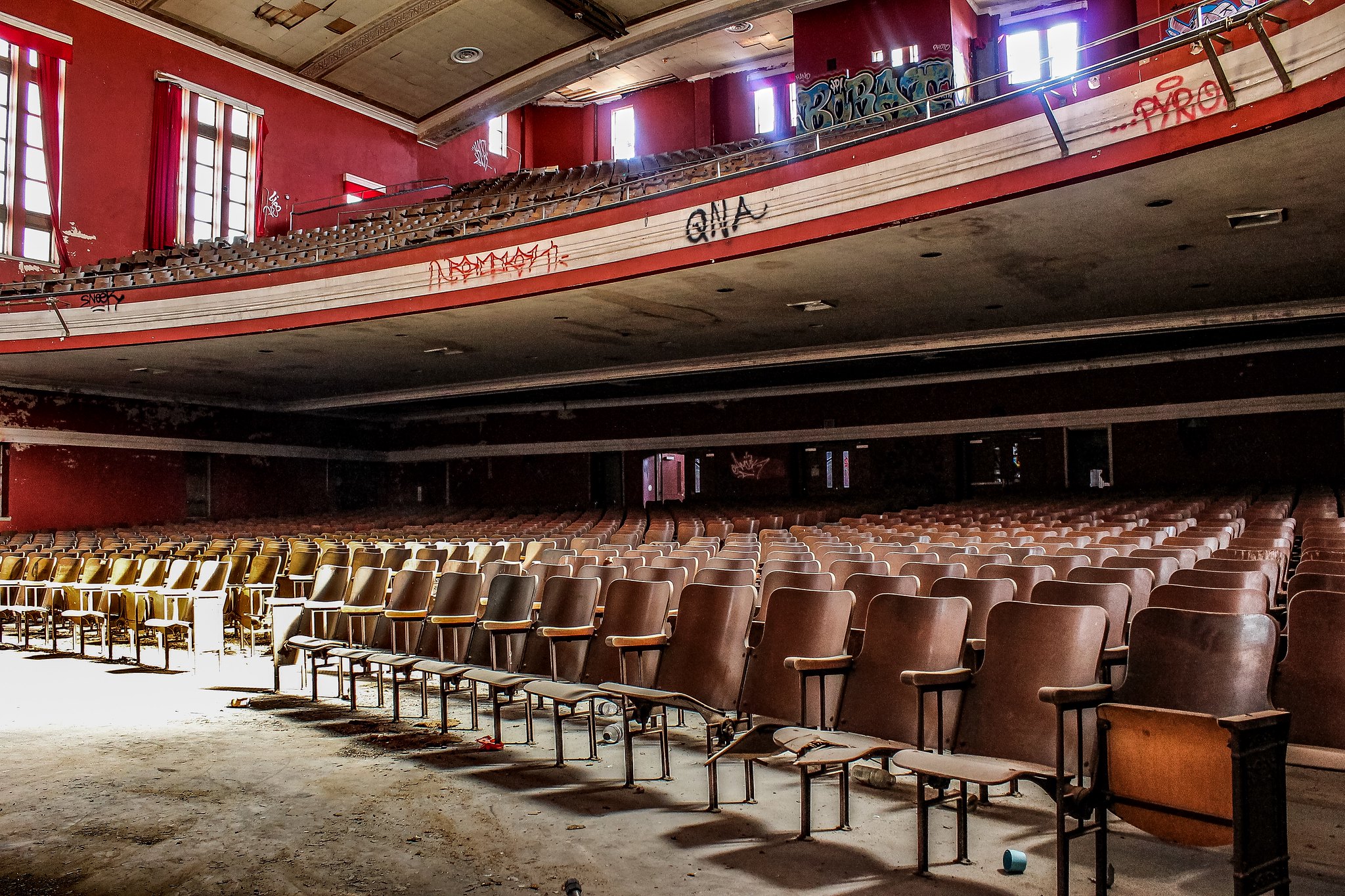
The 2,000-seat Art Deco auditorium at Booker T. Washington High School hosted many cultural activities and served as the city’s black municipal auditorium for decades. War bond rallies held at the school’s auditorium in 1942 and 1945 raised thousands of dollars and enabled the city’s African American residents to contribute to the war effort. The earliest of such events was held here in November 1942. The drive included dinner and a presentation that was hosted by Clarence Muse and resulted in the sale of $10,000 of war bonds.
During segregation, African American musicians were not allowed to play on stage at Symphony Hall, so the New Orleans Symphony Orchestra decided to move to the Booker T. Washington High School auditorium. One reason for the move was so that black pianist Jean Maloney could play with them. The performance was well-received by a full house. The next year, William Grant Still conducted the orchestra. He would later become one of the first well-known African American orchestra conductors.

Be-Bop jazz musician Dizzy Gillespie played at the school’s auditorium on March 25, 1949. Although the concert itself was well received, Gillespie reported to police that his dressing room had been broken into and robbed that night. On October 19, 1950, rhythm and blues musicians Good Time Charles Brown and His Smarties appeared before an integrated audience at the auditorium. An argument amongst several concertgoers ensued resulting in a shootout in which six patrons were injured and one shot dead. As a result of this event and the Gillespie robbery, the school superintendent only allowed events held in the auditorium to be limited to those of “cultural value.”


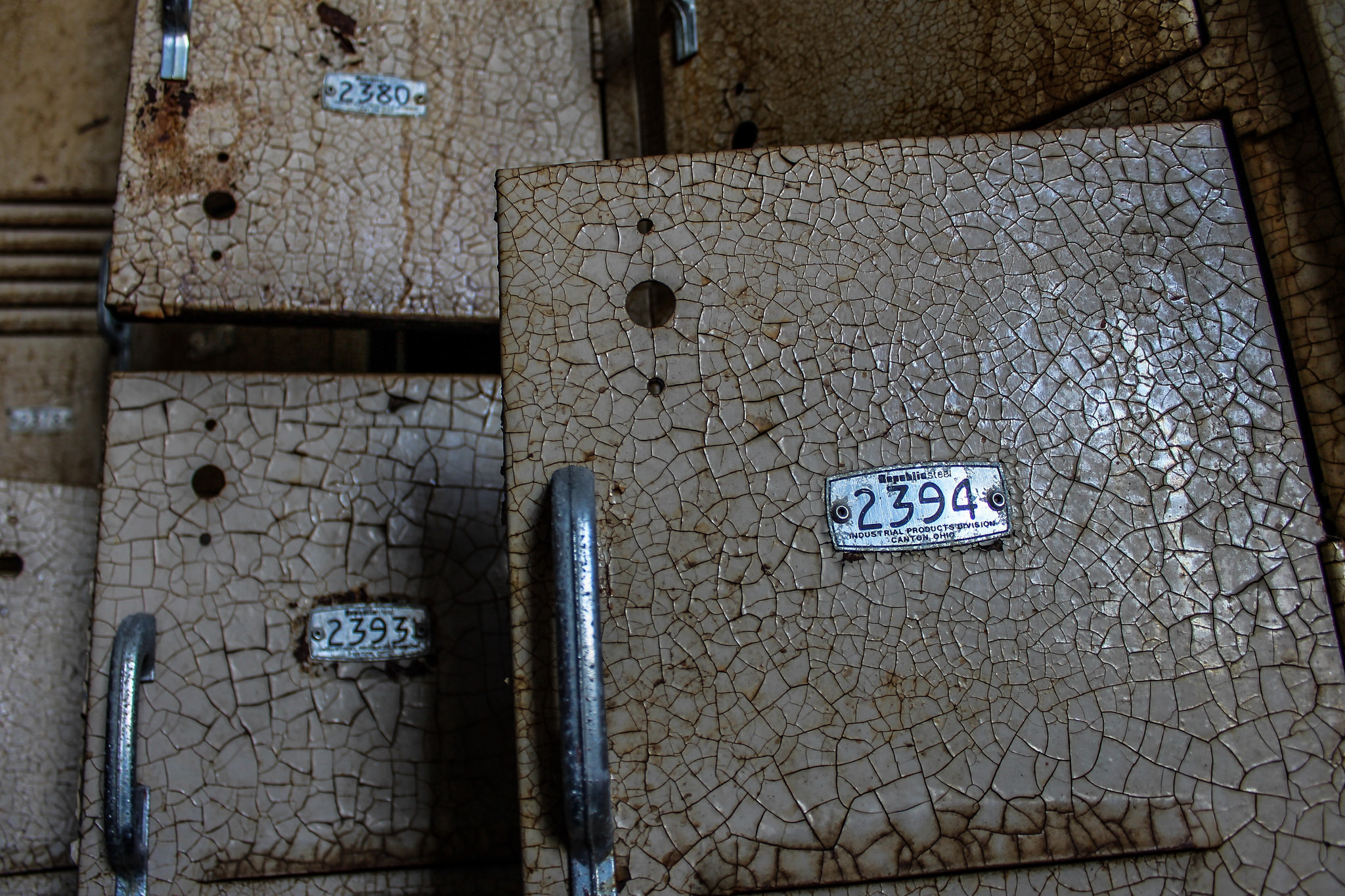
The 1970s proved to be a time of great change in the school’s history. In the past, the school had provided a comprehensive academic/vocational education to its students. However, in the early 1970s, this dual-track curriculum was shelved for one that was primarily academic due largely to education reformers and civil rights activists who lobbied against vocational education for African American students and for integrated college preparatory high schools. This sentiment was rooted in the belief that vocational education would guarantee that blacks were locked in low-wage jobs. The school also underwent changes to its physical plant with an interior and exterior renovation that was undertaken in 1973. Local architect R. P. Gandolfo oversaw the project’s design.
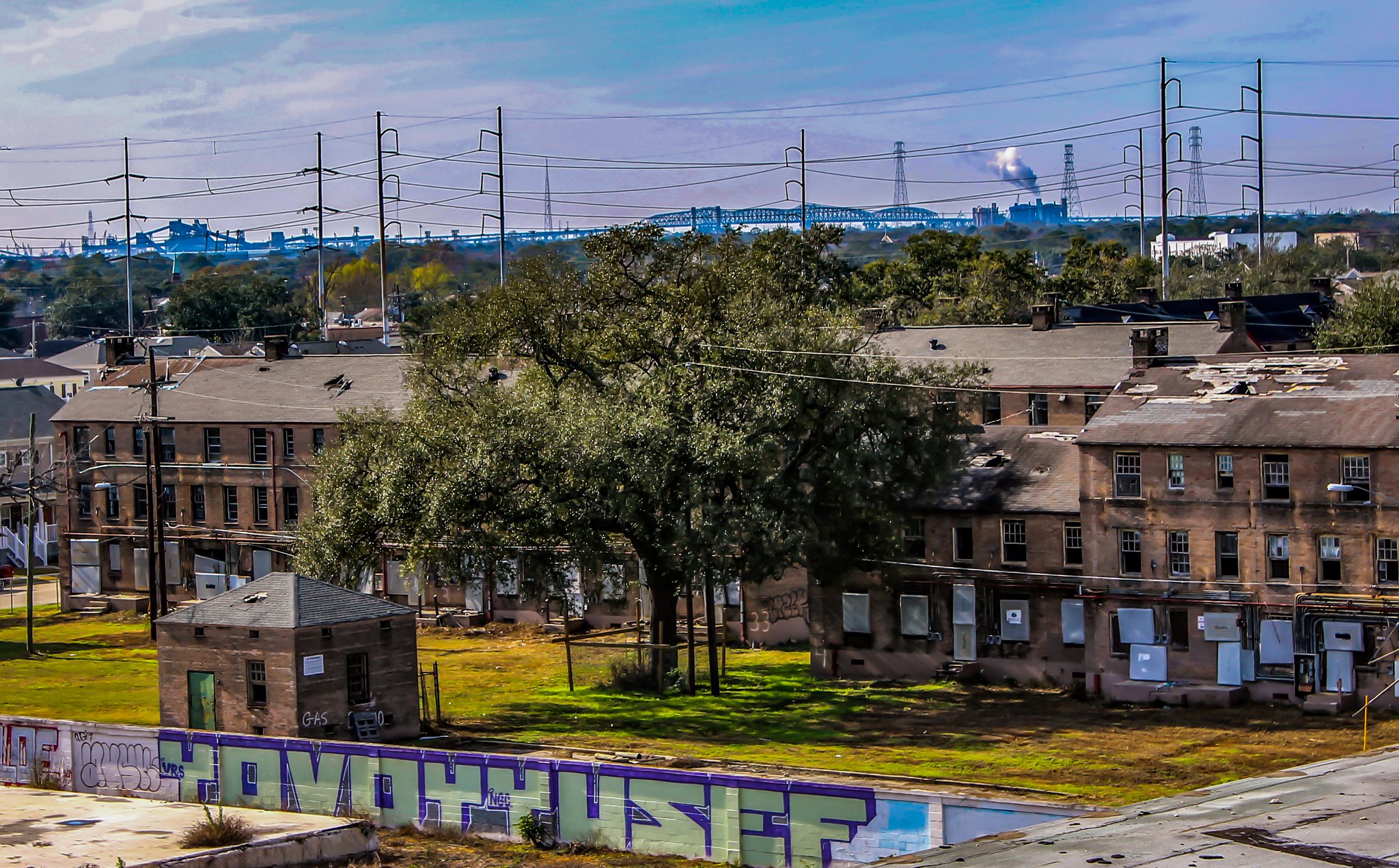
In the 1980s, violence spread across the school grounds as crack dealers from the neighboring Calliope Projects sold drugs around the property. The school was in the middle of dozens of shootouts. During that time, a majority of the students who attended Booker T. Washington resided in one of three nearby housing projects: B.W. Cooper (formerly the Calliope Homes and built in 1939-41); C.J. Peete (formerly known as the Magnolia Home built in 1941); and Guste (formerly known as the Melpomene Homes built in 1964). When initially built, these three developments served as housing for working-class African American residents and were widely regarded as some of the most stable housing for blacks within the city. However, by the early 1970s, these properties began a precipitous decline in desirability, culminating in residents’ occupation of the headquarters of the Housing Authority of New Orleans (HANO) in July 1982. The primary concern of the residents participating in this protest was HANO’s ineffective efforts to resolve the unsafe, unsanitary, and deteriorated conditions that plagued these housing complexes.
After desegregation in the 1960s, students were bused to nearby Alcee Fortier High School leading to a decrease in the student population. By the late 1970s, the school’s student body had dininished to approximately 750 students, half of whom were female. At the same time, as the neighborhood began to experience an overall decline, a lack of maintenance by the school board contributed to substandard conditions at Booker T. Washington.
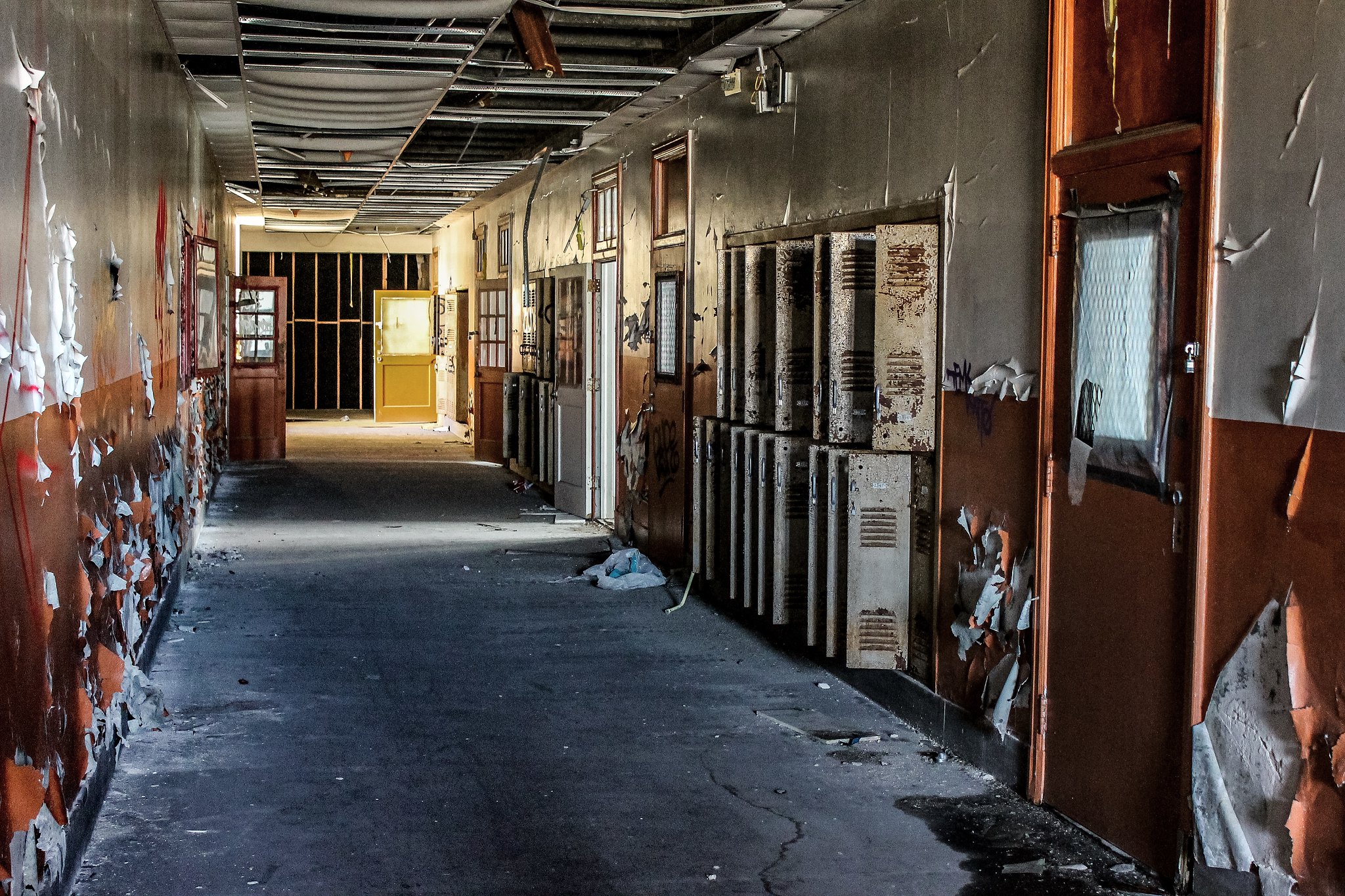
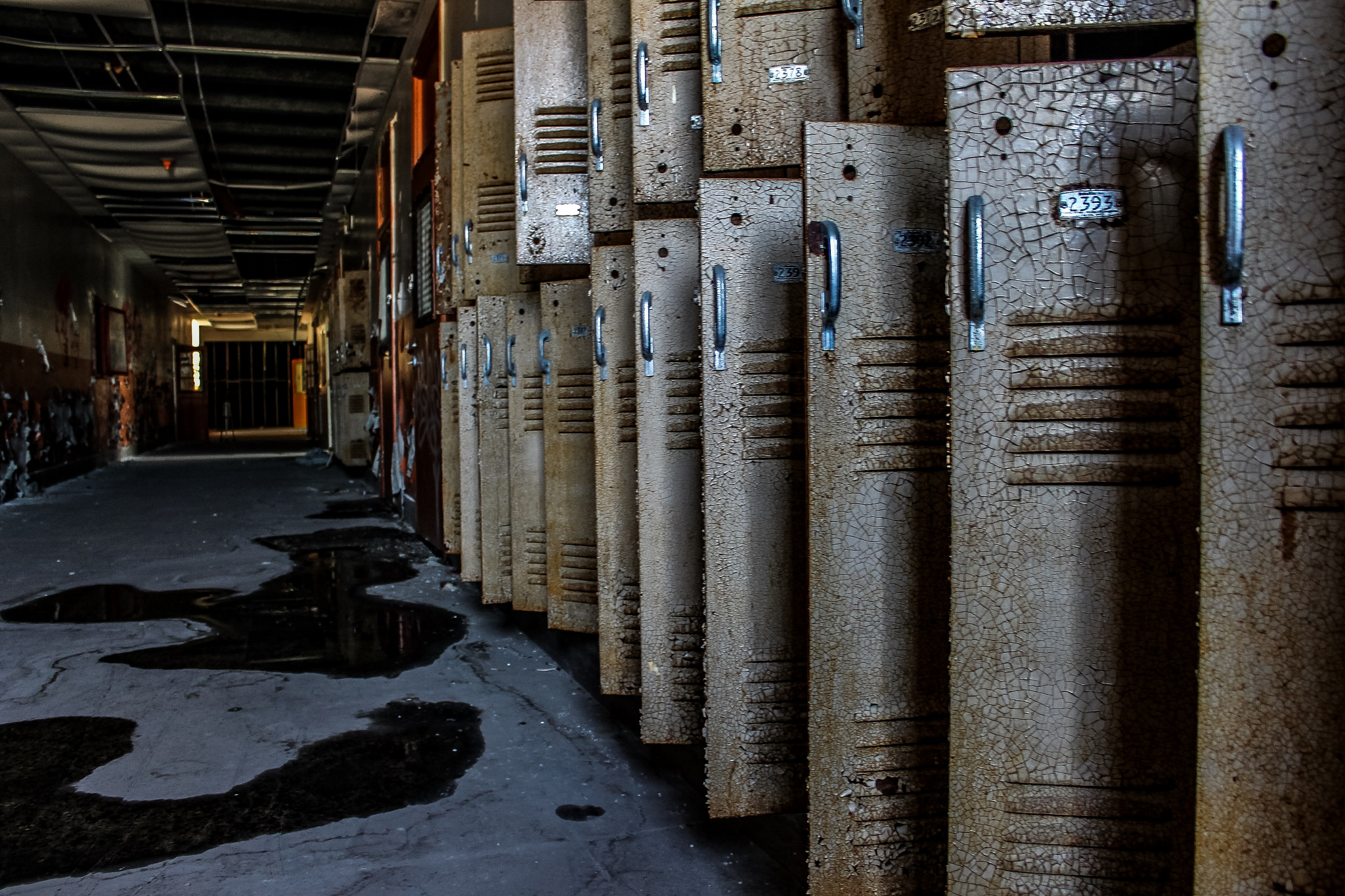
In addition, the overall school enrollment also began to diminish. A 1981 school report noted “windows boarded up, paint peeling, and not a blade of grass around.” Several doors needed to be replaced, windows were cracked from stray bullets, and several bathrooms had mold around the sinks and leaky pipes. The school board refused to make the much-needed repairs citing a lack of funding.
To combat the low enrollment, Booker T. Washington reached back into its past and initiated an award-winning vocational program that endeavored to train students for agricultural-based employment opportunities. The course was classified as a “Cooperative Agriculture and Education Program,” with students receiving both course credit and a salary while receiving practical experience in an agribusiness occupation. The program extended from the 10th to 12th grade and all students enrolled in this elective course became members of the Future Farmers of America.
Several years later, a 1991 school report painted Booker T. Washington High School as a school in crisis. It was considered one of the worst high schools in the country based on test scores, dropout rates, and socioeconomic status of the students. According to many of the former teachers, given the circumstances, the high school did an excellent job, but students left deserving so much more. The OSBP sought to remedy the school’s dire conditions by appointing a new principal and increasing campus security.
Despite these actions, by 1994, the campus was still in need of more than $1 million in renovations. The facility lacked air conditioning and because the heating system was not in working order, the school was forced to close during extremely cold weather. Holes in the wall and broken water fountains were found to be commonplace as the school board was typically slow to address maintenance and upkeep issues. The school was slated for improvements in 1997, including the installation of a new air conditioning system and new flooring, as part of the school board’s $175 million improvements program that was to be financed with a voter-approved bond issue. The new air conditioning system that was funded by the 1997 bond issue was not installed until 2001.
In 2002, a two-alarm fire broke out in a second floor room destroying much of the school’s student records. The following year, the school’s enrollment reached an all-time low. Most of the students now attended Walter L. Cohen High School as Booker T. Washington was labeled as a “dropout factory.” After permanently closing in 2004, the school became a popular spot for vandals and squatters.


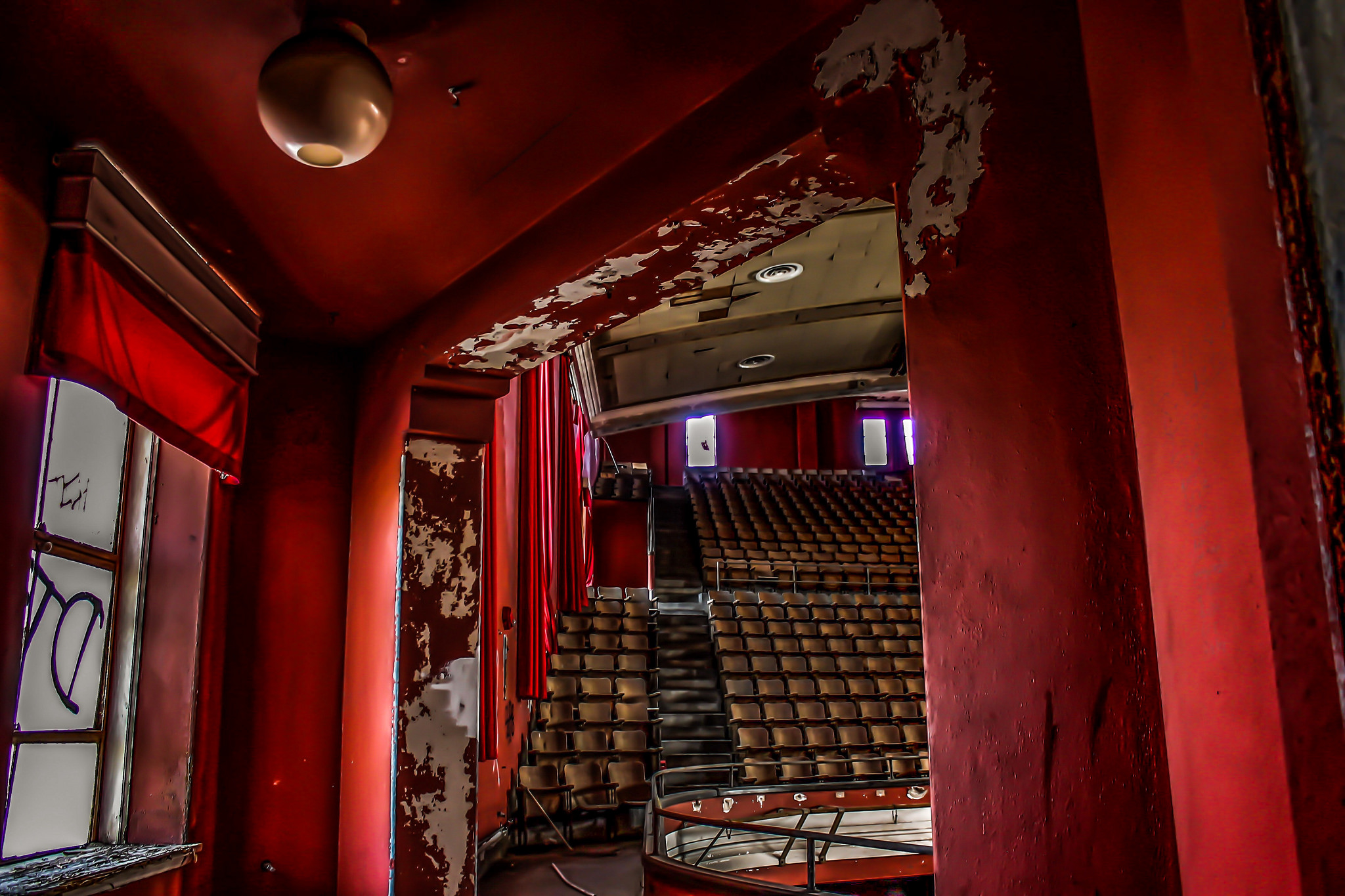
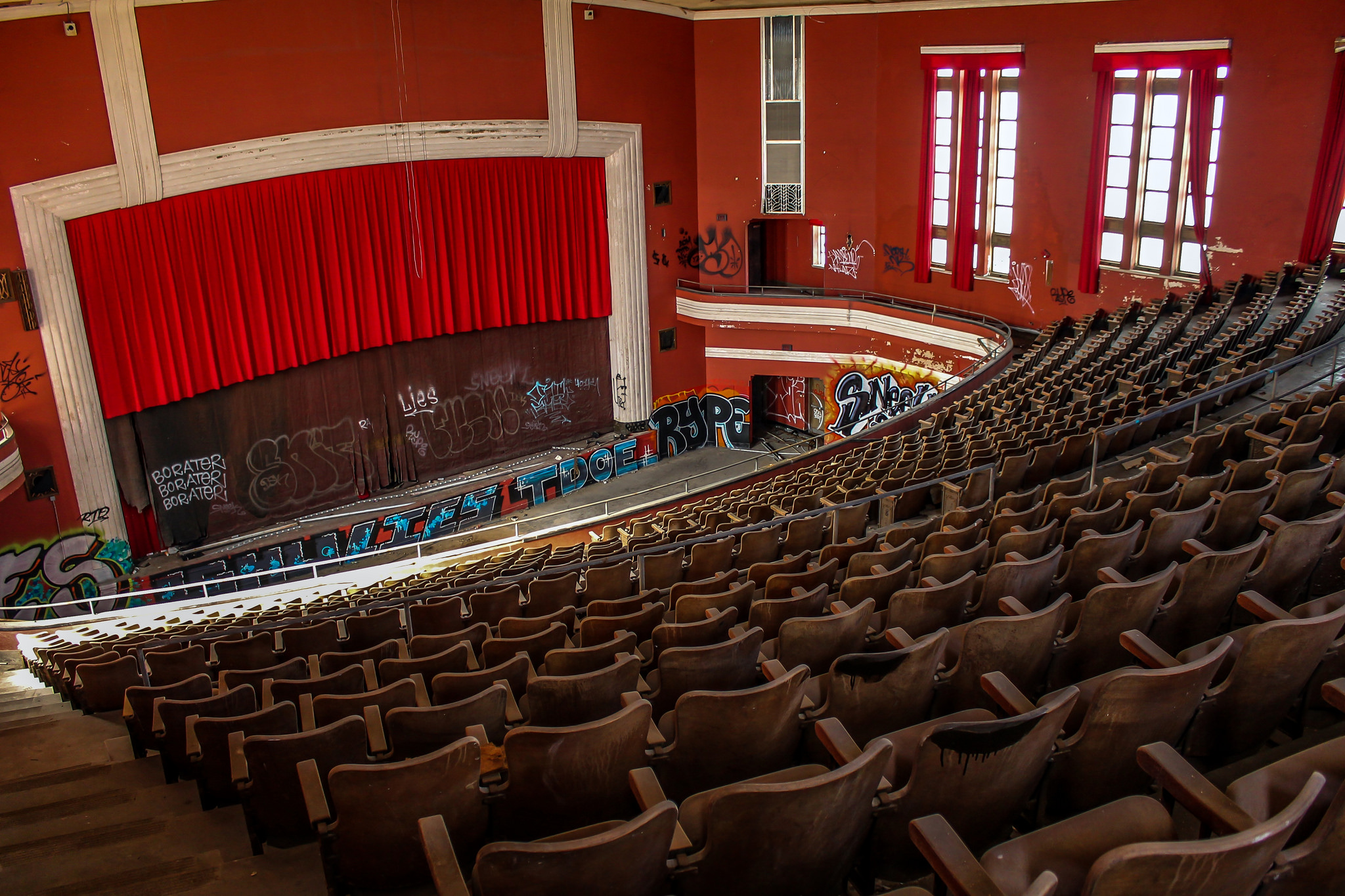
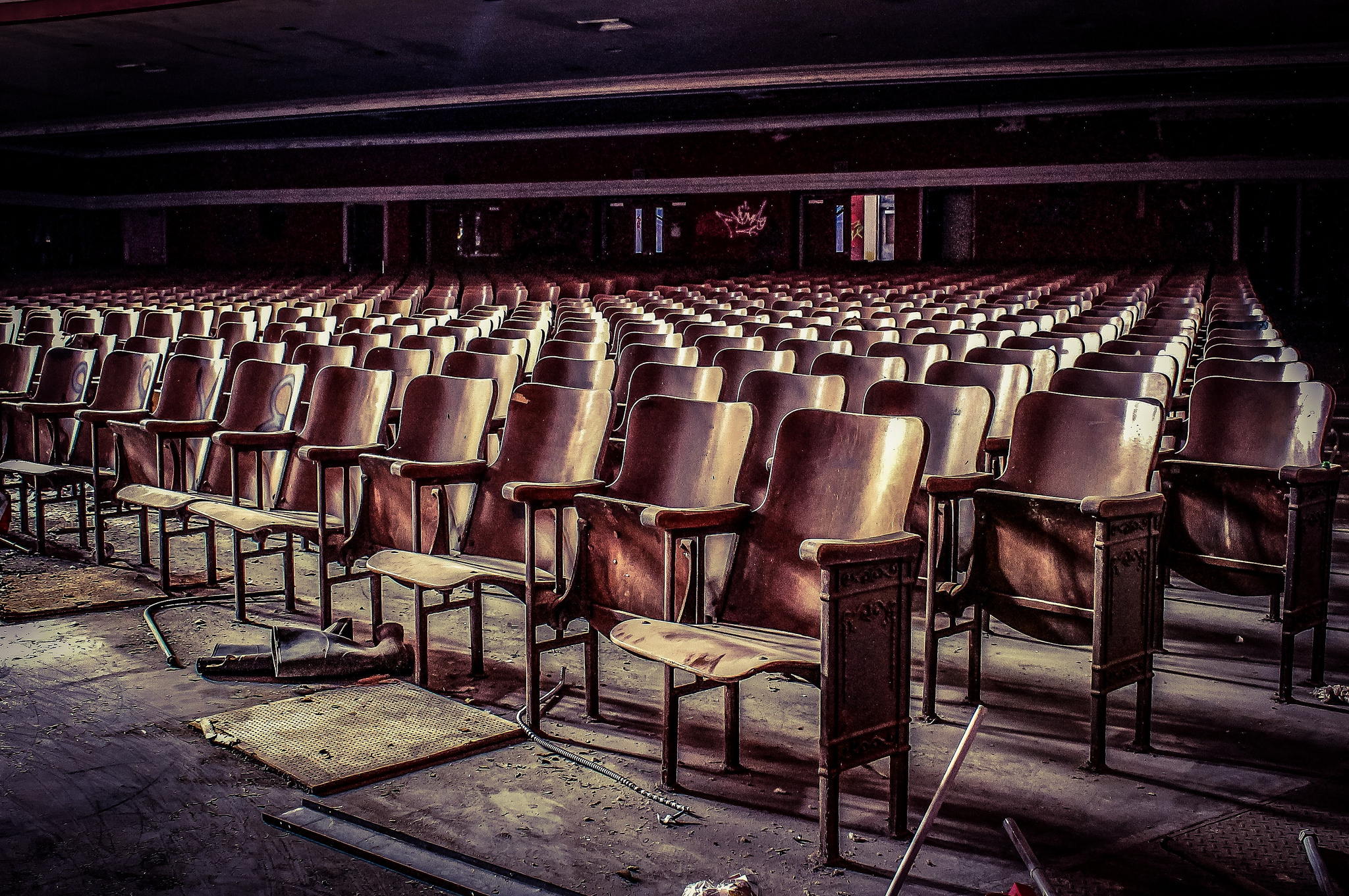
On Monday, August 29, 2005, the school year was abruptly suspended when Hurricane Katrina made landfall. With winds in excess of 125 MPH, the storm was “the most destructive storm in terms of economic losses” to ever strike the United States. The high winds, heavy rain, and widespread flooding devastated New Orleans and resulted in extensive damage to Orleans Parish, including the Booker T. Washington campus.
The surrounding housing projects in which the majority of the school’s students resided also suffered devastation. Upon review of the city’s public schools in the immediate aftermath of Hurricane Katrina, officials estimated it would take 3 to 5 years and $800 million to repair the damage caused by the storms. At the same time, the Recovery School District, a special school district administered by the Louisiana Department of Education created in 2003 to manage underperforming schools, was given the authority to operate the lowest-performing schools in Orleans Parish, including Booker T. Washington. The RSD held a number of public meetings to determine the campus’s future use. At these meetings, the community consensus was that the school be rebuilt at its present site. The Louisiana School Superintendent recommended that the historic school, annex, and outbuildings be demolished, and that the historic auditorium be retained, rehabilitated, and integrated in the new construction of the school at the site.
Preservationists contested that Booker T. Washington High School could be restored for much less than the cost of a new school. Plans were made to save the building from being torn down, however, due to its location and condition, a motion was passed to demolish instead.
In 2016, construction began as part of a $1.8 billion rebuilding program, financed with FEMA funds, which called for the renovation or replacement of dozens of school buildings flooded by Hurricane Katrina. During demolition, workers discovered the soil leftover from the days of the landfill had 24 times the allowable limits of toxic metals. Exposure to these toxic metals can cause cancer and respiratory issues. The state-operated Recovery School District added an additional $3 million for cleanup.
Since a majority of the campus was demolished and its architectural significance lost, the school was removed from the National Register of Historic Places in 2017. While many of the FEMA projects were finished years earlier, reopening Booker T. Washington was a hard-fought battle as officials tried to figure out the best way to allocate the money. The proposed merger of Booker T. Washington and Walter L. Cohen High, a charter school operated by the organization New Orleans College Preparatory, to make one high school was met with opposition. Instead, state officials allowed the Knowledge Is Power Program (KIPP) charter group to operate a new high school called KIPP Booker T. Washington in nearby Central City. In 2019, when the school moved back to its original site of the old Booker T. Washington High School, the school dropped the word KIPP from the name.
In October 2019, hundreds of locals gathered in the new Booker T. Washington High School gymnasium to celebrate its rebirth. Members of the school’s alumni association, state officials, and New Orleans Mayor Latoya Cantrell were among those in attendance to tour the restored campus. The auditorium has been restored to resemble its original Art Deco design.

Thanks for reading. Please share the blog with your friends. I appreciate the support.
You can find me on Facebook, Instagram, and TikTok. In my book, Abandoned New Orleans, I share the history of eight locations from across the city including the Booker T. Washington High School. For more amazing, abandoned places check out my photography books.
Discover more from Abandoned Southeast
Subscribe to get the latest posts sent to your email.

The author in me is getting ideas for stories from looking at these photos. Thanks for posting.
LikeLiked by 11 people
With so many genres as well right?! These photos are phenomenal indeed.
http://www.dayswithfatimah.wordpress.com
LikeLiked by 4 people
Exactly.
LikeLiked by 2 people
Hey! Since you seem passionate about writing I’d appreciate if you would read some of my things and comment your honest opinion!
LikeLiked by 2 people
If I have time, I’ll check them out.
LikeLiked by 1 person
Reblogged this on My Drop Foot by Matthew Trower and commented:
Very atmospheric photographs. A real treat, if not a bit spooky too!
LikeLike
Excellent Piece!
LikeLiked by 7 people
Thank you!
LikeLiked by 3 people
New Orleans may had landfills during the 1930′ as with the current time!! Of course most of New Orleans was NOT built after the 1930’s. New Orleans had very old cemetery which covered most of the land of the property of the city of New Orleans for that reason, New Orleans become popular among the voodoo practicers!!
LikeLiked by 10 people
Enjoyed this very much. Thank you for this interesting piece. Beautiful photography.
LikeLiked by 11 people
Great images we have a similar auditorium in Columbus Wisconsin. No money to renovate
LikeLiked by 9 people
These photos, especially the auditorium, are very reminiscent of my own high school in Oakland, CA! In contrast, my high school, with a significant African American student population, is still going strong and well maintained. Thanks for sharing.
LikeLiked by 10 people
Great pictures that tell amazing story, that you would not be able to get across with words alone, thank you for good post
Love, Wealth, and Health
Alex Moses
Awakened Business Coach
https://alifeanswer.com/
LikeLiked by 8 people
Photos are the best souvenirs ; agree or not agree ? https://rheesethebackpacker.wordpress.com/2016/06/13/photos-are-the-best-souvenirs/ via @wordpressdotcom
LikeLiked by 2 people
Beautiful story and photos, very spooky. Thank you!
LikeLiked by 7 people
Interesting piece! Great images. Thank you for posting.
LikeLiked by 9 people
Wow, absolutely stunning imagery. I love abandoned places, they’re so full of history of the people that used to occupy them. An amazing feeling actually visiting one.
LikeLiked by 9 people
Beautiful photography of this historic New Orleans site. I love the chairs if they could talk!
LikeLiked by 10 people
This is a powerful and historical piece with a human edge. The images convey the presence of an era that is still haunted by its ghosts. Beautiful!
LikeLiked by 9 people
Stunning photos!
LikeLiked by 9 people
Wonderful, haunting article. Photography is such a poignant way to call attention to a subject often forgotten in the rush of everyday life. Beautiful photos and writing.
LikeLiked by 10 people
both appalling and triumphant. nice piece and accompanying photos!
LikeLiked by 9 people
Nice piece
LikeLiked by 7 people
Very Interesting
LikeLiked by 7 people
I am in love with the photography GORGEOUS
LikeLiked by 7 people
Mesmerizing Truly!!
LikeLiked by 7 people
Reblogged this on Unijewels.
LikeLike
Wow. This is an awesome article!
LikeLiked by 6 people
Amazing piece of history. Appreciate you sharing !
LikeLiked by 7 people
satılık araba, emlak,, alışveriş
http://www.neistersen.com.tr
LikeLiked by 4 people
Wow, this piece is great. So interesting!
LikeLiked by 6 people
this is really good
LikeLiked by 6 people
Interesting blog and photos!
I will follow you…
LikeLiked by 7 people
The story told through these pictures is both ominous and nostalgic in a way words couldn’t describe. I feel as though I am living vicariously through the events and the tragedy, like I can see the ghosts of the students making their way into those halls and opening up those lockers. Goodness, I’m filled with such strange feelings! A tremendous bravo for you for being able to instill this feeling in your viewers!
LikeLiked by 7 people
What can we say….
Yeah…”classic”
LikeLiked by 7 people
Wonderful post- Landfills standards today are so much better with the regulations and liners that are put in. The photography is beautiful and I’m glad they kept the auditorium. It’s beautiful and so much history and great talent that must’ve performed there! So sad,too that vandals take away so much history and decorations instead of taking pride in their city’s history.
LikeLiked by 7 people
hi guys, I’m new to WordPress and could really use some support. Please check out my blog . 😄😄😄 Thank you if you do!
LikeLiked by 8 people
Wow, love the post.
LikeLiked by 6 people
This is a cool one!
LikeLiked by 6 people
Love the rich reds and golds.
LikeLiked by 7 people
This place looks so haunted!! D:
LikeLiked by 6 people
Disturbing that anything could be built on toxic land. And especially disturbing that it was built to exclude one group of people from another. Hurricane Katrina may have leveled a playing field in more ways than one.
LikeLiked by 6 people
Agree. I also have the same feeling. Always when I see abandoned buildings. Disturbing but very intriguing
LikeLiked by 6 people
Absolutely – full of spirit, eh?
LikeLiked by 5 people
Or spiritS….
LikeLiked by 3 people
This post is so authentic & dope. Well done!
LikeLiked by 7 people
Abandoned buildings have a charm of their own. This particular story has been captured beautifully. A great read, thanks!
LikeLiked by 7 people
Wow, these pictures tell quite the story. I have been to New Orleans and seen first hand the devastation of hurricane Katrina. This article moved me….really great read! ….I am new to wordpress so I’m finding all of these amazing articles and this is one of the best I’ve read so far.
LikeLiked by 7 people
Very interesting read, great photos.
LikeLiked by 7 people
Reblogged this on oshriradhekrishnabole.
LikeLike
Reblogged this on The Missal and commented:
You know I love vadding…
LikeLiked by 6 people
Beautifully sad photos.
LikeLiked by 7 people
Interesting read, thank you
LikeLiked by 7 people
excellent photos. you can almost feel the nostalgia
LikeLiked by 7 people
The history of this school is as haunting as the chemicals that continue to seep into the ground.
LikeLiked by 7 people
Wow. I am amazed! #inawe
LikeLiked by 7 people
Strangely enough, the auditorium is almost more beautiful in the corroded and vandalized form… it’s a visual story of all it has endured. Also love “rows of seating waiting to once again be filled”.
https://makingdoblogging.wordpress.com
LikeLiked by 6 people
I love this!
LikeLiked by 5 people
A piece of NOLA history, beautiful.
LikeLiked by 5 people